

Antique Floral Side Chair
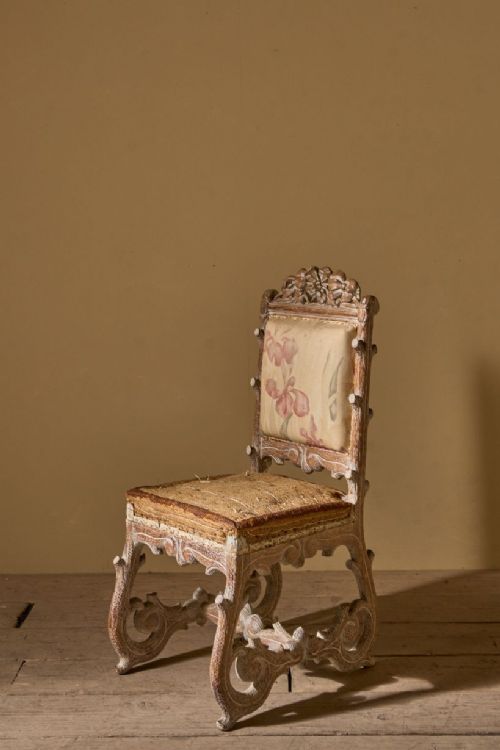
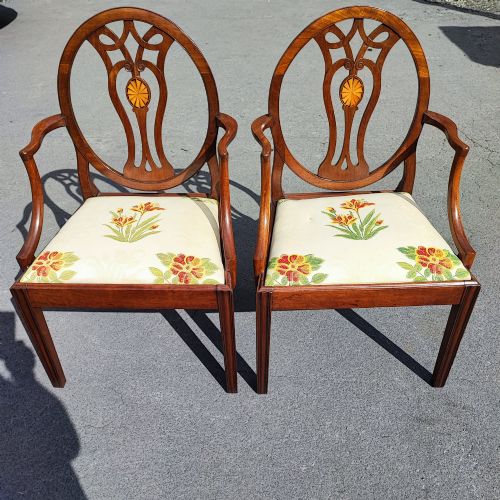
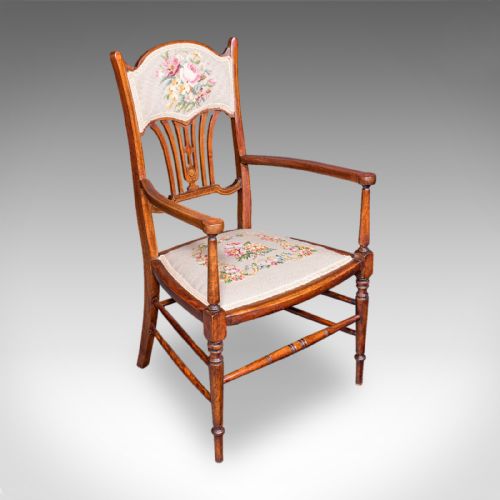
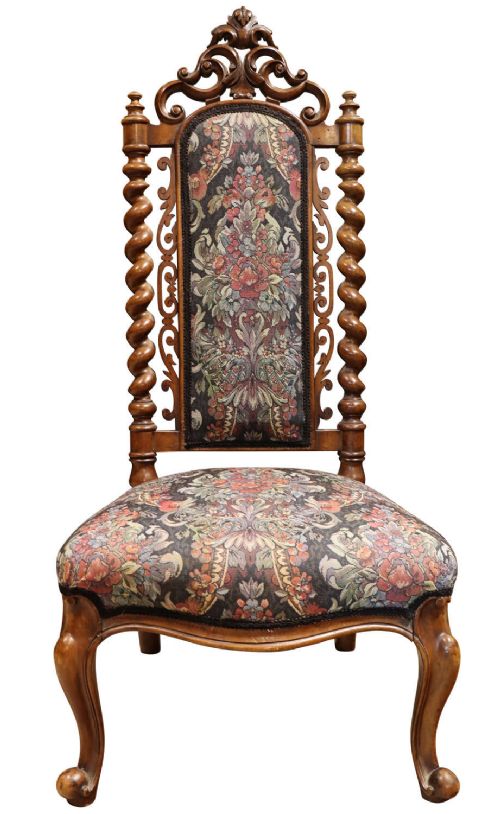
An antique floral side chair brings practical seating with botanical needlework or patterned fabric into a room.
Antique Floral Side Chair
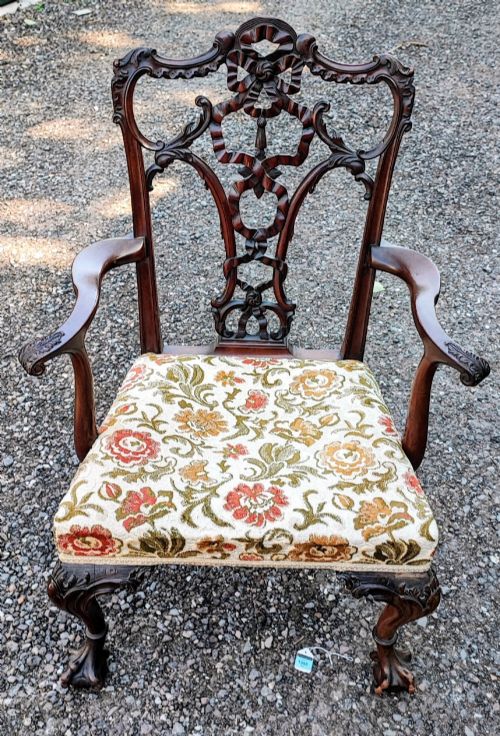
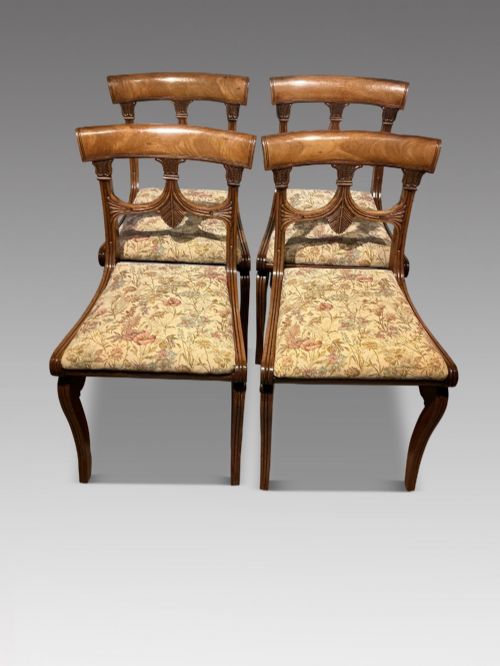
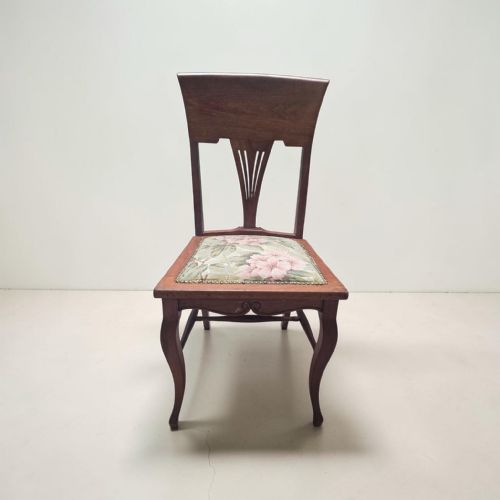
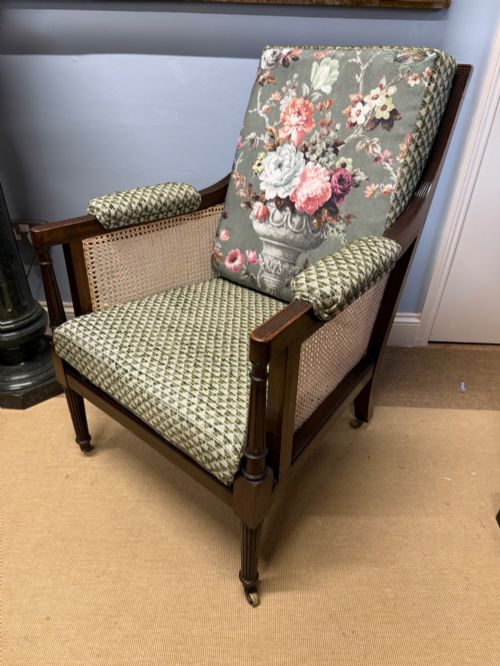
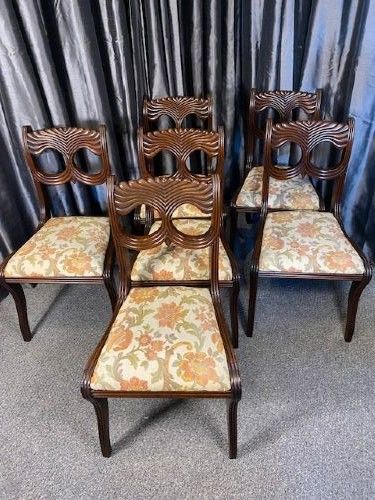
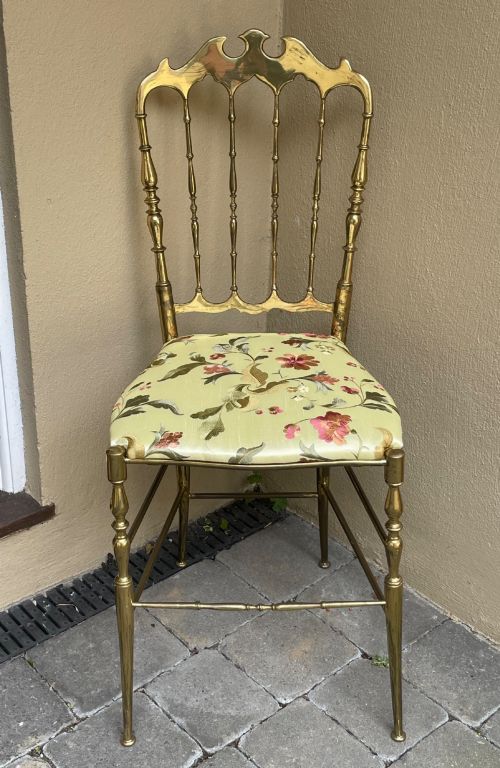
The term antique floral side chair covers smaller seating forms upholstered in patterned textiles, needlepoint, tapestry fabric or velvet featuring botanical motifs. These pieces serve secondary seating roles in bedrooms, drawing rooms or parlours rather than primary dining duties.
Buyers meet variations spanning the eighteenth, nineteenth and early twentieth centuries, constructed in timbers such as mahogany, walnut, rosewood, beech and oak. Side chairs, bedroom chairs, salon chairs and occasional chairs dominate the selection.
The upholstery often displays floral needlework or fabric patterns that reflect the aesthetic tastes of periods like the Victorian era, Regency, Georgian and Edwardian epochs.
Materials and construction
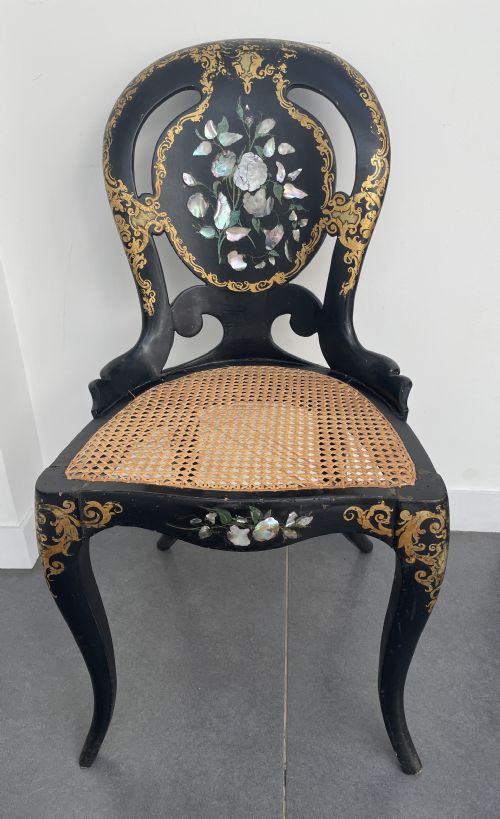
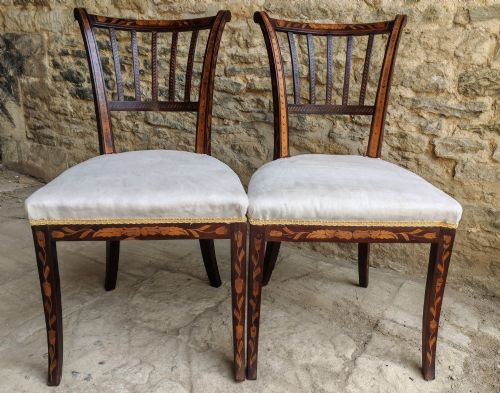
Frames rely on hardwoods including mahogany, walnut, rosewood, beech and oak, shaped through turning, carving or marquetry inlay. Some examples incorporate brass details, ebonised finishes or mother of pearl inlay to decorate the wooden structure.
Upholstery techniques utilise fabric, textile, tapestry and needlepoint to secure botanical designs over the seat pads or backs. Workshops applied hand-painted elements, carvings and joinery methods specific to eighteenth and nineteenth-century cabinet making.
The furniture spans distinct periods from the mid-eighteenth century through the Victorian era up to the Edwardian years.
Separating the ordinary from the exceptional
Timber selection and the crispness of hand-carving dictate the distinction between standard production and superior craftsmanship. Mahogany and walnut frames with intricate pierced backs or detailed marquetry sit above simpler beech or painted alternatives.
The integrity of the original wood joinery and the finesse of the needlepoint or velvet upholstery dictate how well a piece maintains its character. Coarser execution in the turning or loose proportions separate utilitarian seating from finer salon and occasional chairs.
Waring and Gillow·Howard and Sons·R Whytock of Edinburgh
The Antique Floral Side Chair Glossary
- Side chair
- A chair without arms designed for occasional use at the side of a room or around a dining table. These pieces remain lighter and more portable than armchairs.
- Needlepoint
- Embroidery stitched on canvas mesh, frequently utilised for floral seat covers on nineteenth-century chairs. This technique allows for detailed botanical colour work.
- Marquetry
- The art of applying decorative veneer pieces in wood to form geometric or floral patterns on furniture surfaces. This adds visual texture to walnut and mahogany frames.
- Balloon back
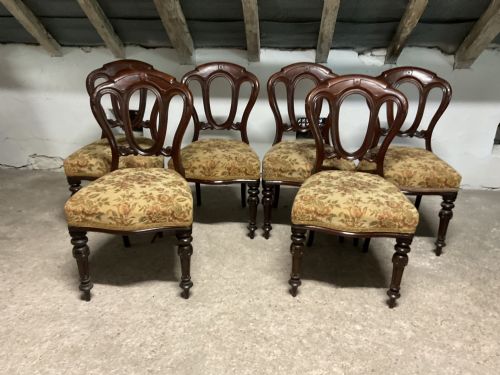
- A rounded, oval-shaped chair back popular during the Victorian era that resembles the profile of a hot air balloon. This contour supports upholstered panels.
- Bergere
- An enclosed upholstered armchair with exposed wooden framing and cane or fabric sides. These seats offer deeper proportions than standard side chairs.
Antique Floral Side Chair: Frequently Asked Questions
What is an antique floral side chair?
An antique floral side chair is a small, armless seat upholstered in botanical fabric or needlepoint, produced during the eighteenth, nineteenth or early twentieth centuries.
These chairs functioned as movable seating in bedrooms, salons and parlours rather than primary dining furniture.
How were these chairs used historically?
Historically, owners placed these chairs around the edges of rooms to provide flexible seating for guests during gatherings, recitals or morning room conversations.
Their lightweight frames allowed servants to shift them easily between chambers depending on household needs.
How do I live with an antique floral side chair?
You can integrate these chairs into modern interiors as accent pieces in hallways, bedrooms or reading corners where heavy furniture is impractical.
Keep them away from direct sunlight and excessive heat to protect fragile textiles and older wooden frames.
How do I tell Victorian chairs apart from earlier pieces?
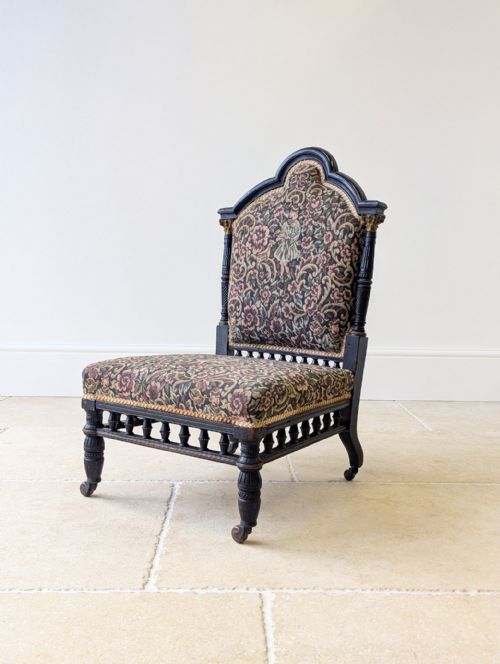
Victorian chairs often feature darker finishes, ebonised woods, balloon backs or heavier carved walnut details associated with mid to late nineteenth-century revivals.
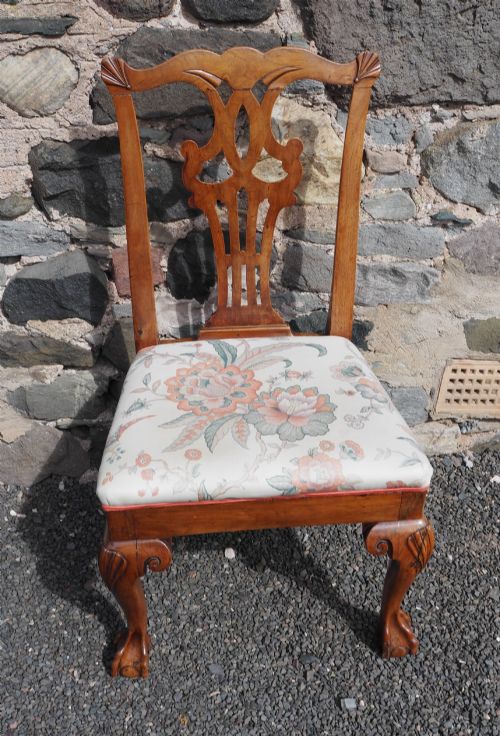
Earlier eighteenth-century and Regency examples tend to display lighter mahogany or walnut tones with cleaner classical lines and understated joinery.