




Antique Floral Pattern Plates
Antique floral pattern plates bring rich botanical and heritage design directly to the table, offering a tangible connection to nineteenth-century craftsmanship.
Antique Floral Pattern Plates
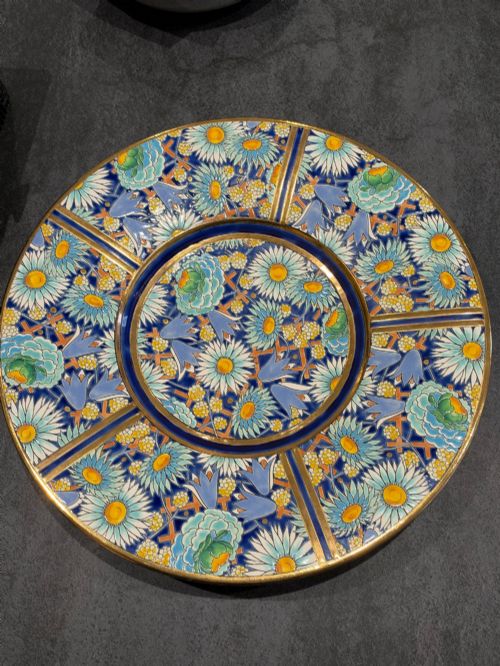
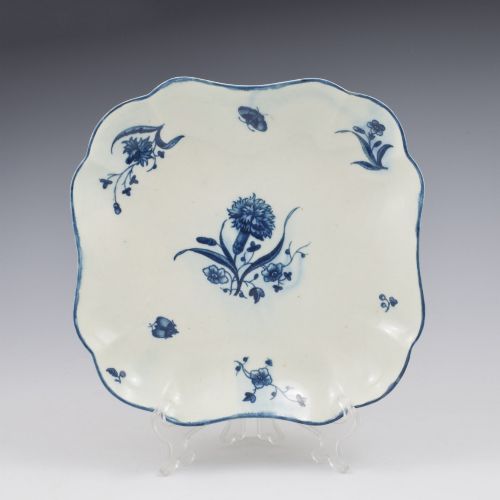
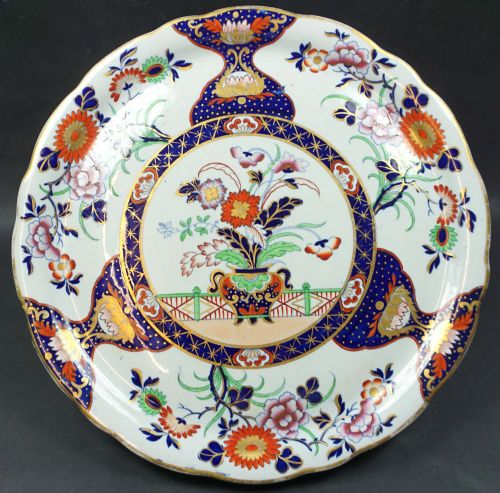
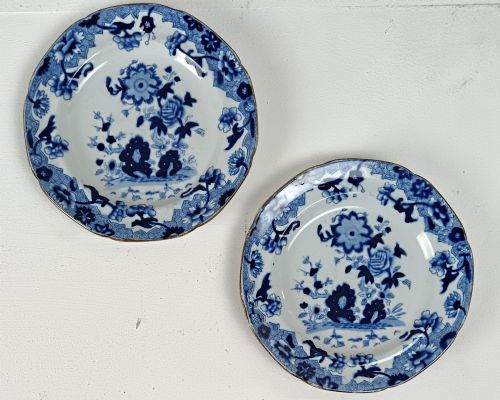
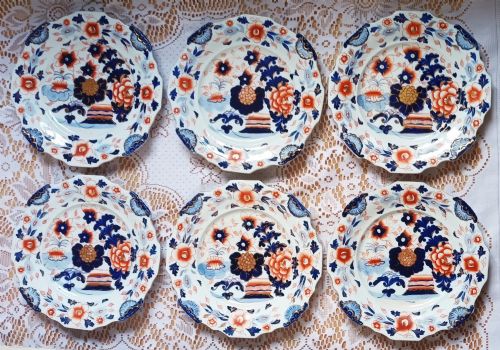
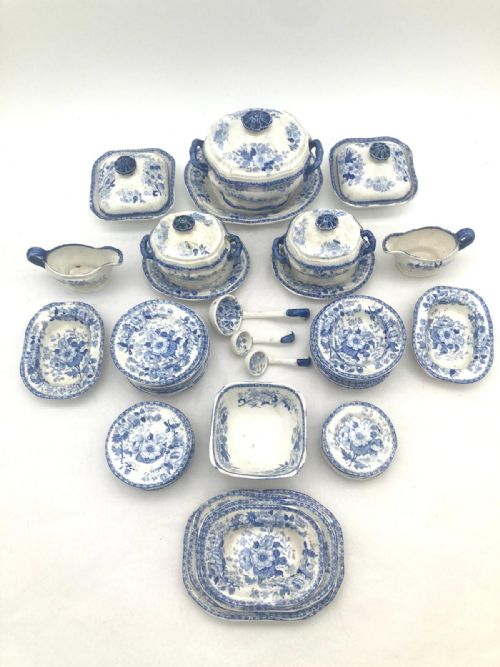
Antique floral pattern plates encompass a variety of utilitarian and decorative ceramics designed for dining, serving, and display. When searching for antique floral pattern plates, collectors encounter diverse forms ranging from small tea plates and dessert services to large platters and chargers.
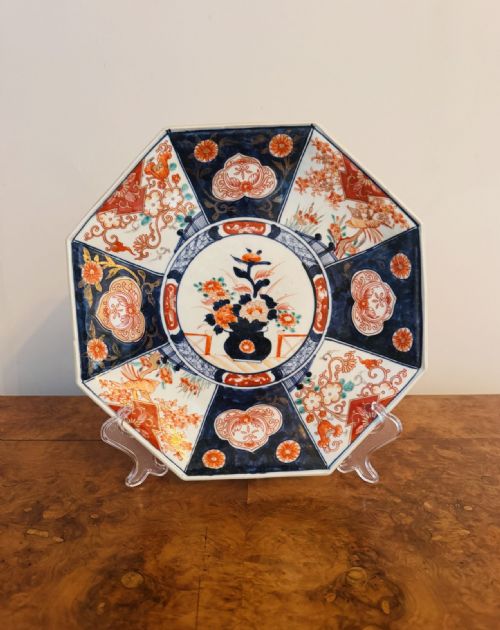
The selections span multiple periods, most notably the Georgian and Victorian eras, alongside early twentieth-century examples. English factories and Japanese kilns dominate the origins, presenting styles that reflect both domestic botanical interests and oriental taste.
How they were made
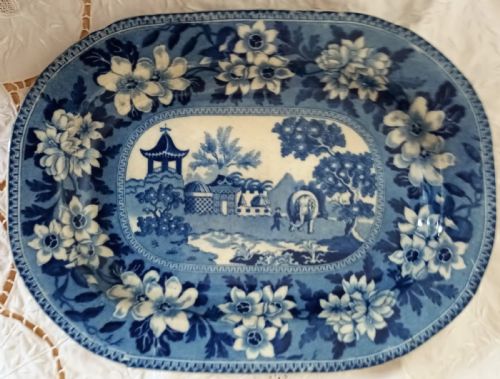
Potters utilised durable earthenware, ironstone, stoneware, and fine porcelain as the foundational bodies for these items. Transfer printing allowed workshops to apply intricate botanical, blue and white, or sheet patterns efficiently across large services.
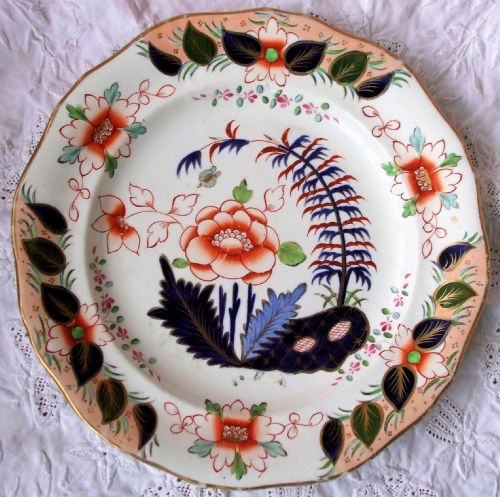
Skilled artisans then added handpainted details, enamel colours, and gilding over the glaze to enrich the floral motifs. Gold leaf and meticulous brushwork elevated standard tableware into sophisticated decorative art.
Antique Floral Pattern Plates Retail Price Guide 2026
Typical asking prices for floral pattern plates among the pieces listed under this phrase on Sellingantiques today, from the lower quarter to the upper quarter. They describe what is for sale here now, not the wider market.
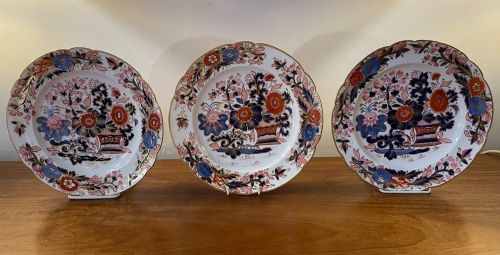
Several Victorian plates proudly display patterns whimsically named after tigers, crazy cows, and elephants.
What varies in quality
The distinction between standard domestic wares and superior examples rests on the crispness of the transfer print and the precision of the handpainted enamels. Finer plates display careful registration of colours and delicate brushstrokes that remain sharp against the glaze.
Material composition also dictates superiority, with dense ironstone and translucent porcelain sitting above basic earthenware. The presence of rich gilding and well-preserved surface finishes indicates a higher tier of original manufacture.
H & R Daniel·Hicks & Meigh·Minton·John Rogers & Son·John Davenport of Longport·Booths·Coalport·John Ridgway·Elkin & Newbon·Moorcroft·Royal Crown Derby·Wedgwood·Mason
The Antique Floral Pattern Plates Glossary
- Ironstone
- A dense, durable type of earthenware patented in the nineteenth century to imitate Chinese porcelain. It resists chipping and provided a robust surface for transfer-printed floral designs.
- Transfer printing
- A mechanical method of applying complex designs to ceramics using an engraved copper plate and tissue paper. This technique enabled factories to produce uniform patterns rapidly.
- Imari palette
- A decorative style inspired by Japanese export porcelain utilising underglaze blue, iron red, and gold. Many English potteries adopted this aesthetic for floral and ornamental plates.
- Ashet
- A Scottish and northern English term for a large oval serving dish or platter. These items formed part of larger dinner services intended for joint meats.
- Enamel
- Coloured glass paste fused to the ceramic surface through firing. Enamels provided vibrant hues for botanical painting over the primary glaze.
Antique Floral Pattern Plates: Frequently Asked Questions
How do I date antique floral plates?
Dating relies on maker marks, registry diamonds, and stylistic cues such as palette choices and body composition. Comparing the shape of the footrim and the ceramic body helps place the piece within the Georgian or Victorian periods.
Transfer-printed marks and specific pattern names recorded in factory archives further narrow down the decade of manufacture.
Can I use these plates for dining?
Many antique plates remain sturdy enough for occasional dining, particularly ironstone and stoneware examples. However, older enamels and gilding require gentle hand washing to preserve the surface.
Displaying them on plate racks or walls protects delicate porcelain and handpainted details from modern cutlery wear.
What is the difference between ironstone and porcelain?
Ironstone is a heavy, opaque, and highly durable ceramic developed to withstand daily household use. Porcelain offers a lighter, more refined body that is often translucent when held to the light.
Both materials carried floral patterns effectively, but porcelain was typically reserved for dessert services and finer tea wares.
What does Imari pattern mean on English plates?
The Imari designation refers to an aesthetic imitating Japanese export wares featuring iron red, cobalt blue, and gilding. English potteries adopted these striking motifs during the Georgian and Victorian eras.
Plates decorated this way combine oriental floral arrangements with European ceramic shapes.