




Antique Floral Ornamental Urns
These antique floral ornamental urns bring rich nineteenth and early twentieth century porcelain into a room with painted botanical detail and gilded form.
Antique Floral Ornamental Urns
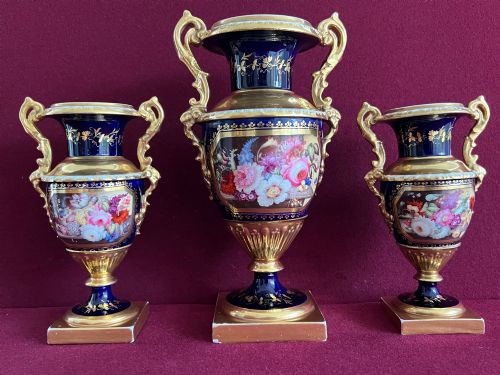
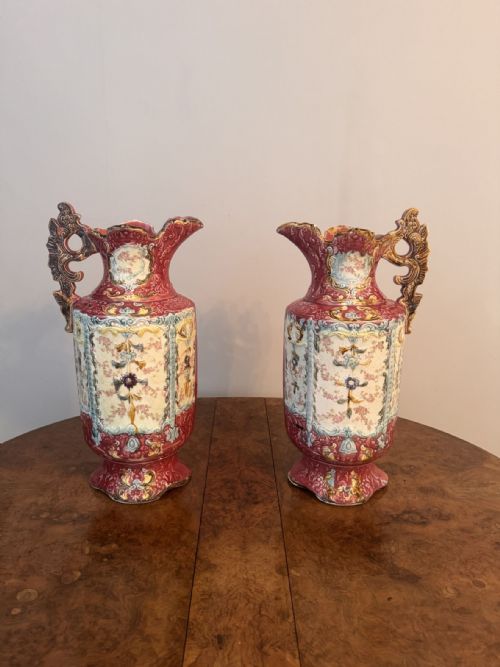
When you search for antique floral ornamental urns, you encounter a selection of decorative vessels that encompass Victorian, Edwardian, and Regency periods. The forms include lidded vases, ewers, and pedestal urns created from porcelain, bone china, and earthenware.
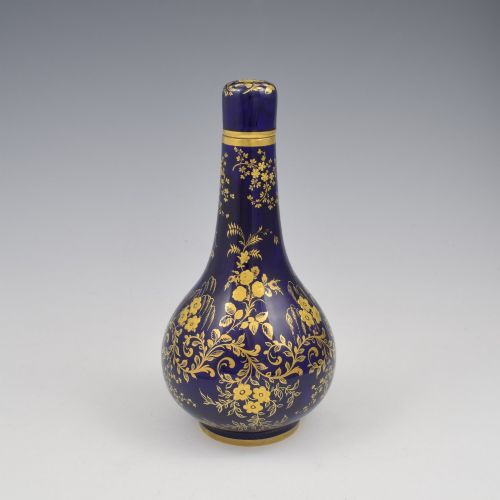
You are most likely to meet Victorian and Edwardian examples on this page, often decorated with hand painted floral motifs and enriched with gilding. These pieces range from miniature scent bottles to large pairs of ewers designed for display.
The origins span notable British potteries and continental works, uniting various historical revivals such as Rococo, Gothic, and classical styles into ornamental objects meant for mantelpieces and cabinets.
How they were made
Potters shaped these vessels using fine porcelain, bone china, and ironstone, forming bodies that could support intricate handles, pedestals, and covers. Glazes provided a smooth white ground suitable for subsequent enamel painting and gilding.
Artisans applied hand painted floral designs directly onto the ceramic surface, sometimes highlighting details with gold leaf or heavy gilt. Kiln firing fixed the colours and the metal leaf, resulting in durable decorative finishes.
Antique Floral Ornamental Urns Retail Price Guide 2026
Typical asking prices for floral ornamental urns among the pieces listed under this phrase on Sellingantiques today, from the lower quarter to the upper quarter. They describe what is for sale here now, not the wider market.
Listings feature porcelain, bone china, and earthenware across Victorian, Edwardian, and Regency periods.
What varies in quality
Quality rests primarily in the precision of the hand painting and the crispness of the moulded relief work. Finer examples show careful brushwork on the floral subjects and skilful application of gilding rather than simple transfer printing.
The weight and balance of the vessel, alongside the depth of the glaze, separate standard production pieces from those made by premier potteries and skilled decorators.
Derby Porcelain·Royal Doulton·Crown Staffordshire·Miles Mason·Hadley’s & Sons Worcester·Royal Worcester
The Antique Floral Ornamental Urns Glossary
- Ewer
- A large jug with a wide spout and a shaped handle, often treated purely as an ornamental vase in nineteenth century interiors. These vessels frequently appeared in matched pairs alongside traditional urns.
- Gilt
- A thin layer of gold applied to the ceramic surface to highlight handles, rims, and floral borders. It catches the light and frames the painted decoration.
- Bone China
- A type of soft paste porcelain containing bone ash, known for its bright white colour and translucent body. It allowed makers to produce thinner, more refined ornamental forms.
- Ironstone
- A heavy earthenware developed for durability while mimicking the appearance of fine porcelain. It provides a robust body for pieces with colourful Chinoiserie or floral decoration.
- Pedestal
- A raised base supporting the main body of an urn or vase, lifting the display piece above the surface it rests upon. It is often moulded with classical or floral enrichment.
Antique Floral Ornamental Urns: Frequently Asked Questions
What periods do these ornamental urns cover?
The listings span the nineteenth and early twentieth centuries, including Regency, Victorian, and Edwardian eras. Each period brings distinct decorative revivals and ceramic techniques.
Production methods shifted over these decades, moving from early ironstone bodies toward refined bone china and continental porcelain forms.
How were these urns used originally?
These pieces served as decorative focal points in drawing rooms and parlours rather than functional containers. Pairs of ewers and lidded vases were typically arranged on mantelpieces or pedestals.
Their presence signaled refinement and an appreciation for classical forms and hand painted floral artistry.
Are painted floral designs hand done?
Many examples feature hand painted floral decoration executed by named artists or skilled factory decorators. These brush-worked details often include botanical studies and gilt highlights.
Closer inspection reveals the individual brushstrokes that distinguish painted surfaces from printed transfers.
How do I care for antique porcelain urns?
Keep these decorative objects away from direct sunlight to preserve the vibrancy of the enamel colours and the integrity of the gilding. Dust them gently with a soft, dry brush.
Avoid using water or cleaning solutions on the exterior surface, especially where gold leaf or delicate hand painting is present.