
Antique Floral Mirror
An antique floral mirror brings botanical carving and painted garlands into a room, offering centuries of craftsmanship in glass and wood.
Antique Floral Mirror
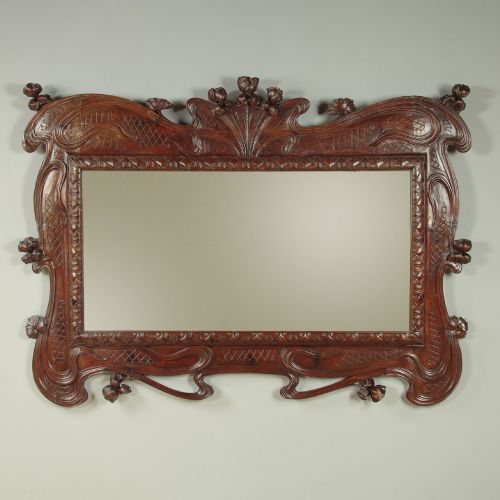
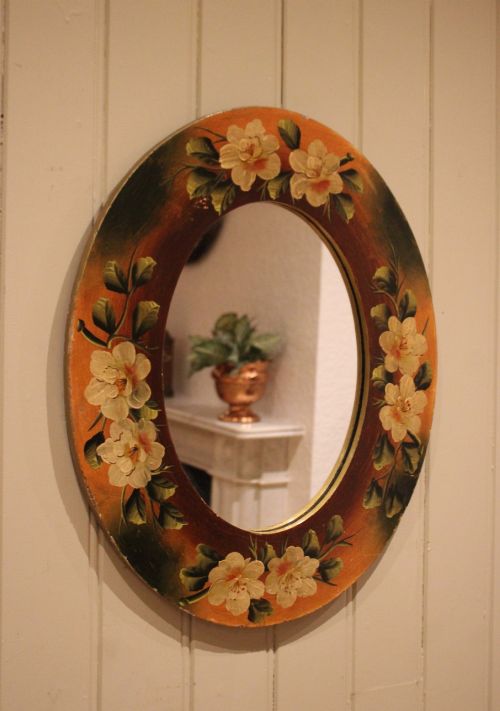
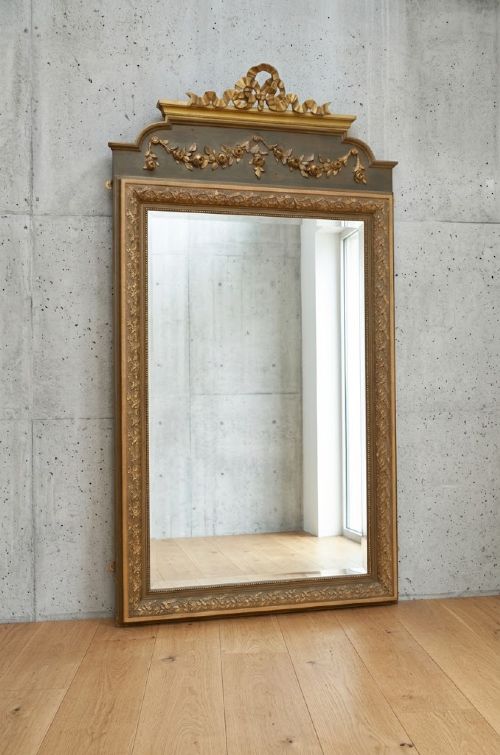
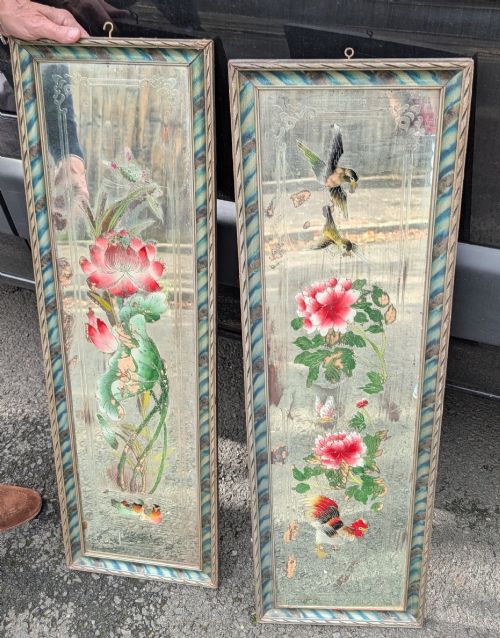
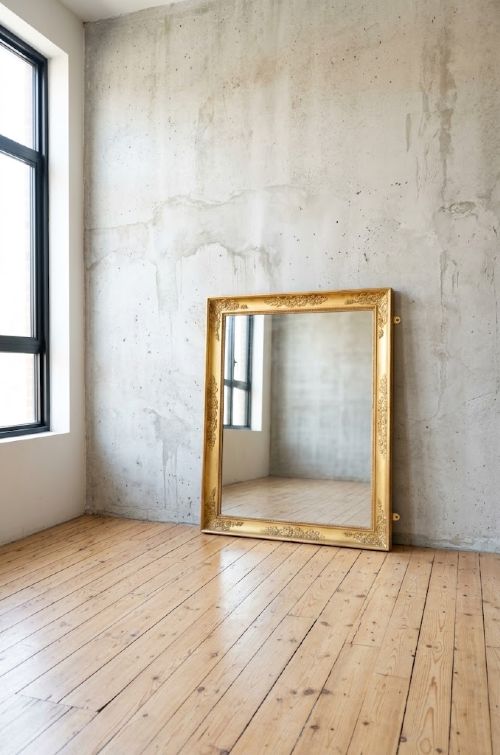
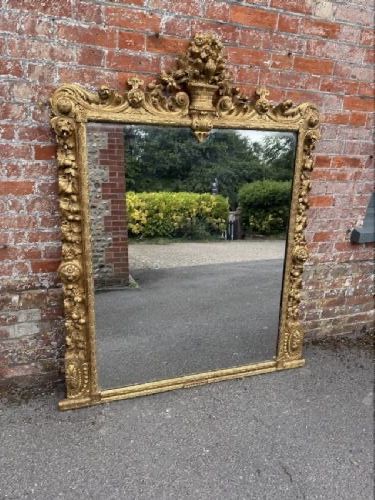
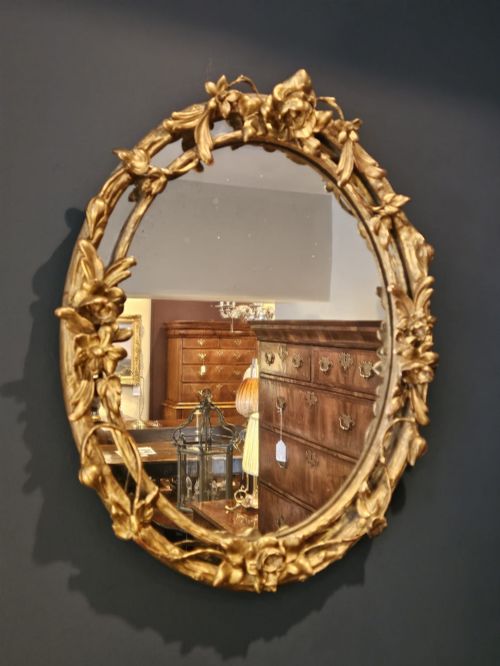
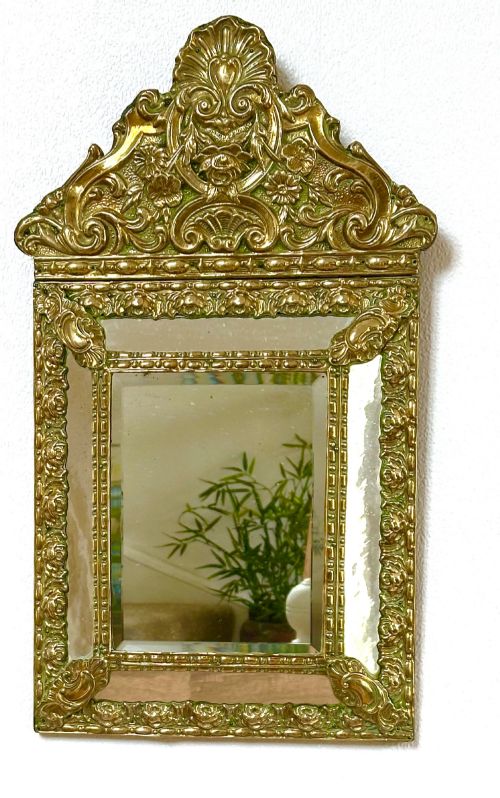
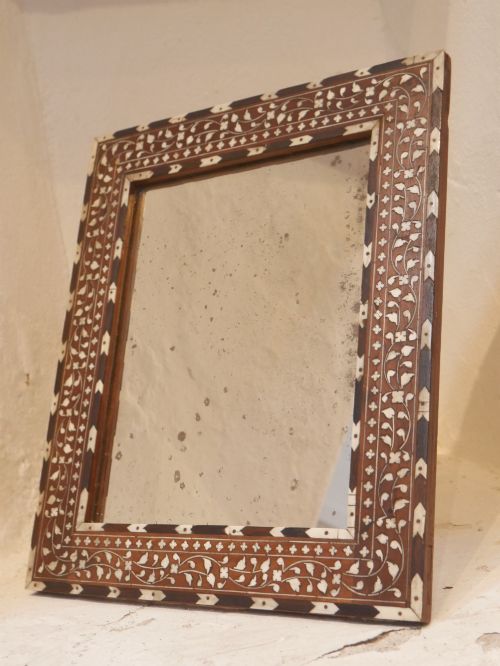
When you search for an antique floral mirror, you encounter pieces defined by botanical motifs carved into wood, cast in gesso, or painted onto frames and glass. These objects range from compact dressing table pieces to large overmantel and wall mirrors designed to command a room.
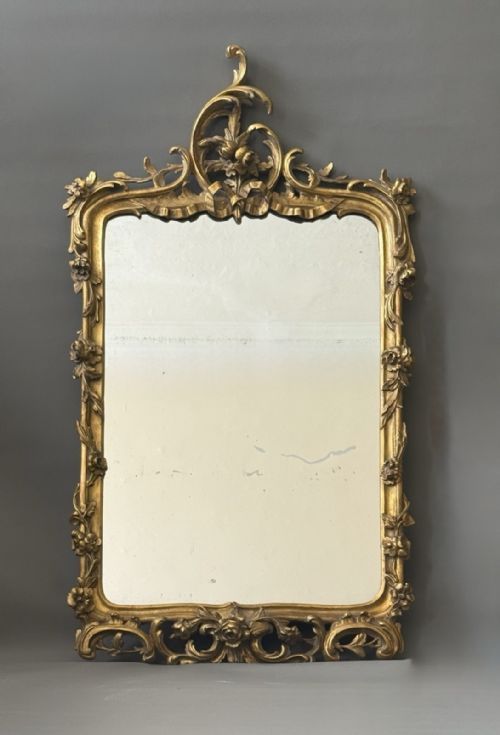
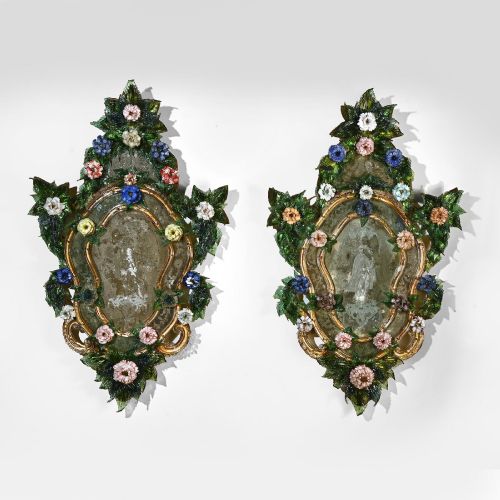
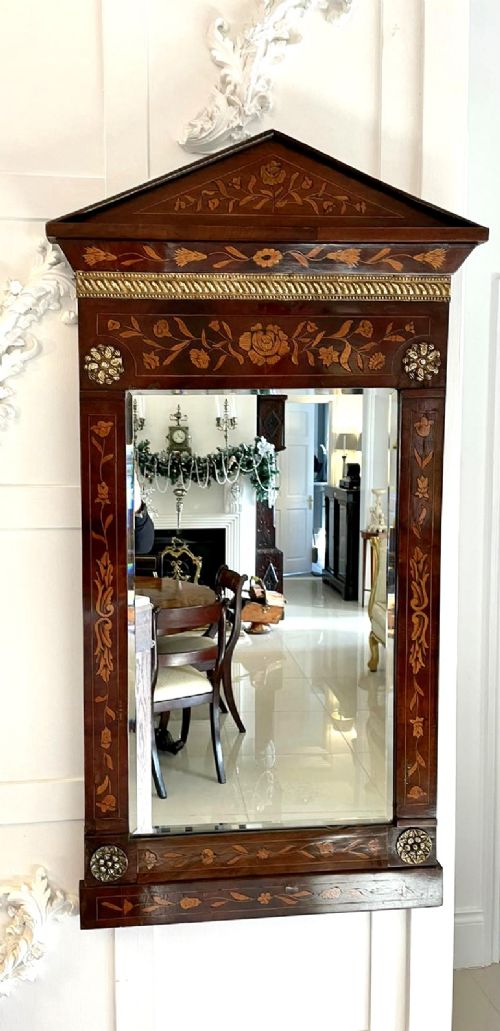
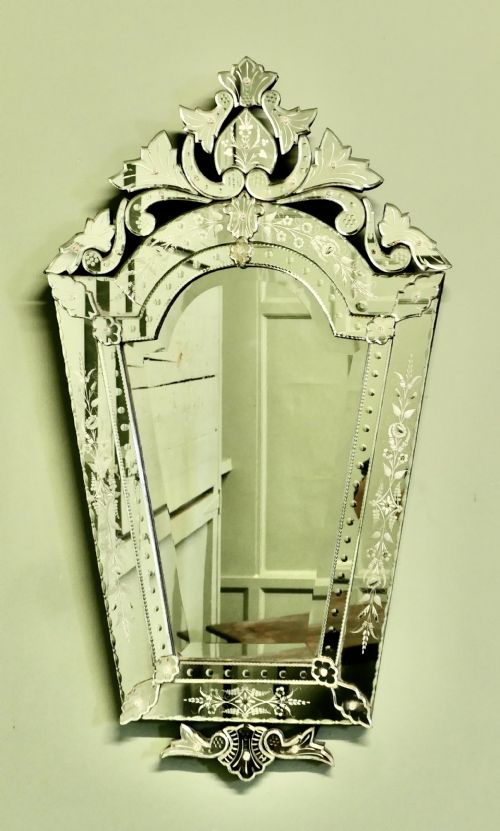
The selections span multiple centuries, with Victorian and nineteenth-century examples appearing frequently alongside eighteenth-century French and Venetian works. Makers utilised diverse regional styles, incorporating Dutch marquetry, Art Nouveau curves, and Rococo crests into the wooden or gilded structures.
Beyond standard wall hangings, the category extends to cheval mirrors, small hand mirrors, and marginal plates adorned with floral decoration. Each form demonstrates how artisans integrated natural themes into domestic interiors across different historical periods.
How they were made
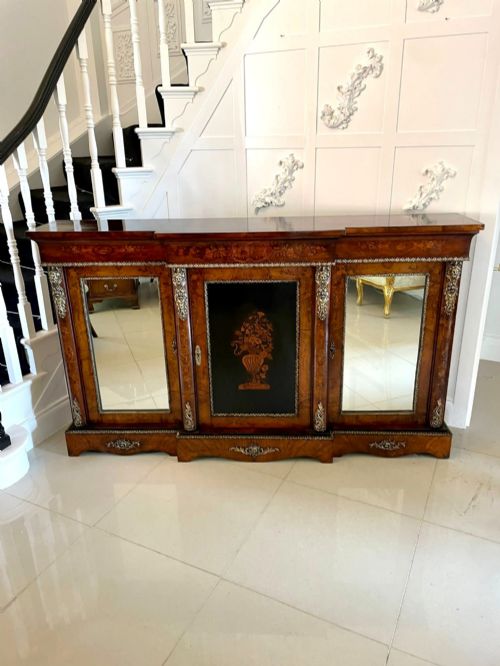
Artisans constructed frames primarily from timber such as mahogany, rosewood, walnut, and burr walnut, often applying veneers or intricate marquetry inlay. Giltwood and gesso surfaces received hand-applied gold leaf to create reflective decorative borders.
Carvers shaped floral garlands, ribbons, and vine motifs directly into the wood or moulded them using gesso applied over a wooden base. Glass plates, including antique mirror glass and Venetian peach glass, were hand-beveled and fitted into the completed frames.
Several pieces incorporate porcelain cherubs amongst their floral surrounds, bringing small ceramic companions to watch over the room.
What varies in quality
The depth and precision of the carving separate ordinary pieces from superior examples, particularly where floral garlands and mythological details are hand-chiselled rather than hastily cast. Crisp relief work in gesso and wood demonstrates the hand of a skilled artisan.
The preservation of the original glass plate and the richness of the gilding or timber grain dictate the overall integrity of the object. Pieces retaining their original antique plate and authentic surface patination hold greater historical cohesion.
The Antique Floral Mirror Glossary
- Giltwood
- Wood that has been coated with gold leaf or gold paint. This technique was widely utilised on frames to achieve a luminous surface finish.
- Gesso
- A plaster-like mixture applied to wood frames to create a smooth surface for carving or gilding. Artisans modelled floral details directly into this material.
- Marquetry
- Decorative veneer work where pieces of wood are fitted together to form geometric or floral patterns. Master cabinetmakers employed this technique on mahogany and walnut foundations.
- Overmantel mirror
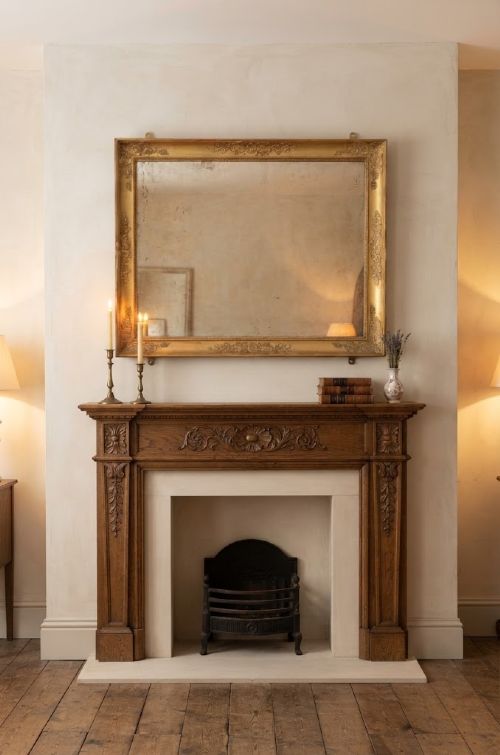
- A large mirror specifically designed to hang above a fireplace mantel. These pieces often feature extended widths and elaborate crests.
- Cheval mirror
- A full-length mirror hung in a frame that allows it to tilt. These freestanding objects commonly appear in nineteenth-century bedroom furnishings.
Antique Floral Mirror: Frequently Asked Questions
How do I date an antique floral mirror?
Dating relies on examining the construction methods of the wooden frame, the composition of the gesso, and the characteristics of the mirror plate itself. Hand-beveled edges and older mirror glass often point to earlier centuries.
Stylistic markers such as Art Nouveau asymmetry or Victorian rose vine carvings further anchor a piece within a specific period. Comparing the joinery and backboards to documented examples helps confirm the era of manufacture.
Where should I hang an overmantel mirror?
An overmantel mirror sits naturally above a fireplace, anchoring the proportions of the chimney breast and reflecting light across the room. Ensure the wall fixings match the substantial weight of the timber and glass.
Beyond the fireplace, these large frames function effectively on main living room walls to create an illusion of space. Keep them away from direct moisture to protect the gilding and wooden frame.
How do I clean an antique mirror plate?
Clean the glass gently using a soft microfibre cloth and a mild, ammonia-free glass cleaner sprayed onto the cloth rather than directly onto the plate. This prevents liquid from seeping behind the glass and damaging the silvering.
Avoid harsh scrubbing around the edges where the original foil or silver backing has deteriorated over time. Regular dusting of the carved wooden or gesso frame with a dry brush preserves the surface finish.
What is the difference between Venetian and French styles?
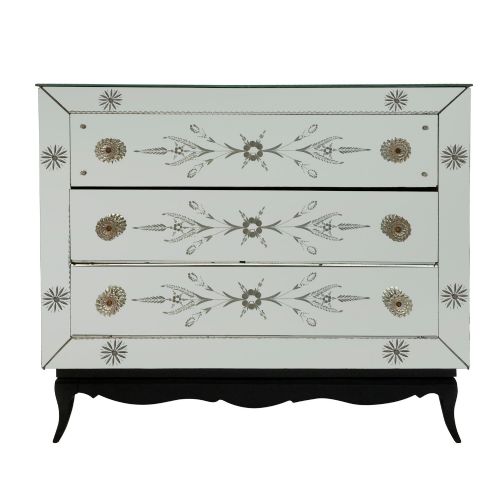
Venetian mirrors frequently feature etched floral glass plates and Murano glass elements, often with mirrored frames that reflect light from multiple angles. The emphasis rests heavily on the glasswork itself rather than a heavy wooden structure.
French pieces, particularly those from the Rococo or Chateau traditions, showcase elaborate carved wooden or gilded frames with prominent floral crests, ribbons, and asymmetry. The frame acts as the primary sculptural showcase for botanical motifs.