
Antique Floral Jug
An antique floral jug brings hand-painted botanical charm and historic craftsmanship directly to the table or washstand.
Antique Floral Jug
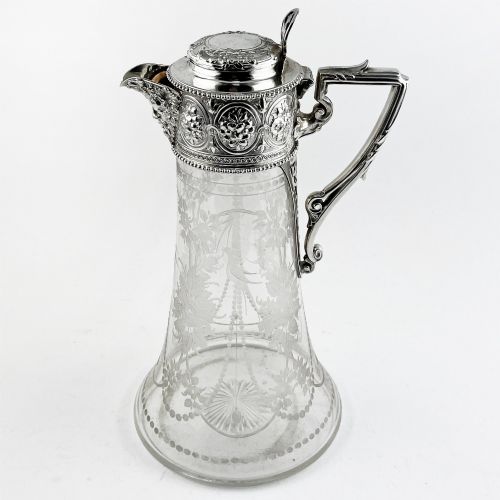
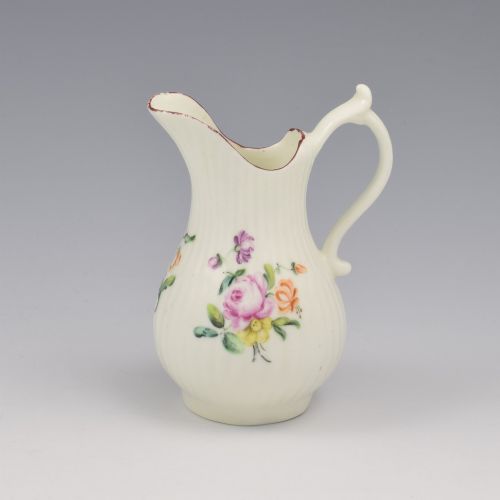
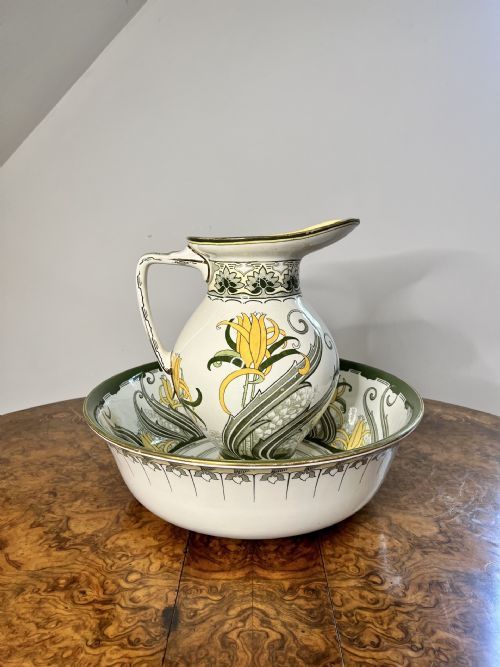
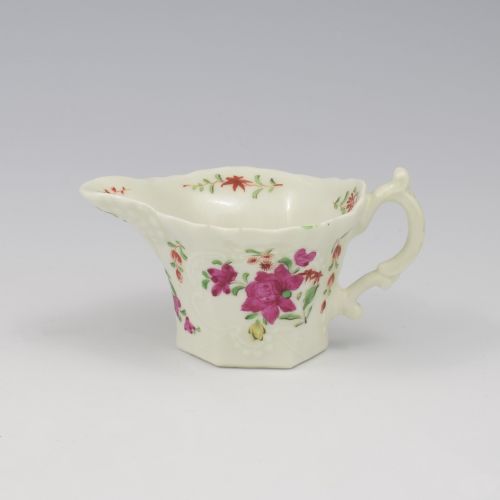
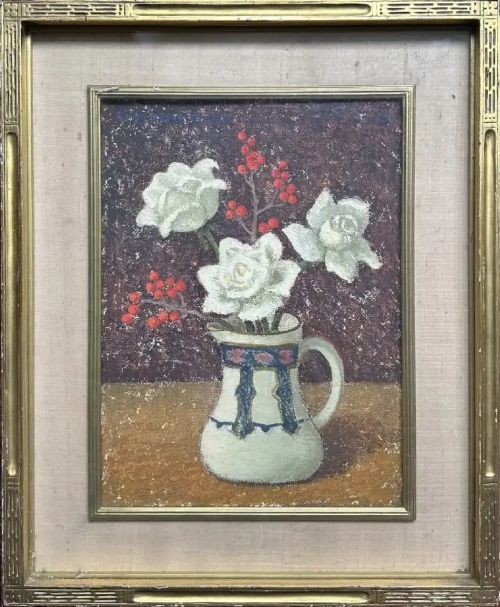
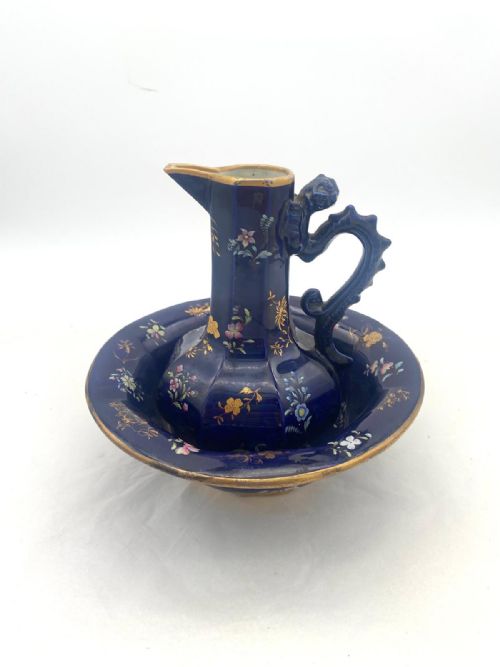
An antique floral jug encompasses everything from delicate porcelain creamers and earthenware pitchers to copper ewers and sterling silver claret vessels decorated with botanical motifs. When exploring this category, buyers encounter domestic table wares and washstand sets spanning the Georgian, Victorian, and Edwardian eras.
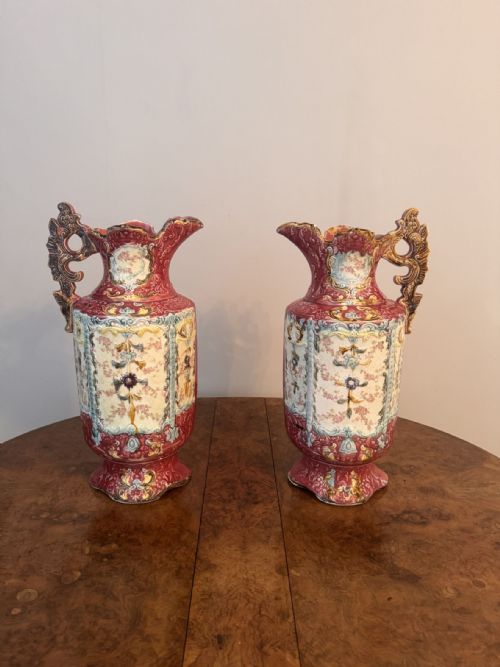
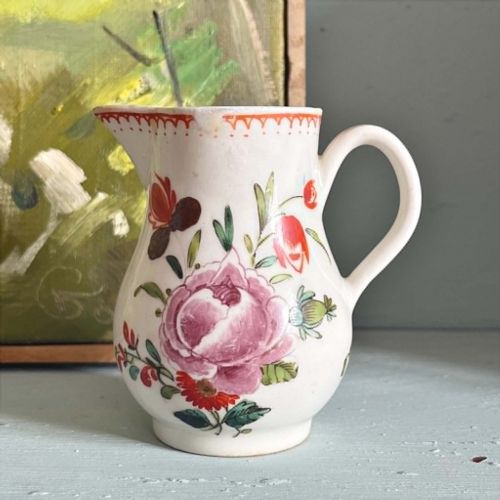
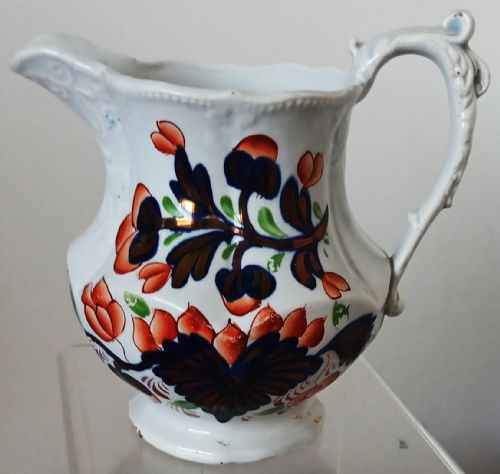
The pieces appearing most frequently range from Staffordshire pottery and Gaudy Welsh earthenware decorated with colourful patterns to fine porcelain creations originating from historic factories. Forms vary from small sparrowbeak creamers and milk jugs to large wash set ewers and graduated decorative pitchers.
Makers and potteries from England and continental Europe shaped much of this tradition, utilising local clay bodies, tin glazes, and metalworking techniques. Buyers select these vessels for display, table service, or practical use within period bathroom settings.
How they were made
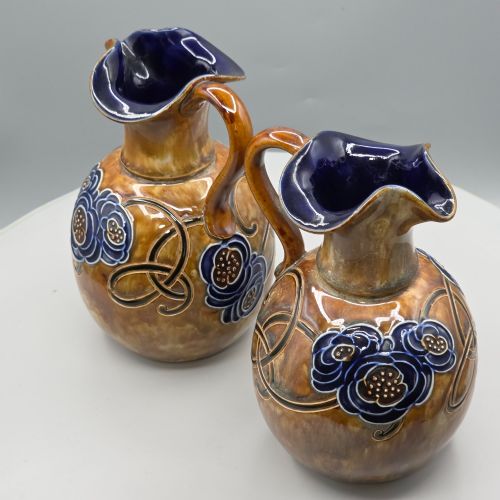
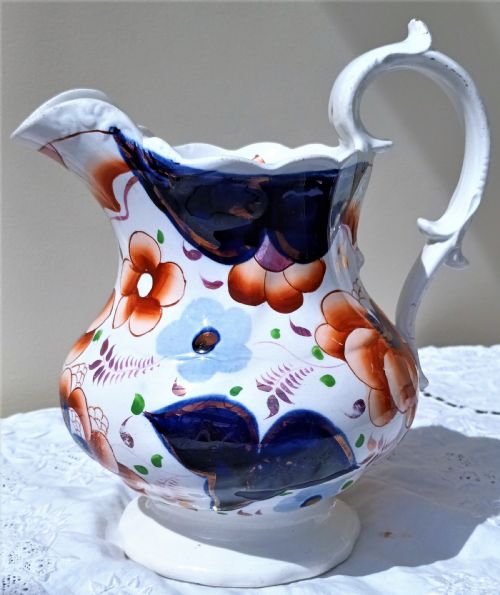
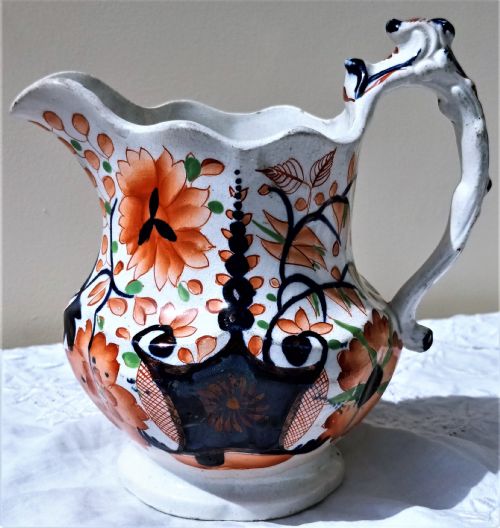
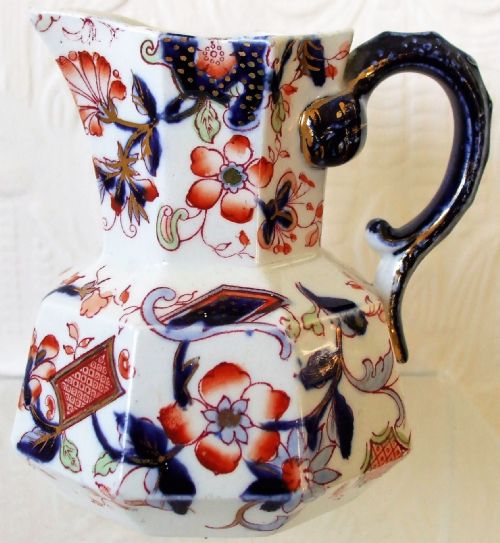
Potters shaped these vessels using earthenware, porcelain, and stoneware bodies, applying hand-painted polychrome enamels, transfer printing, or tin glazes before firing in kilns. Many pieces incorporate gold leaf highlights or copper lustre finishes to accentuate the botanical relief and painted flower designs.
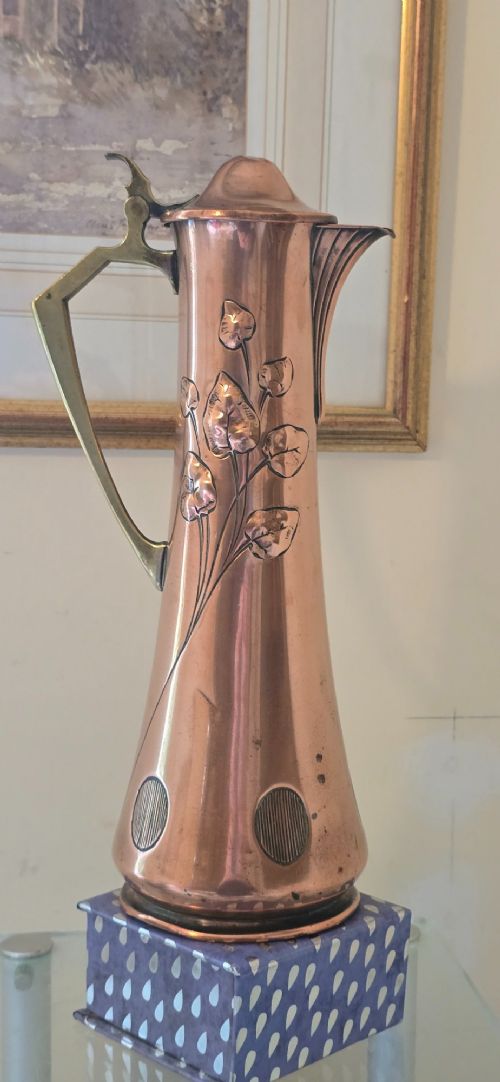
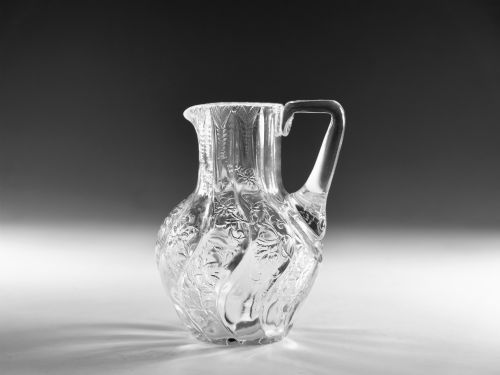
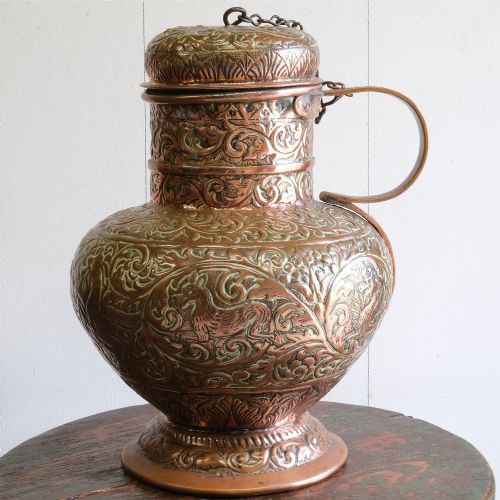
Metal versions utilise copper, brass, and silverplate, often shaped through hammering, casting, or repoussé techniques to create floral relief surfaces. Glass examples combine cut crystal bodies with silver-plated mounts or gilt decoration for serving wine and claret.
Several Victorian pottery jugs wear bright Gaudy Welsh patterns proudly named after Welsh towns.
What varies in quality
The standard of an antique floral jug rests upon the crispness of the moulded relief work and the precision of the hand-painted or transfer-printed floral details. Superior examples exhibit balanced proportions, well-defined spouts, and securely attached handles that reflect the skill of the potter or metalworker.
Makers' marks and factory provenance elevate certain pieces, particularly those bearing recognised factory stamps from porcelain works and metal workshops. Preservation of original gilding, enamel colours, and clear glaze surfaces further distinguishes finer specimens from standard domestic ware.
Royal Doulton·Stevens and Williams·Royal Worcester·Joseph Sankey·Doulton Burslem
The Antique Floral Jug Glossary
- Ewer
- A large jug with a wide spout and looped handle, historically used for water or wine.
- Creamer
- A small vessel designed for holding milk or cream, often accompanying a tea service.
- Claret jug
- A serving pitcher specifically made for wine, combining glass or ceramic bodies with metal mounts.
- Gaudy Welsh
- A type of colourful pottery featuring vibrant hand-painted floral patterns, popular during the nineteenth century.
- Sparrowbeak
- A small eighteenth-century cream jug featuring a distinctive narrow, protruding spout.
Antique Floral Jug: Frequently Asked Questions
How were antique floral jugs used originally?
These vessels served practical daily functions in the home, ranging from pouring cream at the tea table to serving wine at dinner.
Larger examples formed part of washstand sets, supplying water for morning ablutions in bedrooms before modern plumbing became common.
Can I use an antique jug for serving food today?
Many ceramic and porcelain pitchers remain suitable for holding liquids or displaying fresh flowers on the table.
Silver-plated and copper versions require gentle hand washing to preserve their metallic finishes and interior linings.
How do I identify the period of a floral jug?
Makers' marks, backstamps, and factory ciphers stamped on the base offer the most reliable guide to manufacturing dates.
Stylistic cues such as the flowing organic lines of Art Nouveau or the robust geometric forms of the Victorian era also indicate the period.
What is the difference between earthenware and porcelain jugs?
Earthenware utilises porous clay fired at lower temperatures, resulting in heavier walls covered with opaque tin or lead glazes.
Porcelain employs refined white clay fired at high heat, producing a vitrified, translucent body often decorated with fine enamel painting.