




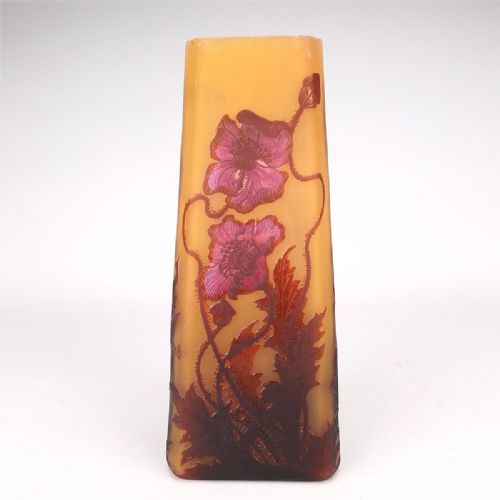


Antique Floral Glass Vessel
An antique floral glass vessel brings delicate botanical colour to a room, capturing blooms in cameo glass and enamel across Victorian and Art Nouveau periods.
Antique Floral Glass Vessel
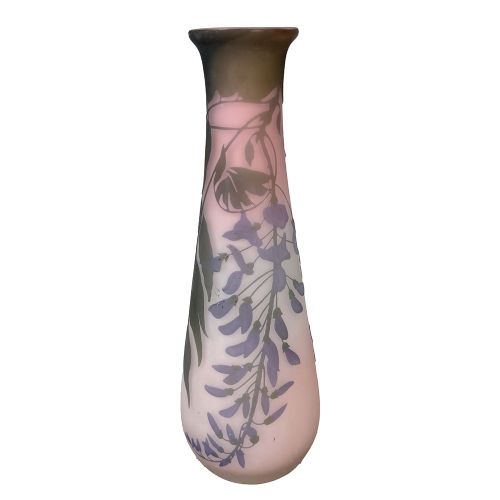
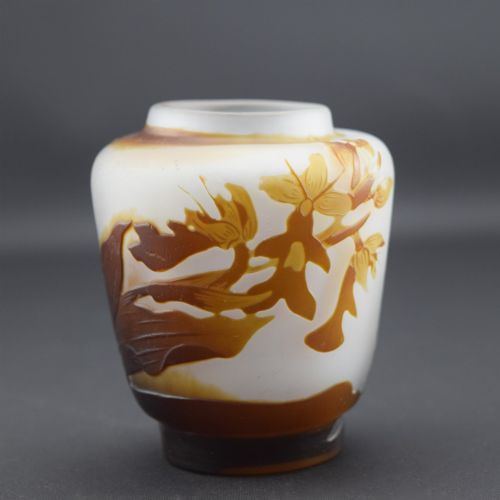
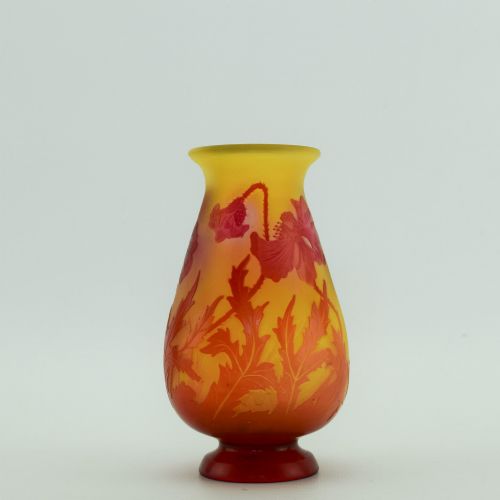
When you search for an antique floral glass vessel, you encounter vases, decanters and decorative bowls shaped by Victorian and 20th-century makers. These pieces range from tall handled cylinders to bulbous table vessels, often decorated with native plant motifs.
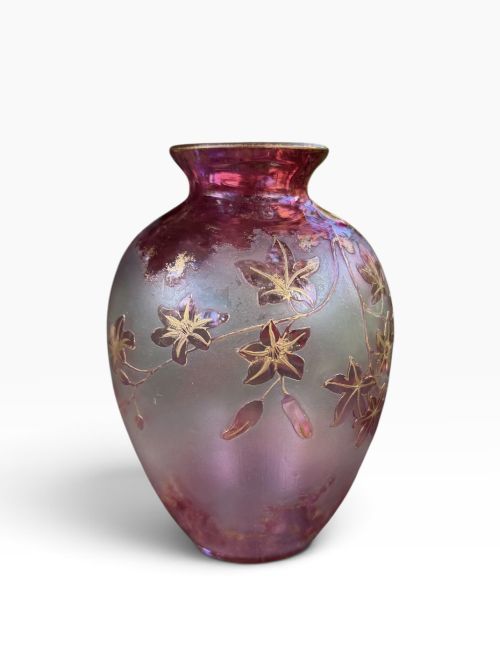
The Art Nouveau examples dominate the selection, bringing curving stems and naturalistic flowers such as wisteria, poppies, clematis and iris into three dimensions. You also find Victorian interpretations utilising enamel paint, gilding and etched foliage.
Many items originate from French and Bohemian workshops, reflecting distinct regional methods of handling coloured glass bodies and surface overlays. The forms serve as ornamental centerpieces or functional containers for single stems.
Materials and methods of production
Craftsmen built these vessels using layered cameo glass, opaline glass, or crystal, often combining multiple coloured batches in the molten state. Acid-etching and wheel-engraving then cut back the outer layers to reveal contrasting floral designs beneath.
Surface details relied heavily on polychromatic enamel, gold leaf, and paste gilding applied by hand over the glass body. Some works added pewter or metal overlays to frame the botanical scenes.
Antique Floral Glass Vessel Retail Price Guide 2026
Typical asking prices for floral glass vessel among the pieces listed under this phrase on Sellingantiques today, from the lower quarter to the upper quarter. They describe what is for sale here now, not the wider market.
Materials documented across the pieces include cameo glass, uranium glass, porcelain, gold leaf, and acid-etched glass.
Assessing craftsmanship and execution
Quality rests upon the depth and precision of the cameo carving, where sharper definition in the petals and leaves distinguishes master glassworks from simpler production pieces. The balance of colour gradients within the glass body dictates the visual impact of the floral motif.
The fineness of hand-painted enamel and the preservation of original gilding significantly influence the distinction of a vessel. Superior examples display seamless integration between the natural form of the glass and the botanical subject matter.
Galle·Daum Freres·Baccarat·Moser·Karl Palda
The Antique Floral Glass Vessel Glossary
- Cameo Glass
- A vessel formed of two or more distinct layers of coloured glass fused together, where the outer layer is carved away to leave a raised design. This technique requires exceptional control by the glassblower and cutter.
- Acid-Etched Glass
- Glass exposed to acid baths to eat away unprotected areas, creating textured or lowered patterns. Makers utilised resist materials to map out floral designs before immersion.
- Enamel
- Opaque glass paints fused to the surface of a vessel through firing, adding rich colour to petals and leaves. It allows for detailed miniature painting directly on the glass body.
- Plique-a-jour
- An enamelling technique resembling cloisonné but without a backing, allowing light to shine through the translucent enamel cells. It creates a stained-glass effect often seen in decorative metal and glass mounts.
- Opaline Glass
- An opaque or translucent pale glass popular in the 18th and 19th centuries, providing a solid background for hand-painted floral decoration.
Antique Floral Glass Vessel: Frequently Asked Questions
Were these vessels used for flowers?
Many were designed specifically as vases to hold cut stems, utilising wide bodies or narrow necks to support arrangements. Other forms, such as decanters and decorative bowls, served functional roles on dining tables and cabinets.
Owners often displayed them purely as ornamental objects to showcase the craftsmanship of the glasshouse.
How do I tell Victorian pieces from Art Nouveau ones?
Victorian vessels frequently feature symmetrical etched foliage, opaque glass, and heavy gilding in structured revival styles. They lean towards formal decorative patterns and classical shapes.
Art Nouveau pieces embrace asymmetrical floral forms inspired by nature, featuring flowing stems, insect motifs, and multi-layered cameo glass with organic colour gradients.
What is double overlay glass?
Double overlay glass incorporates two separate outer layers of coloured glass fused over a contrasting body. This allows the artisan to carve through multiple strata to achieve complex shading in floral designs.
The resulting depth makes flowers appear lifelike against the background.