
Antique Floral China Set
An antique floral china set brings hand-painted botanical artistry and centuries of dining heritage straight to the modern table.

Antique Floral China Set
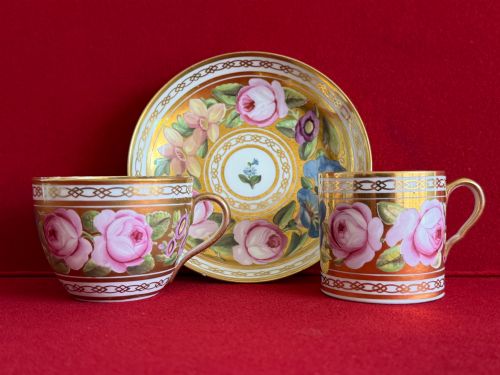
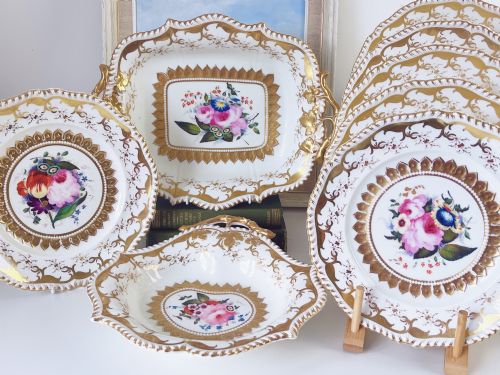
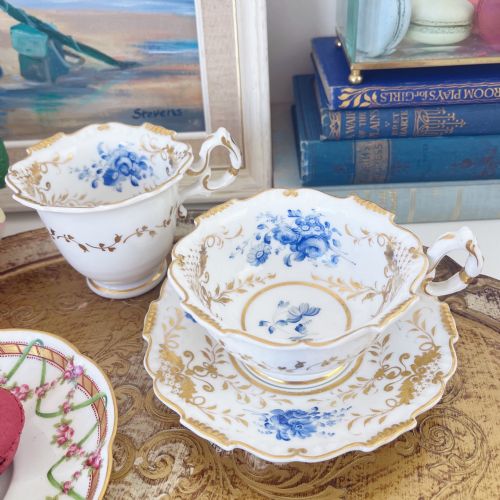
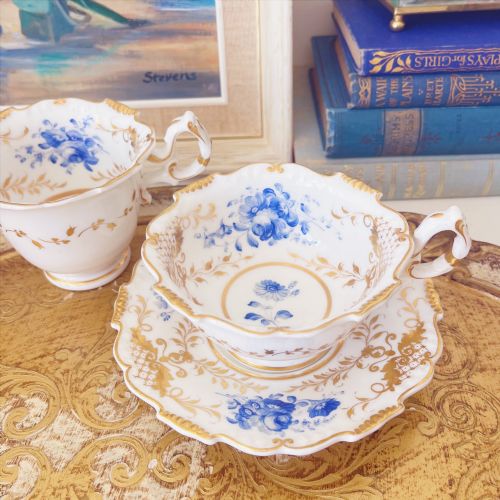
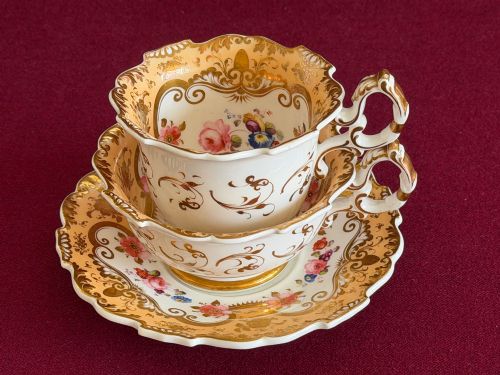
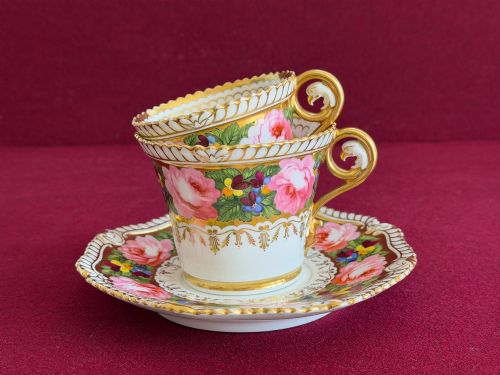
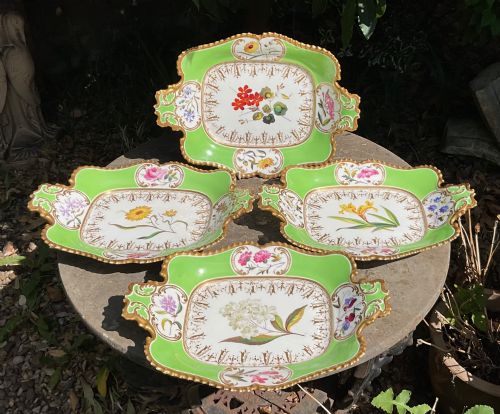
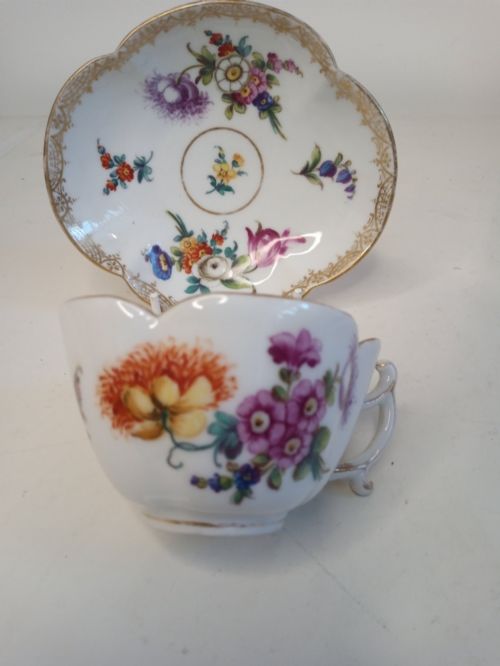
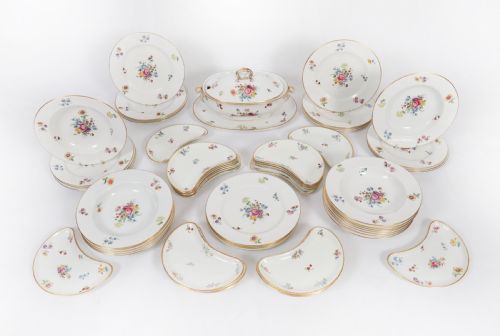
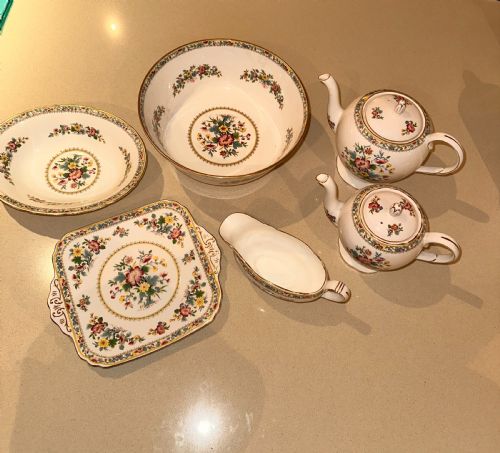
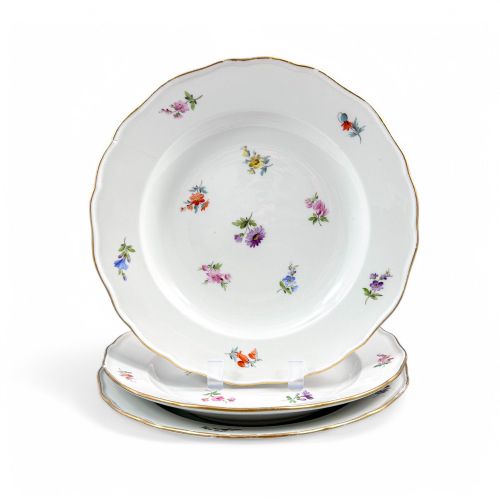
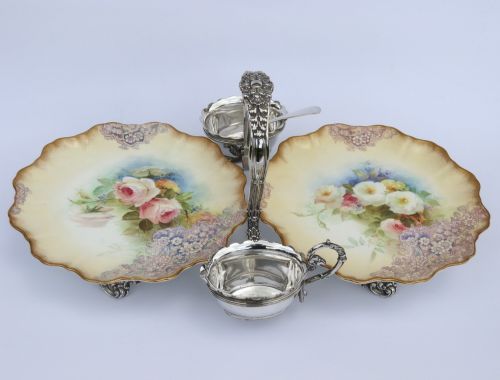
An antique floral china set encompasses matched groupings of teacups, saucers, plates, and full dinner or dessert services decorated with botanical motifs. These collections span from the Georgian and Regency periods through the Victorian era and into the early twentieth century.
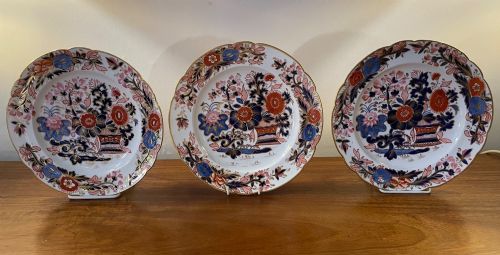
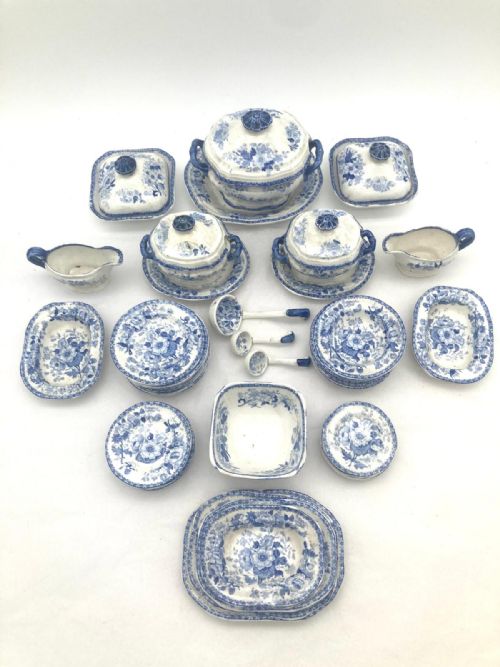
Buyers will most frequently encounter nineteenth-century English porcelain and ironstone services featuring hand-painted or transfer-printed floral patterns. Forms range from intimate trio sets to extensive sixty-piece dining services originating from notable English and European potteries.
Materials and production methods
Potters utilised soft paste porcelain, bone china, earthenware, and ironstone as the ceramic base for these decorated services. Skilled artisans then applied vibrant enamel colours, delicate gold leaf gilding, and underglaze blue transfers to achieve the desired botanical design.
Many items underwent multiple kiln firings to set the intricate hand-painted floral details and protective glaze layers permanently into the ceramic body.
A tiny child's service from the eighteen-twenties proves that even historical infants required proper floral teaware.
Distinctions in quality
The standard of an antique floral china set relies heavily on the precision and artistry of the hand-painting rather than simple mass production. Superior sets display crisp brushwork, vibrant enamel retention, and finely potted ceramic bodies without distortion.
The completeness and preservation of larger services also dictate standing, as matched groupings surviving intact across centuries command greater appreciation from collectors.
Grainger Lee And Co·H And R Daniel·Chamberlains Worcester·Newhall Porcelain·Minton·Spode·Meissen·Doulton Burslem·Wedgwood·Coalport·Masons Ironstone·Sevres·Chantilly·Royal Albert Crown China·Ridgway·Worcester·Kerr And Binns
The Antique Floral China Set Glossary
- Bone china
- A type of porcelain incorporating bone ash for enhanced strength and a characteristic milky translucency.
- Trio
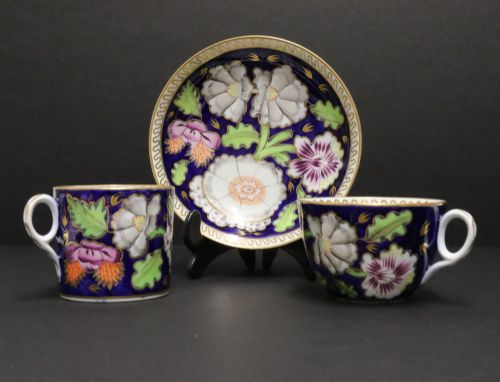
- A matched grouping consisting of a teacup, coffee cup, and matching saucer used in nineteenth-century dining.
- Ironstone
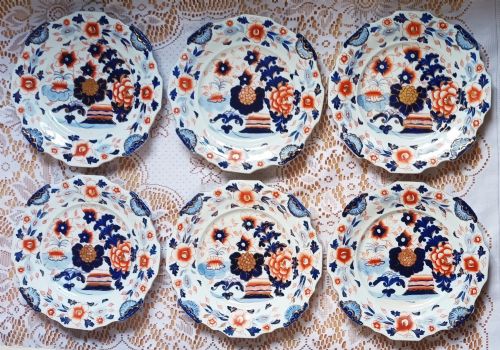
- A heavy, durable earthenware developed in the nineteenth century as a robust alternative to porcelain.
- Imari palette
- A decorative style utilising rich underglaze blue, iron red, and gold leaf inspired by Japanese export wares.
- Transfer printing
- A mechanical method of applying a printed design from a copper plate onto ceramic surfaces via tissue paper.
Antique Floral China Set: Frequently Asked Questions
How do I care for antique floral china?
Wash these delicate ceramic pieces exclusively by hand in warm water using mild soap, avoiding dishwashers entirely.
Store plates with felt dividers between them to protect the hand-painted enamel and gold leaf borders from scratching.
Can I use an antique floral china set daily?
While these sets were originally created for functional dining, centuries of wear make hand-washing essential if used today.
Many collectors reserve larger services for special occasions to preserve the fragile glazes and historical integrity.
How are different periods of china identified?
Pottery marks stamped or painted on the underside of the ceramic base offer the most reliable guide to manufacturing dates.
Stylistic shifts, such as the heavy gilding of the Victorian era versus the neoclassical restraint of Regency pieces, also indicate age.
What is the difference between porcelain and ironstone?
Porcelain provides a thin, translucent body with a refined glassy feel often found in high-end dessert and tea services.
Ironstone is a thicker, heavier earthenware designed for robust daily dinner services while still accepting detailed floral decoration.