


Antique Floor Stands
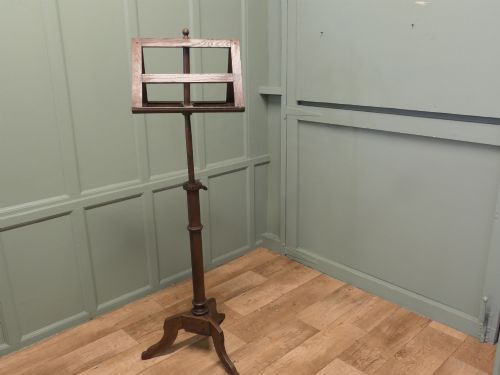
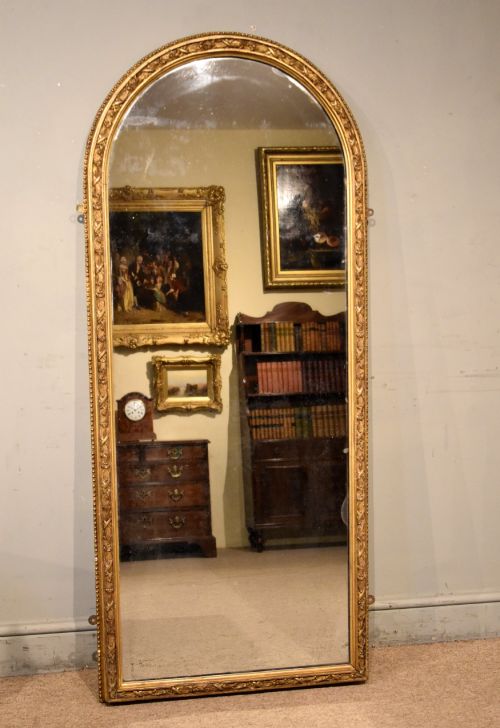
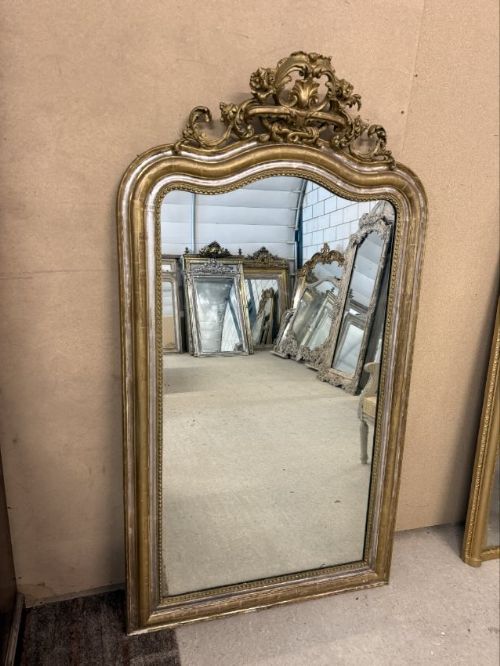
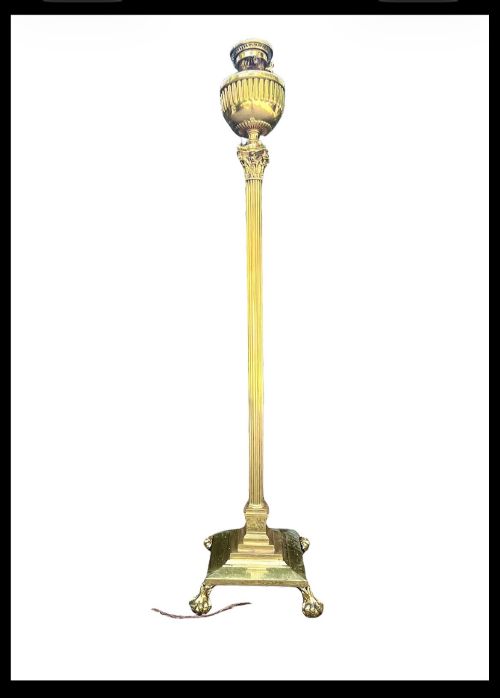
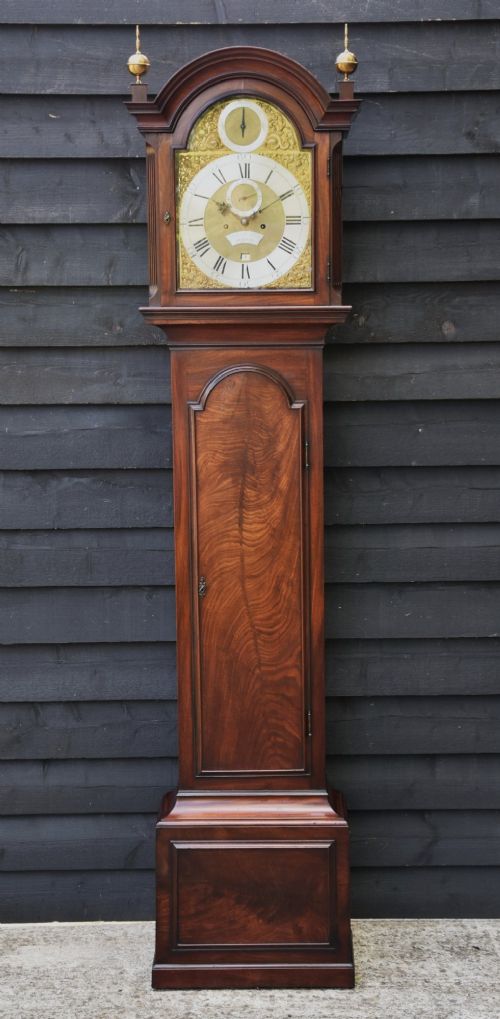
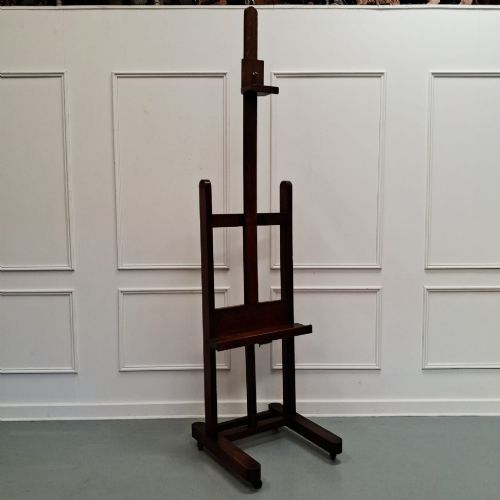
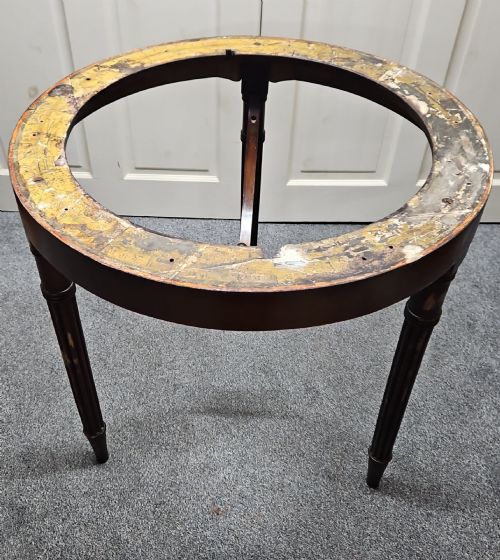
These antique floor stands encompass everything from tall timepieces to pivoting dressing mirrors and heavy lighting columns designed to anchor a room.
Antique Floor Stands
The domestic role of these pieces evolved across the centuries, shifting from timekeeping and personal grooming to adjustable lighting and decorative display. Longcase clocks and cheval mirrors dominate the earlier periods, while standard lamps and specialised smoking stands emerge more frequently around the turn of the twentieth century.
Materials and Technique
Makers relied heavily on dense hardwoods like oak, mahogany, and walnut to construct the primary vertical structures, employing traditional joinery to ensure stability over height. Inlays, carved details, and brass fittings were added to elevate the visual weight of these substantial items.
Metalworking techniques defined the lighting and accessory stands, utilising forged iron, spun brass, and copper to create adjustable arms and sturdy weighted bases. Glass and porcelain also appear as primary components in mirror plates and decorative lamp bodies.
Antique Floor Stands Retail Price Guide 2026
Typical asking prices for floor stands among the pieces listed under this phrase on Sellingantiques today, from the lower quarter to the upper quarter. They describe what is for sale here now, not the wider market.
Materials range from walnut and oak to alabaster, copper, and Venetian carved wood.
Judging the Standard
The distinction between ordinary and exceptional examples rests upon the crispness of the carving, the integrity of the timber, and the sophistication of the mechanism or mirror plate. Pieces bearing maker signatures or originating from prominent workshops demonstrate a higher tier of craftsmanship in their concealed joints and balanced proportions.
Wear and alterations dictate the standing of a piece within its category. Original mercury glass in mirrors, intact movement parts in clocks, and unaltered metal fittings on floor lamps distinguish superior specimens from those compromised by later replacements.
Walker of Nantwich·Edward White Birmingham·Charles Shuckburgh·Hendrie Ogg·Gordon of Aberdeen·Lee of Great Marlow·Heals
The Antique Floor Stands Glossary
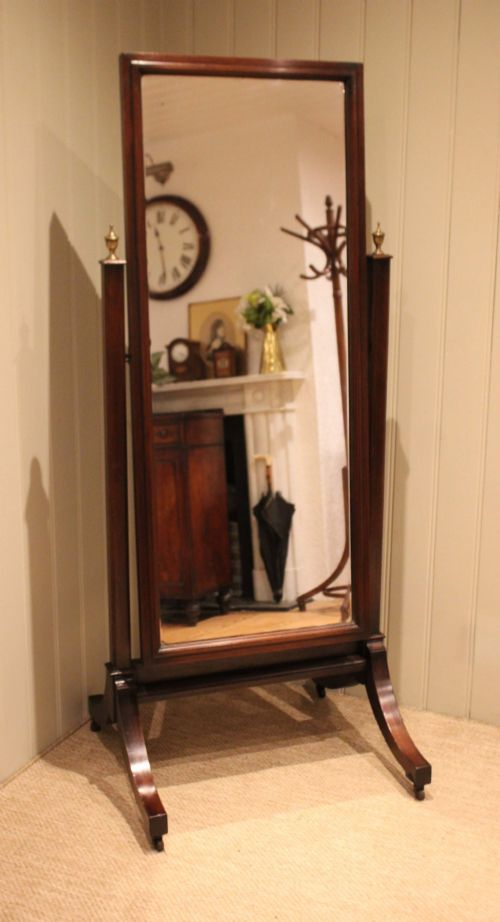
- Cheval mirror
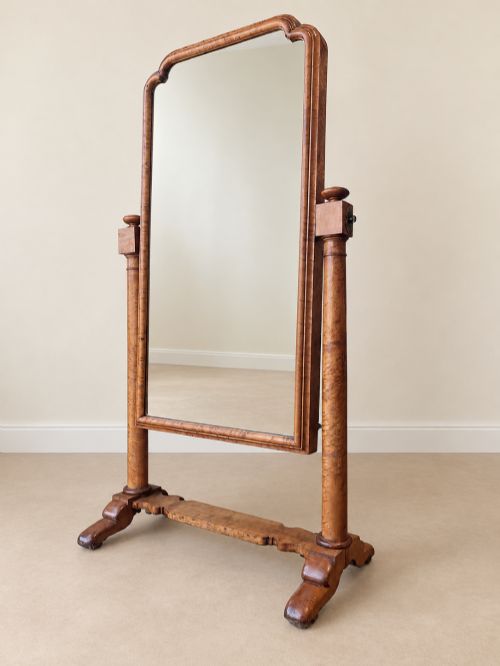
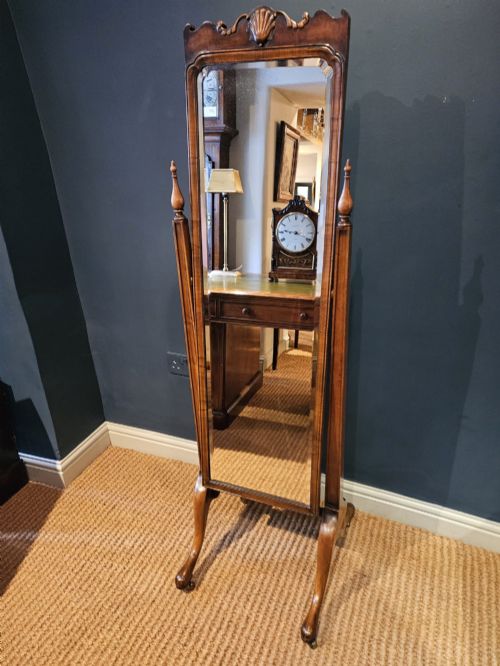
- A freestanding full-length dressing mirror suspended on a pivoting frame between two vertical pillars. This form allows the glass to tilt for different angles.
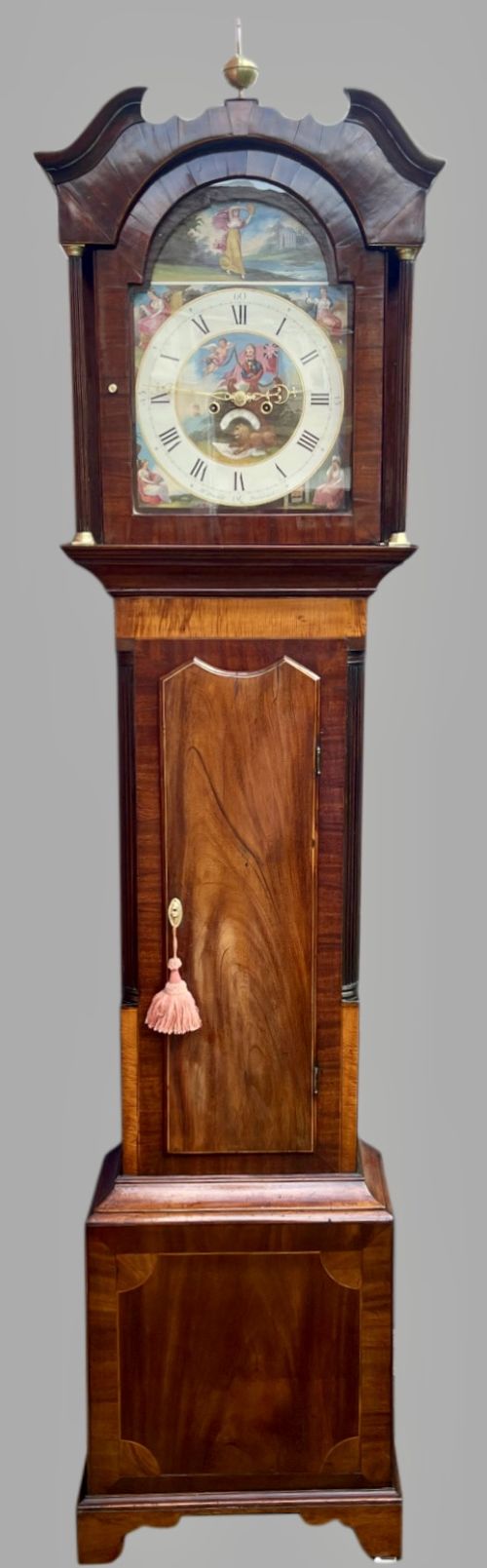
- Longcase clock
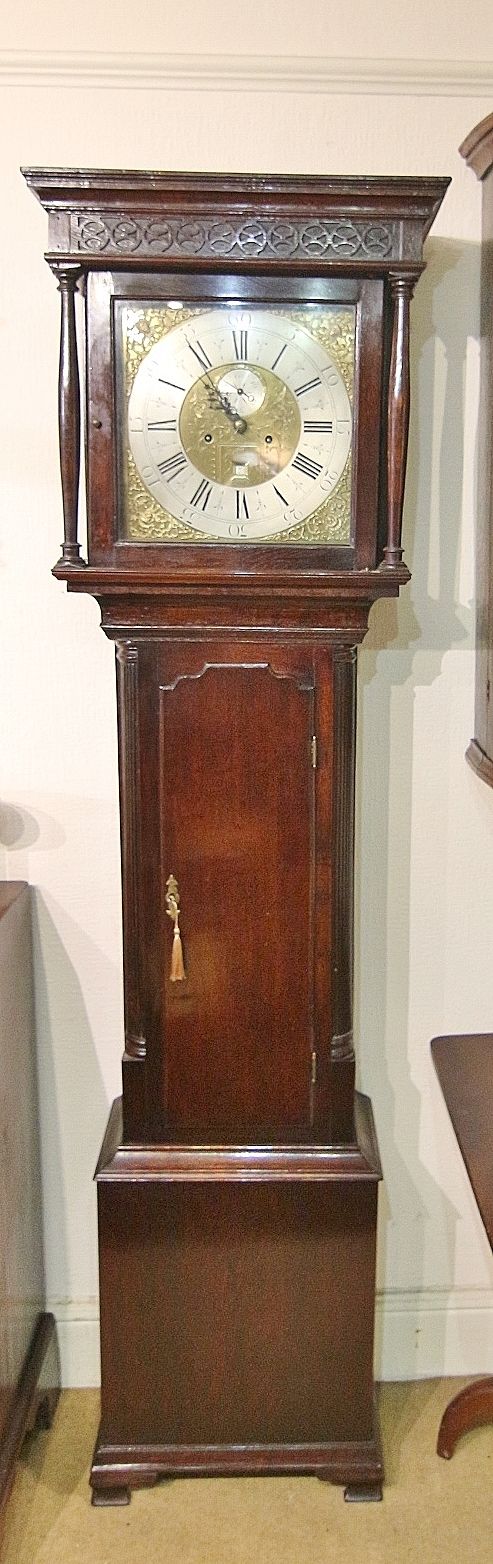
- A tall pendulum clock housed inside a wooden case that rests directly on the floor. These timepieces are often referred to as grandfather clocks.
- Standard lamp
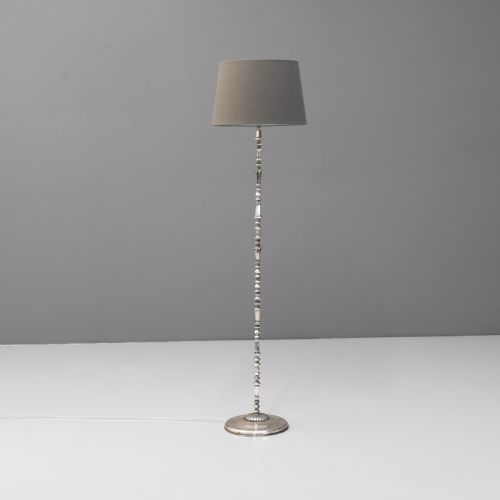
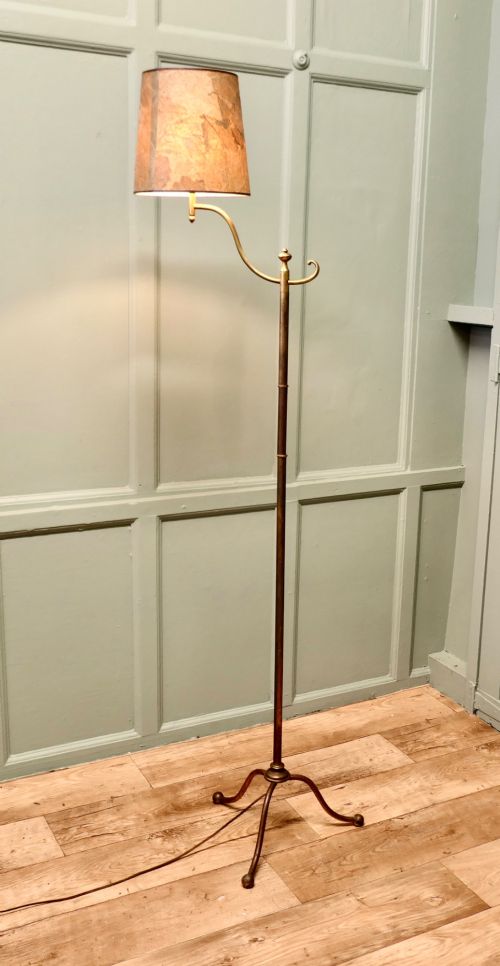
- A tall floor-standing lamp designed to support a shade and provide ambient room lighting. Early versions frequently incorporate adjustable metal arms or wooden columns.
- Dinner gong
- A metal disc or tube struck with a mallet, suspended from a decorative wooden or metal floor stand. These were used in large houses to announce meals.
- Paterae
- Small circular decorative reliefs carved or applied in neoclassical furniture design. They often punctuate the corners of clock hoods and mirror frames.
Antique Floor Stands: Frequently Asked Questions
What rooms suit an antique floor stand?
Substantial pieces like longcase clocks and cheval mirrors require adequate ceiling height and wall space to sit comfortably without dominating a domestic interior. Hallways, landings, and spacious living rooms provide the ideal structural proportions for vertical furniture.
Smaller stands, such as smoking stands or adjustable lamps, fit easily beside armchairs or in reading corners. Their portability allows them to integrate into functional daily spaces rather than remaining purely decorative.
How do I care for timber floor stands?
Maintaining antique wood involves keeping pieces away from direct heat sources and sudden humidity shifts that cause timber to split or warp. Regular dusting with a soft, dry cloth preserves the finish without requiring heavy polishes.
Period waxes applied sparingly once or twice a year help nourish older mahogany and oak surfaces. Avoid synthetic sprays that build up a residue over time.
How do I date a longcase clock?
Dating a tall clock relies on examining the dial style, the proportions of the wooden case, and the movement construction. Earlier eighteenth-century examples often feature square brass dials and simpler oak or walnut cases, while later nineteenth-century versions show painted arched dials and rich mahogany veneers.
Signatures on the dial or movement backplate often lead directly to recorded makers. Cross-referencing these names with regional trade directories narrows the decade of production.
Are floor lamps safely wired?
Many older floor lamps have been rewired at various points in their history to meet modern electrical standards. Examining the internal cord and plug confirms whether updating is necessary for safe domestic use.
Specialist electricians can easily replace vintage silk-wrapped flex with modern insulated wiring while preserving original brass lampholders and switches.