


Antique Floor Mat
An antique floor mat gathers hand-woven wool, silk highlights and tribal geometry beneath your feet to anchor a room with enduring historical character.
Antique Floor Mat
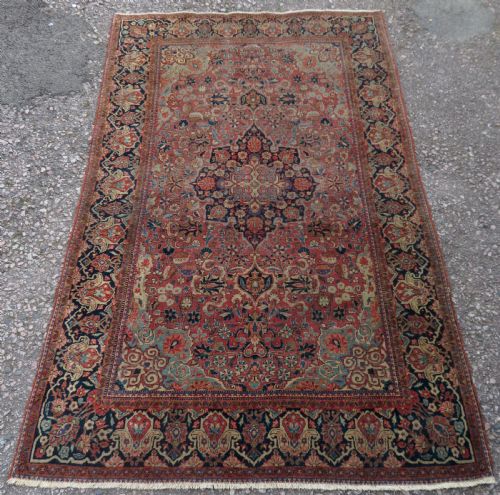
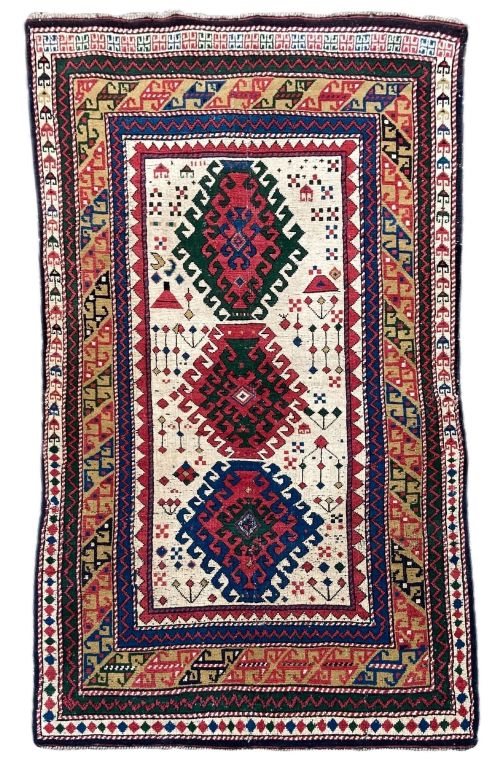
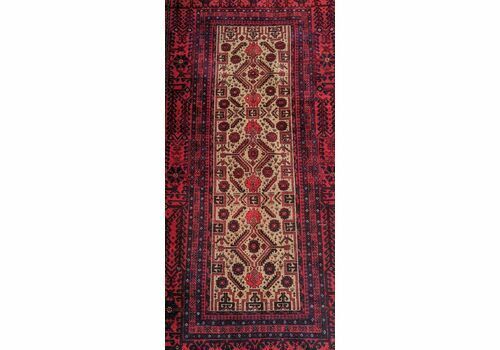
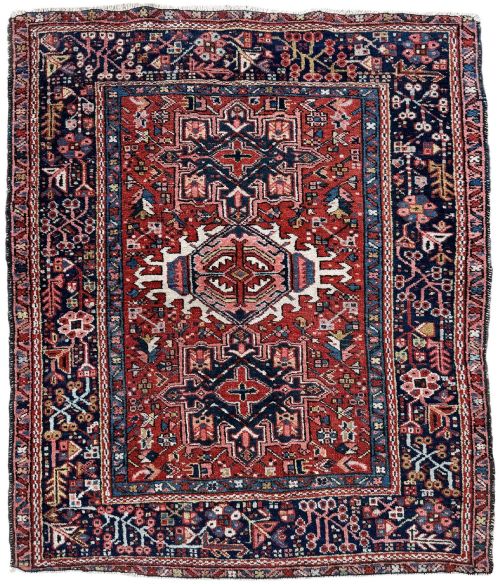
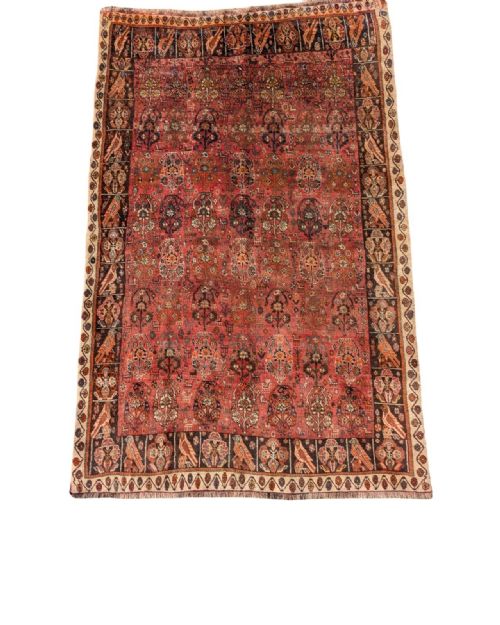
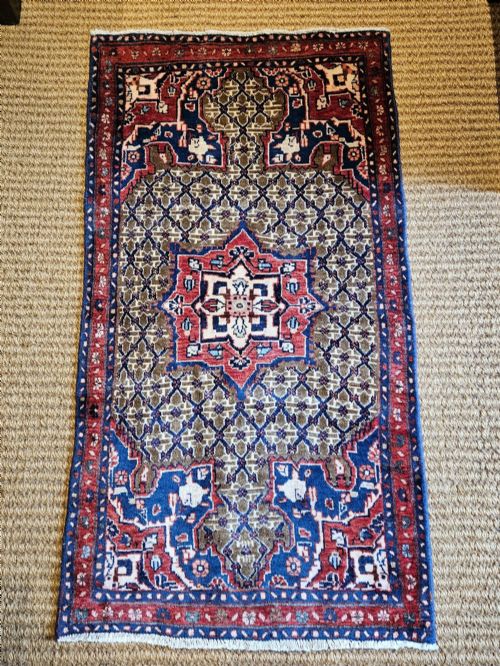
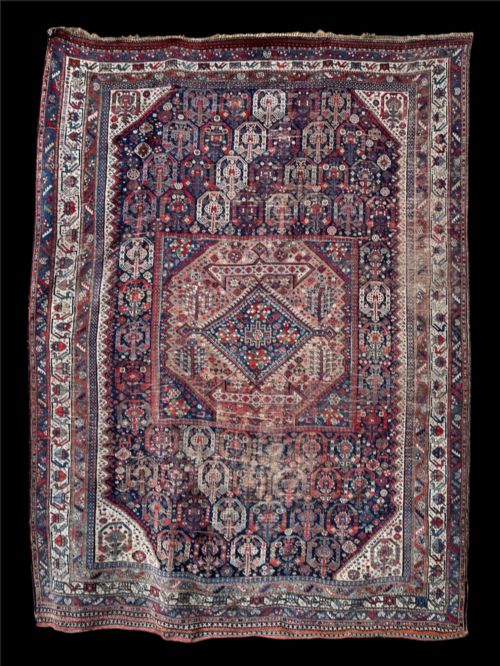
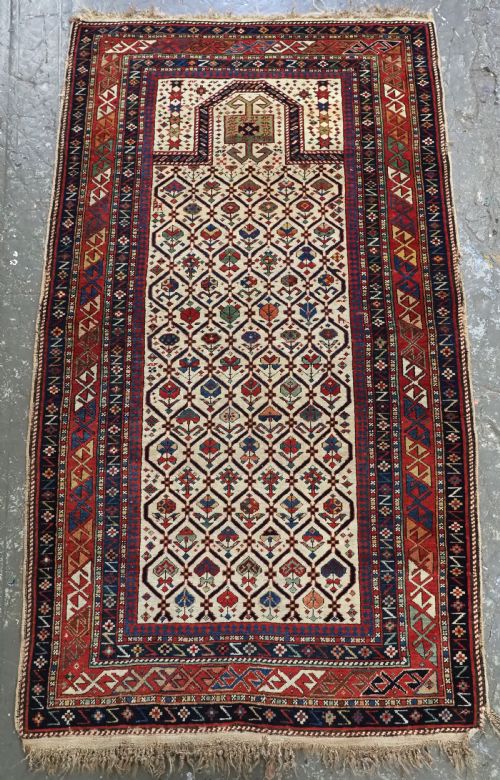
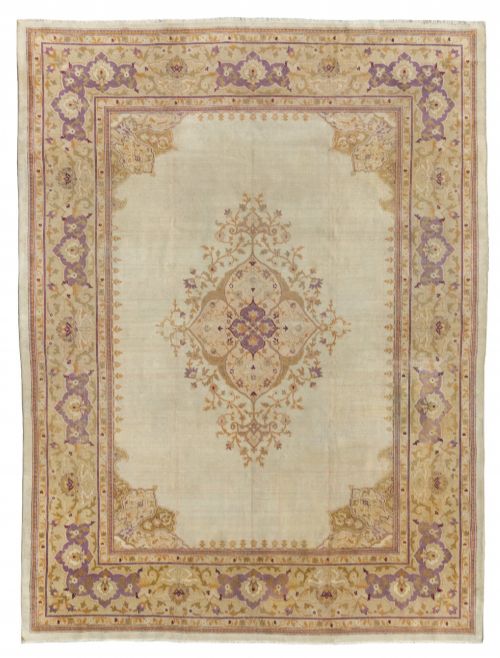
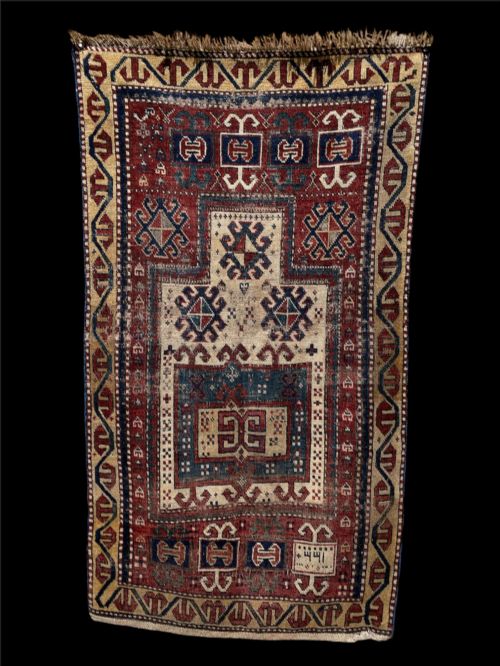
When you search for an antique floor mat, you encounter hand-knotted carpets, tribal rugs, prayer rugs and hallway runners woven across Persia, the Caucasus, Anatolia and Central Asia. These textiles served traditionally as ground coverings, tent furnishings or hearth mats in village, nomadic and urban workshops.
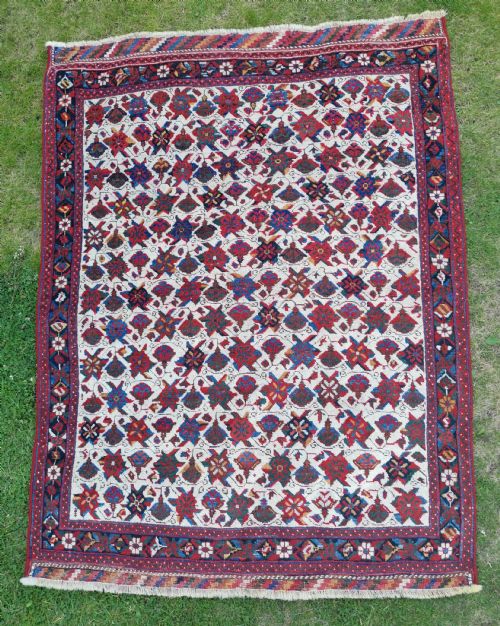
The selections span from the nineteenth century into the early twentieth century, featuring pieces made by tribal confederacies and village weavers alongside formal city carpets. You frequently meet regional variations such as Kazak, Heriz, Afshar and Baluch pieces, capturing distinct cultural motifs in wool and cotton.
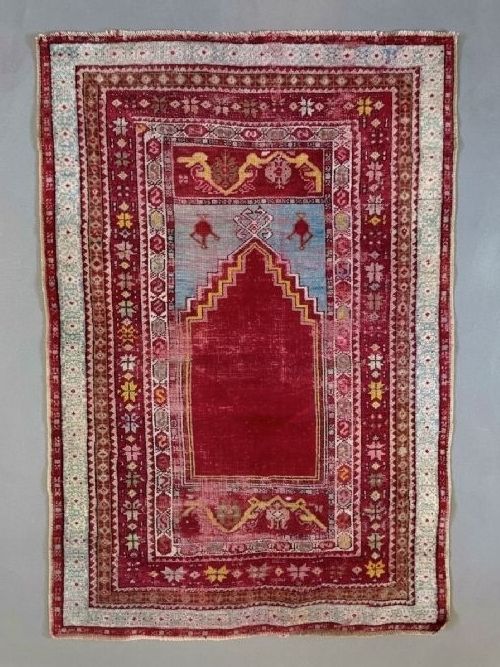
Makers utilised traditional formats ranging from small saddlebags and hearth-sized rugs to large main carpets and intricate prayer designs with mihrab niches. Each object displays the characteristic palette of its origin, from rust backgrounds to deep indigo fields.
How they were made
Weavers constructed these textiles predominantly from hand-spun wool and cotton foundations, occasionally incorporating silk highlights to emphasise specific floral or geometric details. Natural dyes provided the deep reds, blues and earth tones that define the older palettes.
Nomadic and village artisans tied symmetrical or asymmetrical knots by hand onto vertical looms, varying the density according to regional tradition. Finished edges were overcast by hand, and pile heights were trimmed to showcase the crispness of the geometric lattices, medallions and gul motifs.
Several survival textiles began life as camel bags before retiring to quiet life on a drawing room floor.
What varies in quality
The grade of wool and the purity of the natural dyes govern the longevity and visual depth of the textile. Tightly packed knots and resilient hand-spun pile distinguish superior village and tribal weaving from simpler commercial output.
Design clarity and the precision of the tribal motifs separate exceptional pieces from standard examples. A balanced composition with saturated, harmonious colour transitions indicates a higher standard of regional craftsmanship.
The Antique Floor Mat Glossary
- Gul
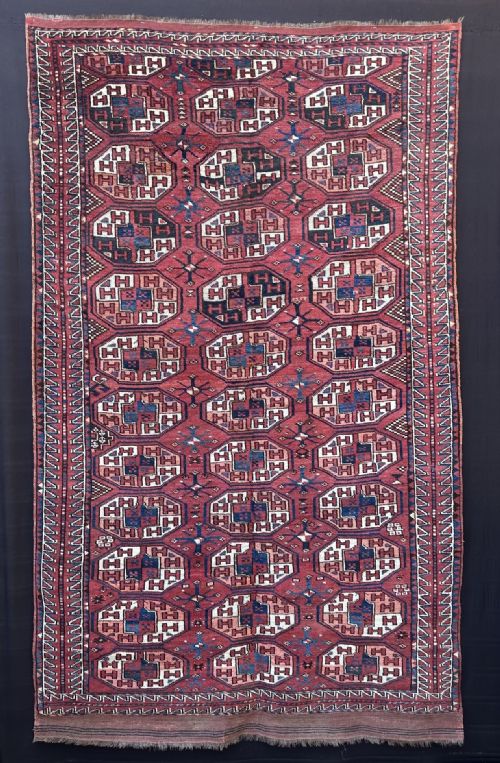
- An octagonal medallion or tribal motif frequently repeated across Turkmen and Central Asian carpets. It often identifies the specific clan or confederacy that wove the textile.
- Mihrab
- An arched niche design found on prayer rugs, symbolising a doorway or the direction of prayer. Weavers orient the motif so the worshipper faces the pointed arch.
- Kilim
- A flat-woven carpet produced without a pile by tightly interweaving warp and weft threads. This technique creates a lightweight, reversible textile with sharp geometric patterns.
- Medallion
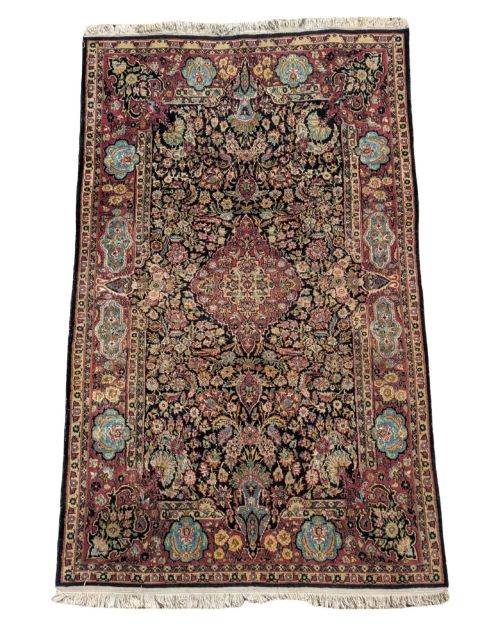
- A large central ornamental design set into the field of a rug. It anchors the symmetrical composition of Persian and Caucasian carpets.
- Saddlebag
- A utilitarian container woven in pairs by nomadic groups for transport on animals. Collectors prize surviving single panels or complete sets for their compact tribal designs.
Antique Floor Mat: Frequently Asked Questions
How do I clean an antique rug?
Gentle, regular surface vacuuming without a rotating brush removes embedded grit safely. Professional specialist cleaning remains necessary for deeper maintenance.
Water and harsh chemical detergents damage natural dyes and brittle wool foundations. Consult a specialist experienced in antique textiles before attempting any spot treatment.
Can I place these rugs in high-traffic hallways?
Durable wool construction and sturdy cotton foundations allow many tribal runners and village rugs to handle moderate household foot traffic. Placing a quality underlay beneath the textile prevents slipping and reduces fibre wear.
Delicate pieces featuring silk highlights or lighter nineteenth-century prayer formats suit low-traffic rooms or display locations where they experience less physical friction.
How do I distinguish regional tribal styles?
Caucasian pieces tend to display bold, highly geometric medallions and crisp primary colours like bright blues and reds. Persian and Anatolian variations frequently incorporate intricate floral lattice patterns, boteh motifs or curved vine scrolls.
Central Asian Turkmen and Baluch rugs rely on deep rust and brown grounds dominated by repeating gul patterns and dark wool handles. Examining the knotting style and fringe finish helps confirm the geographic origin.
What is the difference between a main carpet and a scatter rug?
Main carpets were produced in larger dimensions to anchor principal rooms or tribal dwelling spaces. They often feature complex, expansive field designs with multiple border guards.
Scatter rugs and hearth-sized pieces offer smaller proportions suited for entryways, bedside placement or compact seating areas. Despite their reduced scale, they exhibit the same intensive hand-knotting techniques as larger formats.