

Antique Floor Lamp Base
An antique floor lamp base provides structural height for interior lighting while anchoring a room with period character.
Antique Floor Lamp Base
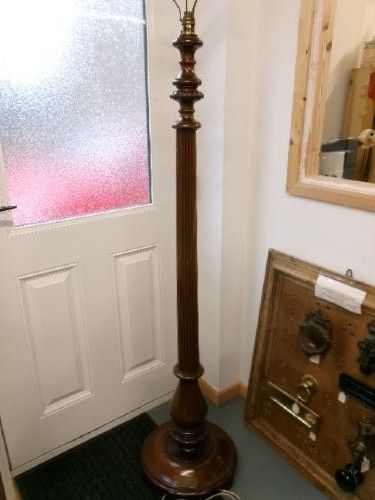
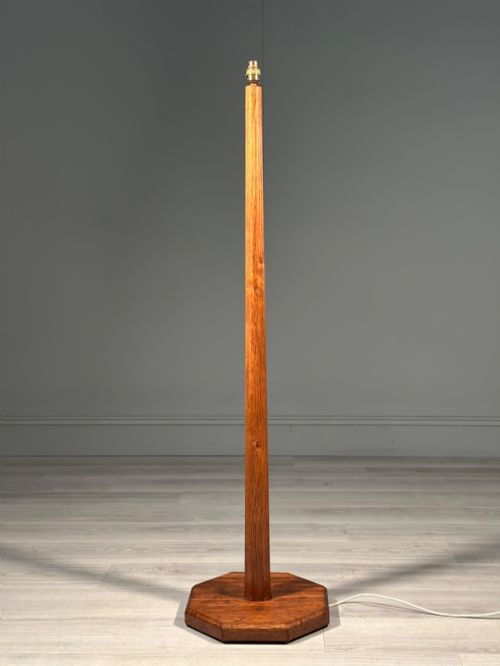
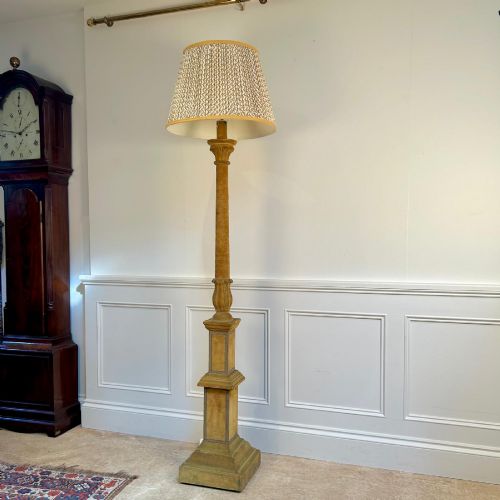
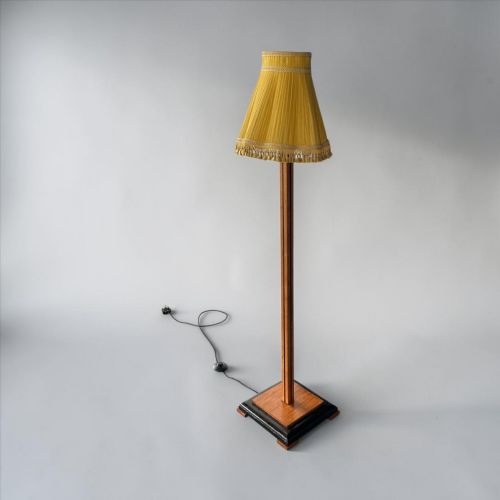
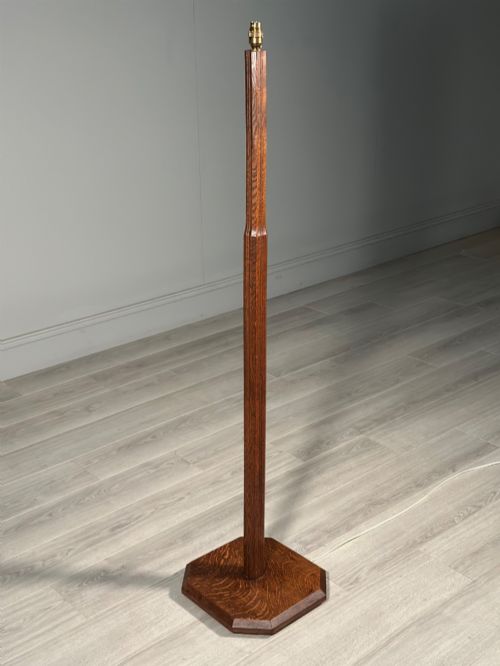
When searching for an antique floor lamp base, buyers encounter structural supports designed to hold lighting fixtures at height, frequently referred to in listings as standard lamps. These objects range from heavy metal columns to carved timber pedestals, serving as the vertical backbone for interior illumination.
Makers and designers drew upon various aesthetic movements, producing pieces in styles such as Arts and Crafts, Art Nouveau, and Neoclassical revival. These upright supports utilise materials intended to provide stability alongside ornamental presence.
How they were made
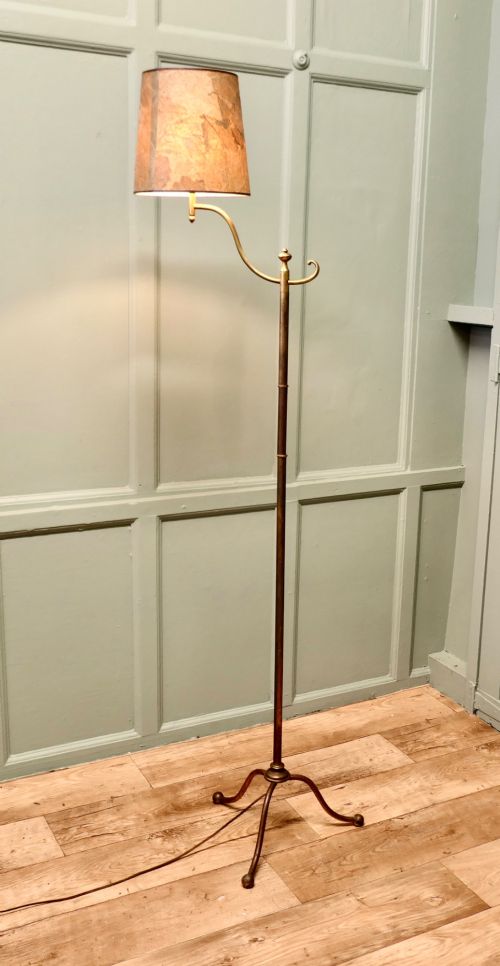
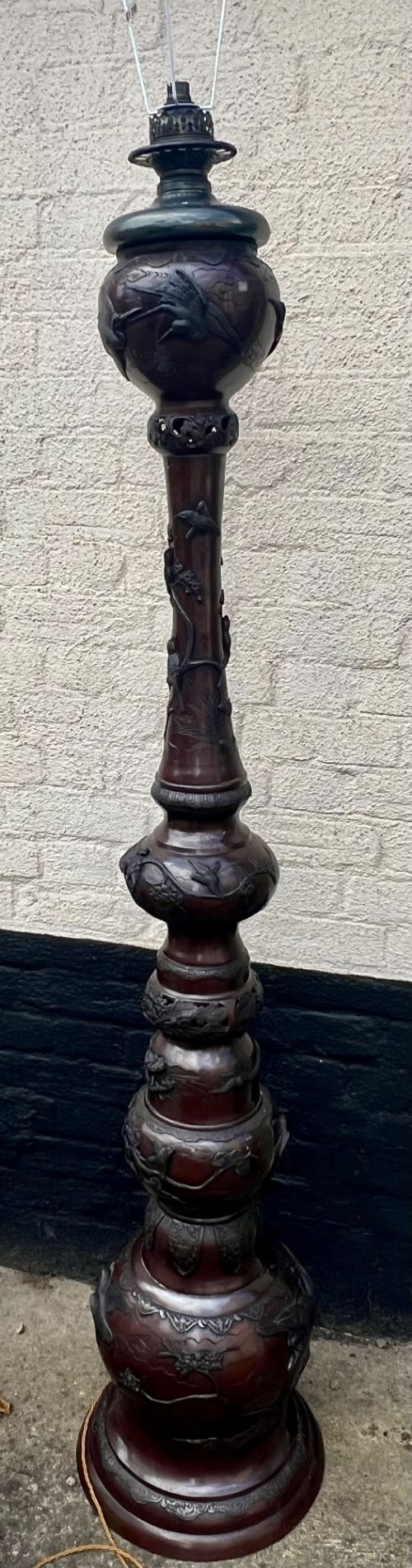
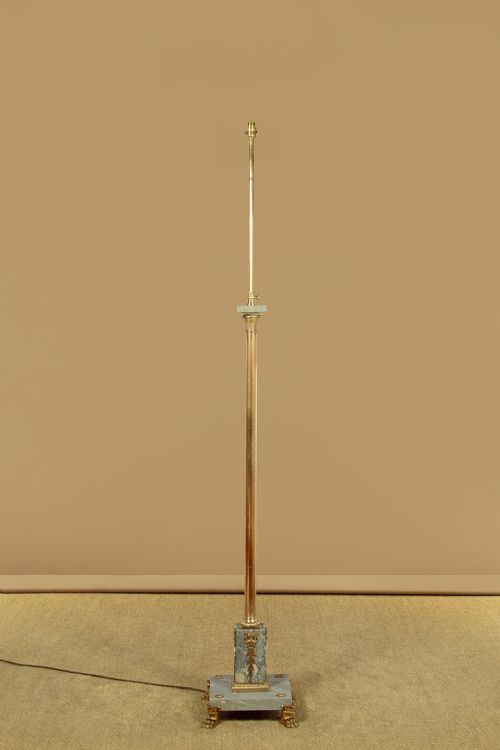
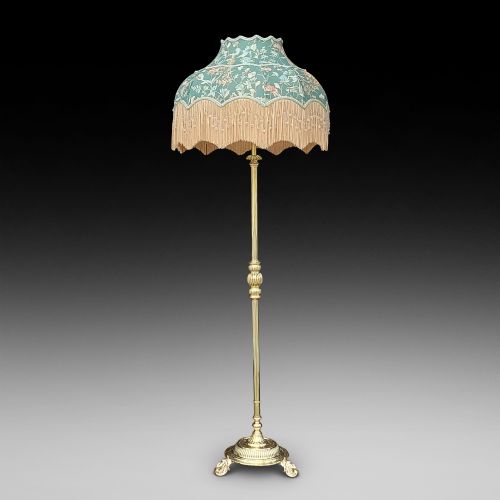
Construction relies heavily on metals like brass, cast iron, and bronze, often cast or spun into classical columns, floral openwork bases, and adjustable arms. These metallic elements provide the necessary weight at the foot to ensure the tall upright structure remains stable.
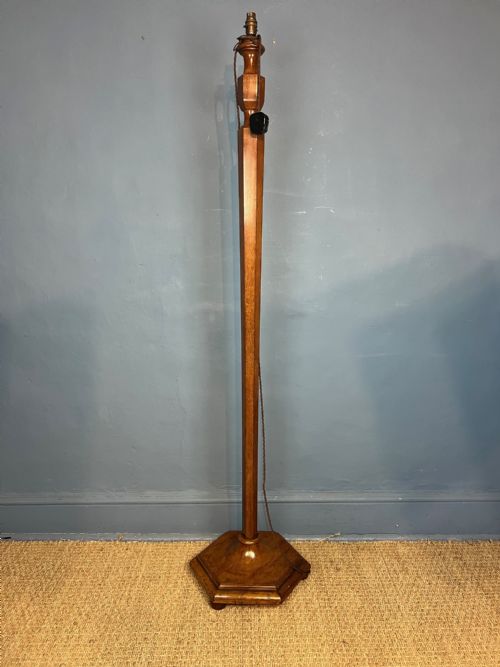
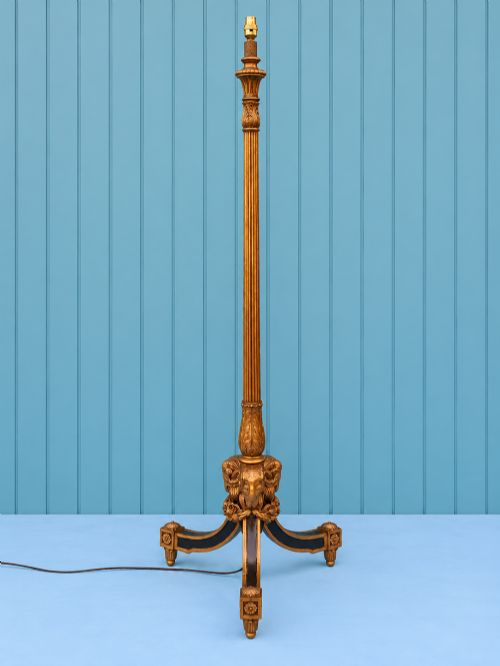
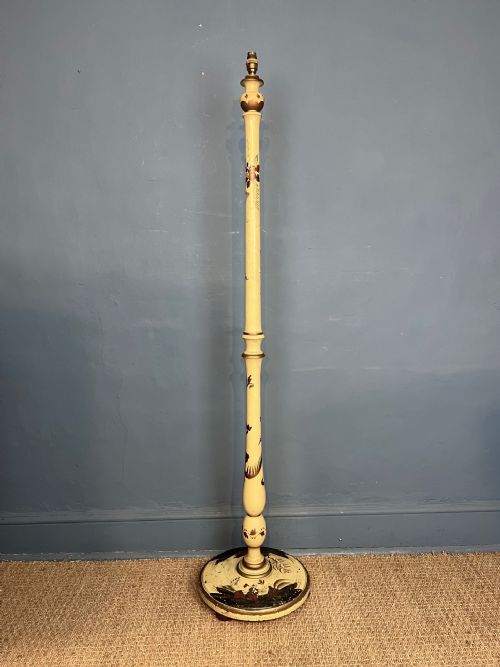
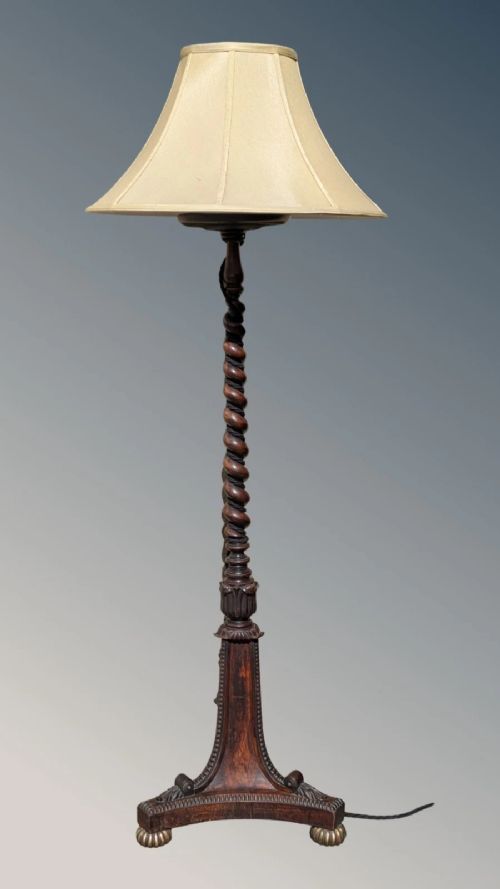
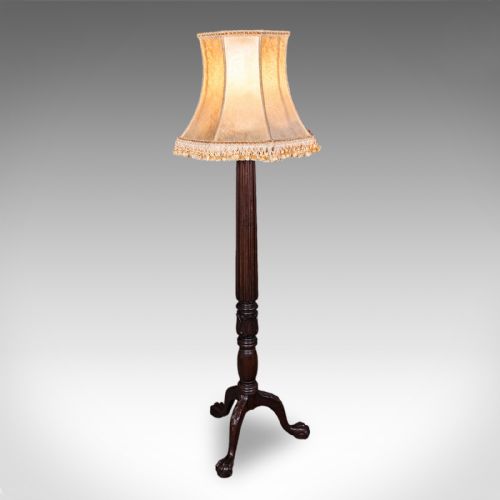
Woodworking traditions are equally prominent, utilising timbers such as oak, mahogany, walnut, pine, and rosewood. Craftsmen turned these materials on lathes to create slender stems or carved them into elaborate giltwood and Chinoiserie decorated standards.
Antique Floor Lamp Base Retail Price Guide 2026
Typical asking prices for floor lamp base among the pieces listed under this phrase on Sellingantiques today, from the lower quarter to the upper quarter. They describe what is for sale here now, not the wider market.
Listings feature brass, oak, mahogany, and cast iron formed into standard lamps, torchieres, and adjustable reading lights.
What varies in quality
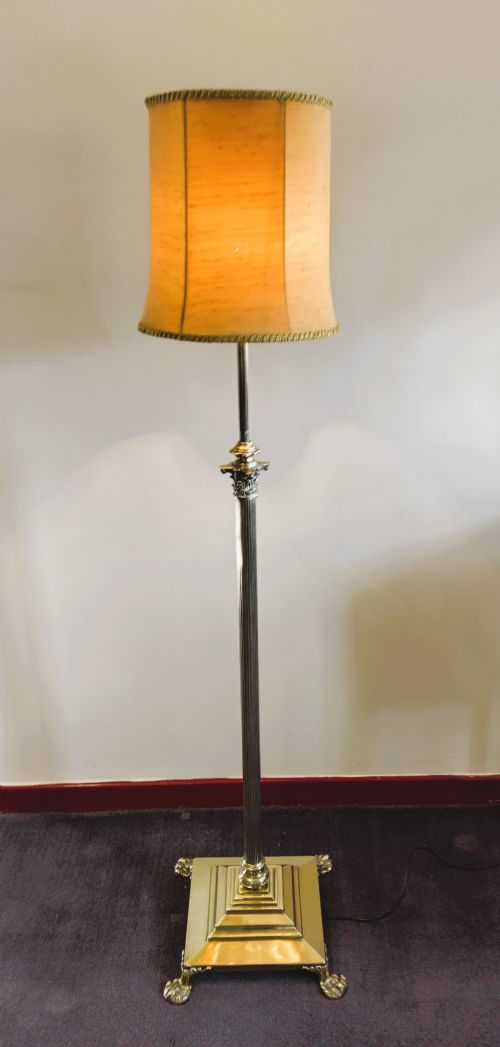
The distinction between tiers rests upon the choice of material and the execution of ornamental detail, such as hand-carved giltwood foliage or crisp casting in brass Corinthian capitals. Heavier metals and dense hardwoods indicate a sturdier build that resists tipping.
Mechanism complexity also defines the upper range, particularly in adjustable height standards or twin-armed reading lights. Pieces featuring refined joinery, original surface treatments like period paint or fine gilding, and integrated weighted bases represent higher manufacturing standards.
Arthur Reynolds
The Antique Floor Lamp Base Glossary
- Standard lamp
- A traditional British term for a floor lamp, describing a tall upright standard designed to support a shade and light bulb. These pieces frequently appear in Edwardian and Art Deco configurations.
- Corinthian column
- A classical architectural column style featuring ornate acanthus leaves on the capital, frequently adapted for brass floor lamp standards.
- Bouillotte lamp
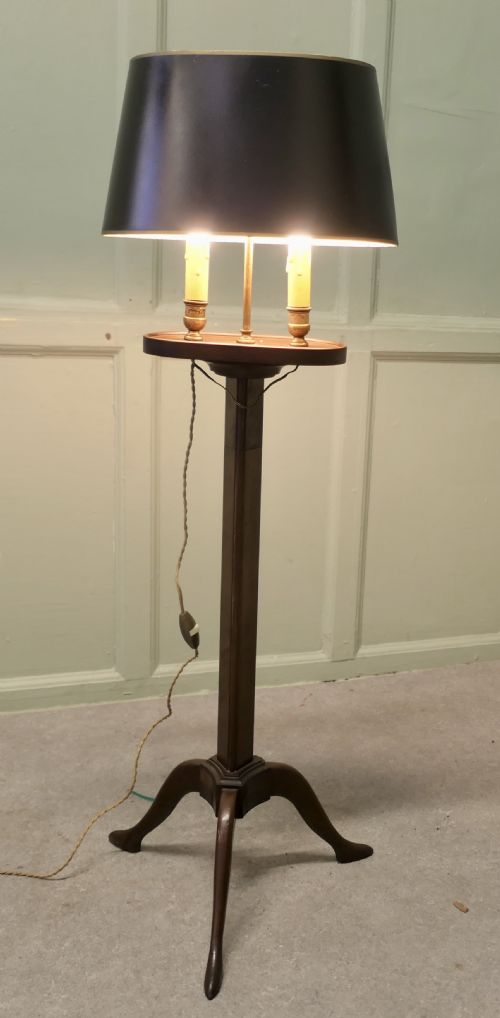
- A type of adjustable lighting fixture originally designed for card games, featuring candles or bulbs mounted on a central shaft with a metal shade.
- Tripod base
- A three-legged support structure utilised on wooden and metal lamp bases to provide balance and stability on floor surfaces.
- Chinoiserie
- A decorative style reflecting European interpretations of Chinese artistic traditions, often applied as painted motifs on ivory ground lamp standards.
Antique Floor Lamp Base: Frequently Asked Questions
What is an antique floor lamp base?
An antique floor lamp base is a tall vertical support historically designed to hold oil lamps, gas lights, or early electric fittings. They elevate light sources above furniture level to illuminate wider areas of a room.
These pieces combine functional weighted feet with decorative shafts formed from brass, carved wood, or cast iron. They serve as foundational furniture items that carry both illumination and historical decorative style.
How do I date an antique floor lamp base?
Dating relies on examining the materials, manufacturing methods, and stylistic cues present in the design. For instance, heavy brass Corinthian columns often point to the late nineteenth or early twentieth century, while walnut tripod stands reflect the 1920s.
Hardware details, such as original switches, wiring channels, or mechanical adjustment screws, also offer clues to the period of manufacture. Stylistic movements like Arts and Crafts or Art Deco provide specific chronological boundaries.
Were these bases originally electric?
Many early examples began as oil or gas-burning standards before being converted to electricity during the twentieth century. Manufacturers adapted existing heavy brass and iron columns to house modern wiring safely.
Some Edwardian and later 1930s pieces were manufactured specifically for electrical use from the outset. Conversion evidence is common and accepted within antique lighting markets.
How do I style a floor lamp base at home?
Styling involves pairing the vertical standard with an appropriate shade that complements the period and scale of the base. Placing them beside armchairs or in dark corners adds both height variation and ambient lighting to a room scheme.
Allowing the patinated brass, polished mahogany, or painted Chinoiserie finish to stand as a focal point enhances traditional and eclectic interiors alike. The slender footprint makes them adaptable for positioning alongside various seating arrangements.