



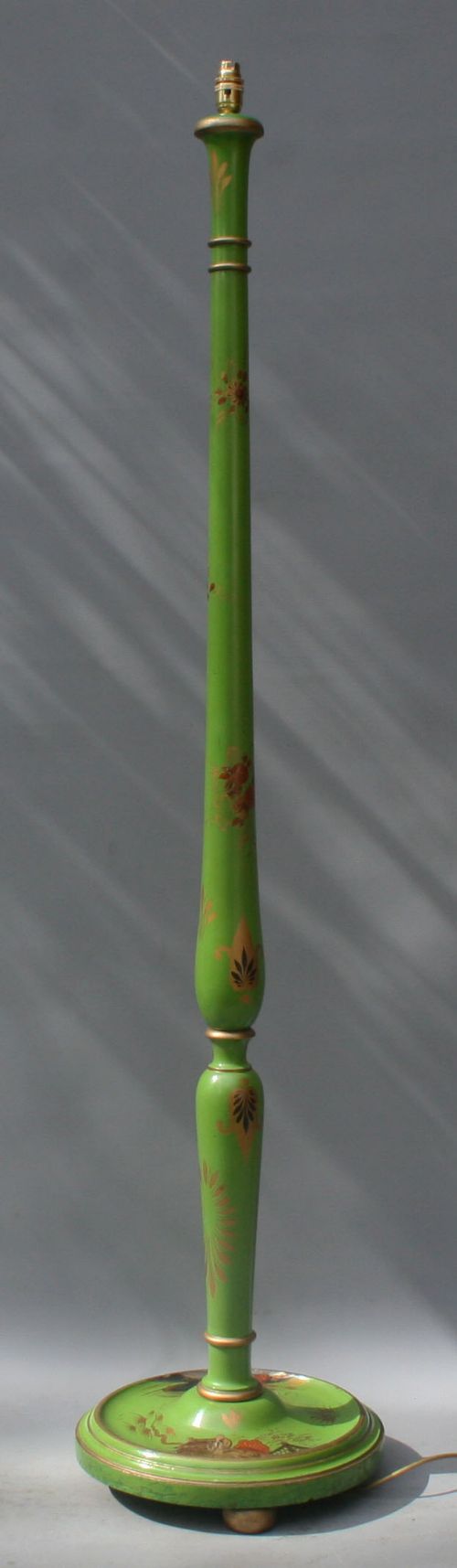


Chinoiserie Lamp Stand
These chinoiserie lamp stand pieces bring hand-decorated Orientalism into a room, offering height and illumination through lacquered surfaces.
Chinoiserie Lamp Stand
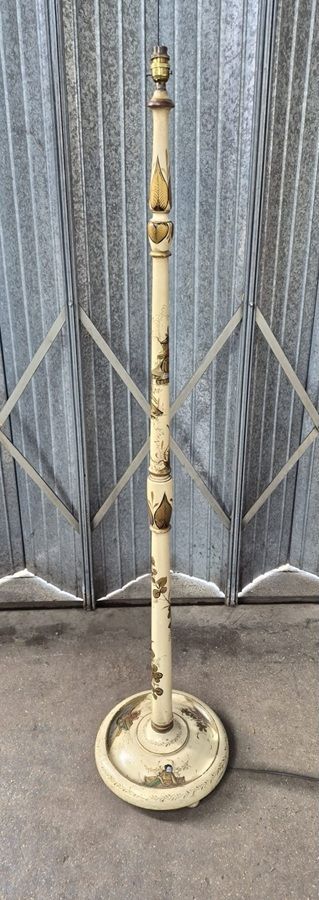
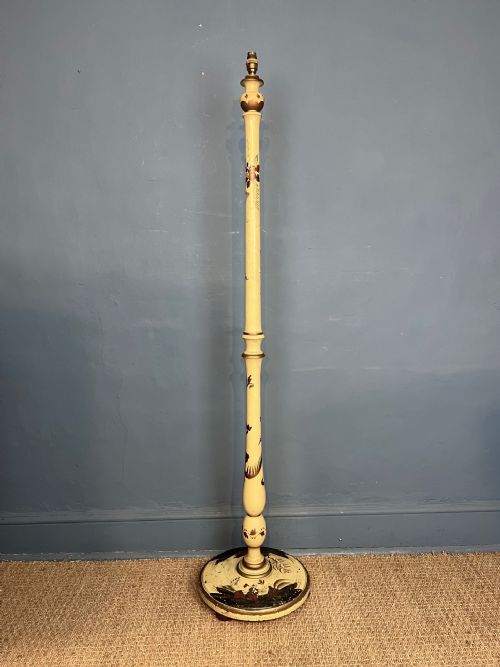
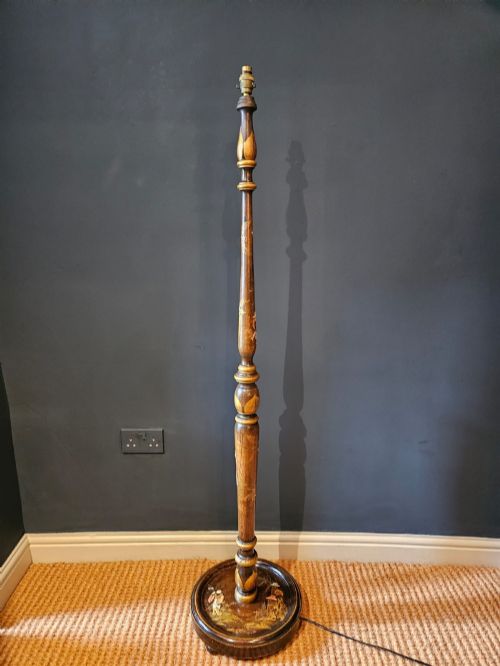
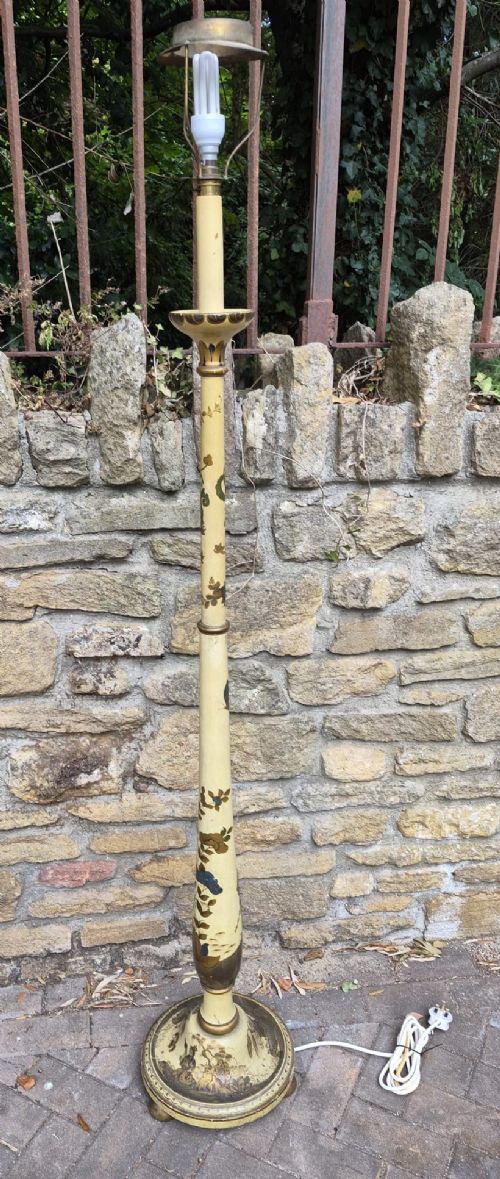
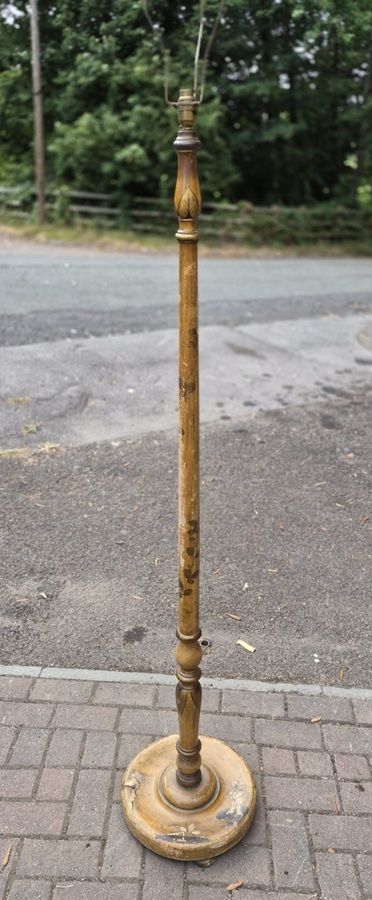
A chinoiserie lamp stand bridges functional lighting and decorative display, taking the form of standard lamps, floor lamps, and occasional tables adapted to hold lamps. The selection spans standard lamps and side tables from the Edwardian period, the 1920s, and the 1930s, alongside earlier Victorian and Regency pieces.
Buyers encounter standard lamps alongside side tables, wine tables, and planter stands that double as lamp supports. The decorative vocabulary draws on Chinese motifs executed within European periods including Edwardian Chinoiserie, Victorian Chinoiserie, and French Neoclassical styles.
How they were made
Construction relies on wood, painted wood, and lacquered wood, often incorporating bamboo and brass details. Surfaces receive layers of paint and lacquer to build up the characteristic smooth finish before receiving decorative motifs.
Standard lamps and tables utilise turned and joined timber components, whilst smaller items integrate lacquered panels and bamboo frames. Gilt highlights frequently accent the black, red, or ivory ground colours of the lacquer.
Chinoiserie Lamp Stand Retail Price Guide 2026
Typical asking prices for chinoiserie lamp stand among the pieces listed under this phrase on Sellingantiques today, from the lower quarter to the upper quarter. They describe what is for sale here now, not the wider market.
Materials recorded across the inventory include brass, lacquer, wood, fabric, painted wood, paint, and gilt.
What varies in quality
The depth and preservation of the lacquer finish distinguish the standard of decoration, particularly where red, black, or ivory grounds meet hand-painted details. Crispness in the turning of wooden standards and the integration of auxiliary materials like brass or bamboo mark out superior execution.
Proportion and structural integrity separate simpler utility pieces from more ambitious architectural forms, such as tripartite bases or multi-tiered tables. The harmony between the base design and the painted decorative scheme governs the visual weight of the stand.
The Chinoiserie Lamp Stand Glossary
- Chinoiserie
- European decorative style reflecting Chinese artistic influences. It employs motifs such as landscapes, figures, and pagodas applied to furniture and lighting.
- Standard lamp
- A tall floor-standing lamp designed to illuminate a room from a fixed position. These frequently double as torcheres or vase standards.
- Lacquer
- A durable resinous finish applied in multiple layers to wood surfaces. It provides a smooth base for painted and gilt decoration.
- Torchere
- A tall ornamental stand originally intended to hold a torch or candle. In later periods, these were adapted to carry electric lamp fittings.
- Etagere
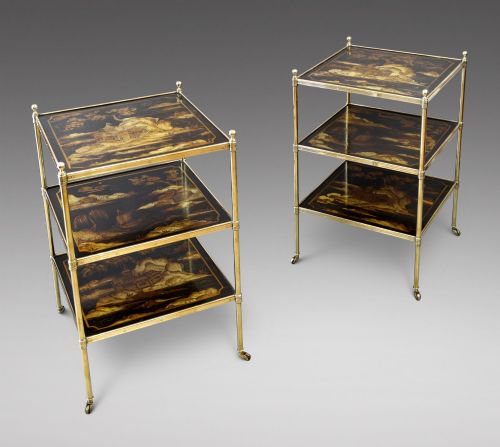
- A piece of furniture consisting of a set of open shelves for displaying small objects. Examples in the listings combine brass frames with tiered surfaces.
Chinoiserie Lamp Stand: Frequently Asked Questions
What is a standard lamp?
A standard lamp is a tall, free-standing floor lamp designed to hold a light bulb and shade at height. They provide ambient room lighting without requiring tabletop placement.
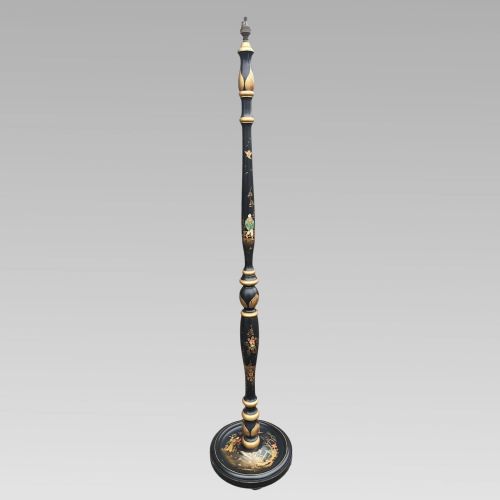
In this selection, many standard lamps incorporate painted chinoiserie decoration on wooden columns or incorporate torchere and vase forms.
How were side tables used?
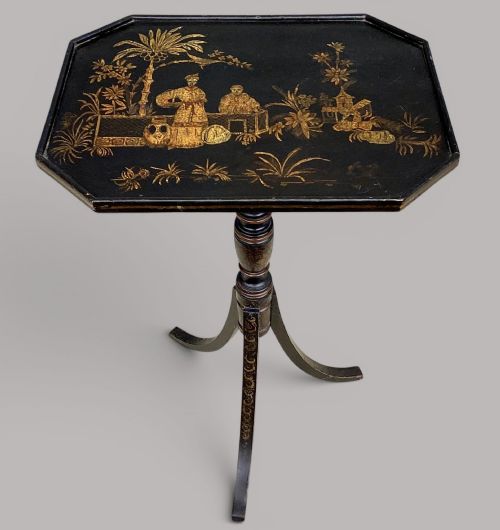
Side tables served as functional surfaces for holding small decorative items, drinks, or lighting fixtures within sitting rooms. Their compact footprints allowed placement beside seating.
Several examples double as lamp tables or wine tables, incorporating lacquered tops and bamboo frames to support lighting.
How do I identify an Edwardian piece?
Edwardian pieces date from the reign of King Edward VII, spanning the early years of the twentieth century. They often lighter proportions and revived historical styles.
Within these listings, Edwardian standard lamps frequently feature black or ivory ground lacquer painted with Chinese-inspired motifs.
What materials are used?
The pieces utilise wood, painted wood, lacquered wood, and bamboo as structural substrates. Brass and fabric appear in supporting hardware and shades.
Surfaces are finished with paint and lacquer, sometimes augmented with gilt details to highlight the Orientalist designs.