


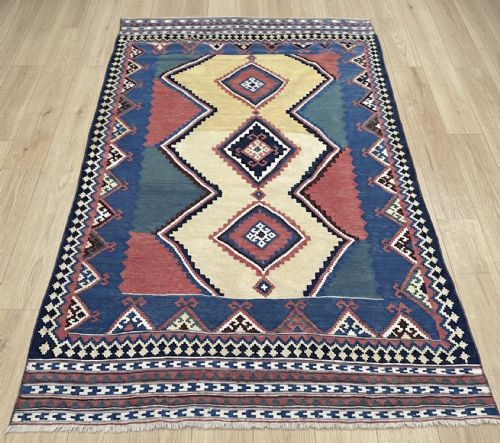
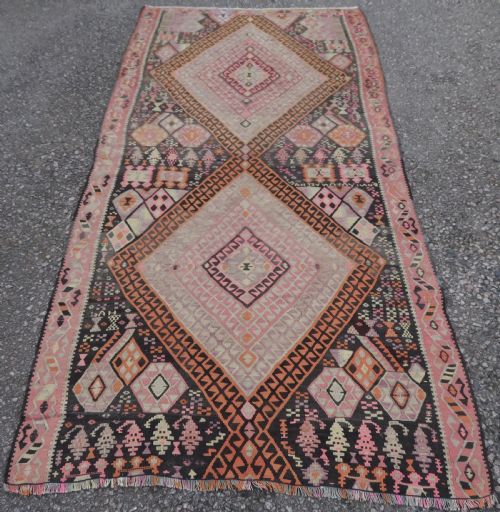
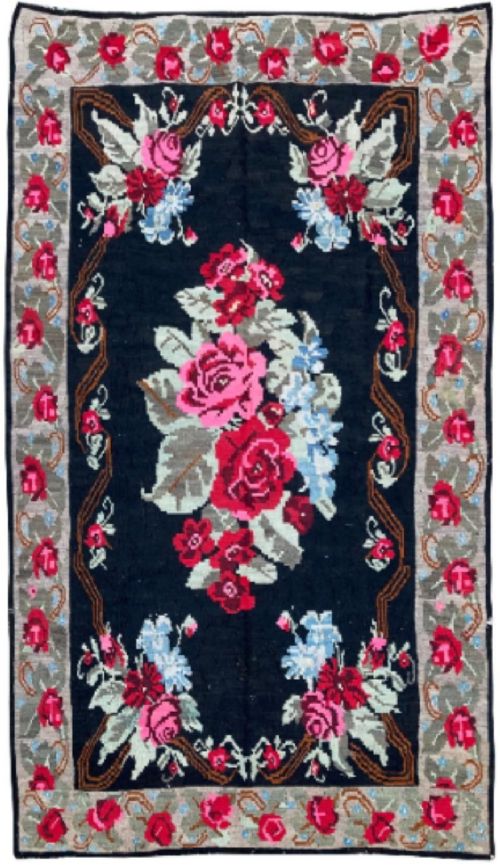
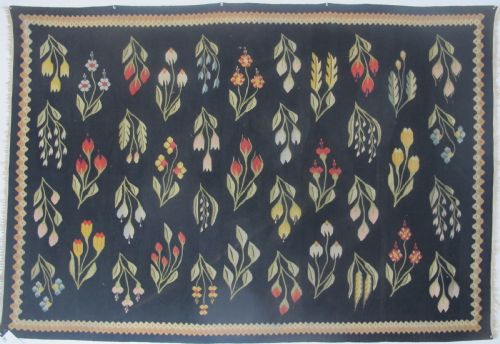
Antique Flatwoven Rug
When you search for an antique flatwoven rug, you find utilitarian textiles built by nomadic and village weavers across Persia, the Caucasus, Anatolia, and Central Asia.
Antique Flatwoven Rug
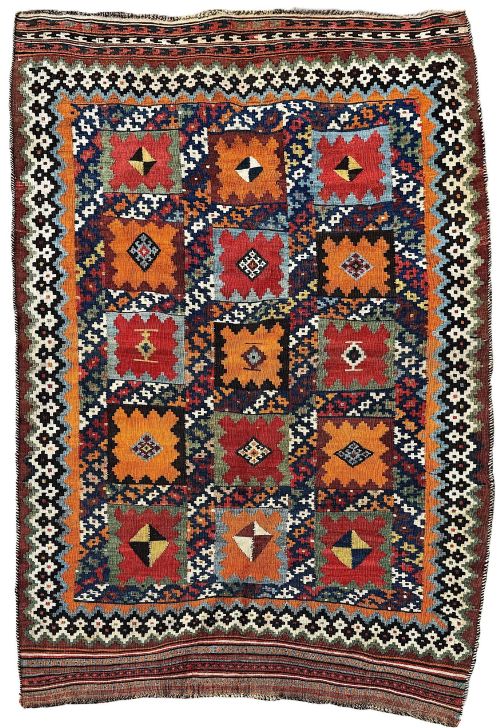
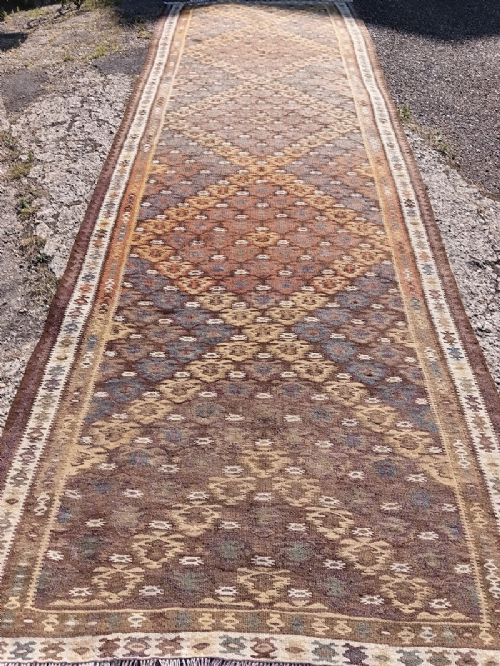
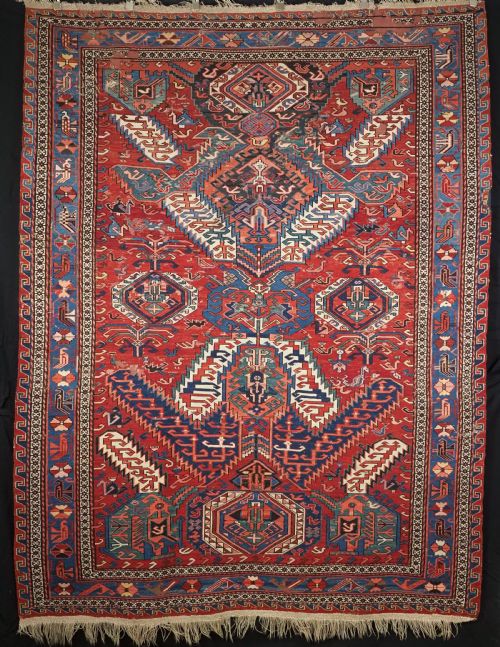
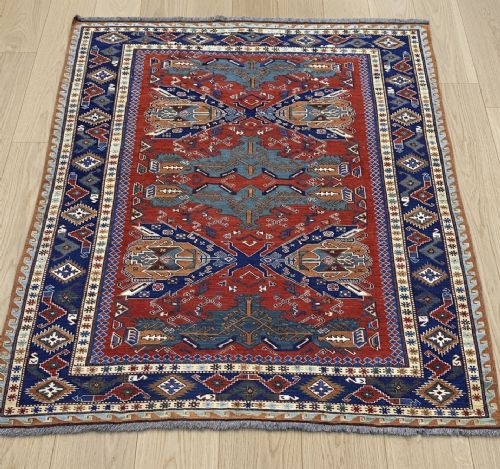
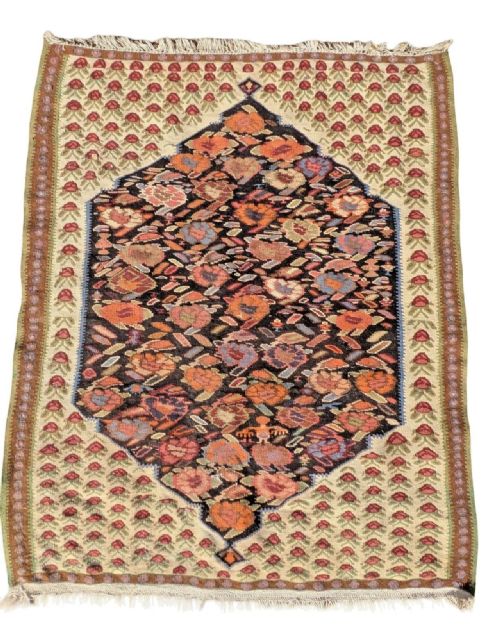
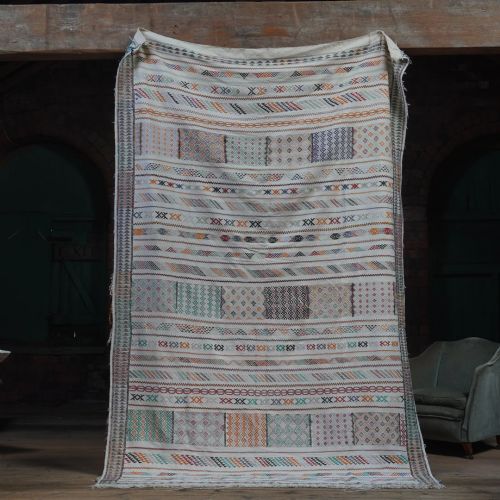
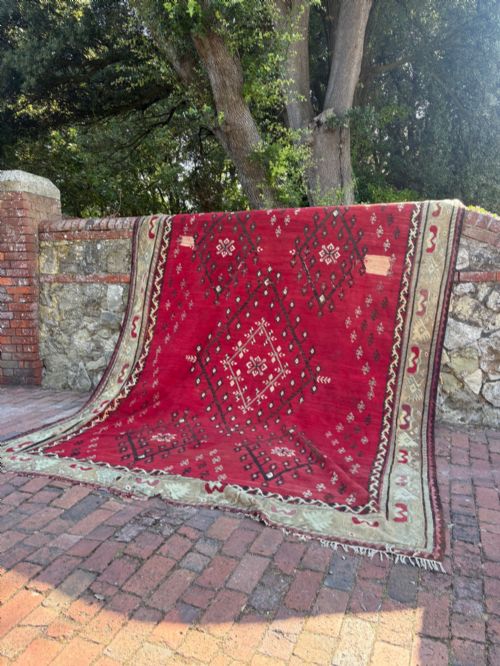
An antique flatwoven rug encompasses traditional floor coverings and utilitarian household textiles produced without pile by tribal and village makers. These pieces span the nineteenth and early twentieth centuries, emerging from regions such as Western and Southern Persia, the Caucasus, and Anatolia.
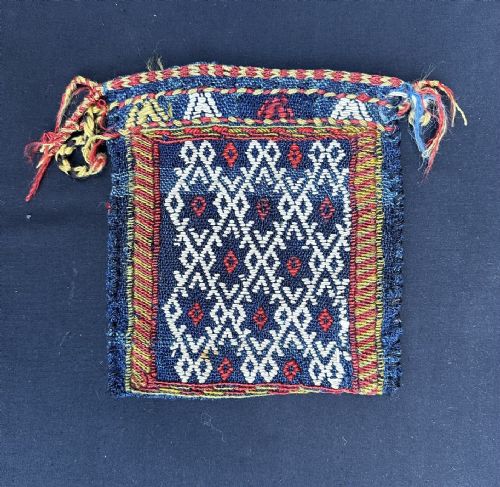
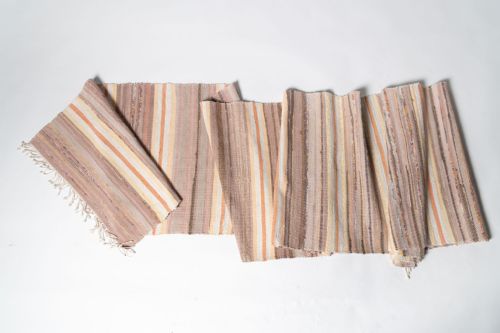
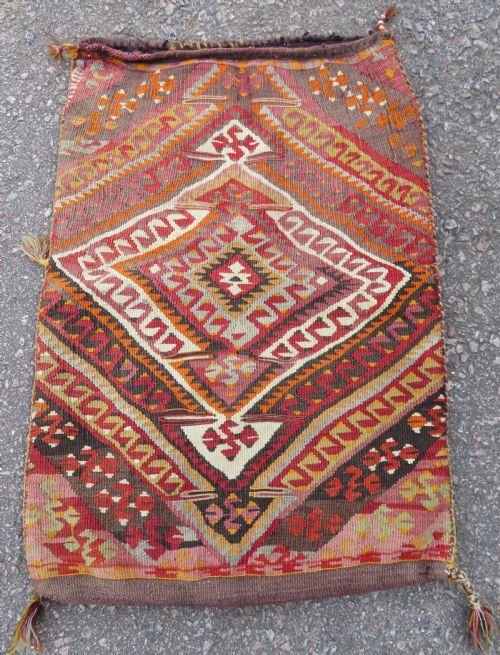
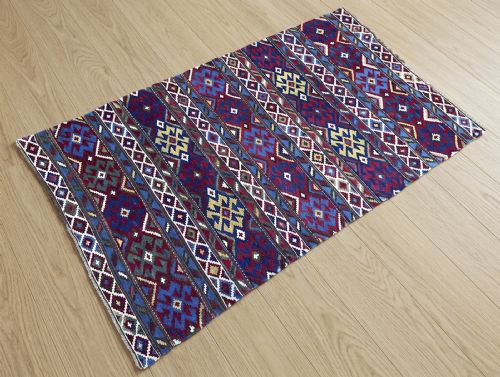
The selections encountered here range from large room-sized kilims and carpets to smaller functional items like salt-bags, bread sofreh, grain sacks, and saddle-bags. Each piece reflects the specific weaving traditions and geometric or floral vocabulary of the group that produced it.
Materials and construction
Weavers constructed these pieces predominantly using wool, hand-spun wool, cotton, camel wool, and goat hair, occasionally incorporating supplementary materials such as canvas and cowrie shells. Natural dyes provided the palette, creating deep, variable tones across the surfaces of the textiles.
Techniques varied from standard slit-tapery kilim weaves to complex Soumak wrapping and needlepoint methods. The structural integrity relied on tight, durable interlacing of warp and weft threads designed for daily nomadic or domestic use.
Antique Flatwoven Rug Retail Price Guide 2026
Typical asking prices for flatwoven rug among the pieces listed under this phrase on Sellingantiques today, from the lower quarter to the upper quarter. They describe what is for sale here now, not the wider market.
Listings feature textiles utilising wool, hand-spun wool, cotton, camel wool, goat hair, canvas, and cowrie shells across nineteenth and early twentieth-century periods.
Evaluating distinction and execution
Quality in these textiles rests upon the fineness of the weave, the clarity and complexity of the design motifs, and the richness of the natural dye palette. Pieces demonstrating tighter structural density and sophisticated tribal iconography distinguish themselves from simpler utility items.
The handling of traditional regional patterns, such as Caucasian dragon motifs or specific nomadic field divisions, dictates the standing of an individual textile. Integrity of materials and precision in flatweaving technique further separate standard examples from exceptional ones.
The Antique Flatwoven Rug Glossary
- Kilim
- A flatwoven rug or carpet produced by tightly interweaving warp and weft strands without creating a pile. These textiles function as floor coverings, wall hangings, and functional storage covers.
- Sofreh
- A spread or cloth traditionally used for dining, preparing bread, or handling foodstuffs among nomadic and village communities. They often feature distinct central medallions and geometric border fields.
- Soumak
- A flatweave technique involving wrapping weft threads over and under warp threads to produce a textured, braided surface resembling embroidery. This method yields a sturdier structure than standard slit-tapestry kilims.
- Chuval
- A large storage bag produced by Turkmen tribes, often featuring multiple guls or geometric face designs. They were originally utilised within nomadic tents for household organisation.
- Chanteh
- A small bag or vanity pouch woven by nomadic groups for personal items. These pieces frequently display concentrated tribal patterns in miniature scale.
Antique Flatwoven Rug: Frequently Asked Questions
What is an antique flatwoven rug?
An antique flatwoven rug is a pileless textile created by nomadic or village weavers using techniques like slit-tapestry or Soumak weaving. These pieces served practical domestic purposes, ranging from floor coverings to grain sacks and dining spreads.
Produced across regions including Persia, the Caucasus, and Anatolia during the nineteenth and early twentieth centuries, they rely on natural materials like wool and hand-spun yarn. Their designs typically feature regional geometric or tribal motifs unique to the weaving group.
How were flatwoven rugs used originally?
Nomadic and village communities utilised flatwoven textiles for daily survival, storage, and transport within pastoral life. Pieces functioned as floor rugs, horse blankets, grain storage sacks, and dedicated cloths for kneading bread or serving meals.
Specialised bags were woven to hold salt, vanity items, or personal possessions during seasonal migrations. Their construction prioritized durability and portability over purely decorative display.
How do you distinguish regional styles?
Regional styles appear through distinct colour palettes, structural techniques, and recurring motif vocabularies rooted in specific tribal traditions. Caucasian pieces often display sharp geometric or dragon designs, while Persian tribal weavings utilise balanced field arrangements and specific animal or medallion symbols.
Anatolian and Turkmen examples introduce their own signature border structures and repeating guls. Examining the weave density and material composition further clarifies the geographic origin of the textile.
How do you care for an antique flatweave?
Caring for an antique flatweave involves gentle handling, regular light vacuuming without a rotating brush, and protection from direct sunlight to preserve natural dye colours. Professional textile cleaning is recommended for deep maintenance.
Allowing the textile to breathe and using appropriate non-slip underlays helps protect the flatwoven structure during everyday interior placement.