


Antique Flatweave
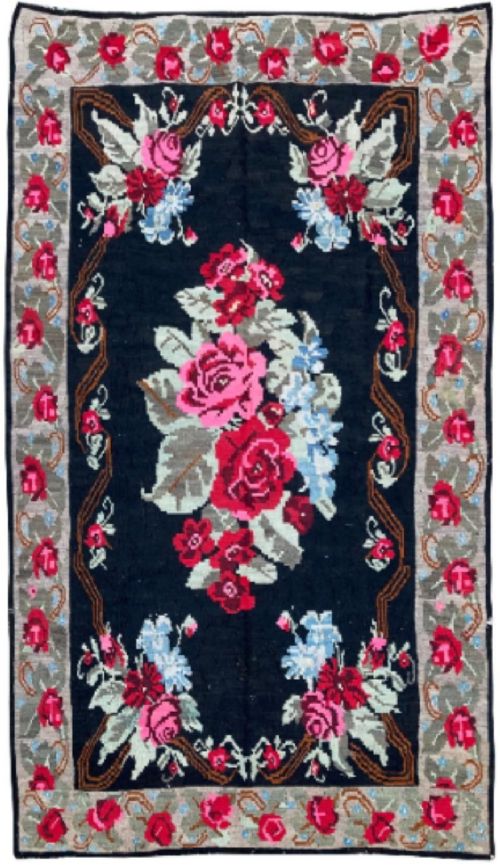
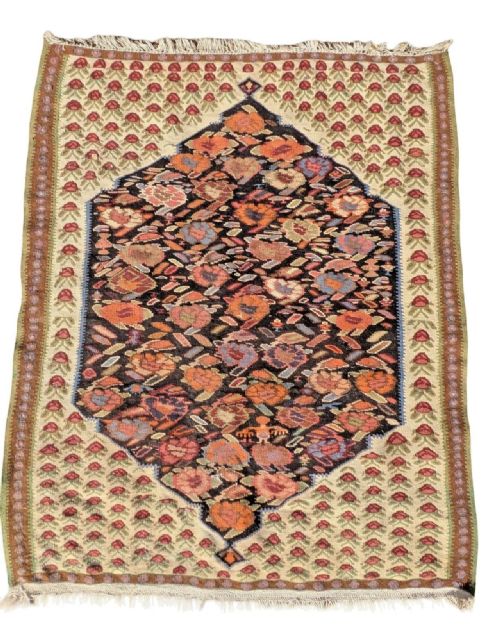
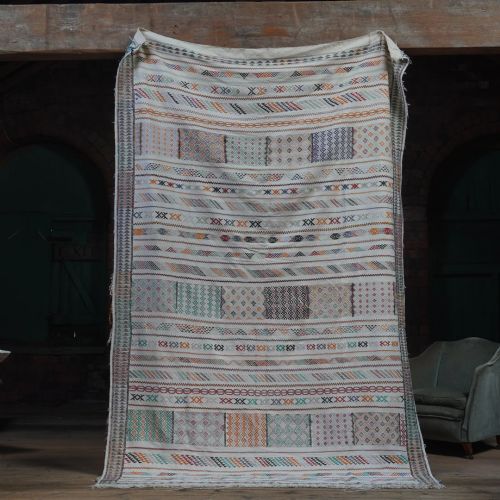
Antique flatweave textiles encompass pileless rugs, kilims, and nomadic bags originating from Persia, the Caucasus, and Anatolia, prized for their graphic geometry and historic dye palettes.
Antique Flatweave
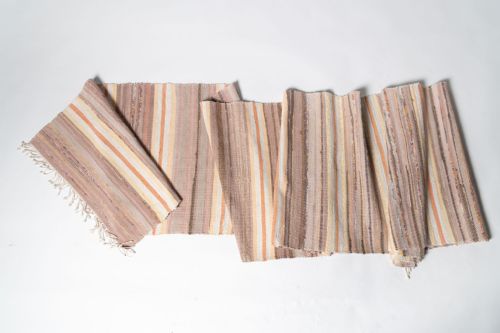
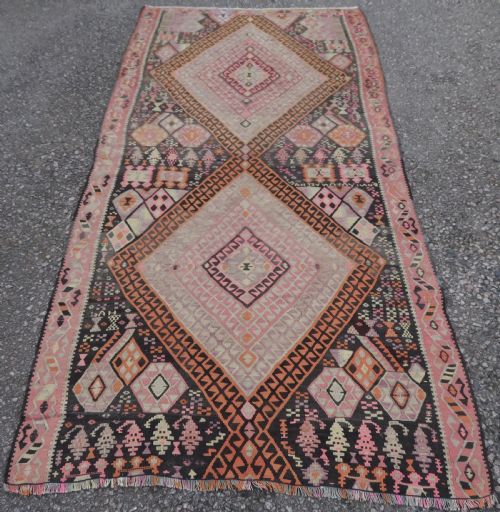
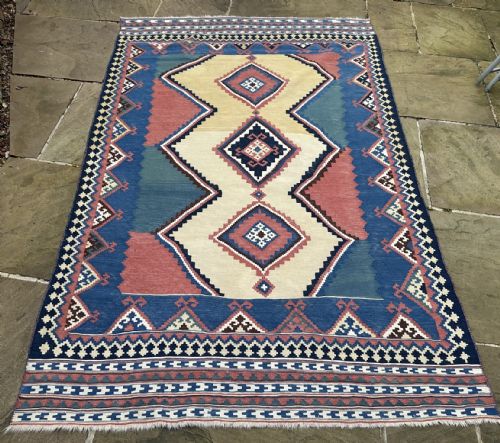
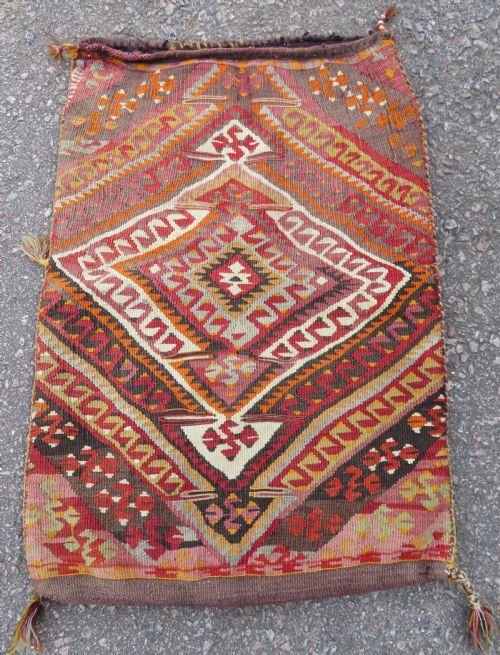
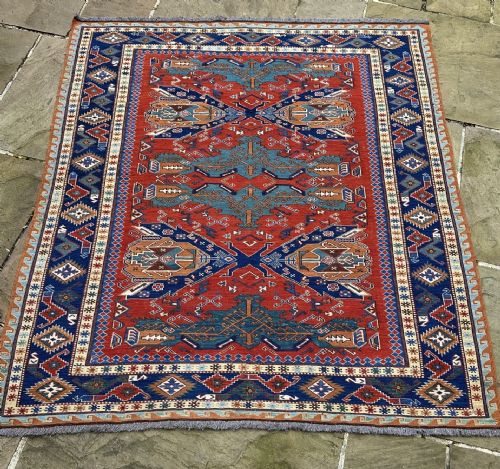
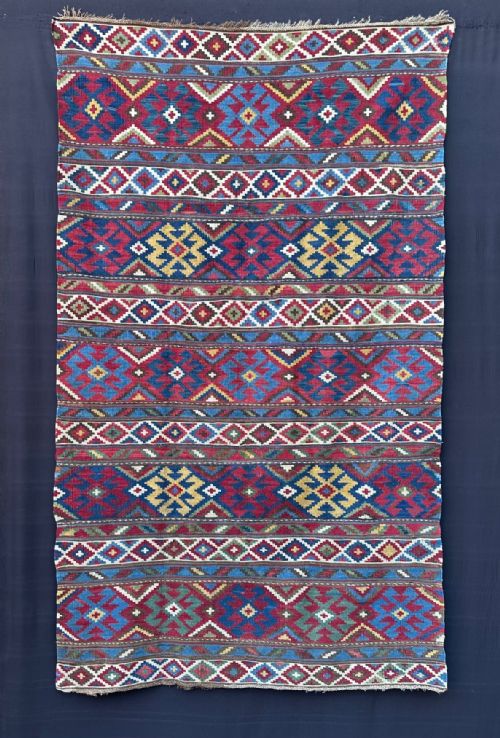
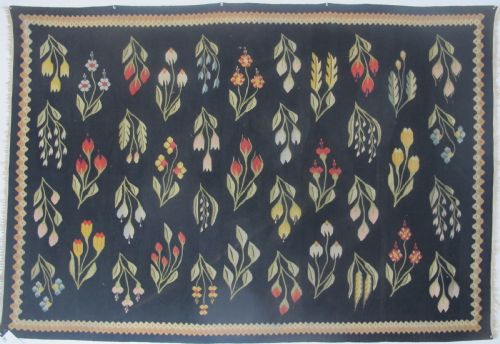
When you search for antique flatweave, you encounter textiles constructed without a pile, relying instead on interlocking or wrapping warps and wefts to form geometric patterns. The selection spans large room-size carpets from regions like Bidjar alongside smaller utility pieces such as grain sacks and horse blankets.
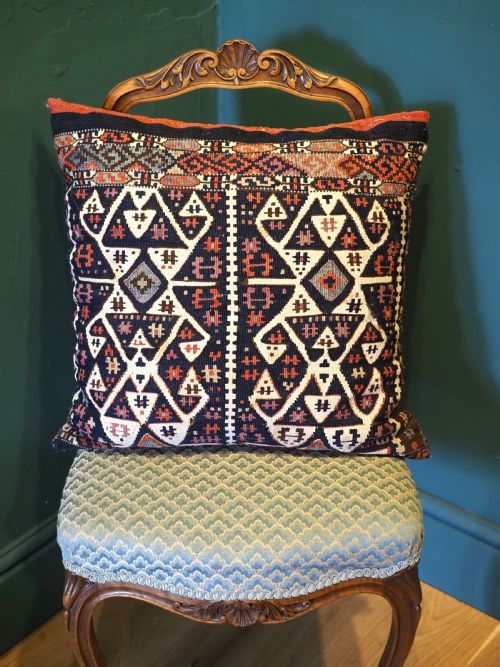
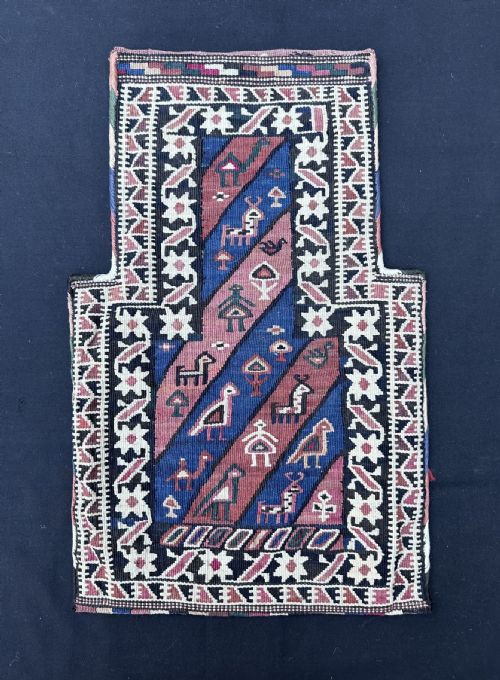
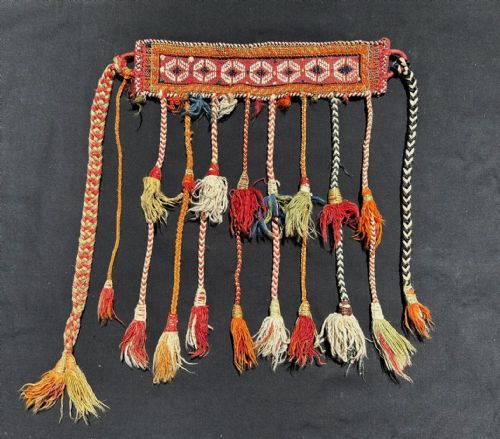
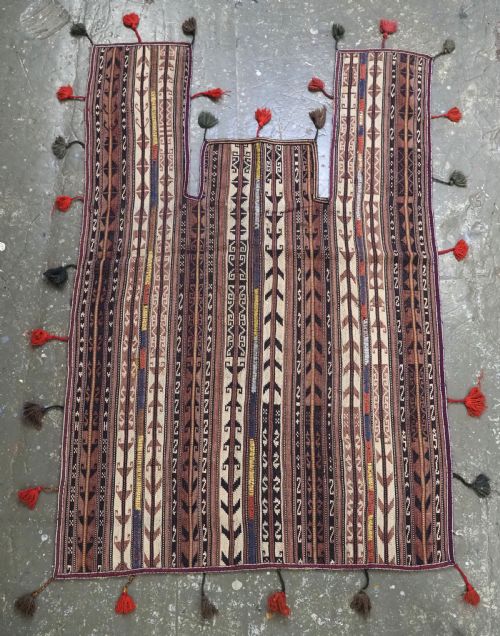
Nomadic and village weavers across Persia, the Caucasus, and Anatolia produced these works for domestic utility or ceremonial use. Common forms include salt bags, animal trappings, and Sofreh dining cloths alongside traditional kilim rugs.
Examples date from the nineteenth century through the early decades of the twentieth century. They reflect specific tribal identities, ranging from the Qashqai confederacy to Shahsevan and Luri-Bakhtiari groups.
Materials and construction methods
Makers utilised hand-spun wool and natural dyes to build durable flatweave structures, often incorporating cotton foundations or supplementary camel wool details. Certain utilitarian pieces integrate cowrie shells or canvas reinforcements.
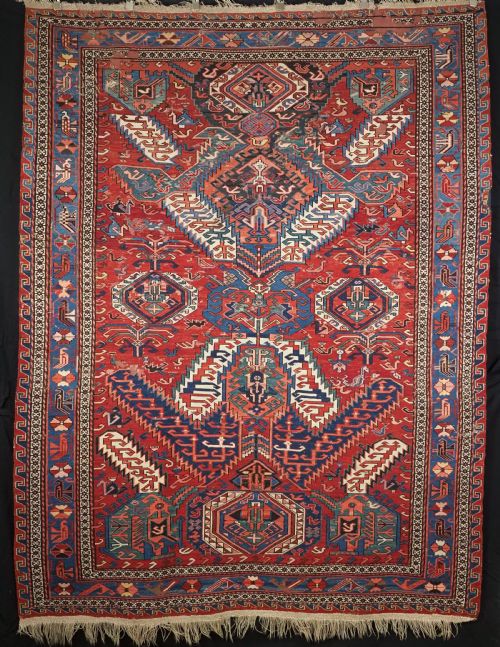
Weavers employed slit-tapestry techniques or Soumak wrapping methods to achieve crisp linear motifs and structural stability. The resulting textiles range from fine weaves on small bags to heavy, robust carpets designed for daily floor use.
Antique Flatweave Retail Price Guide 2026
Typical asking prices for flatweave among the pieces listed under this phrase on Sellingantiques today, from the lower quarter to the upper quarter. They describe what is for sale here now, not the wider market.
Listings feature flatweave textiles from the nineteenth century through the 1950s, utilising natural dyes, hand-spun wool, and cotton across Persian, Caucasian, and Anatolian origins.
Distinctions in craftsmanship
Quality rests in the precision of the structural weave, the clarity of the tribal motifs, and the depth of the natural dye palette. Finer pieces demonstrate tight, even tension across the flat surface and sophisticated handling of traditional iconography such as dragon designs.
The integrity of the wool and the sophistication of regional design execution separate standard utility items from exceptional tribal works. Well-preserved early examples exhibit harmonious colour saturation and skilled execution by master weavers.
The Antique Flatweave Glossary
- Kilim
- A pileless textile woven using slit-tapestry techniques. These flatweave rugs feature geometric patterns created by interweaving coloured weft threads.
- Soumak
- A brocaded flatweave technique where weft threads are wrapped around the warp threads in a continuous sequence. This method produces a textured face and sturdy structure.
- Sofreh
- A type of spread or cloth used for dining or food preparation among nomadic tribes. They often display minimalist geometric fields bordered by symbolic motifs.
- Chanteh
- A small nomadic bag or vanity pouch used for personal possessions. These pieces showcase intricate tribal weaving on a miniature scale.
- Warps
- The stationary vertical threads stretched across a loom before weaving begins. Weft threads are passed through these foundations to build the textile.
Antique Flatweave: Frequently Asked Questions
How were flatweave rugs used?
Nomadic and village communities utilised flatweave textiles primarily for practical domestic functions such as floor coverings, blankets, and storage sacks. Grain sacks, animal trappings, and Sofreh cloths served specific daily needs within pastoral life.
Over time, these durable pieces also functioned as decorative elements and portable furnishings that adapted easily to nomadic transit.
What is a Soumak rug?
A Soumak is a specific type of flatweave created using a wrapping technique rather than simple interlocking tapestry weaves. This method results in a distinctive braided surface texture on the front and loose threads on the back.
Originating frequently in the Caucasus, Soumak textiles are known for complex geometric motifs, including dragon designs.
How do I care for an antique flatweave?
Protect antique flatweaves by placing a quality rug underlay beneath them to prevent slipping and reduce friction against hard floors. Vacuum gently using suction attachments without rotating brushes to preserve the historic wool fibres.
Rotate the textile periodically to ensure even exposure to foot traffic and natural light, and consult a specialist textile conservator for cleaning.
Where do antique kilims come from?
Antique flatweaves originate predominantly from traditional weaving centres across Persia, the Caucasus, and Anatolia. Specific tribal groups, including the Qashqai, Shahsevan, and Luri-Bakhtiari, developed distinct regional patterns and colour palettes.
Each geographic area imparted unique characteristics to the wool selection, dyes, and structural techniques employed in the weaving process.