
Antique Flatware
These antique flatware pieces bring centuries of dining tradition to the table, offering solid silver and steel utensils crafted for daily service or grand presentation.
Antique Flatware
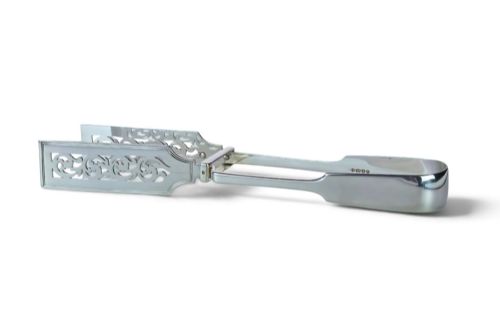
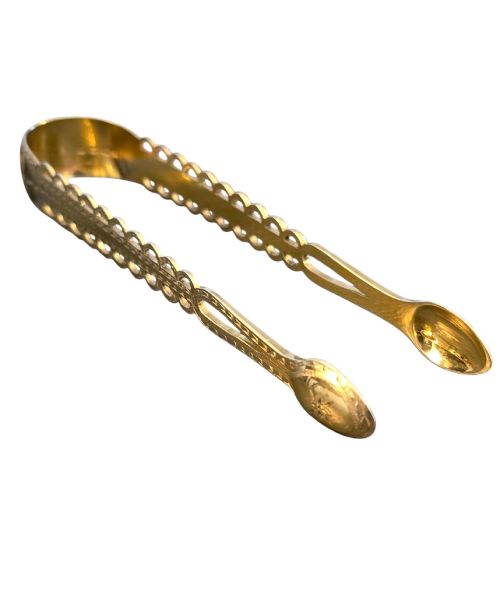
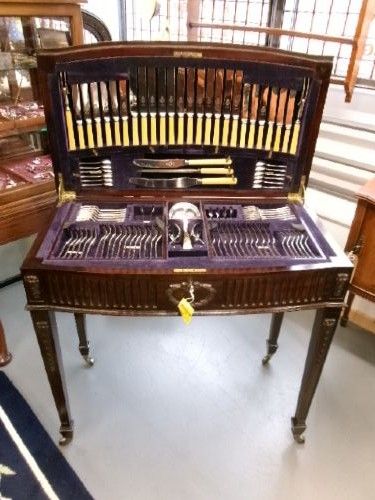
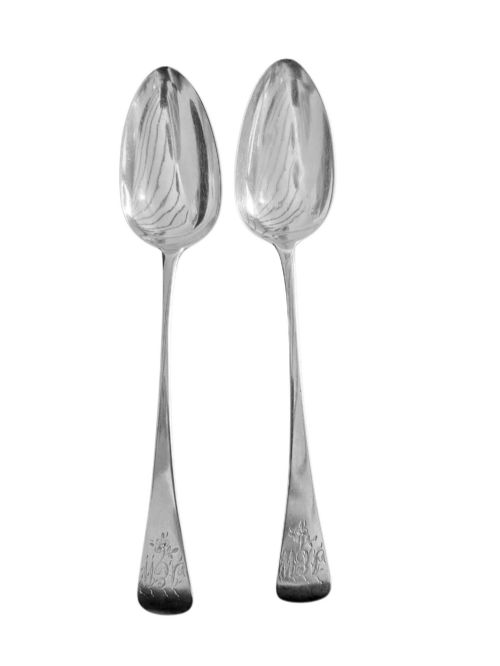
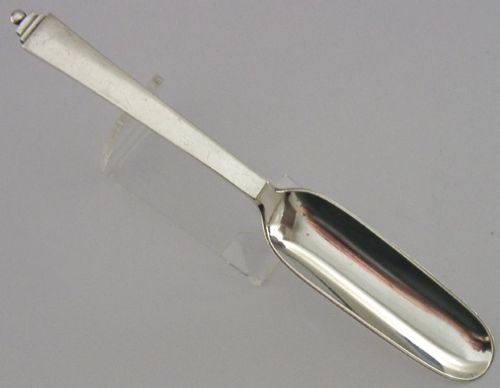
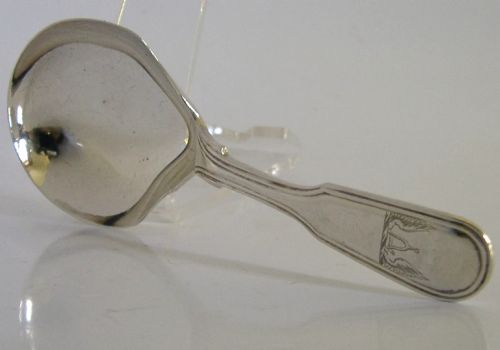
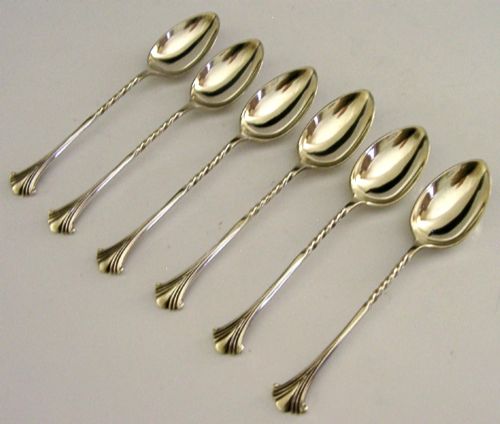
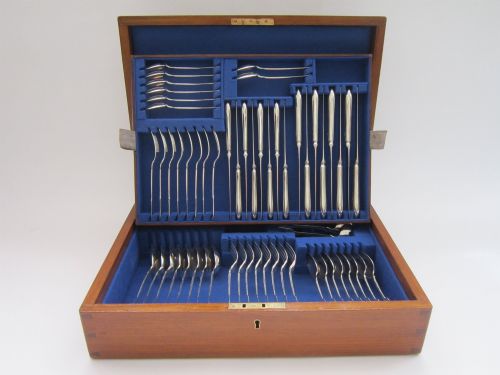
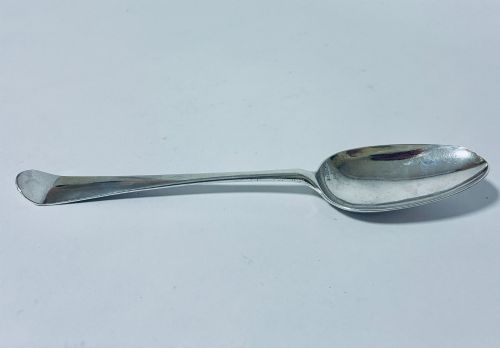
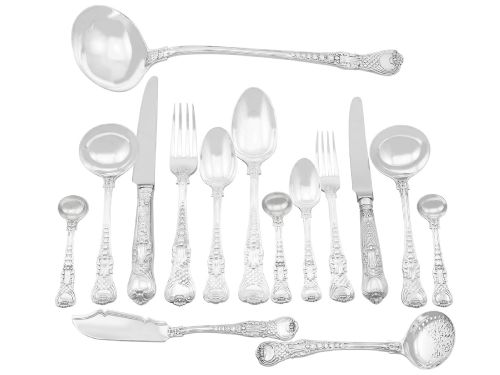
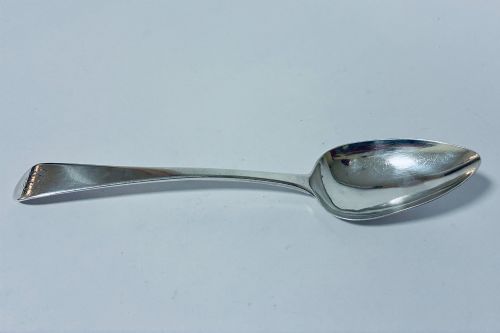
When you search for antique flatware, you encounter a diverse array of dining implements spanning from the seventeenth century through to the mid-twentieth century. The selection ranges from individual spoons and forks to complete canteens housed in mahogany cabinets, alongside specialist serving pieces like sugar tongs, basting spoons and cheese scoops.
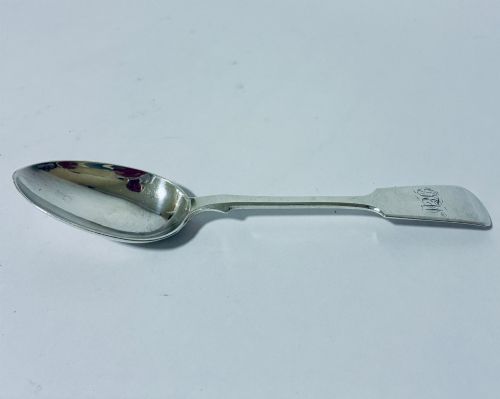
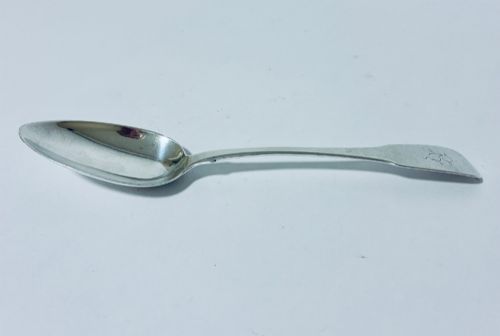
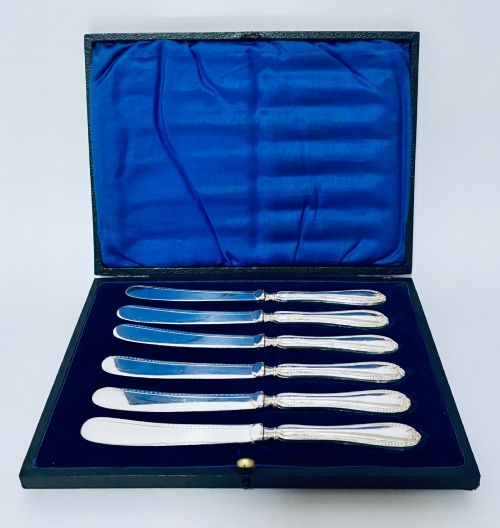
The versions you are most likely to meet on this page belong to the Georgian and Victorian periods, typically fashioned from sterling silver or solid silver. These include fiddle pattern cutlery sets, Exeter tablespoons, and cased sets of apostle spoons or butter knives.
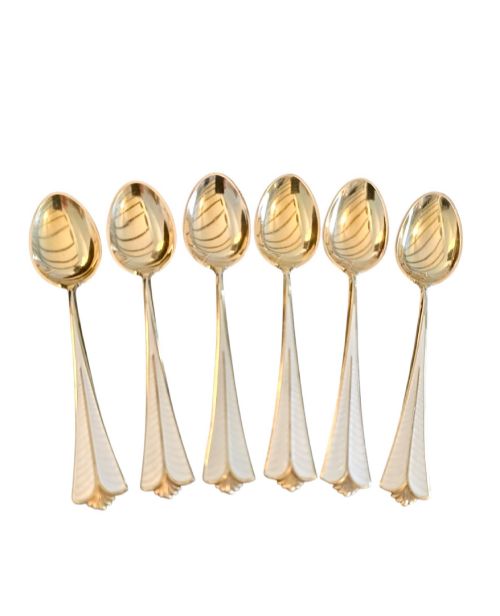
Originating predominantly from British workshops, the inventory also embraces continental European pieces such as Ottoman Turkish solid silver figural spoons, Danish silver-gilt items and American silver condiment ladles. Whether intended for a household of thirty persons or a quiet afternoon tea, these implements reflect the dining habits of their respective eras.
Materials and construction
The primary material underpinning these items is sterling silver or solid silver, occasionally enhanced with silver-gilt finishes or paired with steel for cutting edges. Makers also housed these collections in fitted wooden cabinets lined with velvet, leatherette or satin.
Construction methods relied heavily on traditional silversmithing techniques, encompassing hand-raising, forging and casting. Assay office hallmarks stamped into the metal provide definitive records of the year of manufacture, the city of origin and the maker's mark.
Listings feature sterling silver and solid silver items spanning the seventeenth to the twentieth centuries, alongside presentation canteens housed in mahogany.
Assessing quality and character
Quality in these items rests upon the weight of the silver, the crispness of engraved family crests or decorative patterns, and the integrity of the maker's mark. Heavier gauges of silver resist bending and wear during service, distinguishing robust utility pieces from lighter counterparts.
Provenance and completeness also elevate a piece, such as matching sets retaining their original fitted presentation cases or canteens. Finer examples exhibit meticulous hand-finishing, balanced proportions and distinct regional hallmarking from centres like London, Dublin, Sheffield or Exeter.
George William Adams·John Lambe·Georg Jensen·Deakin & Francis·Peter & Jonathan Bateman·Hester Bateman·Martin Hall & Co·Henry Wilkinson·John Pittar·Tiffany
The Antique Flatware Glossary
- Sterling silver
- A silver alloy containing 92.5 percent pure silver and 7.5 percent other metals, usually copper, ensuring durability for dining implements.
- Silver-gilt
- Silver objects that have been coated with a thin layer of gold on their surfaces, often seen on spoons intended for ceremonial or dessert use.
- Fiddle pattern
- A nineteenth-century cutlery handle style characterised by a narrow stem widening towards a flat, squared shoulder near the terminal.
- Hallmark
- A series of official marks stamped on precious metal items, indicating the maker, purity standard, assay office and year of production.
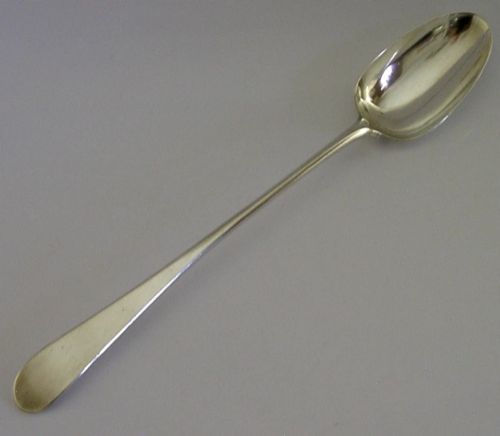
- Basting spoon
- A large spoon utilised in the kitchen or at the table for scooping and pouring juices over roasting meat.
- Trefid spoon
- An early form of spoon featuring a broad, flat stem with a notched, three-lobed terminal, popular during the late seventeenth century.
Antique Flatware: Frequently Asked Questions
How do I identify the date of my silver?
Look for the series of small stamped impressions known as hallmarks, which typically include a date letter corresponding to the assay office records of the year.
Additional marks will show the lion passant for sterling standard and the maker's initials, confirming the exact period of production.
Were canteens of cutlery used daily?
Many canteens containing thirty persons' worth of flatware were commissioned for grand households and formal dining occasions rather than everyday meals.
Over the generations, families preserved these sets in fitted mahogany cabinets lined with velvet or satin to protect the metal from tarnish.
What is a basting spoon used for?
Basting spoons are exceptionally large serving utensils designed to ladle juices, gravies or melted fat over roasting meats in the kitchen or at the dining table.
Their substantial weight and length made them practical tools during the Georgian era when large joints of meat were prepared.
Can I use antique silver for dining?
Solid silver flatware is entirely functional and sturdy enough for regular use, provided it is washed by hand in warm soapy water without harsh abrasives.
Avoid placing antique cutlery in modern dishwashers, as the strong detergents and intense heat can damage the silver and any delicate gilding.