

Antique Flatware Spoon
An antique flatware spoon is a functional piece of history, ranging from Georgian basting implements to Victorian caddy spoons, selected for daily service or display.
Antique Flatware Spoon
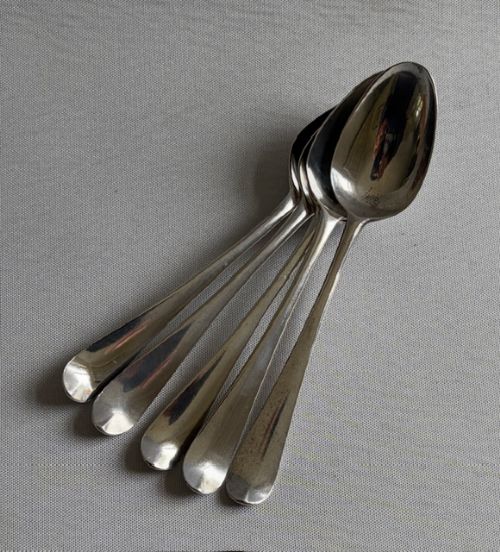
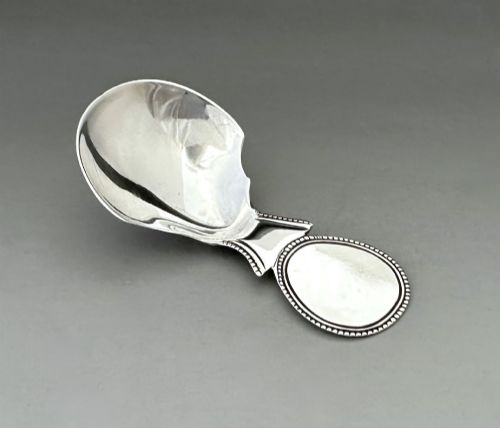
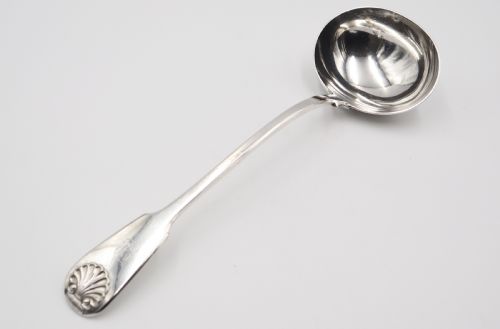
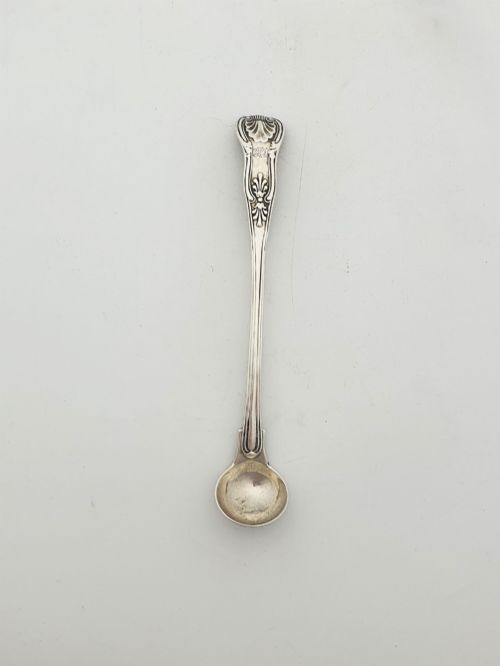
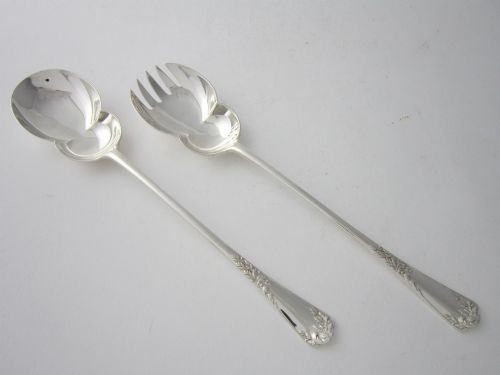
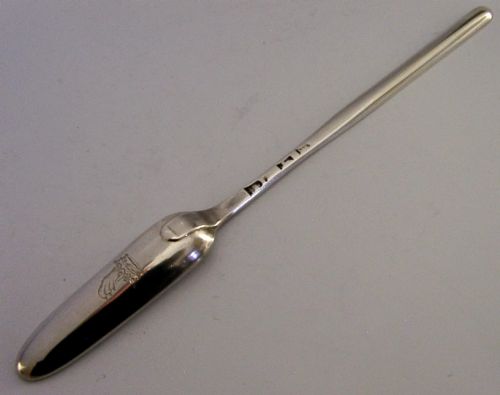
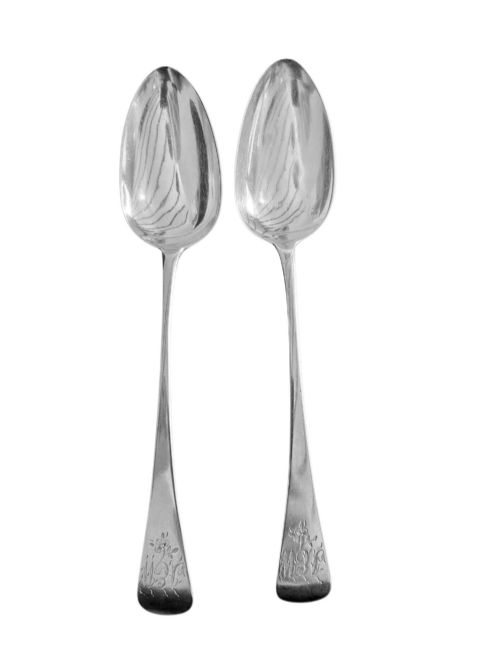
When you search for an antique flatware spoon, you find everything from heavy Georgian basting implements and Irish dessert spoons to ornate Victorian caddy spoons and fitted canteens. These pieces served practical dining and serving functions in formal households, spanning centuries of evolving dining customs.
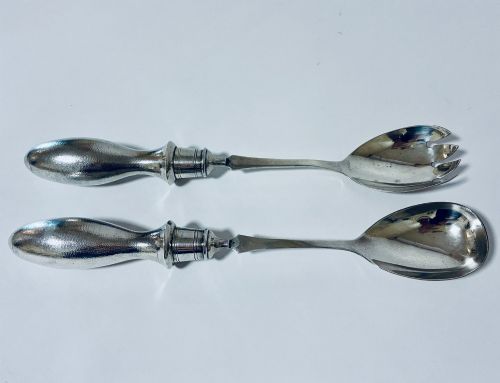
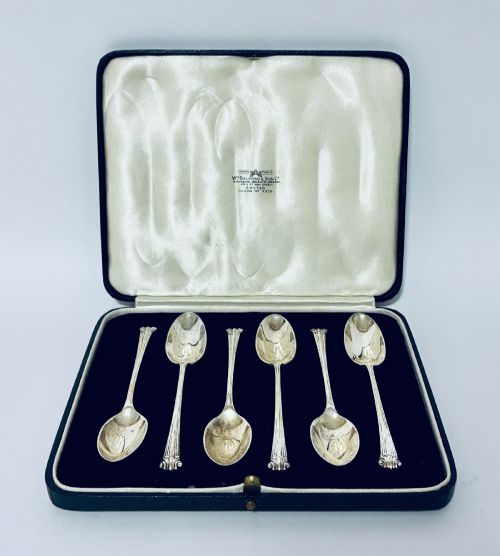
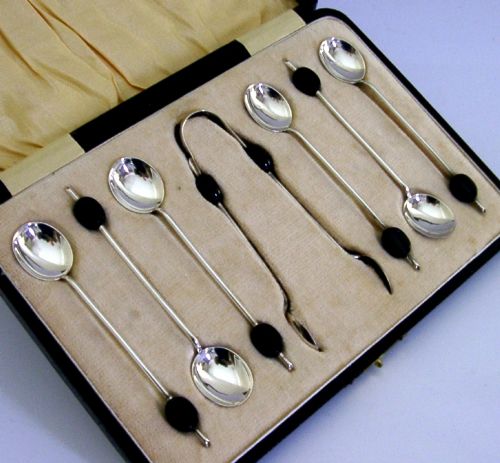
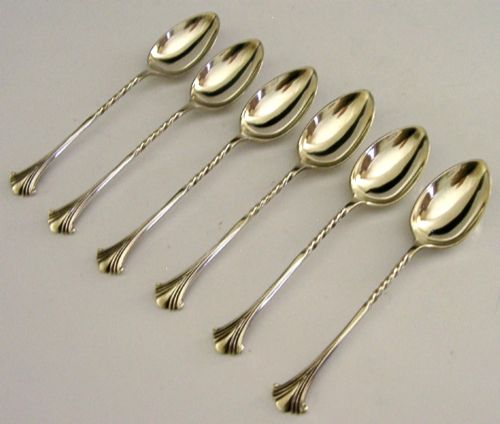
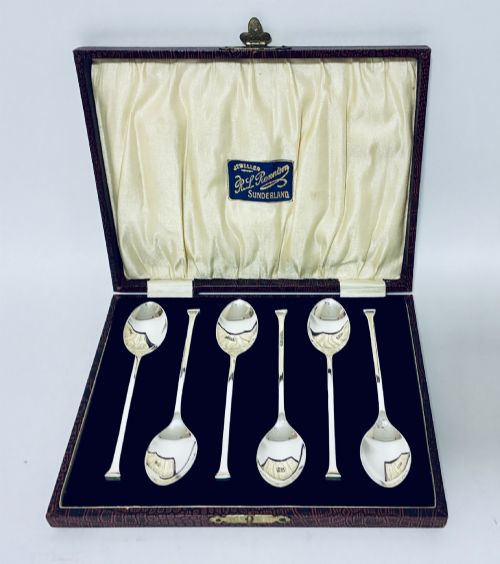
The most common examples on this page date from the eighteenth and nineteenth centuries, typically fashioned in sterling silver or solid silver. Makers produced specific forms for specific tasks, including serving spoons, gravy ladles, and small condiment or coffee spoons housed in fitted velvet or silk-lined boxes.
How they were made
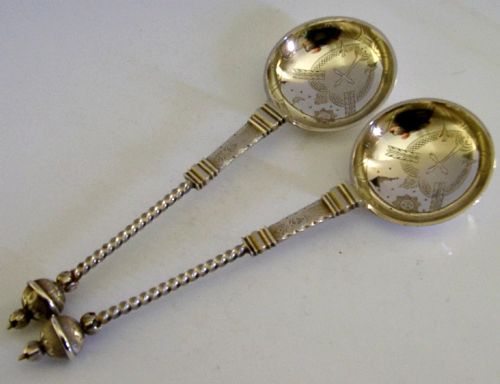
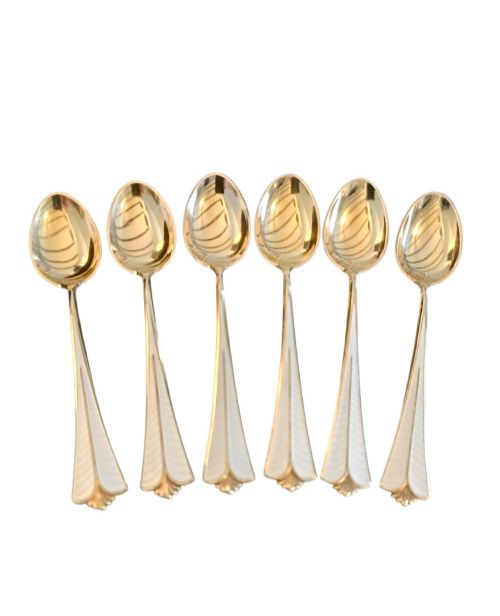
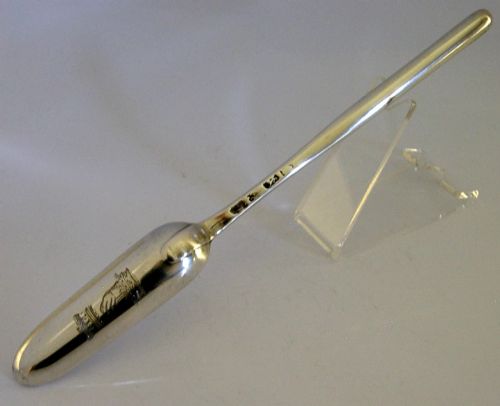
Silversmiths hammered and shaped sterling silver and silver-gilt into robust forms, often applying engraved family crests, intricate floral motifs, or distinct regional hallmarks. Many high-status items utilise gilding over silver to enrich the bowl or detailing.
Certain periods introduce specialist metals and materials alongside silver, including steel components, solid silver construction, and fitted presentation cases lined with silk, velvet, or leatherette to protect the polished metal.
Antique Flatware Spoon Retail Price Guide 2026
Typical asking prices for flatware spoon among the pieces listed under this phrase on Sellingantiques today, from the lower quarter to the upper quarter. They describe what is for sale here now, not the wider market.
Listings feature silver items spanning from the seventeenth century through to the art deco era, incorporating materials like velvet, silk, and steel.
What varies in quality
Quality rests in the crispness of the maker's mark, the weight of the metal, and the preservation of hand-engraved crests or decorative shell patterns. Heavier gauge silver retains its structural integrity through centuries of use.
The distinction between standard utility items and premier pieces often lies in the provenance of known workshops, the complexity of regional assay office stamps, and whether original fitted presentation cases survive intact.
Joseph Willmore Bham·John Lambe·Deakin & Francis·Peter & Jonathan Bateman·Hester Bateman·Martin Hall & Co·Georg Jensen·John Pittar·Tiffany·Andrew Archer
The Antique Flatware Spoon Glossary
- Hallmark
- Official stamps struck into precious metals to indicate the maker, assay office, standard of purity, and date of manufacture.
- Basting spoon
- A large, long-handled utensil utilised in large domestic kitchens for spooning juices over roasting meat.
- Caddy spoon
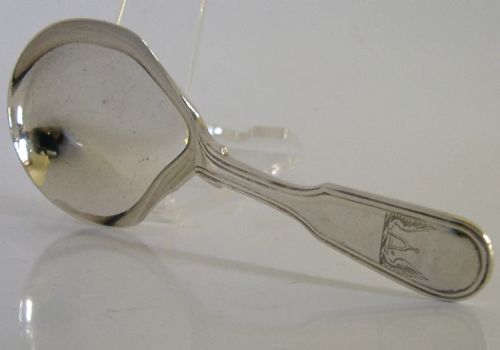
- A short-handled spoon specifically designed for measuring loose tea leaves from a storage caddy.
- Silver-gilt
- Silver objects that have been coated with a thin layer of gold on the surface, sometimes called vermeil.
- Fiddle pattern
- A nineteenth-century flatware handle design characterised by a narrow stem widening towards a squared shoulder and a flared, rounded end.
Antique Flatware Spoon: Frequently Asked Questions
How do I clean antique silver spoons?
Wash silver spoons gently in warm soapy water using a soft cloth, avoiding harsh chemical dips that strip away desirable patination.
Dry them thoroughly with a soft lint-free towel to prevent water spots and store them away from humid environments.
Can I use antique spoons daily?
Sterling silver flatware is durable and built for regular use, provided you wash it by hand rather than placing it in a modern dishwasher.
Heavier items like serving and basting spoons handle daily dining easily, while delicate antique caddy spoons benefit from more careful handling.
How do I read silver hallmarks?
Examine the reverse of the handle for stamped markers indicating the city assay office, the specific date letter, and the maker's initials.
These tiny struck symbols allow collectors to trace the exact year and workshop responsible for crafting the piece.
Why are some spoons gilt?
Silver-gilt or parcel-gilt spoons feature a microscopic layer of gold applied to the interior of the bowl or across the entire piece.
This technique protects the silver from tarnishing when touching acidic foods like fruit or tea, while also adding a decorative finish.