



Antique Flatware Box
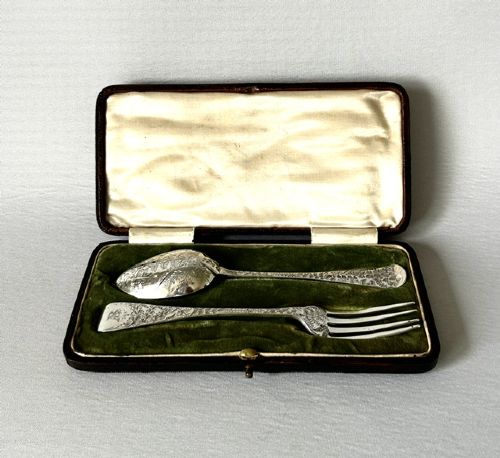
An antique flatware box protects silver and cutlery sets, housing everything from christening gifts to grand canteens in fitted velvet and silk.
Antique Flatware Box
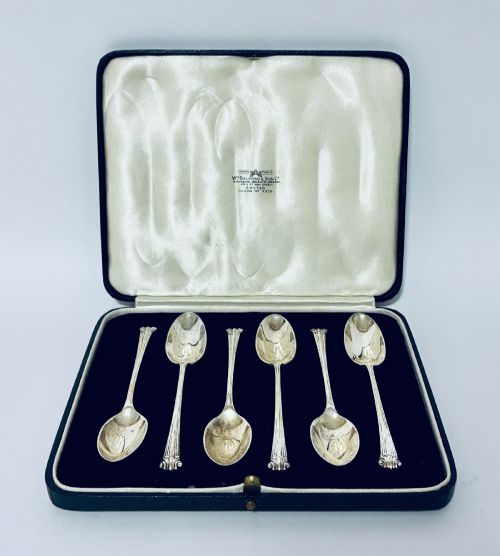
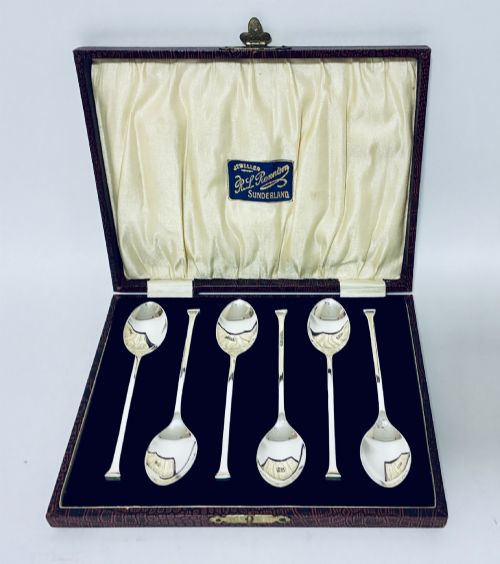
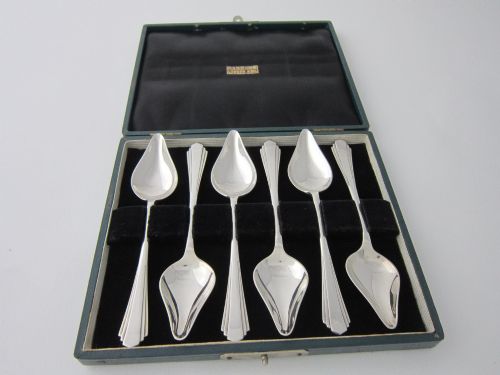
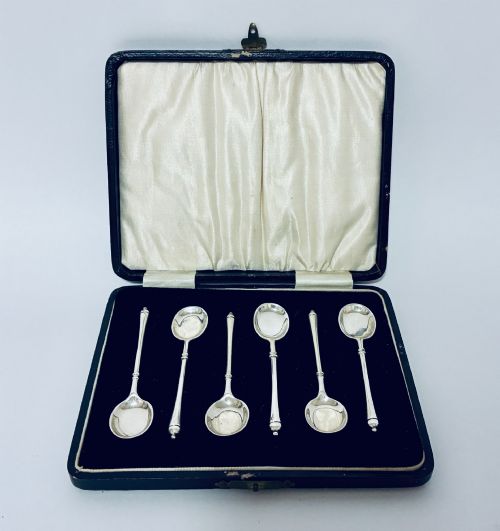
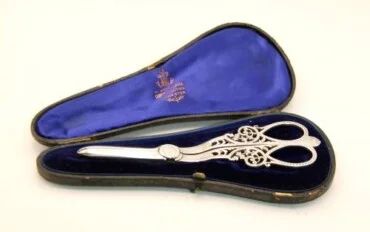
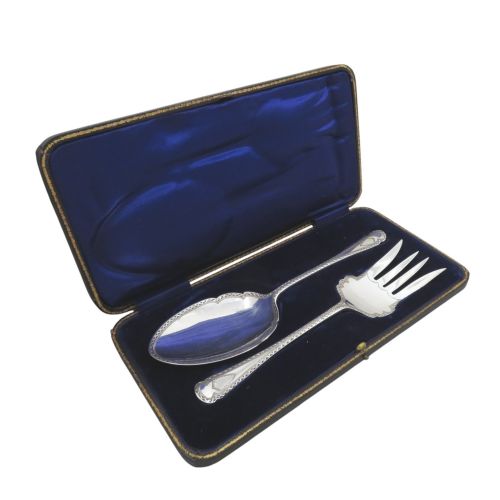
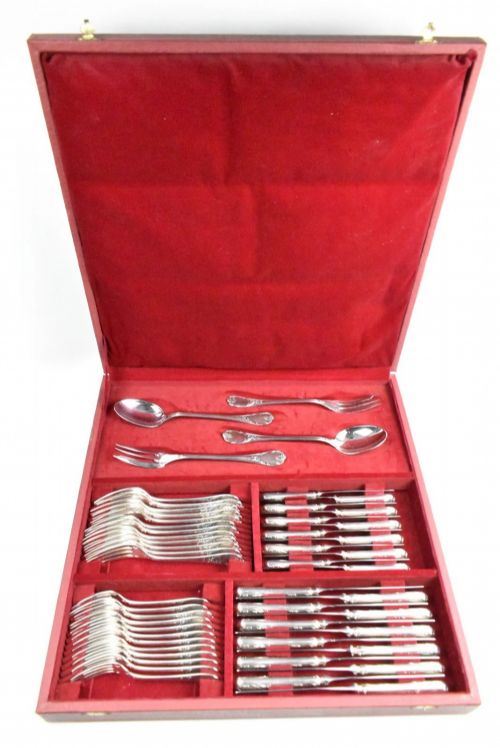
An antique flatware box or canteen holds specific sets of cutlery, serving pieces, and teaspoons, often lined with materials designed to protect polished metal surfaces.
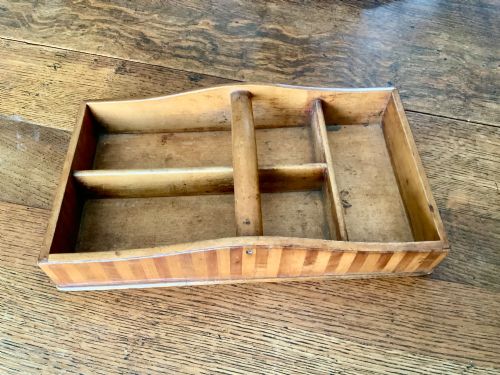
The pieces on this page span the Georgian, Victorian, Edwardian, and Art Deco periods, encompassing individual wooden boxes and complete fitted canteens.
Buyers encounter everything from mahogany stationery-style boxes to velvet-lined presentation cases housing sterling silver and silver plate.
Quality Indicators
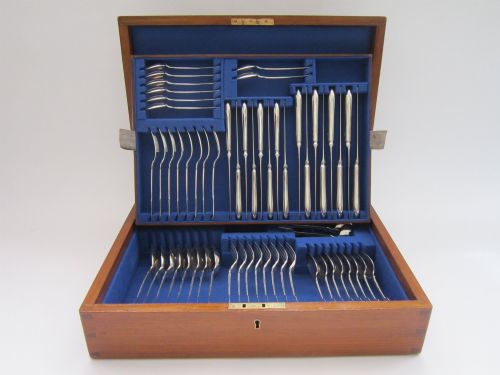
The sophistication of the internal fitting dictates much of the value, with bespoke moulded slots for individual spoons and forks showing higher craftsmanship than open compartments.
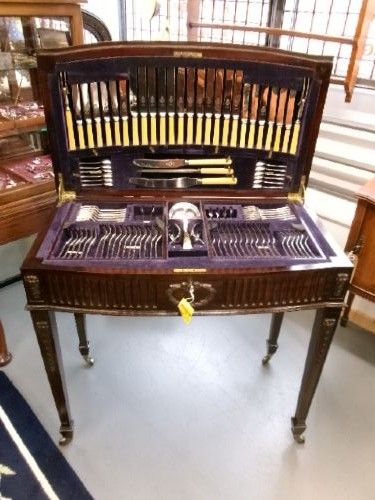
Exterior cabinetwork varies from plain timber panels to serpentine mahogany fronts with precise brass hardware.
The preservation of original textile linings - particularly clean silk and undamaged velvet - separates standard containers from exceptional survivals.
Antique Flatware Box Retail Price Guide 2026
Typical asking prices for flatware box among the pieces listed under this phrase on Sellingantiques today, from the lower quarter to the upper quarter. They describe what is for sale here now, not the wider market.
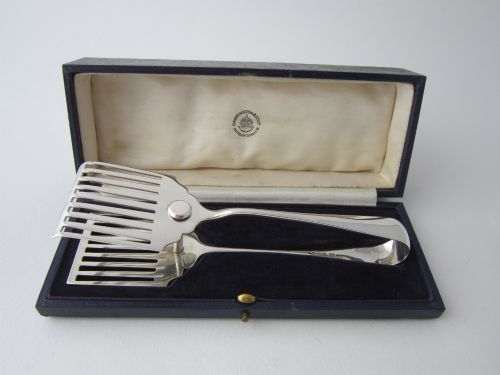
Some Edwardian canteens include specialised lobster picks and asparagus tongs, proving that earlier dining required dedicated tools for every single crustacean.
Walker & Hall·Georg Jensen·Christofle
The Antique Flatware Box Glossary
- Canteen
- A fitted box or chest designed to hold a complete set of cutlery or flatware. These containers organise service pieces into specific layers or trays.
- Fiddle Pattern
- A nineteenth-century silver handle shape widening towards the terminal with a slight shoulder. This style appears frequently on Victorian flatware sets.
- Silver Plate
- A base metal coated with a layer of silver. This technique offered a durable alternative to solid sterling silver for large canteens.
- Serpentine
- A curved shape resembling a snake, typically describing the front outline of Georgian wooden boxes. This undulating line adds architectural movement to furniture.
Antique Flatware Box: Frequently Asked Questions
What fits inside an antique flatware box?
These boxes accommodate a range of cutlery including teaspoons, fish servers, butter knives, and larger serving canteens.
Many contain fitted slots designed specifically for the exact number of pieces originally sold together, such as sets of six or twelve.
How do I date a wooden cutlery box?
The exterior timber, hardware style, and overall silhouette provide the primary clues for dating.
Georgian boxes often feature serpentine mahogany profiles with brass fittings, while Edwardian versions frequently utilise oak construction.
Are the linings inside these boxes original?
Many boxes retain their original velvet, silk, or leatherette interiors, which show wear consistent with age and use.
Original linings often feature custom indentations shaped precisely to hold specific serving spoons, forks, or knives.
Can I store modern cutlery in these boxes?
Older canteens are typically tailored to historical dimensions, meaning modern utensils with thicker handles may not fit the slots.
Smaller items like teaspoons, butter knives, and cocktail forks generally transfer more easily into these vintage compartments.