

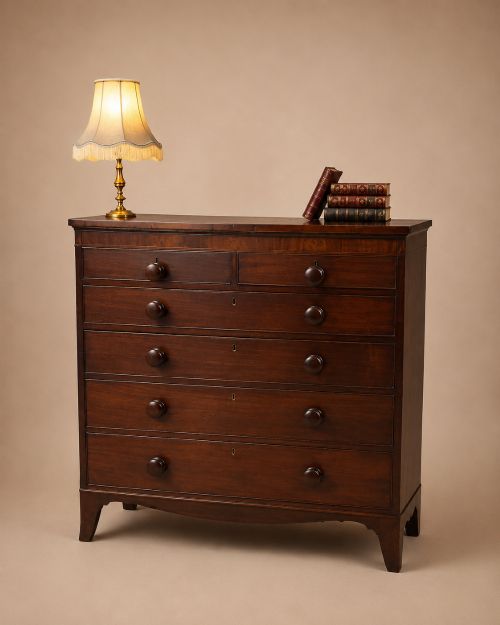
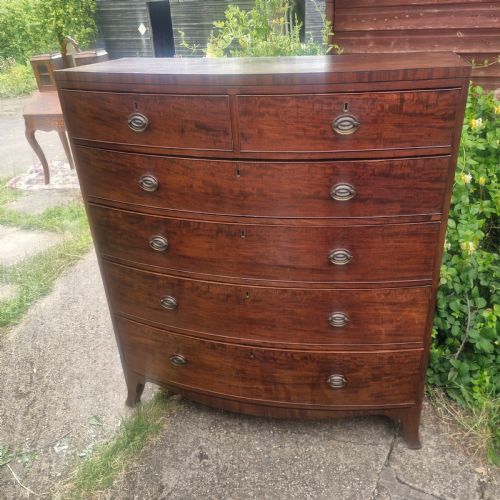

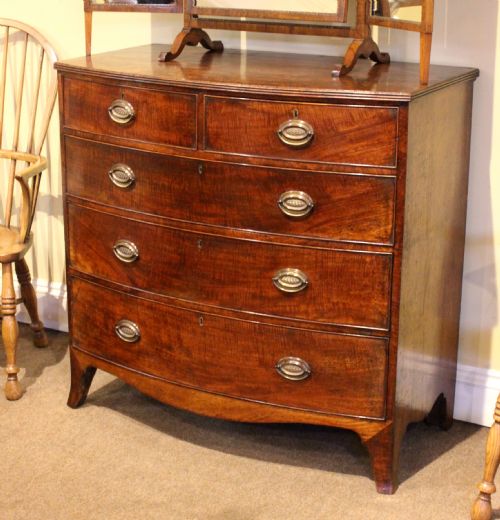
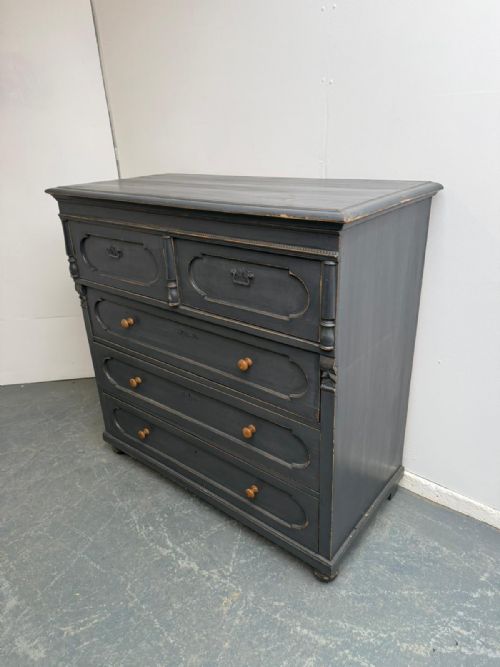


Antique Five Drawer Commode
An antique five drawer commode offers generous storage paired with striking timber grain, making it a timeless bedroom or hallway centrepiece.
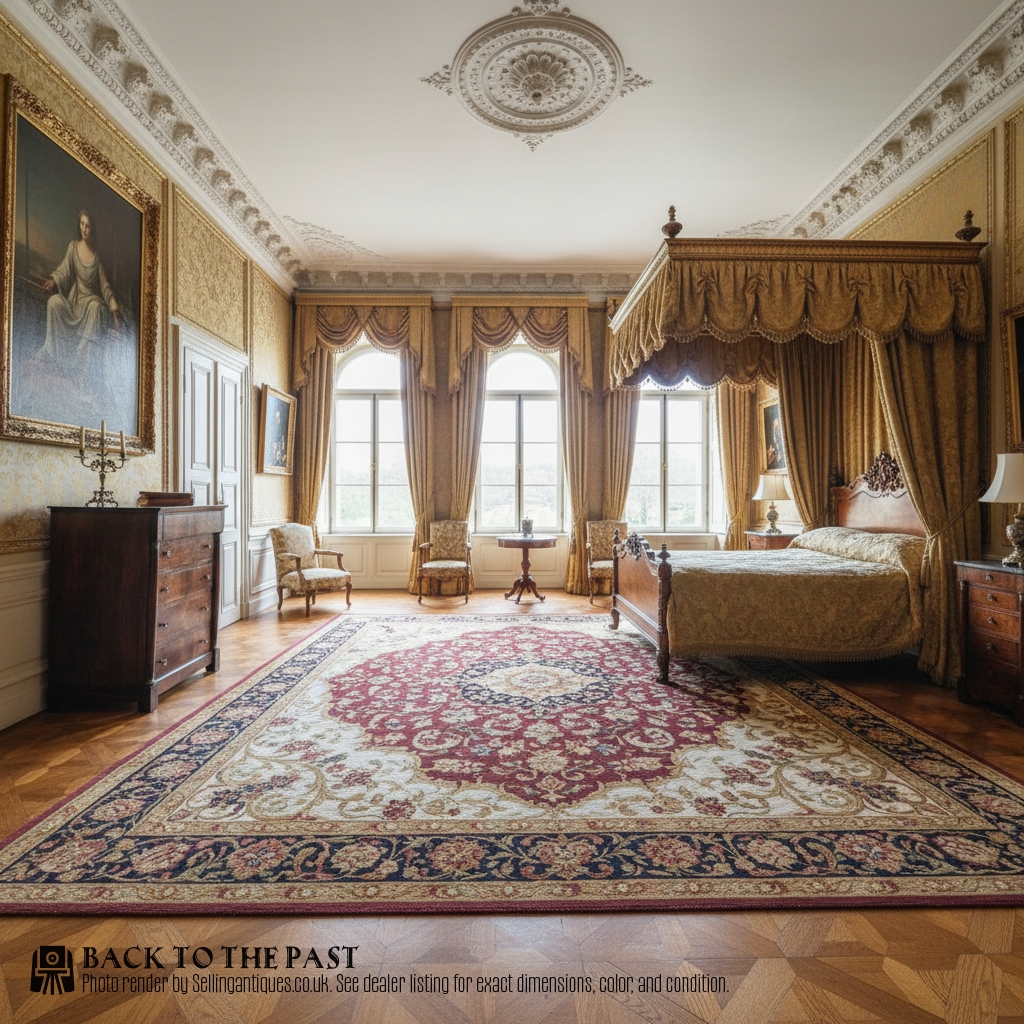
Antique Five Drawer Commode
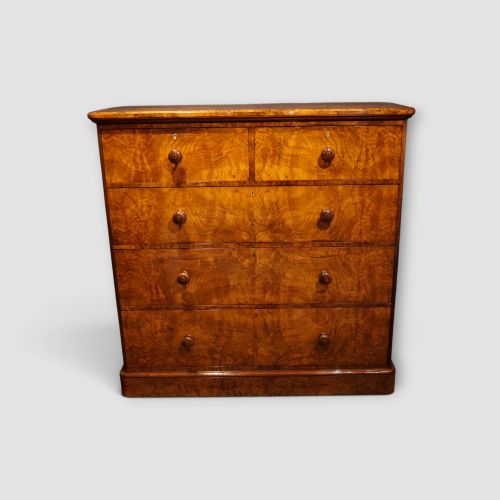
An antique five drawer commode provides substantial vertical storage through stacked internal compartments housed within a timber frame. The pieces gathered here span the eighteenth, nineteenth, and early twentieth centuries, encompassing Georgian, Victorian, Regency, and Edwardian eras.
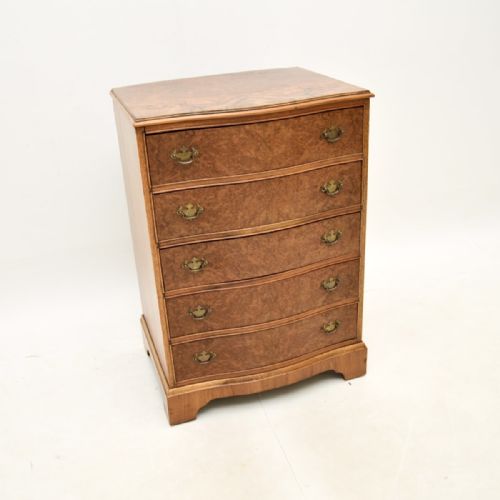
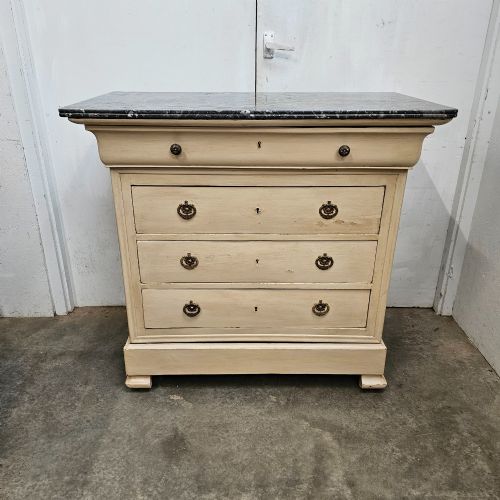
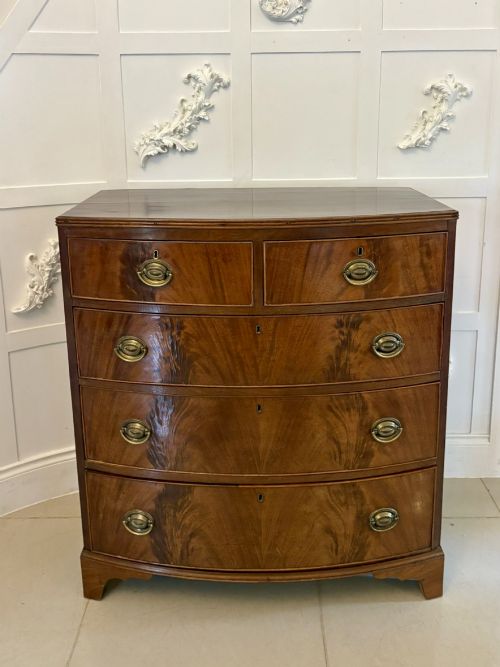
Buyers will most frequently encounter mahogany and pine examples, often shaped with bow fronts or serpentine lines. The selection ranges from British country pine and figured mahogany to continental pieces in burr walnut, flame birch, and satinwood.
Formations vary from tall, narrow tallboys to substantial low chests, reflecting the diverse domestic needs of past centuries. Each piece displays the distinct proportions and stylistic markers of its period, from strict Regency symmetry to ornate French Empire styling.
Materials and construction methods
Cabinet makers relied primarily on solid and veneered hardwoods such as mahogany, walnut, and oak, alongside utilitarian softwood like pine for secondary framing. Timber selection dictated the visual character, utilising figured mahogany and burr walnut to create dramatic surface patterns across the drawer fronts.
Construction involved traditional joinery techniques, paired with metal hardware such as brass handles and keyplates. Surface treatments ranged from polished timber finishes to painted coats, particularly seen on vernacular pine furniture.
Antique Five Drawer Commode Retail Price Guide 2026
Typical asking prices for five drawer commode among the pieces listed under this phrase on Sellingantiques today, from the lower quarter to the upper quarter. They describe what is for sale here now, not the wider market.
Assessing craftsmanship and finish
Quality rests in the selection of the timber veneers and the crispness of the cabinet work, particularly around the drawer surrounds and mouldings. Superior examples display carefully matched wood grains across the drawer tiers and maintain smooth operation within the drawer channels.
The sophistication of the design dictates the tier of the piece, moving from straightforward utilitarian pine chests to finely figured mahogany and burr walnut creations with complex bow or serpentine fronts.
The Antique Five Drawer Commode Glossary
- Bow front
- A convex curved cabinet front that projects outward in the centre. This shape was particularly popular during the Regency and Georgian periods to soften room angles.
- Serpentine
- A wavy front shape featuring a convex centre flanked by concave curves. It requires advanced woodworking skill to execute properly.
- Tallboy
- A tall chest of drawers, often consisting of a double chest stacked vertically or a tall single carcase. They maximise vertical storage space.
- Flame mahogany
- Mahogany timber sliced to reveal a distinctive flamed or feathery grain pattern. Cabinet makers reserved this premium veneer for prominent exterior surfaces.
Antique Five Drawer Commode: Frequently Asked Questions
How do I date a five drawer chest?
Dating relies on examining the construction methods, timber types, and overall styling details visible on the carcase and drawers. Regency and Georgian pieces often display specific proportions and edge mouldings distinct from later Victorian or Edwardian manufacturing.
Hardware styles and secondary timbers like pine or oak hidden inside also help establish the chronological period of the piece.
Are these chests suitable for modern bedrooms?
These pieces offer deep, practical drawer storage that easily accommodates modern clothing and domestic items. Their compact footprints allow them to fit well against bedroom or hallway walls.
Placing them in contemporary interiors introduces warmth and texture through historic timber surfaces.
What is the difference between a commode and a chest of drawers?
In British furniture terminology, the two terms often overlap when describing antique case furniture with multiple stacked drawers. Historically, commode referred to a more decorative low cabinet or chest.
Today, listings frequently use both labels interchangeably for similar multi-drawer forms.
How should I care for antique wood finishes?
Maintain the timber by keeping the piece away from direct heat sources and strong sunlight, which can dry out or fade the polish. Regular dusting with a soft, dry cloth preserves the historic surface.
Applying a suitable wax occasionally helps nourish the wood without building up heavy residues.