

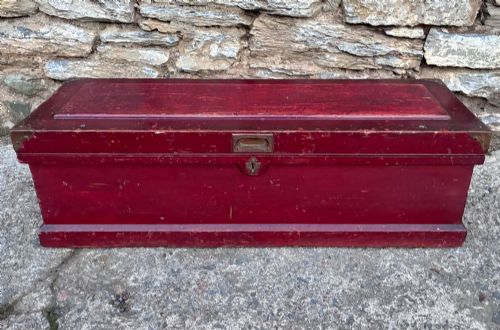
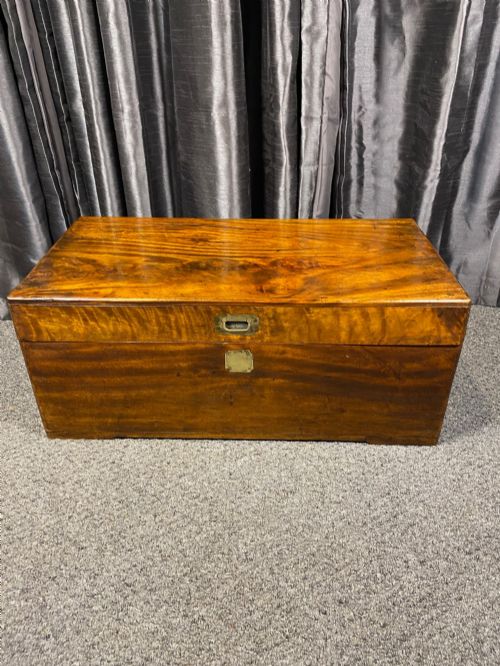
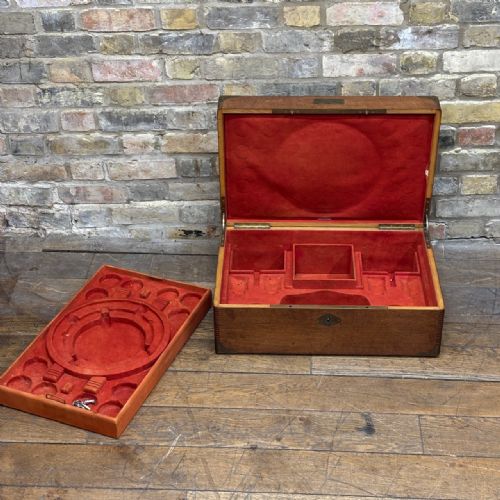
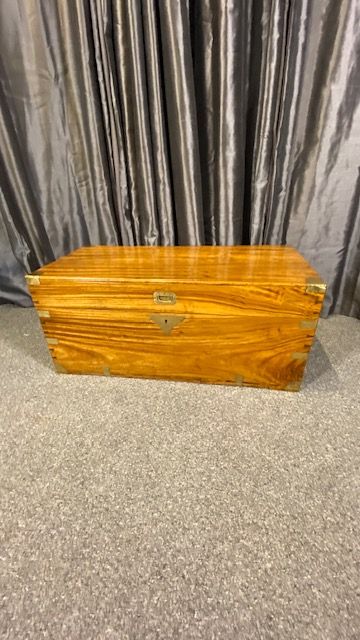
Antique Fitted Coffer
An antique fitted coffer brings robust construction and internal organisation together, offering sturdy timber storage lined with compartments for travel or estate use.
Antique Fitted Coffer
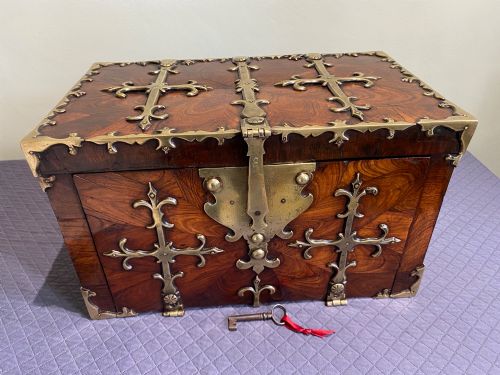
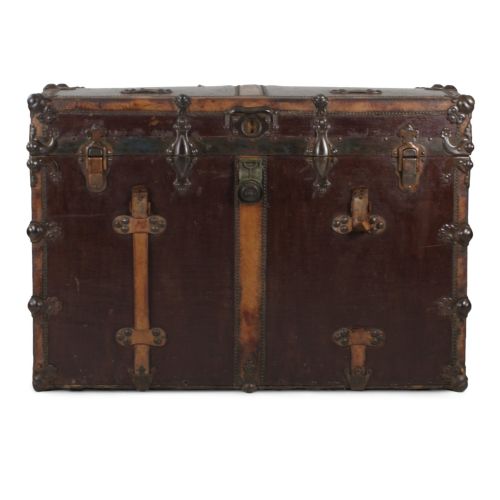
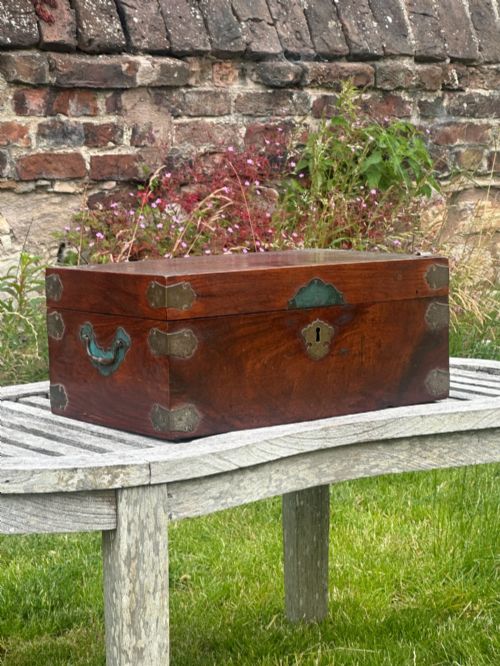
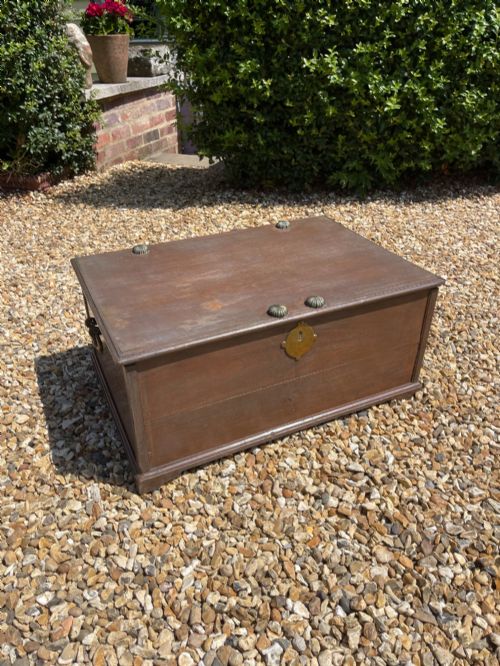
When you search for an antique fitted coffer, you encounter heavy wooden storage vessels designed for personal transport, military campaigns, or domestic organisation. These pieces range from seventeenth-century veneered examples to nineteenth-century campaign trunks fitted with internal compartments, drawers, and trays.
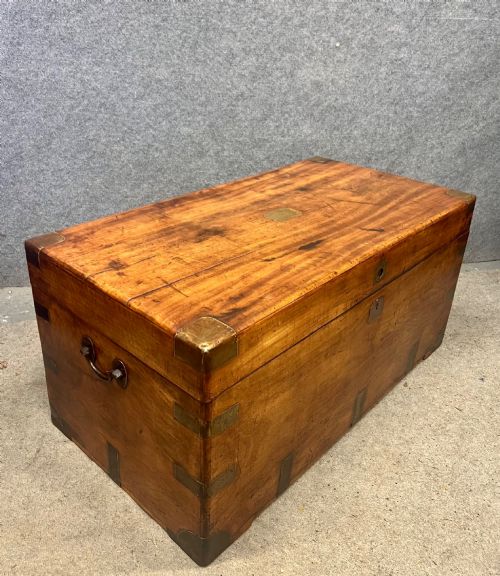
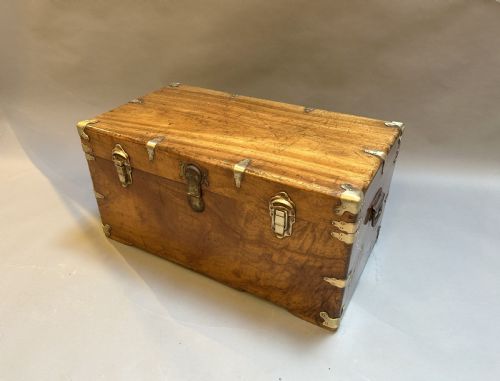
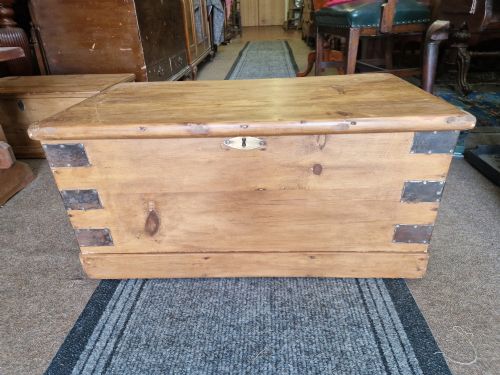
The most common versions on this page span the Victorian and Edwardian eras, executed in timbers such as oak, camphor wood, pine, and teak. Many incorporate brass corners, iron banding, and leather coverings designed to withstand rough transit.
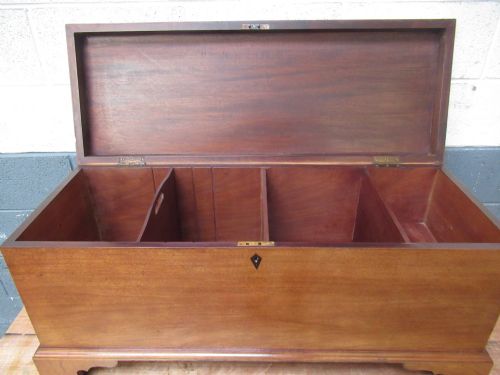
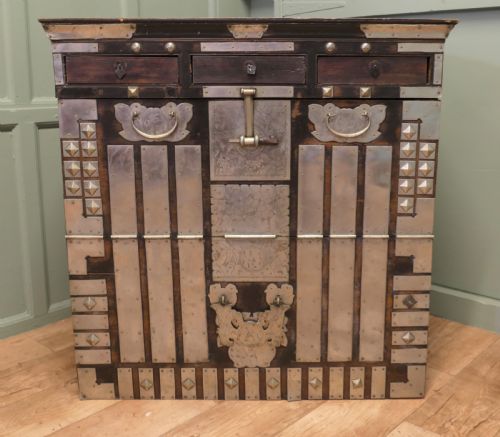
Internal configurations distinguish a simple chest from a fitted coffer. You find boxes equipped with twelve small drawers, velvet-lined writing slopes, secret compartments, and segmented trays for cutlery or silver.
How They Were Made
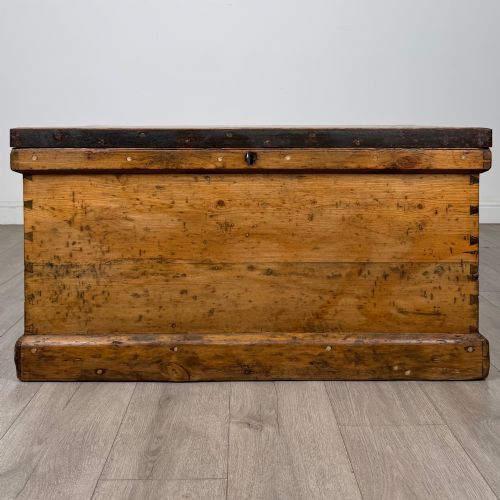
Construction relies upon solid domestic and exotic hardwoods, joined with dovetails and reinforced for heavy use. Oak and teak provide structural integrity, whilst camphor wood offers aromatic protection for garments stored within.
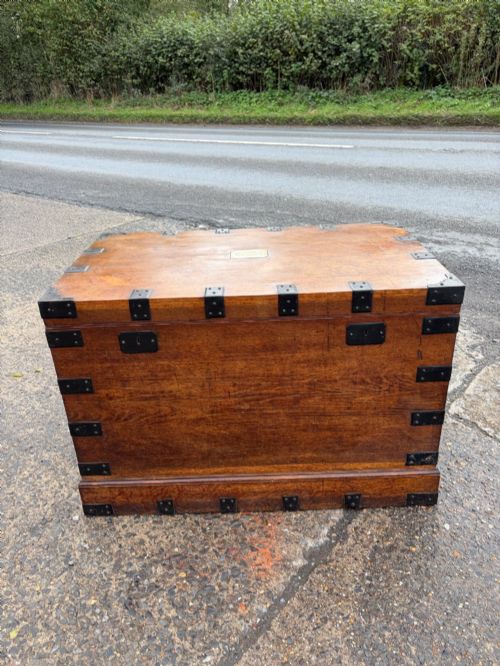
Metal reinforcement defines the category, with brass bindings, iron straps, and flush-fitting hardware protecting corners and edges during travel. Leather and canvas coverings, secured with brass tacks, provide weather resistance on exterior surfaces.
Antique Fitted Coffer Retail Price Guide 2026
Typical asking prices for fitted coffer among the pieces listed under this phrase on Sellingantiques today, from the lower quarter to the upper quarter. They describe what is for sale here now, not the wider market.
The selection includes seventeenth-century veneered examples, nineteenth-century campaign pieces, and Edwardian luggage trunks.
What Varies in Quality
Quality rests upon the integrity of the internal fittings and the precision of the hardware. The distinction between a standard pine storage box and a refined silver chest lies in the complexity of the internal drawers, secret compartments, and original locks.
Materials and execution dictate lasting value, separating utilitarian pine blanket boxes from fine hardwood campaign trunks featuring dovetailed carcases, recessed brass drop handles, and specialised maker linings.
Tanns Defiance London·Army and Navy·Elkington·Walker and Hall
The Antique Fitted Coffer Glossary
- Campaign chest
- A portable storage box constructed in sections with recessed brass handles, designed for military officers on the move.
- Camphor wood
- An aromatic timber utilised for nineteenth-century travel chests to deter insects from stored garments.
- Silver chest
- A heavy oak trunk lined to protect flatware and holloware, frequently reinforced with iron bands and stout carrying handles.
- Writing slope
- A portable desk fitted inside a box, opening to reveal a sloping writing surface and secret drawers.
- Coffre forte
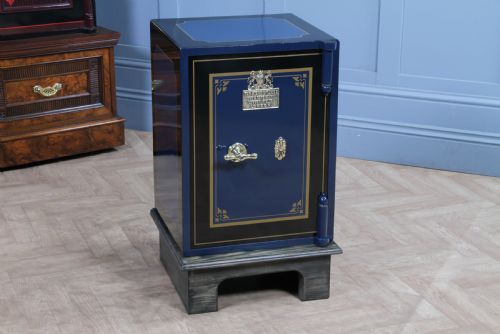
- A French term for a strongbox or secured chest, often featuring elaborate locking mechanisms and veneered surfaces.
Antique Fitted Coffer: Frequently Asked Questions
What is an antique fitted coffer?
An antique fitted coffer is a heavy wooden storage chest featuring internal compartments, drawers, or trays designed for travel or secure storage.
These pieces range from campaign trunks to silver chests, utilising durable timbers and protective metal hardware.
How were campaign coffers used?
Campaign coffers served officers and travellers on long journeys, protecting uniforms, documents, and valuables in transit.
Their modular design and recessed hardware allowed easy stacking and transport across difficult terrain.
Why use camphor wood for chests?
Camphor wood naturally repels moths and insects, making it the ideal timber for storing woollens and uniforms.
Its distinct aroma also helped keep travelling wardrobes fresh during extended colonial service.
How do I care for a wooden trunk?
Protect antique timber chests by keeping them away from direct heat sources and sudden humidity changes.
Feed dry wood with a suitable wax polish to maintain the finish and preserve the grain.