



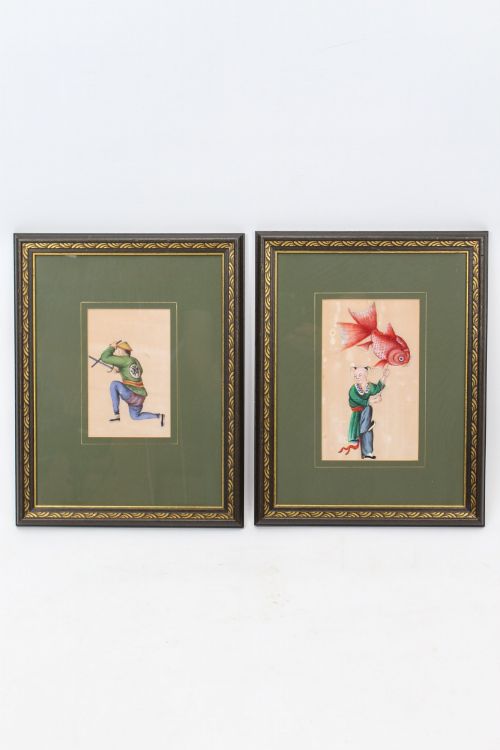
Antique Fishing Artwork
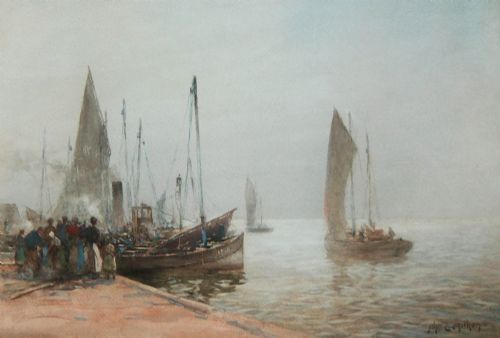
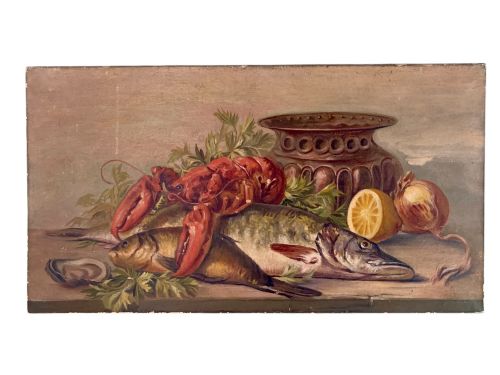
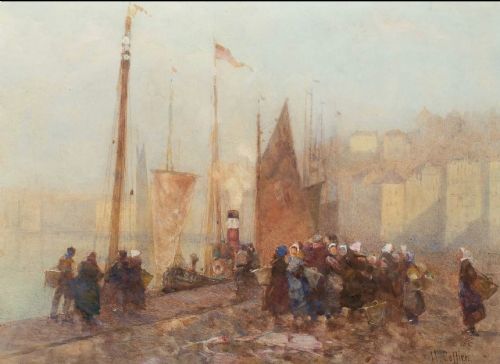
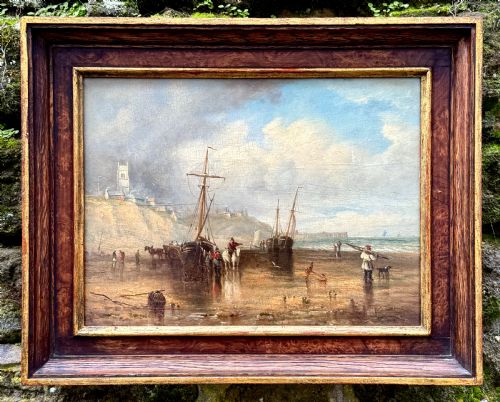
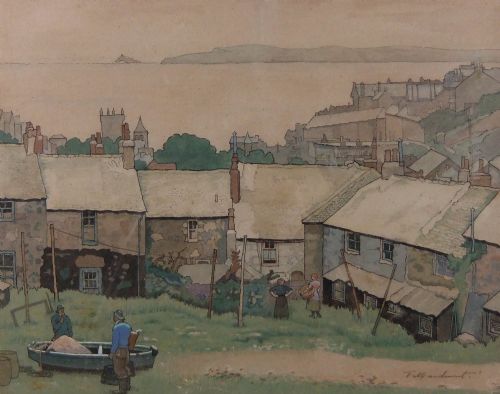
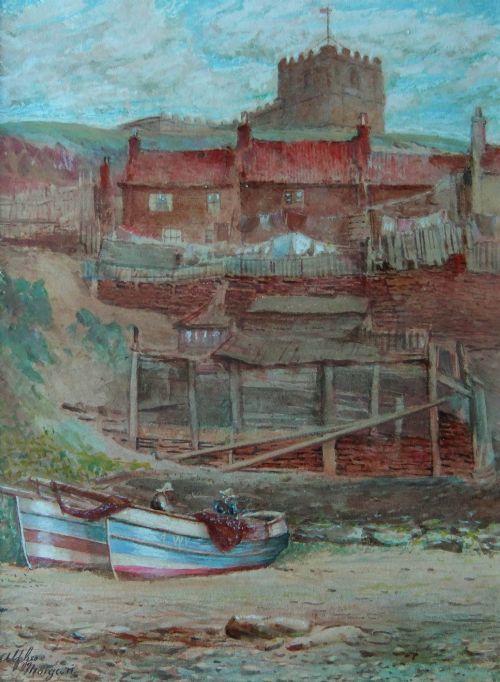
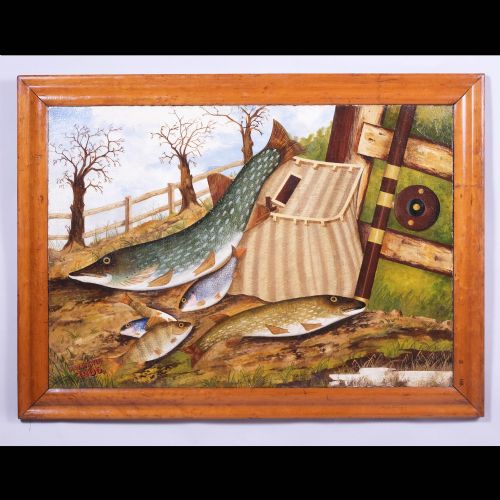
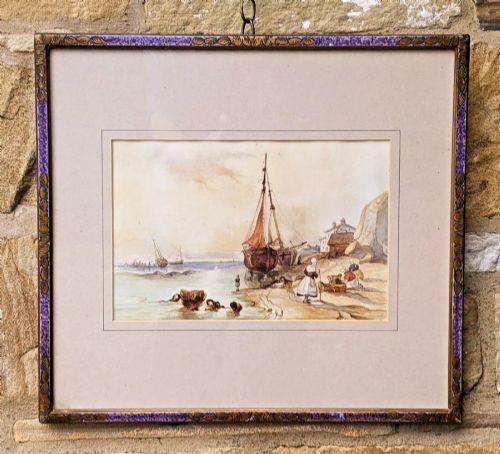
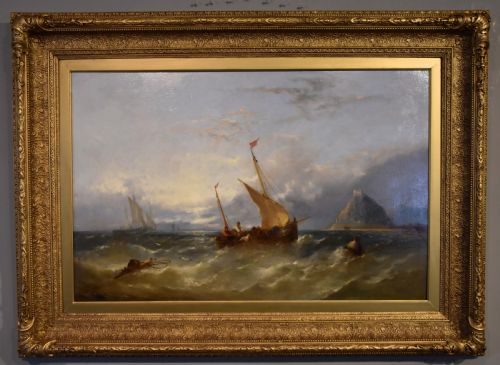
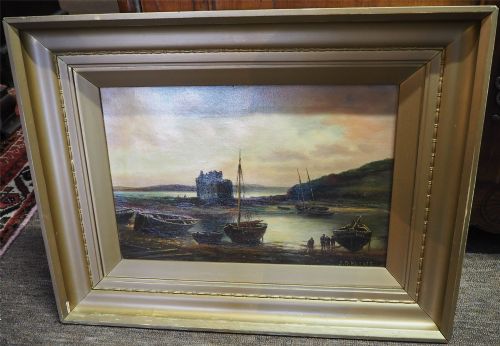
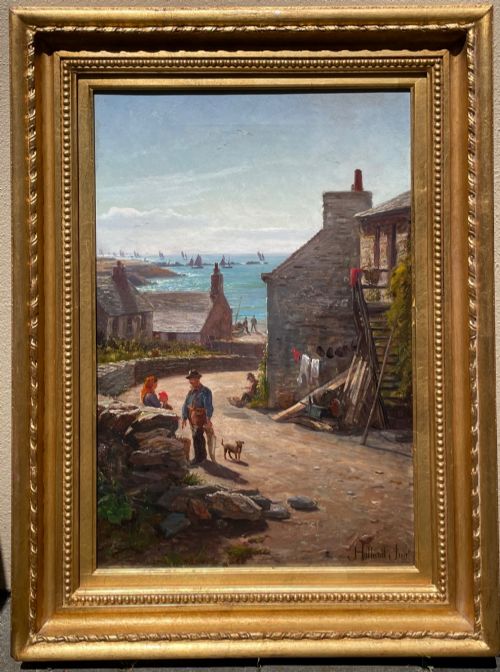
Antique fishing artwork encompasses maritime watercolours and oil paintings depicting coastal harbours, boat scenes and maritime catches from the nineteenth and twentieth centuries.
Antique Fishing Artwork
When you search for antique fishing artwork, you encounter framed paintings and watercolours depicting coastal scenes, maritime harbours and fishing vessels. The selection draws predominantly from nineteenth-century Victorian works and early twentieth-century Edwardian pieces.
Most examples portray British coastal locations such as Whitby, St Ives and Scarborough, alongside continental European ports. Common compositions capture boats at sea, docksides and harbour walls at low tide.
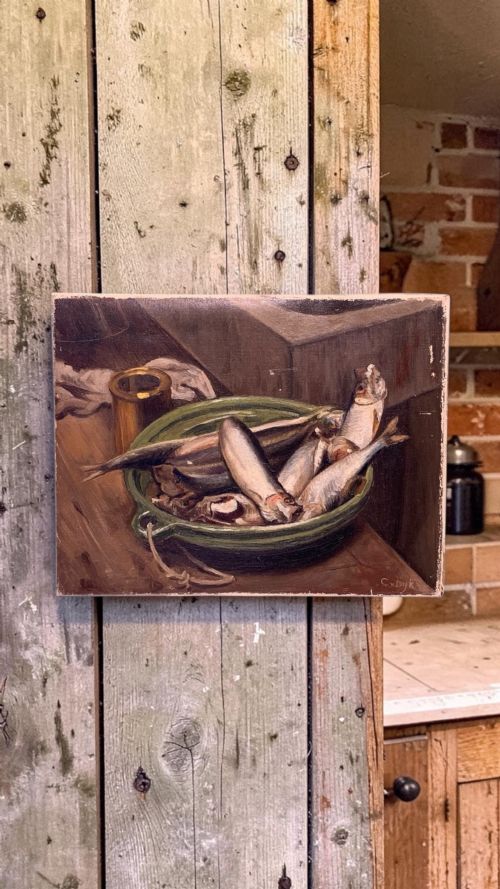
The objects take the form of watercolours on paper, oil on canvas, and oil on wood panel. These pieces reflect the nineteenth-century and early twentieth-century preoccupation with maritime and genre subjects.
Materials and technique
Artists applied oil paint to stretched canvas or wooden panels, building up surface texture and atmospheric marine light. Watercolour pigment was worked onto paper to achieve translucent coastal skies and reflective harbour water.
Framing typically involved carved or moulded wood, often gilt, which protected the paper or canvas surface. Pigments and binders varied according to the period, supporting both studio painting and plein-air observation.
Listings span the nineteenth century, Edwardian period, and mid-twentieth century, executed in oil and watercolour on paper, canvas and wood panel.
Distinctions in execution
Quality rests in the handling of light, shadow and movement within the water and vessels. Skilled artists captured atmospheric weather conditions and convincing perspective rather than static illustration.
The fidelity of architectural and maritime detail distinguishes accomplished works from simpler decorative pieces. Provenance and clear artist attribution further elevate the standing of an individual painting.
James Orrock·Thomas Creswick·Henry Barlow Carter·Charles Napier Hemy·Thomas Bush Hardy
The Antique Fishing Artwork Glossary
- Seascape
- A work of art depicting the sea, coastal views or maritime activity. These compositions frequently feature fishing boats, harbours and coastal cliffs.
- Watercolour
- A painting method in which the pigments are suspended in a water-based solution. Artists applied these translucent washes primarily to paper supports.
- Oil on Canvas
- Pigments bound in a drying oil applied directly to a woven fabric stretched across a wooden frame. This medium allowed for rich texture and deep colour layering.
- Panel
- A rigid wooden support used by painters instead of canvas. Artists often worked in oil on these surfaces during the nineteenth and early twentieth centuries.
- Genre Painting
- Depictions of aspects of everyday life, including fishermen at work and harbour markets. These scenes recorded contemporary social activities.
Antique Fishing Artwork: Frequently Asked Questions
What periods do these pieces date from?
The works span the nineteenth century through the mid-twentieth century, with strong representation from the Victorian and Edwardian eras. Artists recorded coastal life across decades of industrial and maritime change.
Dates are established through signatures, framing styles, materials and archival records associated with the named painters.
How were these paintings displayed originally?
Owners mounted these framed watercolours and canvases in domestic interiors, parlours and country houses. They served as decorative focal points celebrating British maritime heritage.
Original giltwood frames often accompanied the works, providing protection and visual weight to the composition.
How do I identify coastal locations in the artwork?
Many titles and inscriptions record specific ports such as Whitby, St Ives, Scarborough and Anstruther. Harbour landmarks, ruined abbeys and coastal topography offer further geographical clues.
Artists frequently inscribed titles directly onto the reverse of the canvas, stretcher or paper mount.
How should I care for antique paper watercolours?
Watercolours on paper require protection from direct sunlight to prevent fading of the pigments. Acid-free mounting and framing help preserve the paper substrate over time.
Display environments should maintain stable humidity levels to avoid warping or foxing on the paper surface.