





Country Gentleman Painting
A country gentleman painting captures the traditional character and landed pursuits of rural life through oil on canvas, watercolour, and miniature portraiture.
Country Gentleman Painting
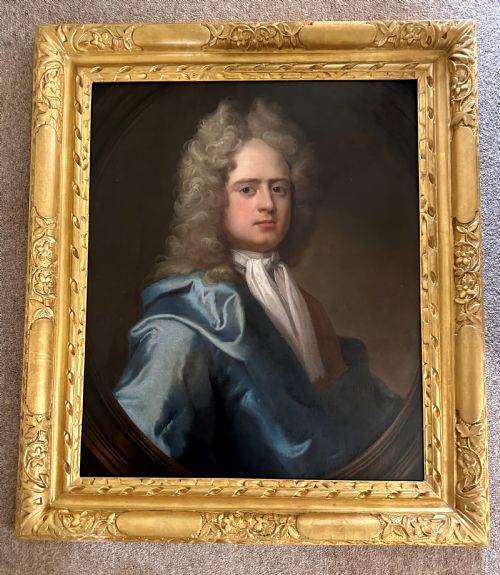
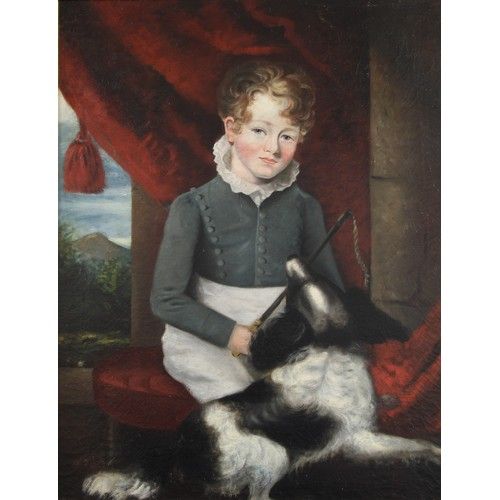
When you search for a country gentleman painting, you are looking at historical depictions of landowners, sportsmen, and figures from rural life across the 18th, 19th, and early 20th centuries. These works span oil paintings, watercolours, and portrait miniatures, recording individuals alongside their dogs, horses, and rural estates.
On this page, the pieces you are most likely to meet include portraits from the 19th century and the Georgian period, often created by the English School or identified artists. Subjects frequently appear with riding crops, fishing rods, or shotguns, reflecting outdoor pursuits like hunting, angling, and shooting.
The selection also reaches into genre scenes and historical genre paintings, showing gentlemen at blacksmiths, playing bowls, or traversing countryside landscapes. Alongside canvas works, you will encounter miniature portraits and Staffordshire flatback figures representing similar rural characters.
How they were made
The primary technique seen across these listings is oil on canvas, which allowed artists to build rich textures in coats, landscapes, and sporting equipment. Watercolours provide a lighter alternative, often utilised for intimate portrait miniatures that capture fine facial details on a small scale.
Frames play a structural and aesthetic role, with giltwood and gold leaf frames frequently enclosing the canvases to complement the period style. Wood forms the backing and stretcher structures, while glass protects delicate watercolours and portrait miniatures from environmental wear.
Materials recorded across the inventory include oil, canvas, watercolour, glass, gold leaf, giltwood, and wood.
What varies in quality
Quality in a country gentleman painting often rests on the precision of the portraiture and the handling of the surrounding environment, such as the rendering of a hunting dog or a riverbank. Works by named artists or established members of the English School typically display greater anatomical accuracy in figures and animals.
The preservation of the canvas, oil pigments, and original gold leaf or giltwood framing also distinguishes finer examples. Faded watercolours or degraded varnish can diminish a piece, whereas crisp brushwork and well-maintained frames elevate the standing of the work.
John Arthur Lomax·Frank Moss Bennett·Heywood Hardy·AE Chalon·Michael Dahl·Benjamin Marshall
The Country Gentleman Painting Glossary
- Oil on Canvas
- Pigment mixed with drying oil applied to a stretched woven fabric support. This combination provides durability and depth of colour.
- Watercolour
- Paint made from water-soluble pigments applied to paper. It creates transparent washes often seen in portrait miniatures.
- Giltwood
- Wood carved and covered with a thin layer of gold leaf or metal powder. It is commonly found on traditional picture frames.
- Portrait Miniature
- A small, highly detailed painting usually executed on a diminutive scale. These portable works were popular during the Georgian period.
- Genre Painting
- The pictorial representation of scenes from everyday life. In this context, it includes gentlemen engaged in rural sports or social activities.
Country Gentleman Painting: Frequently Asked Questions
What is a country gentleman painting?
These works are historical portraits and genre scenes depicting landowners, sportsmen, and rural figures, often accompanied by dogs, horses, or sporting equipment.
They serve as a visual record of 18th, 19th, and early 20th-century rural life and traditions in Britain.
How were these paintings used?
Landowners and families originally commissioned or acquired these portraits to display lineage, status, and sporting achievements in country houses.
Today, they function as decorative fine art that brings a traditional, historic atmosphere to domestic interiors.
How do I live with a country gentleman painting?
These works suit traditional studies, living rooms, and hallways, where their rich oil tones and gilt frames complement wooden furniture and period interiors.
Position them away from direct sunlight and damp environments to protect the canvas, watercolours, and gold leaf framing.
How do I tell periods apart?
Georgian and 18th-century pieces often feature distinct costume details like powdered hair and formal waistcoats, alongside more restrained portrait compositions.
Later 19th-century and Edwardian works, including those from 1900 and 1920, frequently incorporate looser brushwork, broader landscape backgrounds, and everyday sporting attire.