



Antique Fireplace Stool
An antique fireplace stool brings low, practical comfort and hearthside warmth to a room, spanning rustic milking forms to polished mahogany and brass footmen.
Antique Fireplace Stool
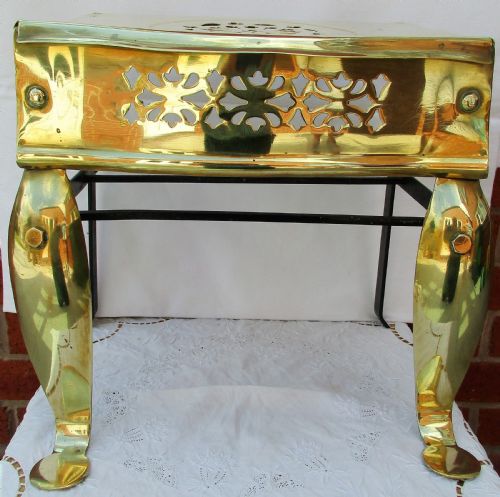
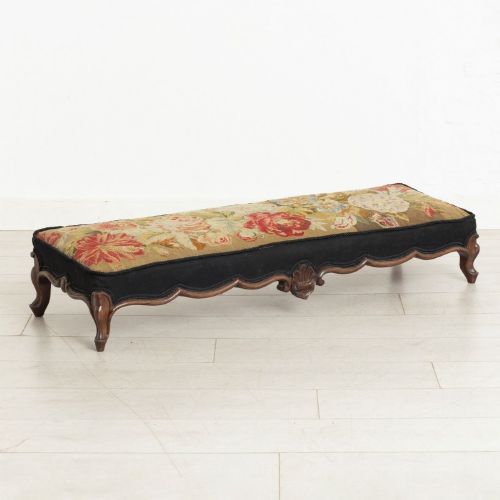
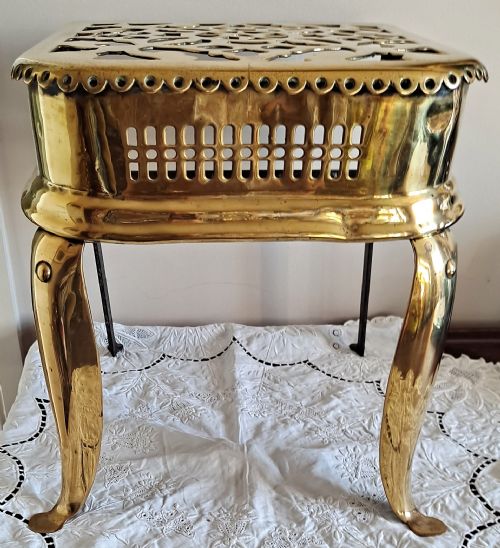
An antique fireplace stool encompasses low seating and hearth accessories designed for use beside the fire, including footstools, fender stools and brass footmen.
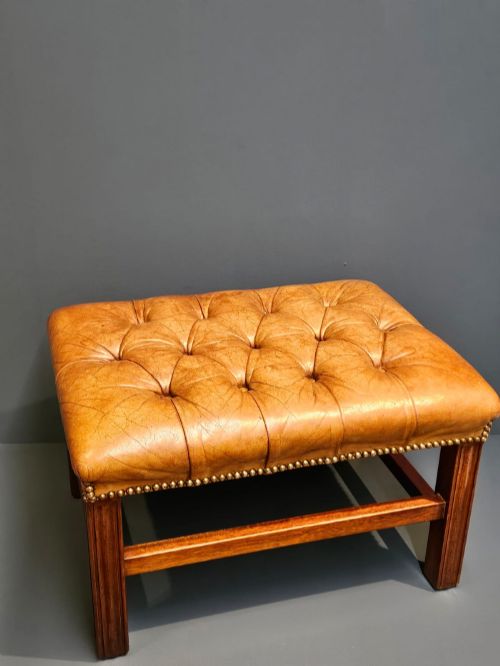
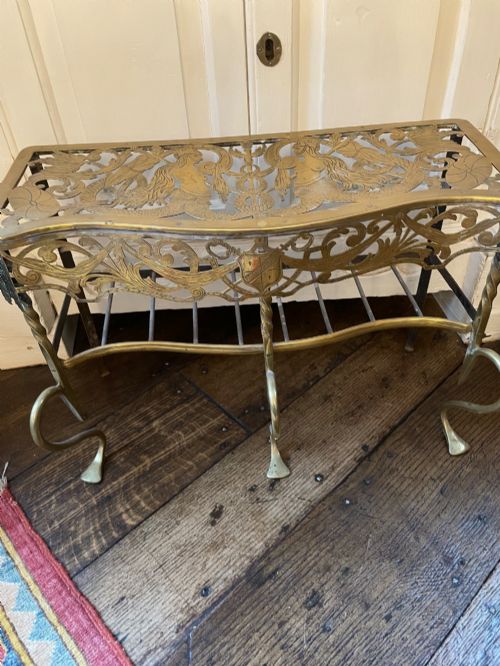
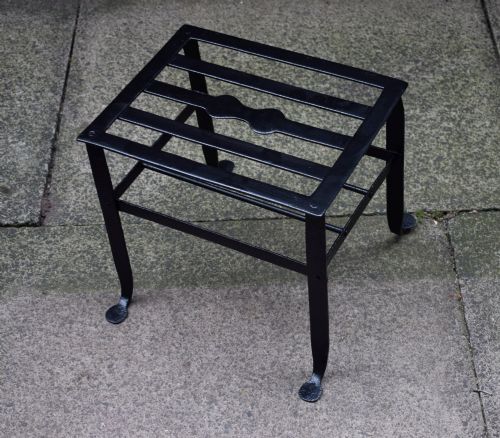
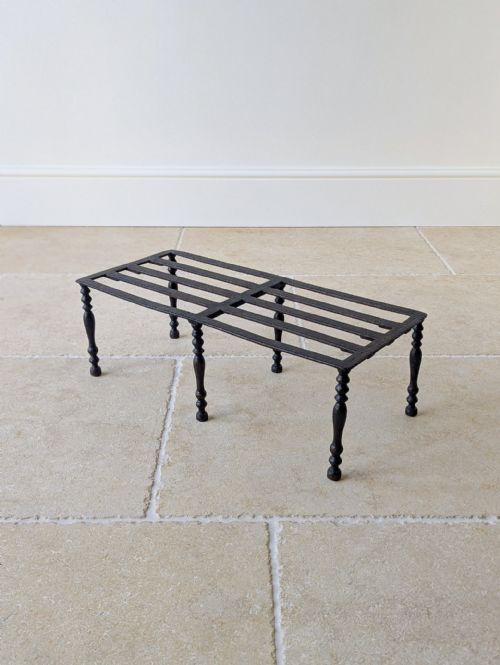
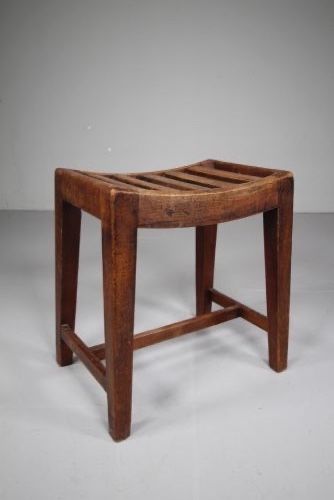
The pieces appearing here range from 18th-century Georgian country-house iron hearth footmen and mahogany framed stools to Victorian walnut designs and Edwardian long upholstered footstools.
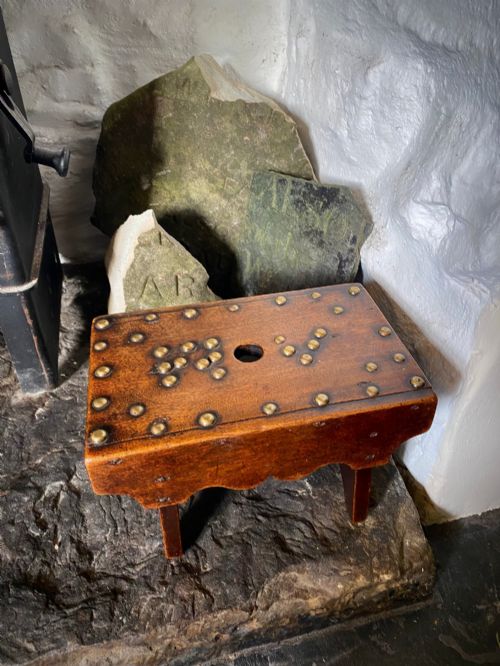
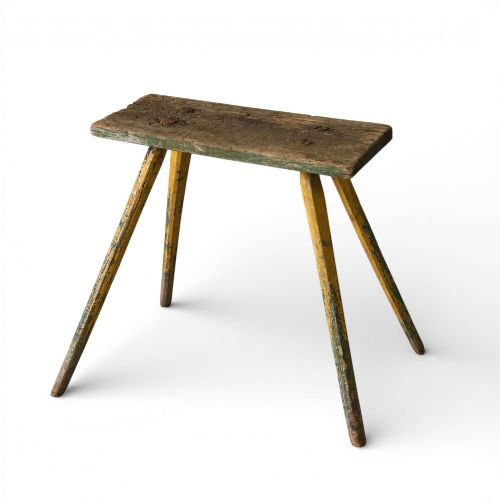
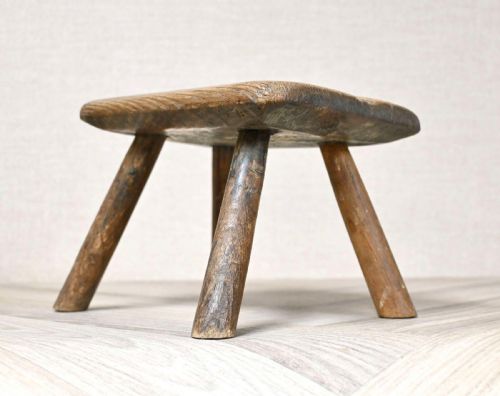
Buyers will encounter simple rustic milking stools with original paint alongside formal cabriole-legged walnut examples and steel footmen meant for warming plates.
How they were made
Maker construction combines native hardwoods such as mahogany, walnut, oak, elm and timber frames with durable metals including brass, steel, iron and wrought iron.
Upholstered variants rely on textiles, original fabric, leather and kilim coverings applied over wooden frames, whilst metal footmen utilise riveted and forged plates.
Antique Fireplace Stool Retail Price Guide 2026
Typical asking prices for fireplace stool among the pieces listed under this phrase on Sellingantiques today, from the lower quarter to the upper quarter. They describe what is for sale here now, not the wider market.
Listings span periods from the 18th century through the Georgian, Victorian and Edwardian eras, utilising brass, mahogany, walnut, iron and textile.
What varies in quality
Quality separates through the integrity of timber selection, such as finely shaped mahogany or figured walnut, compared against simpler country elm or rustic timber.
The refinement of metalwork marks a distinction between heavy wrought iron and polished brass footmen, alongside the preservation of original fabric, leather and paint surfaces.
The Antique Fireplace Stool Glossary
- Footman
- A metal stand placed by the hearth to warm plates or heat water. These pieces are frequently formed from brass and steel.
- Fender stool
- A long, low stool designed to sit in front of a hearth fender. They often feature walnut frames and upholstery.
- Cabriole leg
- A furniture leg that curves out and then in, resembling an animal's leg. This shape appears on Georgian and Victorian walnut stools.
- Kilim
- A flat-woven carpet or rug used as a textile covering. These textiles provide patterned upholstery on nineteenth-century frames.
Antique Fireplace Stool: Frequently Asked Questions
What is a fireplace footman?
A fireplace footman is a metal stand placed near the hearth to keep food warm or heat plates.
They are typically constructed from brass and steel with sturdy legs.
How do I use a fender stool?
A fender stool is positioned directly in front of the hearth fender to provide low seating near the fire.
Long Victorian and Edwardian examples fit neatly along wider fireplace surrounds.
What woods were used for stools?
Maker workshops utilised hardwoods such as mahogany, walnut, oak and elm for their frames.
Finer formal pieces feature polished mahogany or walnut, while rustic items rely on simple timber.
How do I identify a Georgian stool?
Georgian pieces often display shaped and slatted mahogany construction or wrought iron hearth frames.
Cabriole legs and brass footmen also characterise this earlier period.