

Antique Fireplace Mirror Frame
When searching for an antique fireplace mirror frame, you are looking at substantial overmantel pieces designed to anchor a room.
Antique Fireplace Mirror Frame
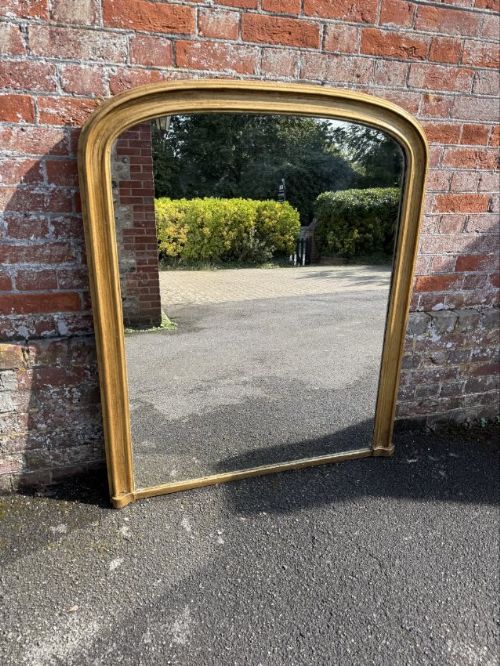
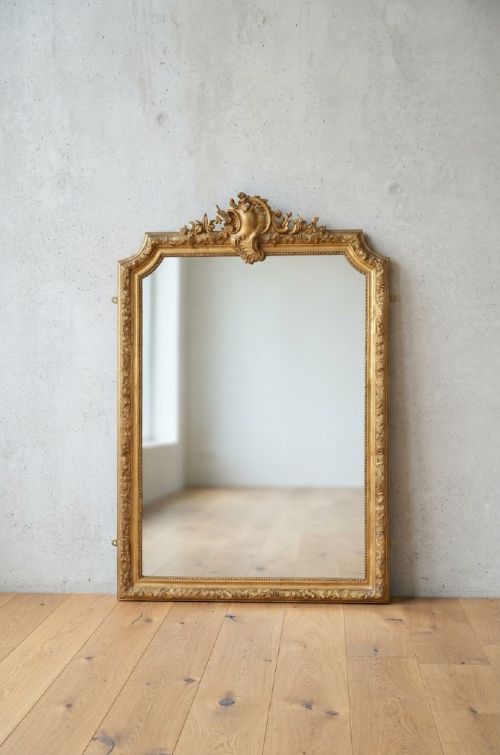
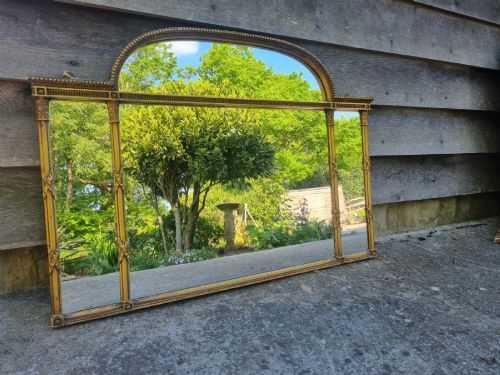
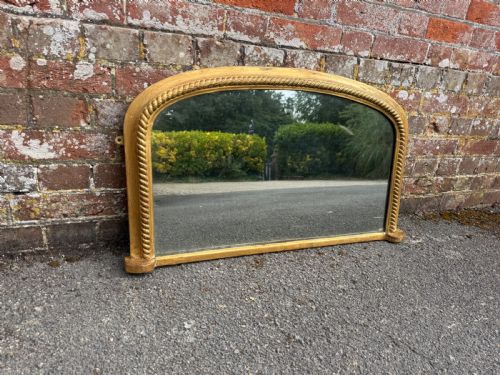
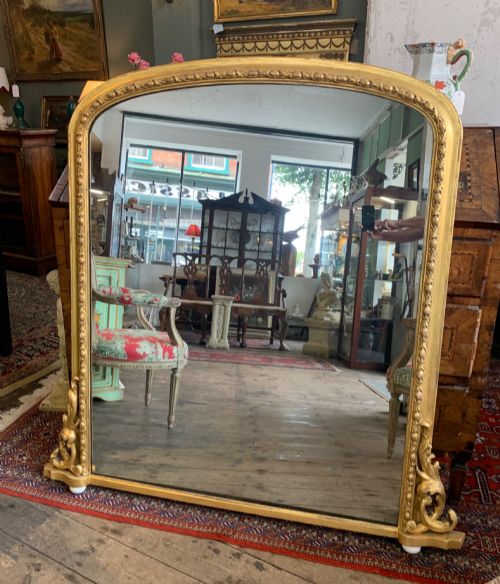
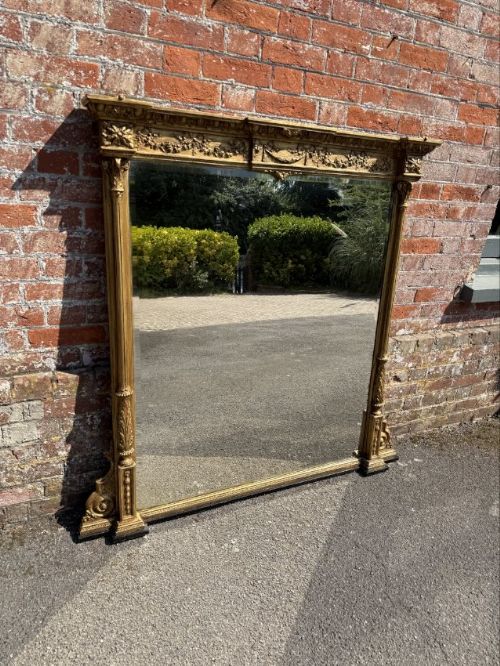
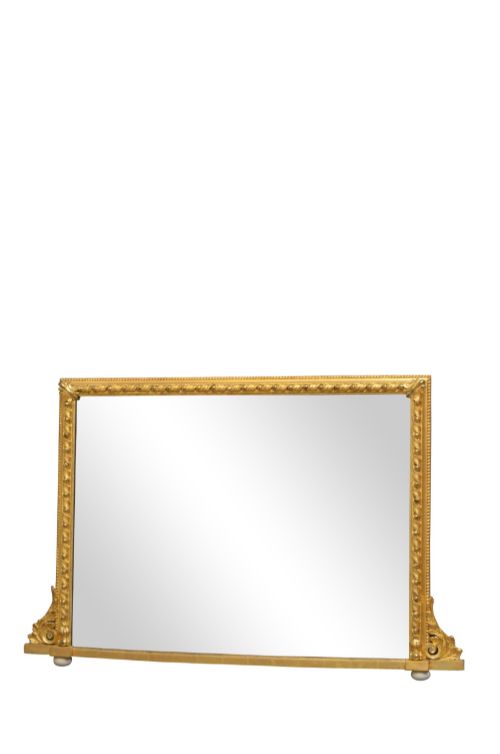
An antique fireplace mirror frame is principally found as a large overmantel mirror designed to sit upon a mantelpiece or hang directly above a hearth. The versions you meet most frequently on this page belong to the 19th century, spanning Regency, Victorian, and Edwardian periods.
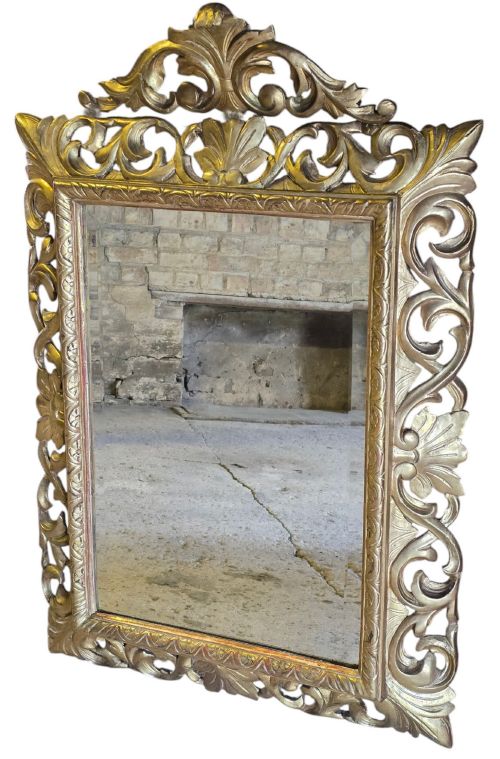
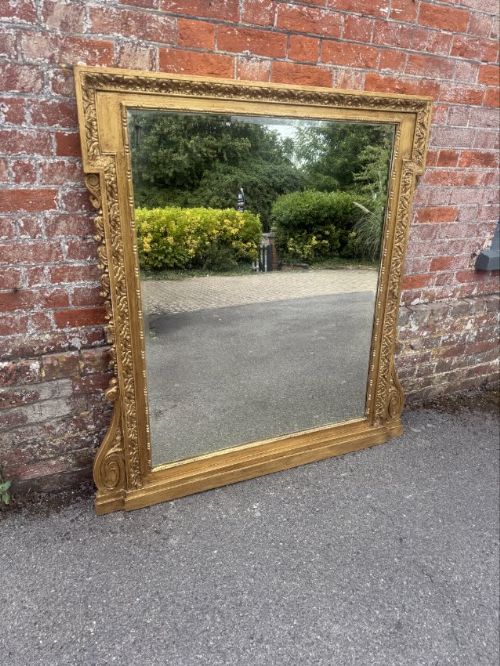
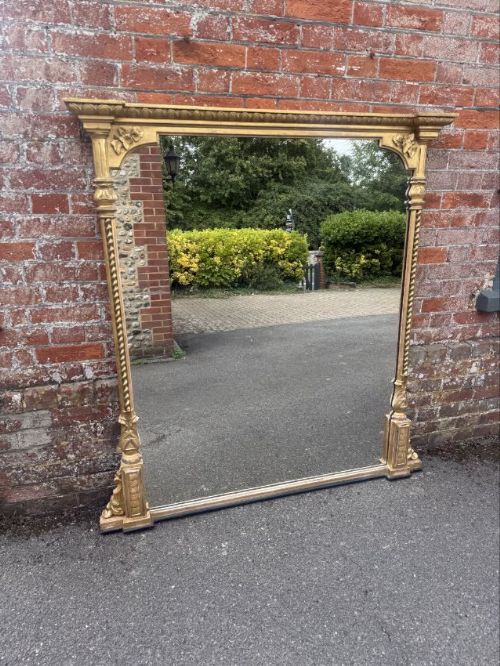
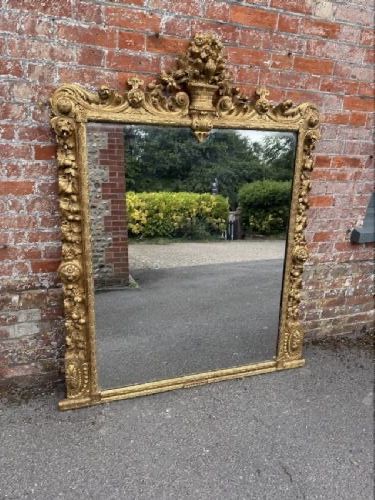
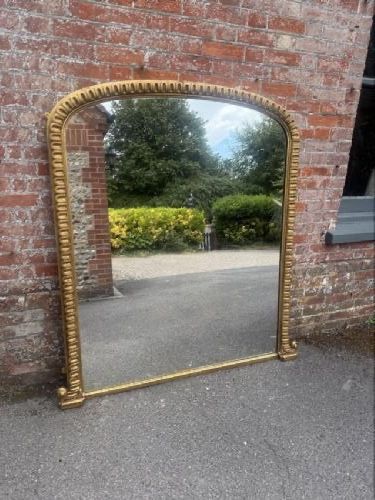
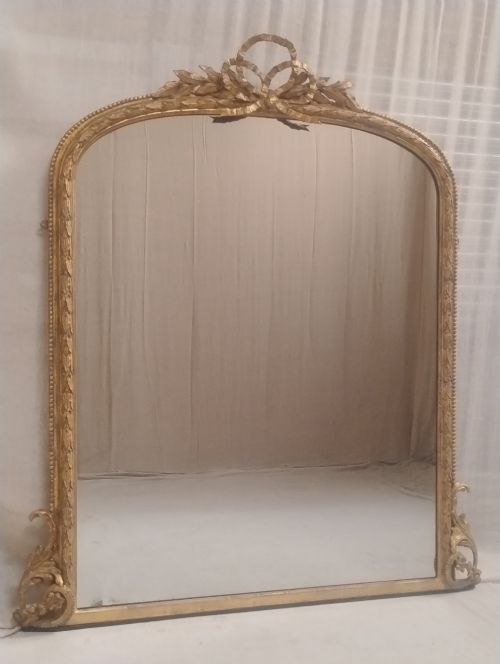
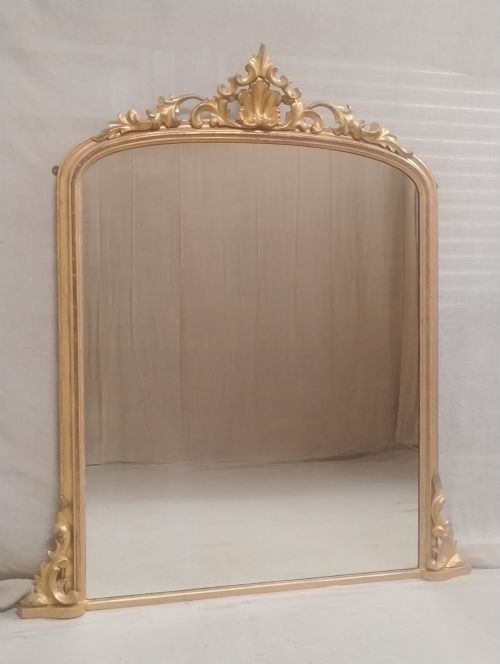
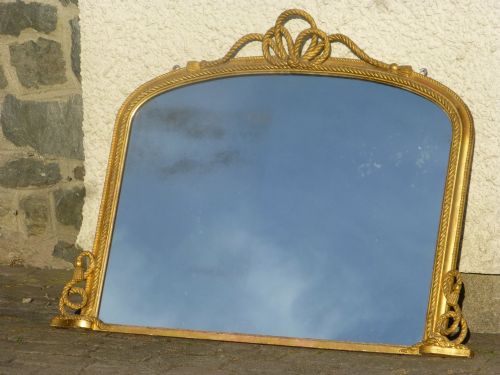
Makers and craftsmen shaped these items as grand wall mirrors or architectural overmantels, often utilising distinct arched tops or rectangular proportions to reflect light across a Victorian parlour or drawing room. Forms range from simple wooden surrounds to ornate, crested centrepieces created to dominate a chimney breast.
The regional influences extend from English and French workshops to Florentine designs, incorporating styles such as Chippendale Revival and French Chateau. These objects served both a functional purpose of brightening dark rooms and a decorative role in period interior design.
How They Were Made
Carpenters and gilders built these frames using a foundation of solid woods like pine, oak, walnut, or mahogany, upon which they applied layers of gesso to create crisp relief ornament. Gilding techniques involved laying gold leaf over the prepared gesso base, whilst other pieces received painted finishes or parcel-gilding.
Carvers worked directly into the wood or moulded composition details to produce rope twists, columns, tulip motifs, and crested pediments. The mirror glass itself was set within the rebate, frequently accompanied by original foxed silvering that reveals the age of the plate.
Some Victorian frames feature whimsical details like Ho-Ho bird cresting, bringing avian charm directly above the fireplace.
What Varies in Quality
The distinction between tiers rests upon the depth and crispness of the hand-carved woodwork versus the uniformity of moulded composition ornament. Superior examples display finely rendered gesso details, robust joinery, and well-proportioned architectural framing that holds its structural integrity across large dimensions.
The grade of the finish and the preservation of the original gold leaf or gilding significantly separate standard items from exceptional ones. Furthermore, the presence of original mirror glass with natural foxing rather than modern replacements elevates the integrity and period character of the piece.
The Antique Fireplace Mirror Frame Glossary
- Overmantel
- A mirror or decorative piece specifically manufactured to be placed upon the mantelpiece or hung on the wall directly above a fireplace. These items often feature wide horizontal or tall arched proportions suited to the scale of a chimney breast.
- Gesso
- A plaster-like mixture applied to wood frames to provide a smooth surface for carving, gilding, or painting. Artisans built up layers of gesso to model intricate relief ornaments before applying gold leaf.
- Giltwood
- Timber, most commonly pine or softwoods, that has been coated in gold leaf or gold paint. This finish provided the bright, reflective surfaces characteristic of formal 19th-century interiors.
- Foxed glass
- Mirror glass exhibiting small dark spots or discoloration caused by the degradation of the silver backing over time. Collectors often value original foxing as genuine proof of age.
- Composition
- A moulded mixture of whiting, resin, glue, and oil pressed into decorative motifs for frames. It offered a cost-effective alternative to deep hand-carving in wood during the Victorian era.
Antique Fireplace Mirror Frame: Frequently Asked Questions
How do I hang a heavy overmantel mirror?
These large frames require secure fixing directly into wall studs or masonry using heavy-duty brackets. Because of their substantial weight, professional installation is strongly recommended.
Weight distribution is aided by the wooden framework, but the hanging hardware must bear the full load safely.
Can these mirrors stand on a mantelpiece?
Many overmantel mirrors were historically designed to rest directly on the shelf of the fireplace whilst being tethered to the wall for safety. This placement allows the frame to anchor visually to the hearth.
Wall fixings remain necessary to prevent tipping, even when the base rests on wood or stone.
How do I identify a Victorian mirror?
Victorian pieces frequently display dense gesso ornament, arched tops, and darker wood foundations like mahogany or oak. Stylistic cues include rope twists, columns, and revival motifs such as Chippendale influences.
Construction methods, including older screw types and backboards, further help date these items.
Should I replace foxed mirror glass?
Original foxed glass is generally preserved by collectors as it confirms the age and authenticity of the antique frame. Replacing it removes part of the historical character.
Cleaning should be done gently to avoid disturbing the aged silvering behind the plate.