


Antique Fireplace Hearth Grate
An antique fireplace hearth grate grounds a room with heavy metalwork built for decades of solid fireside service.
Antique Fireplace Hearth Grate
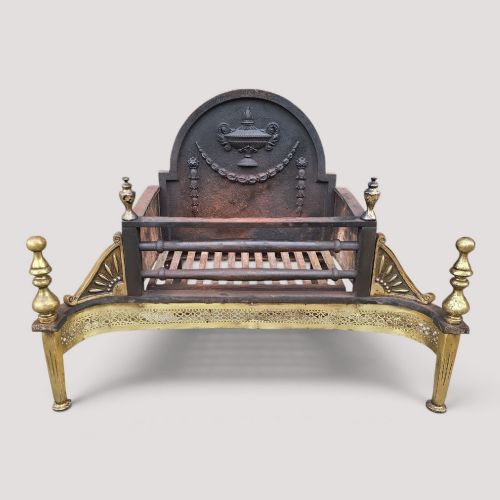
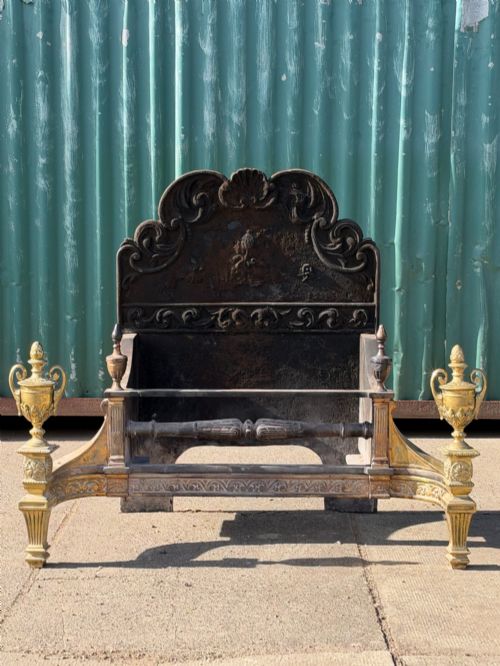
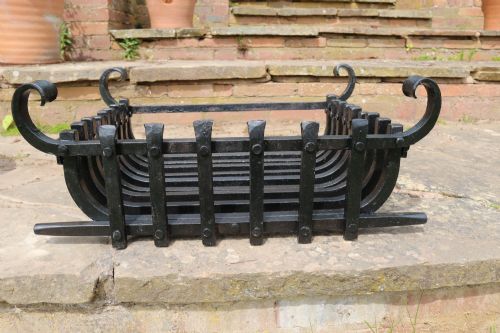
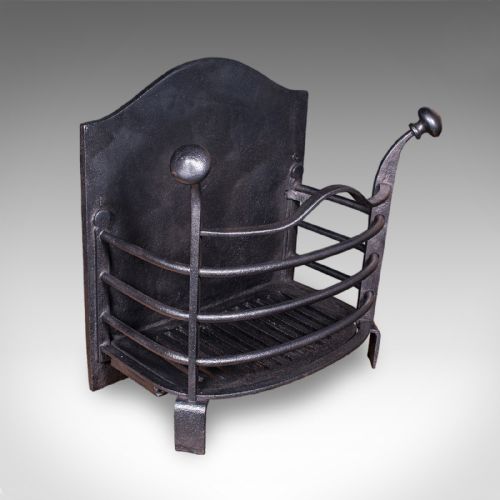
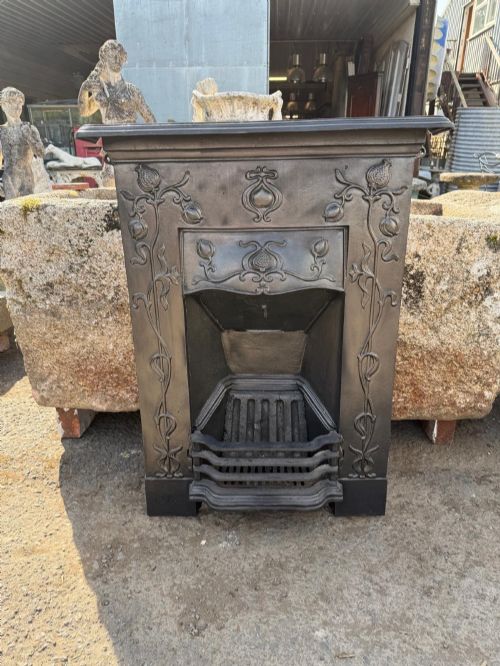
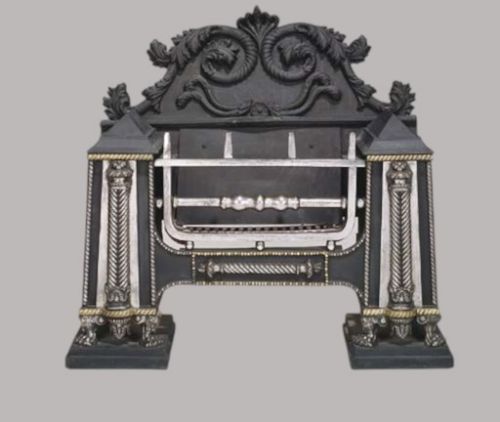
An antique fireplace hearth grate is an iron or steel basket designed to hold coal or wood safely within an open hearth. These heavy metal inserts appear frequently in Victorian and Georgian incarnations alongside later Arts and Crafts interpretations.
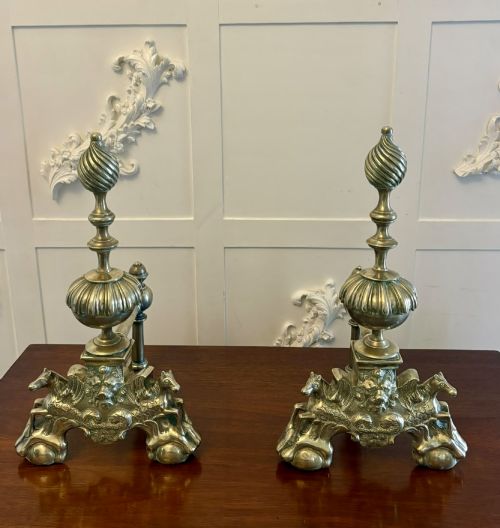
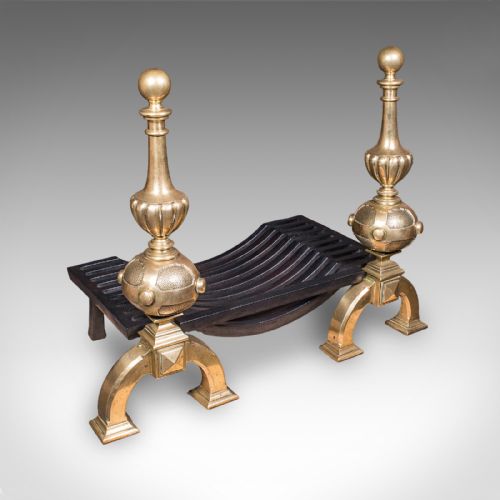
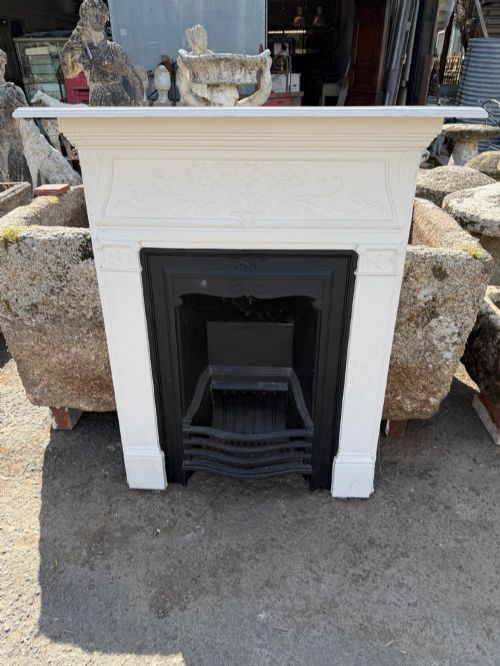
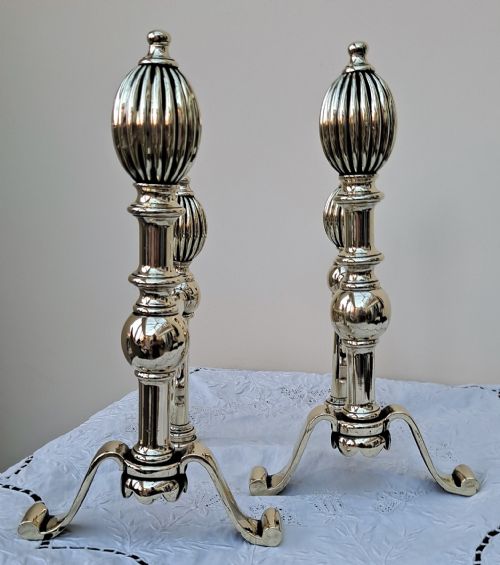
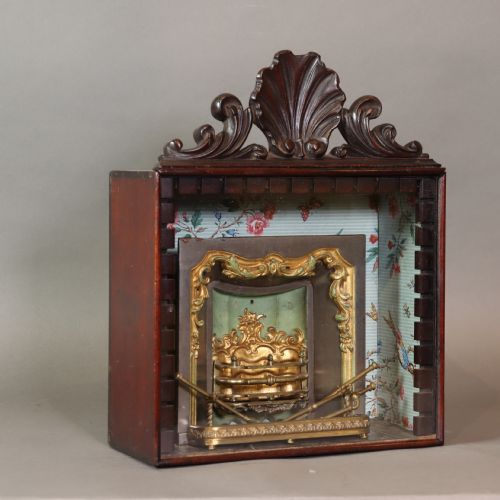
Most examples function as freestanding fire baskets or register grates paired with matching andirons, fire dogs, and fire backs. The inventory includes smaller hob grates and combination fireplaces alongside substantial inglenook baskets suited for larger chimneys.
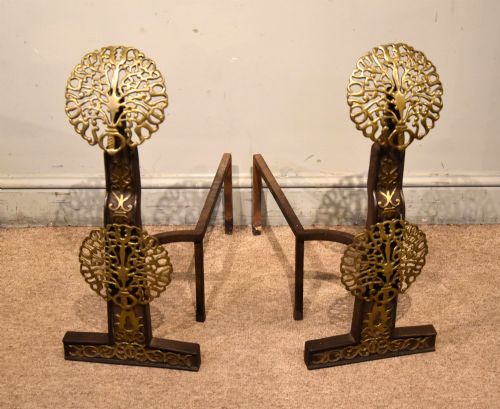
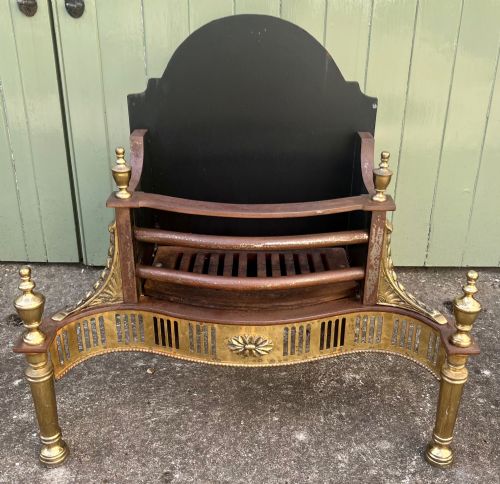
Makers drew heavily on Neoclassical, Gothic Revival, and Adam styles to ornament the metalwork with brass detailing. Buyers encounter pieces ranging from simple tradesman samples to large architectural firegrates built for heavy daily use.
Materials and Construction Methods
Foundries relied primarily on cast iron, wrought iron, and steel to construct the structural baskets and fire backs. Cast components provided dense mass and decorative moulding, while wrought iron added tensile strength to bars and grates.
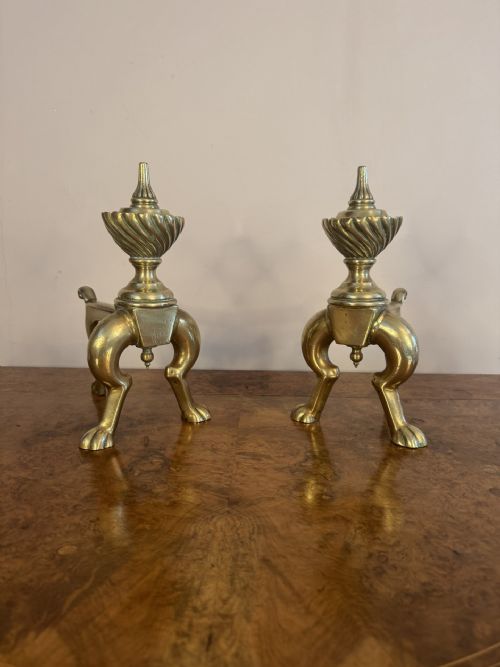
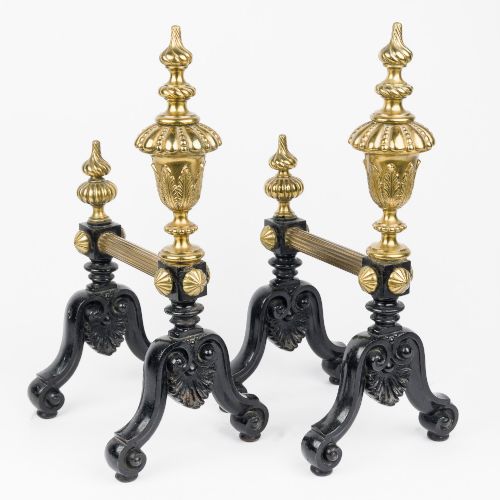
Brass elements such as andirons, finials, and fender mounts introduced polished contrast against dark iron surfaces. Wood, timber, and firebrick occasionally formed secondary structural supports or backing within specific domestic settings.
Antique Fireplace Hearth Grate Retail Price Guide 2026
Typical asking prices for fireplace hearth grate among the pieces listed under this phrase on Sellingantiques today, from the lower quarter to the upper quarter. They describe what is for sale here now, not the wider market.
Listings feature cast iron, brass, wrought iron, and steel across Victorian, Georgian, Regency, and Arts and Crafts styles.
Evaluating Craftsmanship and Design
Quality rests in the crispness of the iron casting and the precision of the assembly. Superior pieces display finely detailed Neoclassical or Gothic ornamentation rather than coarse, pitted metal surfaces.
The choice of mixed materials elevates certain examples, particularly where substantial cast iron integrates with heavy brass mounts or fire dogs. Weight, proportion, and structural integrity determine whether a grate remains an architectural centrepiece.
Coalbrookdale
The Antique Fireplace Hearth Grate Glossary
- Fire grate
- A metal basket or frame designed to hold burning fuel inside a fireplace. It lifts the fire off the hearth floor to improve airflow.
- Andirons
- A pair of supporting metal bars placed horizontally in a fireplace to hold logs. They often feature decorative brass or iron fronts.
- Hob grate
- A type of fireplace grate featuring raised side plates used for heating kettles or pans. These units became popular during the Georgian period.
- Fire back
- A heavy cast iron plate placed at the back of a fireplace to protect the masonry wall. It also reflects radiant heat back into the room.
- Register grate
- An iron fireplace insert equipped with a movable flap or damper to control draught and smoke. They arrived during the late eighteenth century to improve heating efficiency.
Antique Fireplace Hearth Grate: Frequently Asked Questions
How do I choose the right size grate?
Measure the width, depth, and height of your opening carefully before selecting a basket. Leave sufficient clearance around the sides for proper airflow and safety.
Larger inglenook grates require substantial hearth space, whereas compact register grates and miniature samples suit smaller decorative openings.
Can these grates burn real wood?
Many cast and wrought iron baskets are built to handle solid fuel fires. Verify the condition of the metal bars and check for internal firebrick linings before lighting.
Heavier Victorian and Georgian examples withstand high temperatures, but delicate decorative pieces benefit from lighter use or display purposes.
How do I clean cast iron and brass?
Dust the metal surfaces regularly with a dry cloth to prevent soot accumulation. Use specialised grates polish or black lead sparingly on cast iron.
Polish brass components gently with a suitable metal cleaner, avoiding harsh abrasives that can wear away historic patination.
What is the difference between a basket and a register grate?
A fire basket sits openly on the hearth or between andirons as a standalone metal container for logs or coal. It focuses entirely on holding the fuel.
A register grate incorporates a frame and a built-in damper mechanism designed to fit tightly within the fireplace opening to regulate airflow.