




Antique Fireplace Dog Figures
These antique fireplace dog figures bring hearth and mantel alive through ceramic spaniels and bronze andirons from the nineteenth century.
Antique Fireplace Dog Figures
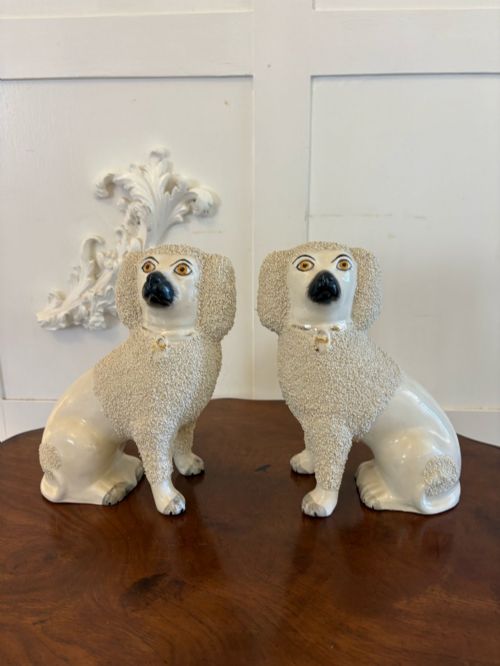
When you search for antique fireplace dog figures, you find ceramic spaniels, poodles, greyhounds, and hunting hounds alongside heavy bronze and iron andirons designed to hold wood on a hearth. The nineteenth century dominates this selection, bringing pairs of Staffordshire pottery dogs intended to sit on either side of a fireplace.
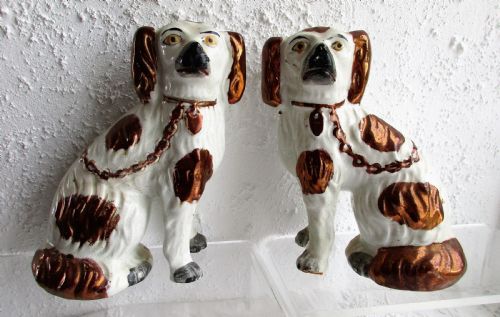
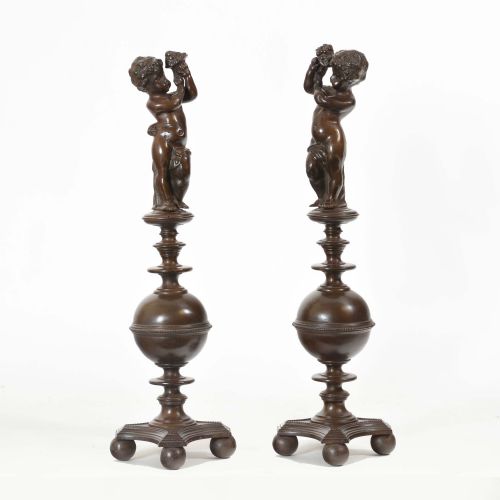
The ceramic figurines range from seated spaniels and copper lustre hounds to larger white and gilt Staffordshire pairs, often finished with glass eyes or hand-painted details. Alongside these earthenware mantel ornaments sit heavier metal fire dogs and chenets shaped in Italian bronze and French gilt styles for functional hearth use.
How they were made
Metal fireplace supports utilised casting techniques in bronze, brass, and iron. These pieces often drew on Italian Baroque and Renaissance Revival styles, or French chateau designs, shaping sturdy iron and bronze into adjustable andirons and decorative chenets.
Several Victorian spaniels stare out with actual glass eyes, watching the room with a surprising amount of personality.
What varies in quality
Quality rests in the crispness of the modelling and the depth of the glaze, distinguishing mass-produced earthenware from more carefully finished Staffordshire pairs. Hand-painted markings, rich copper lustre finishes, and original glass eyes elevate the presence of ceramic figures.
Metal fireplace supports depend on the weight of the casting and the refinement of the chased detail in the bronze or ironwork. Pieces that retain their adjustable width mechanisms and original patination demonstrate superior construction from the period.
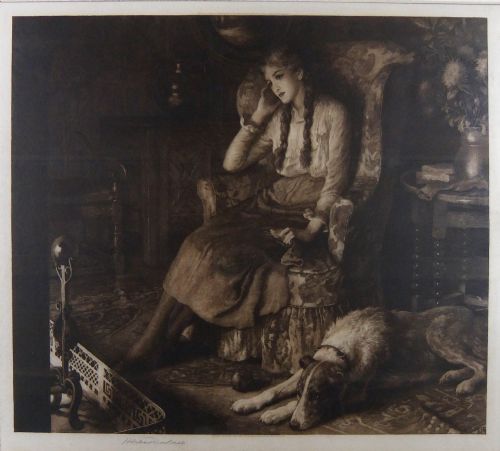
Herbert Dicksee
The Antique Fireplace Dog Figures Glossary
- Staffordshire pottery
- Earthenware figures produced in the Staffordshire potteries of England. These works include the familiar spaniels and greyhounds made for nineteenth-century mantelpieces.
- Andirons
- Horizontal metal bars supported by upright legs used to elevate logs in an open fireplace. They often feature decorative figural fronts.
- Chenets
- French term for fire dogs or andirons used on a hearth. They frequently display ornate decorative metalwork in the Louis style.
- Copper lustre
- A metallic glaze technique that imparts a reflective, copper-like sheen to pottery. It appears on several nineteenth-century dog figures.
- Lead glaze
- A shiny, transparent coating applied to earthenware before firing. It protects the clay body and deepens the underlying colours.
Antique Fireplace Dog Figures: Frequently Asked Questions
Where did fireplace dog figures sit?
Ceramic spaniels and poodles traditionally stood in pairs on either side of the fireplace mantel or directly on the hearth.
Heavier bronze and iron fire dogs sat inside the hearth itself to support burning logs.
What periods do these figures come from?
The majority of pieces date from the nineteenth century, particularly spanning the decades between eighteen-fifty and eighteen-nineties.
Stylistic influences reach back further into eighteenth-century designs as well as Renaissance and Baroque revivals.
Are all fireplace dog figures ceramic?
Ceramic and earthenware figures make up the decorative mantel ornaments, usually finished with enamel paints and lead glazes.
Functional fire dogs and chenets are cast in bronze, brass, or iron for use inside the hearth.
Why are Staffordshire dogs found in pairs?
Potters designed mantel figures to mirror one another, creating a balanced display at opposite ends of a fireplace.
Matching greyhounds, poodles, and spaniels were moulded to face inward toward the centre of the room.