


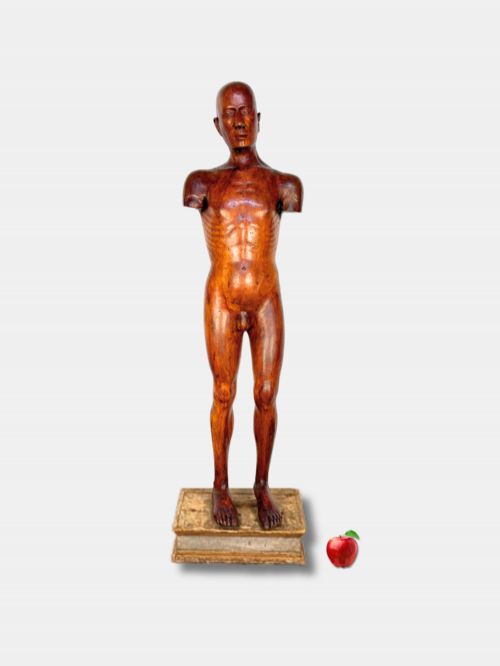
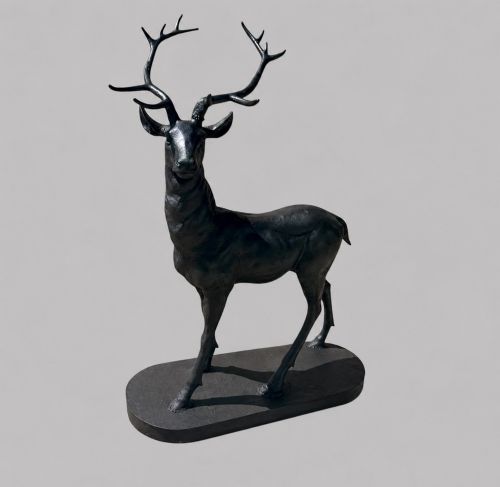
Antique Figure on Plinth
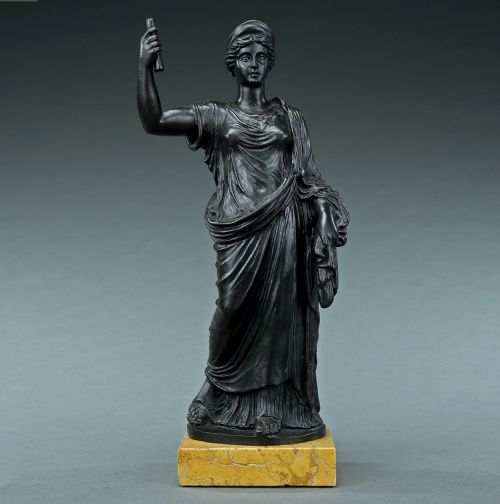
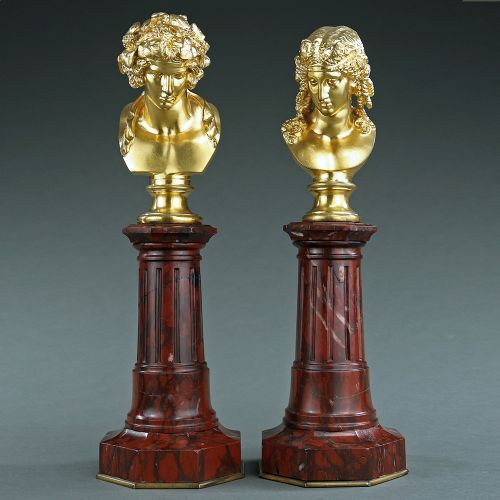
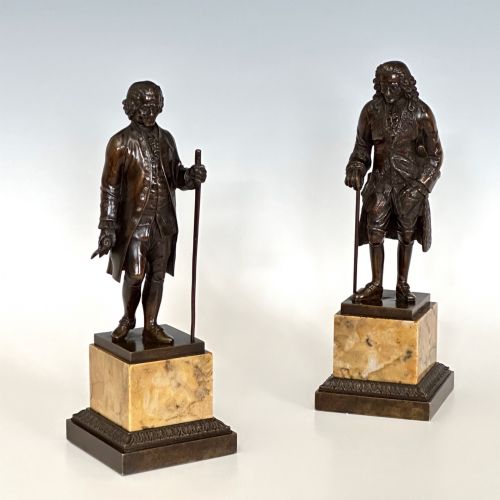
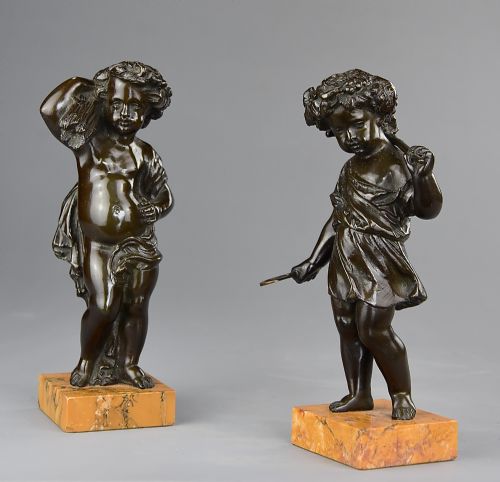
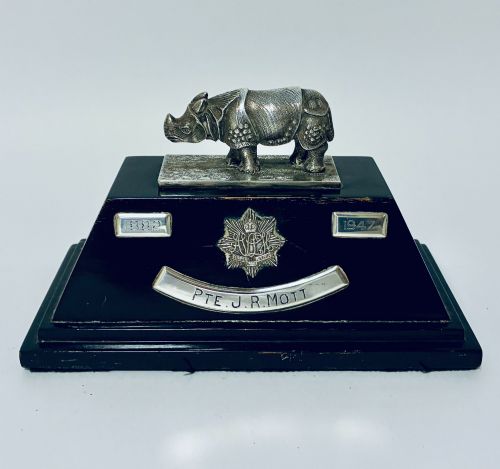
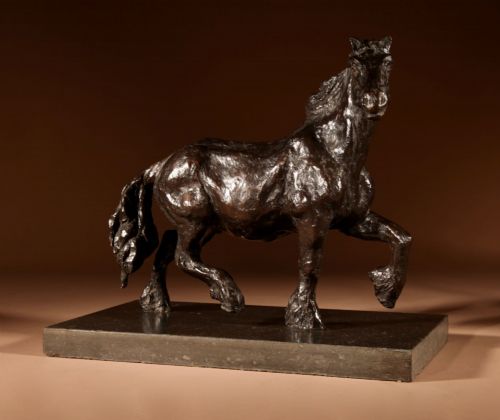
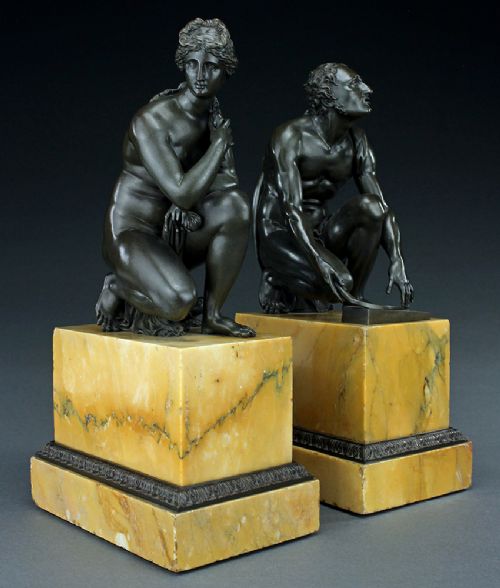
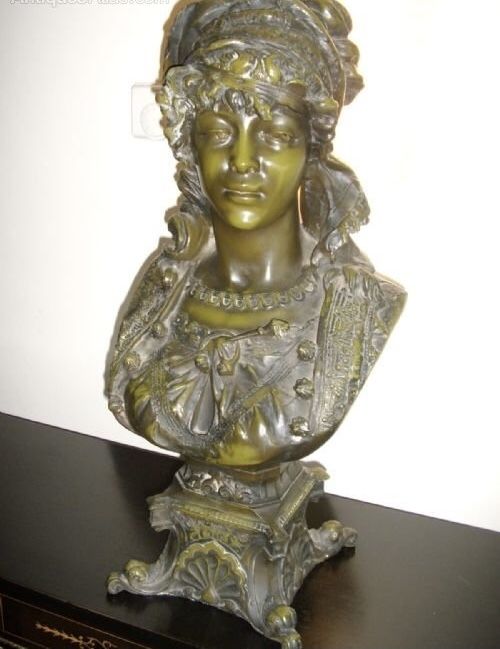
An antique figure on plinth elevates classical deities, animals and literary subjects upon stone or metal bases.
Antique Figure on Plinth
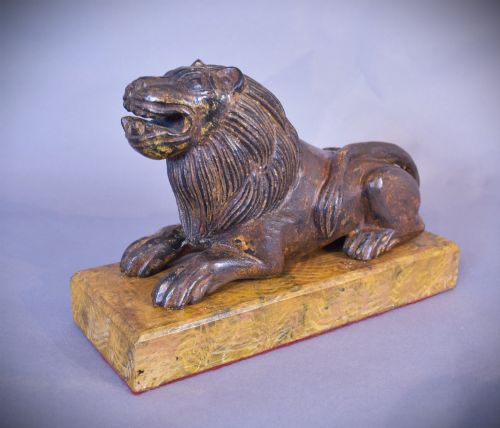
An antique figure on plinth combines a sculptural subject, such as a classical deity, animal or allegorical figure, mounted permanently upon a raised architectural base. These pieces draw from Neoclassical, Art Deco, Victorian and Egyptian Revival traditions across the seventeenth, eighteenth, nineteenth and twentieth centuries.
The sculptural forms range from small Grand Tour bronze souvenirs and cold-painted cabinet figures to life-sized carved wood santos figures and garden statues in stone. The supporting plinth serves both an aesthetic purpose, framing the subject, and a structural one, providing stability to materials like bronze, marble and wood.
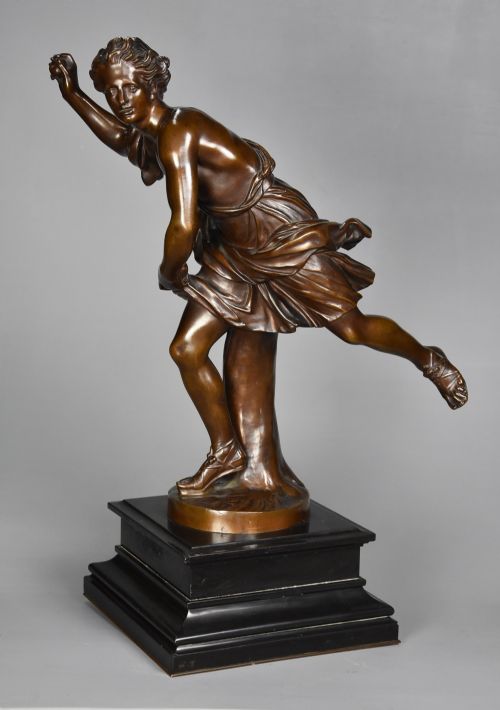
Visitors to this page encounter varied interpretations of the form, from nineteenth-century bronze mythological studies on marble bases to twentieth-century cast stone garden statues and carved alabaster nudes.
Materials and construction
The primary materials span metalwork, stone and timber, with bronze and brass cast using traditional methods and finished with patination, cold painting or gilding. Scuptural elements in marble, alabaster, cast stone and reconstituted stone are hand-carved or moulded to sit squarely upon matching or contrasting plinths.
Support elements frequently utilise contrasting natural materials, pairing metallic figures with bases of black marble, white Carrara marble, Siena marble, ebonised wood, olive wood or figured walnut. Each component relies on secure mechanical fixing or natural weight distribution to anchor the sculpture to its base.
Periods represented span the seventeenth, eighteenth and nineteenth centuries, alongside 1920, 1930, 1940 and 1950 pieces.
Factors of quality
Quality rests in the crispness of the initial casting or the depth of the hand-carving across both the figure and the plinth. Superior examples exhibit fine anatomical detail in the subject and clean junctions where the sculpture meets its base.
The selection of materials dictates the standard of execution, separating standard production pieces from works utilising high-grade marbles, patinated bronzes and dense hardwoods. Proper integration between the subject and its architectural plinth separates accomplished works from utilitarian assemblies.
Barbedienne·Josef Lorenzl·Fritz Kochendorfer·Humphrey Hopper·Aristide Maillol·Bright And Sons
The Antique Figure on Plinth Glossary
- Plinth
- The architectural base or block upon which a statue, bust or sculptural figure is mounted. It provides both physical elevation and visual finality to the composition.
- Grand Tour
- A nineteenth-century tradition where travellers collected bronze or marble copies of classical antiquities in Italy. These souvenirs often retained integral miniature plinths.
- Animalier
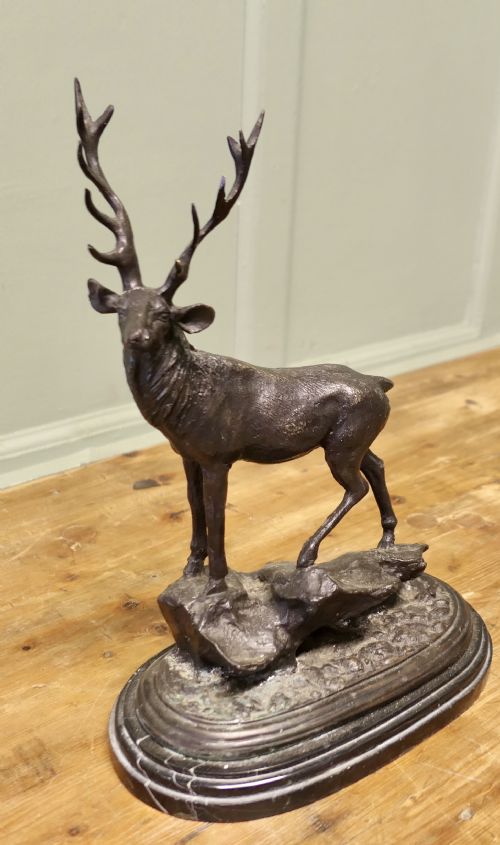
- A nineteenth-century artistic focus on the realistic portrayal of animals. Figures in this style frequently stand upon naturalistic rock bases or formal plinths.
- Cold painted
- A technique where bronze or metal figures receive non-fired paint applications. This method appears frequently on decorative cabinet bronzes and lamps.
- Patination
- The chemical or natural surface alteration applied to metals over time or through manufacturing. This process creates distinct colour tones and protects the underlying bronze.
Antique Figure on Plinth: Frequently Asked Questions
What is an antique figure on plinth?
An antique figure on plinth is a freestanding sculpture permanently mounted on a raised architectural base. These works incorporate materials like bronze, marble, wood and stone across various historical periods.
The form encompasses small cabinet bronzes, Grand Tour souvenirs, carved wooden figures and large garden statues. Each piece uses the plinth to frame and support the central subject.
How were these figures displayed historically?
Historically, smaller bronze and marble figures on plinths stood on library tables, mantelpieces and dedicated pedestal cabinets in refined interiors. Larger stone and cast examples served as architectural focal points in gardens and halls.
Grand Tour bronzes often commemorated travel and education, displayed alongside books and maps by collectors. Garden statues on plinths anchored outdoor vistas and courtyards.
How do I care for bronze on marble?
Dust bronze figures regularly with a soft, dry brush to prevent particulate accumulation. Avoid chemical cleaners that strip the original patination.
Keep marble bases clean using a damp cloth without acidic substances. Protect stone and marble surfaces from moisture and heavy impacts.
How can I tell the period of a figure?
Dating relies on stylistic clues, casting techniques and material composition. Neoclassical and Victorian bronzes differ significantly in patination and subject matter from Art Deco or twentieth-century cast stone pieces.
Signatures, foundry marks and the specific geological type of marble used for the plinth provide reliable chronological indicators.