
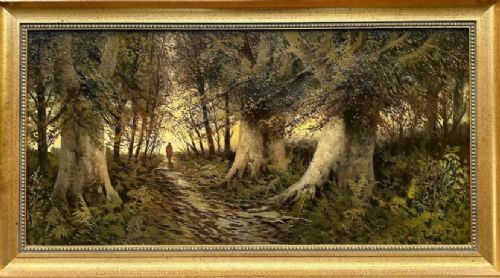
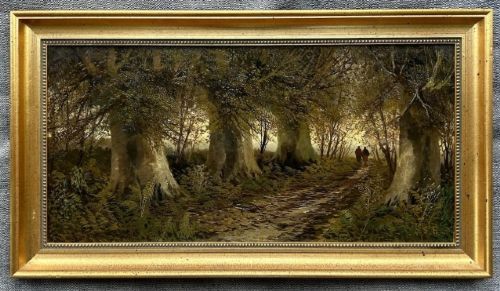
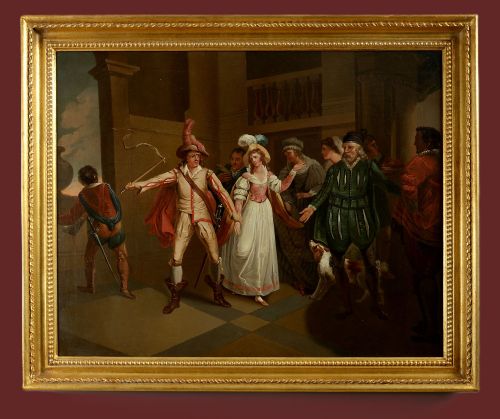
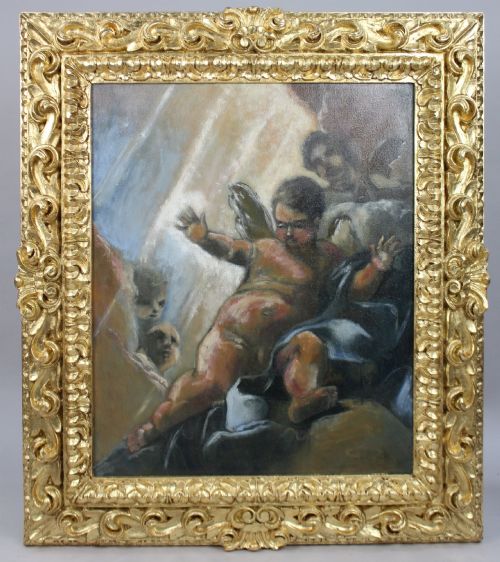
Antique Figure Oil Painting
An antique figure oil painting brings historical narrative, intimate portraiture, and atmospheric landscape studies directly into your interior spaces.
Antique Figure Oil Painting
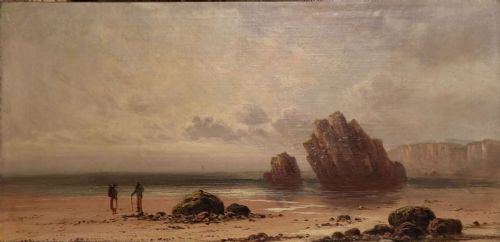
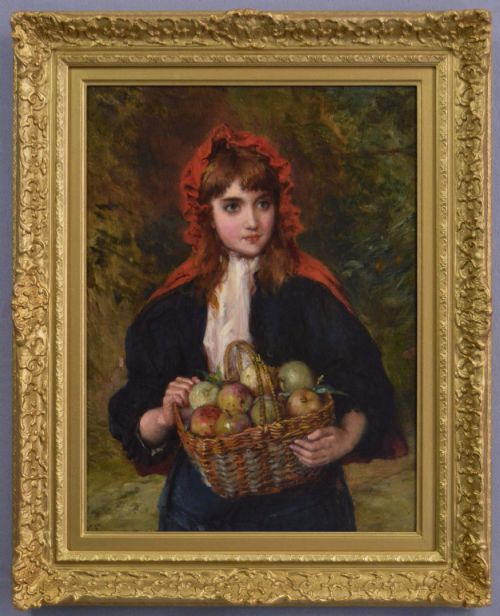
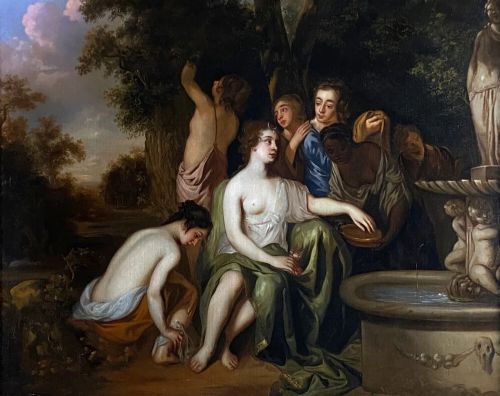
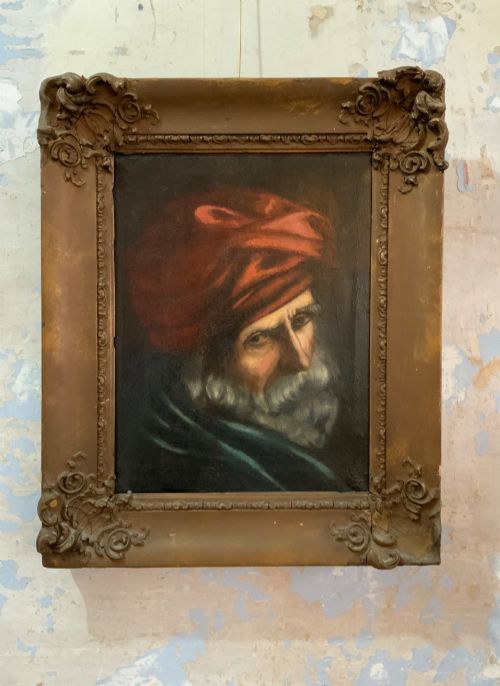
When searching for an antique figure oil painting, you encounter works ranging from seventeenth-century classical mythologies and Baroque portraits to nineteenth-century romantic pastoral scenes and early twentieth-century realism. These artworks capture human presence within landscapes, domestic interiors, or formal portrait sittings, reflecting the aesthetic priorities of eras from the Georgian period through the Victorian age and Edwardian epoch.
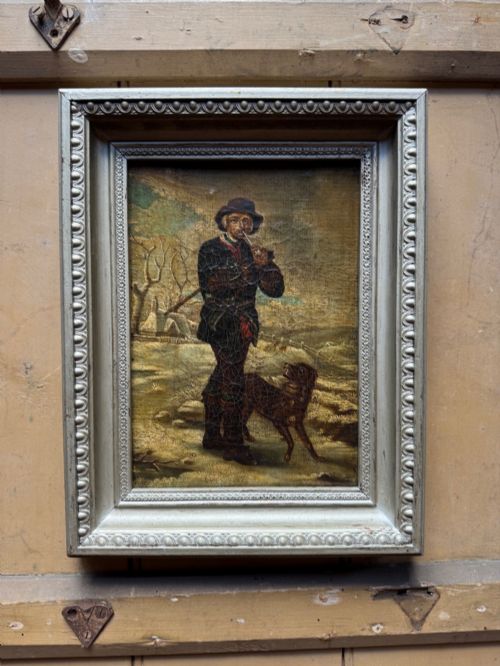
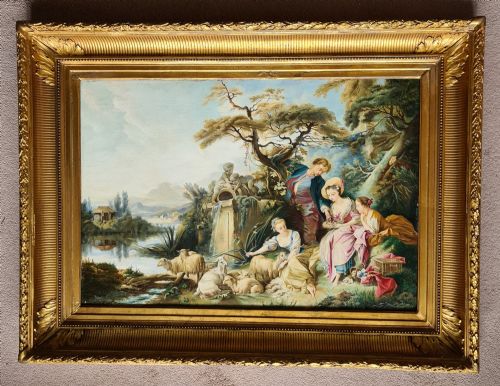
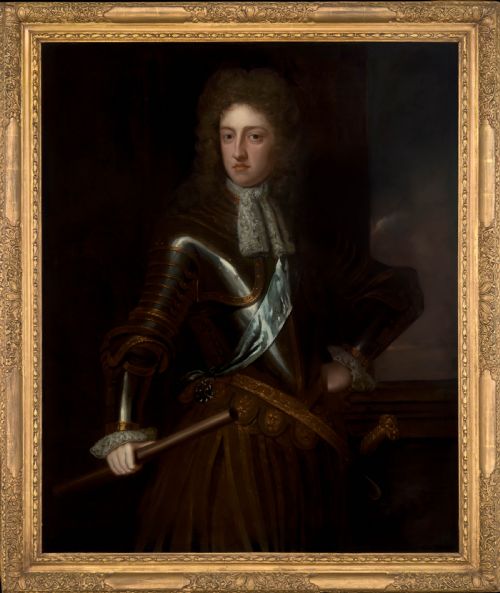
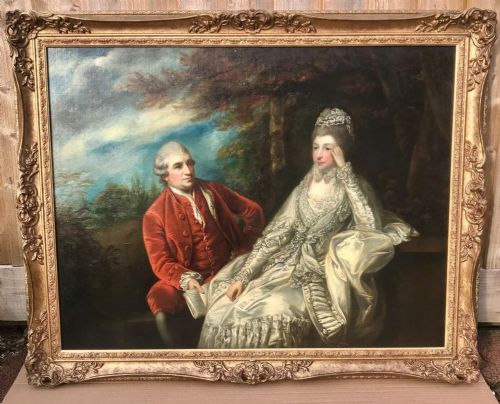
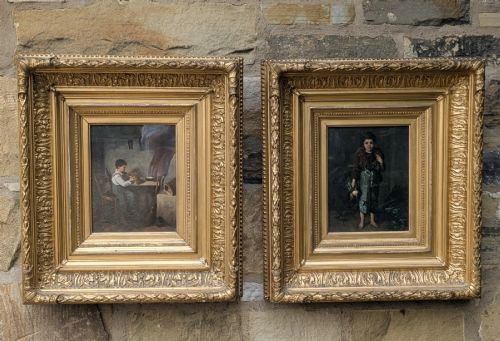
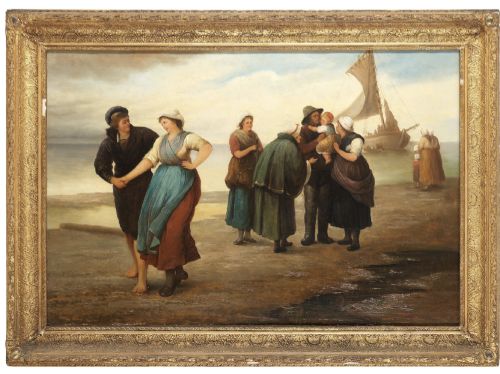
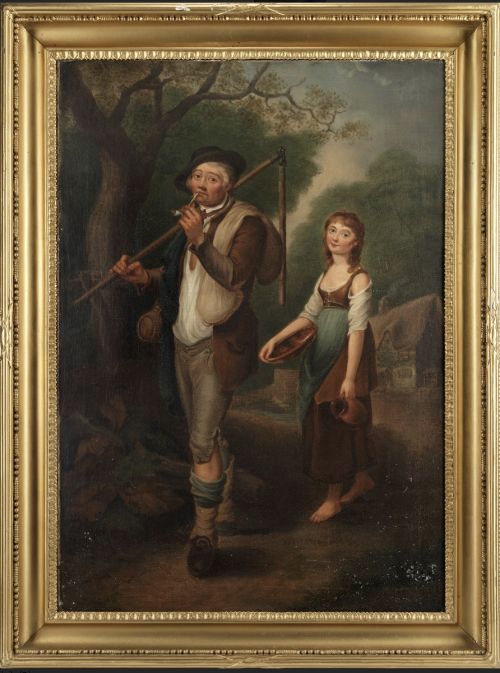
The subjects vary widely across the inventory, encompassing detailed studies of aristocrats, mythological figures like Diana and Apollo, anonymous rural workers, and genre scenes of everyday life. Works originate from British, French, Italian, and Dutch schools, appearing on traditional stretched canvas, wooden panels, or board supports.
Most pieces date from the nineteenth and eighteenth centuries, though seventeenth-century examples and early twentieth-century interpretations also appear regularly. Collectors find everything from grand studio portraits by followers of renowned masters to charming naïve school countryside depictions.
How They Were Made
Artists painted primarily using oil paint applied to prepared canvas, wooden panels, or board supports, utilising the slow-drying medium to build rich layers of colour, shadow, and highlights. Canvas supports were typically stretched over wooden frames and primed with gesso to create a stable ground for pigment application.
Framing forms an integral part of the physical object, with many pieces housed in period giltwood or carved wooden frames displaying ornate motifs that complement the painting style. Historical works often show evidence of past conservation, relining of canvases, or panel stabilization that preserves the structural integrity of the support.
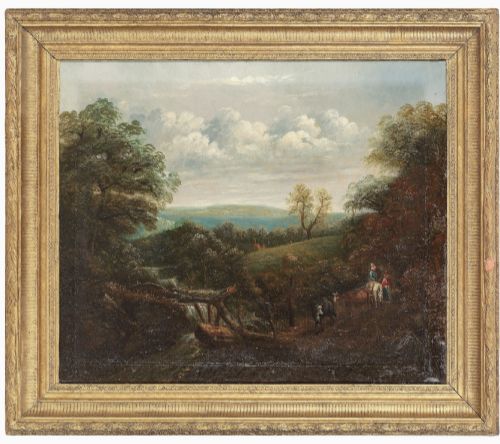
Subgenres represented in the collection include mythological narratives, pastoral landscapes with peasants, and formal sitter portraiture from the Georgian and Victorian eras.
What Varies in Quality
Quality rests upon the artist's anatomical precision, compositional balance, and the expressive handling of light and shadow across the human form and surrounding environment. Superior works demonstrate confident brushwork, subtle tonal transitions in skin and fabric, and a psychological depth that engages the viewer.
Condition and originality heavily influence the standing of a piece, distinguishing untouched surfaces with authentic craquelure from heavily overpainted panels or structurally compromised supports. The quality of the accompanying period frame, whether original to the canvas or a sympathetic historical replacement, also elevates the overall integrity of the artwork.
Sir Peter Lely·Sir Godfrey Kneller·Joshua Reynolds·Thomas Barker of Bath·Francois Boucher
The Antique Figure Oil Painting Glossary
- Craquelure
- A fine network of minute cracks appearing across the surface of old oil paint as it ages and hardens over centuries. This natural phenomenon helps authenticators verify the genuine age of a canvas.
- Gesso
- A white paint mixture consisting of a binder mixed with chalk, gypsum, or pigment used as a preparatory layer on canvas or wood panels. It provides a smooth, absorbent surface for oil painting.
- Provenance
- The chronological history of the ownership, custody, or location of a historical historical painting. Clear provenance establishes authenticity and traces the journey of the artwork through time.
- Genre Painting
- A style of painting depicting scenes from everyday life, typically involving ordinary people engaged in common activities. These works offer social historians a window into past domestic and working lives.
- Relining
- A conservation technique where a deteriorated original canvas is attached to a new backing canvas to provide structural support. This process stabilizes fragile paintings for future display.
Antique Figure Oil Painting: Frequently Asked Questions
How do I date an antique oil painting?
Dating relies on examining the stretcher frames, canvas preparation, nails, and the chemical composition of the pigments used by the artist. Stylistic clues in clothing, hairstyles, and landscape conventions also help narrow down the decade of creation.
Expert examination of panel grain and historical labels on the reverse provides further confirmation. Comparing the handling of the paint with known dated works in museum archives completes the attribution process.
What is the difference between a portrait and a genre scene?
A portrait specifically records the likeness of a named or identifiable individual, often commissioned to commemorate status or personal identity. The sitter remains the primary focus of the composition.
Genre scenes, by contrast, depict anonymous figures engaged in everyday activities, work, or leisure within a narrative setting. The emphasis here is on the atmosphere and storytelling rather than individual identification.
How should I care for an antique oil painting?
Keep paintings away from direct sunlight, high humidity, and rapid temperature fluctuations that can cause the canvas to slackening or wood panels to warp. Maintaining a stable indoor climate preserves both the paint layer and the wooden support.
Dust the surface very gently with a soft, dry brush without applying pressure. Avoid using commercial cleaning liquids or water on the painted surface, and consult a professional conservator for proper cleaning.
What does attribution to a circle or follower mean?
Attribution to the circle of a master indicates an artist working in close association during the period, absorbing their specific style and techniques. These works often date from the same lifetime and share identical workshop methods.
A follower describes an artist working somewhat later who was strongly influenced by a master's distinct visual vocabulary. These paintings capture the spirit and composition of the original hand without direct personal instruction.