


Antique Figure Engraving
These antique figure engraving works present classical portraits, mythological subjects and architectural antiquities on paper, glass and metal.
Antique Figure Engraving
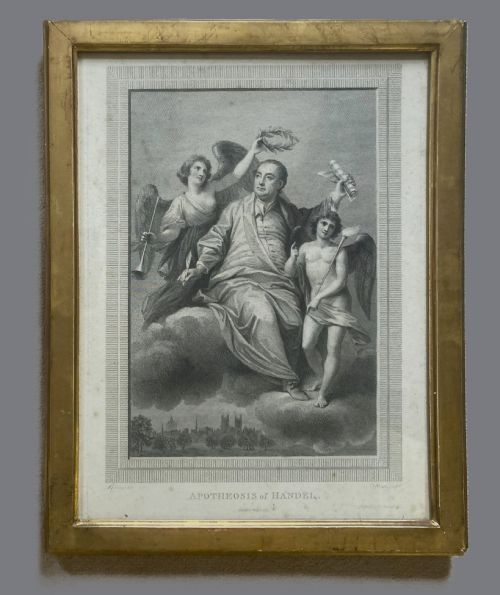
An antique figure engraving captures human forms, deities and historical subjects through ink on paper, alongside engraved depictions on glass and metal objects. These pieces span from the eighteenth century through the Victorian era, recording portraiture, classical statuary and architectural remnants.
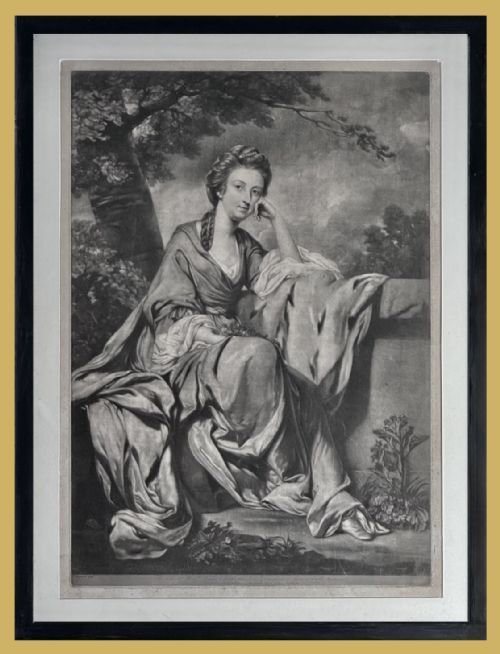
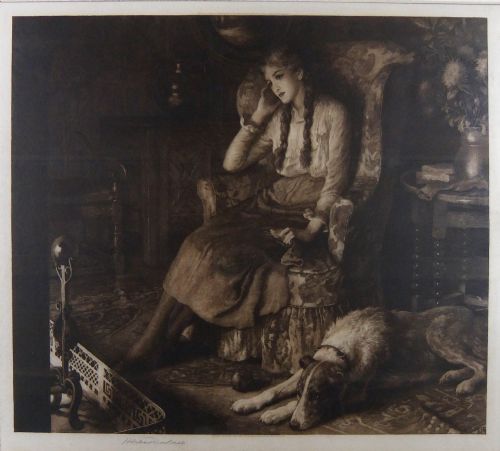
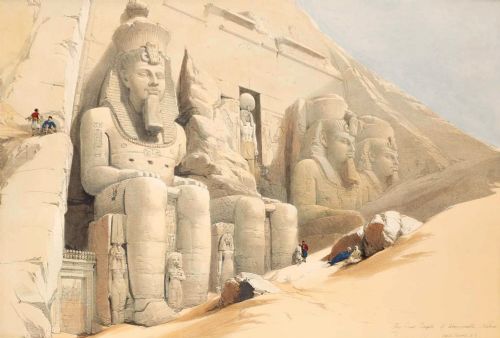
The paper works frequently derive from larger portfolios documenting ancient monuments, such as the antiquities of Athens and Herculaneum. Other examples record oil paintings by prominent portraitists, translating tonal gradations into fine lines.
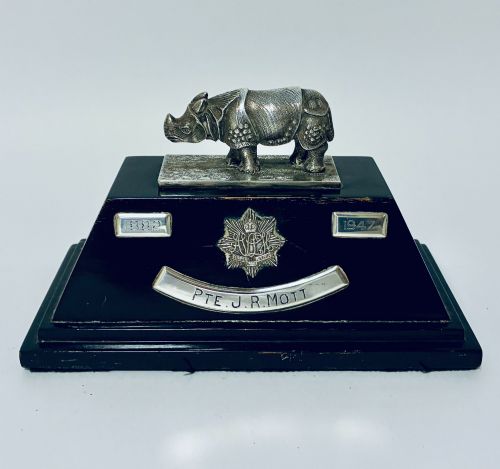
Three-dimensional pieces bearing engraved figures also appear, including hand-blown glass beakers, silver presentation trophies and carnelian intaglio rings. These smaller items apply the same figurative discipline to wearable and functional forms.
Materials and technique
Printmakers utilised copper plates for the primary engraving process, scoring lines directly into the metal with a burin or biting them with acid. Printers applied ink to these plates and transferred the image onto laid or wove paper under pressure.
Glassmakers employed wheel-engraving techniques to cut figurative scenes directly into the surface of blown vessels. Gem-engravers carved intaglio designs into carnelian and agate stones for use in gold rings and fobs.
Publishers often issued these plates as bound folios or individual sheets, which owners subsequently framed. The monochrome ink impressions occasionally received hand-colouring after printing.
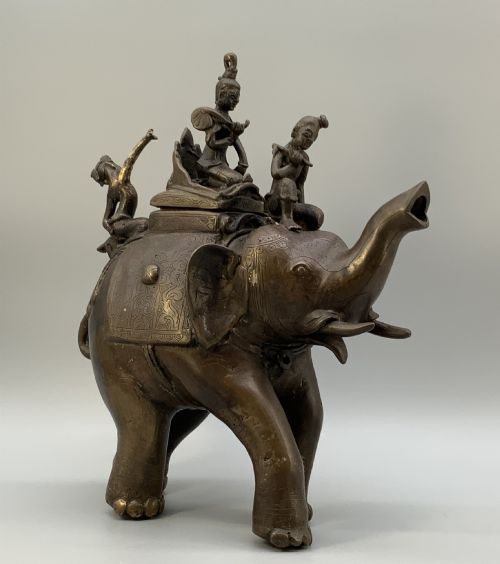
Listings feature eighteenth and nineteenth-century prints, alongside carved carnelian rings, glass vessels and bronze sculptures.
Assessing quality
The clarity and depth of the printed line determine the visual success of a paper engraving, separating sharp impressions from worn plates. Early strikes retain crisp details in drapery and facial expressions, whereas later impressions lose definition.
Paper condition heavily influences the integrity of each sheet, with even toning and minimal foxing supporting the original appearance. Margins around the printed plate mark indicate whether a sheet retains its original dimensions.
For engraved glass and gemstone intaglio items, the precision and depth of the wheel-cut or hand-carved relief dictate the standard of execution. Well-defined musculature and balanced proportions distinguish finer sculptural engravings.
Edward Fisher·James Heath·David Roberts·James Basire·Edward Rooker
The Antique Figure Engraving Glossary
- Engraving
- A printmaking technique where lines are cut directly into a metal plate using a sharp tool called a burin. The resulting incisions hold the ink for transfer onto paper.
- Mezzotint
- A tonal printmaking method that creates soft gradations of light and shadow rather than relying purely on line. Artists roughen the copper plate to produce deep blacks and subtle highlights.
- Intaglio
- A design carved into the surface of a hard material such as gemstone, glass or metal so that the image sits below the outer plane. This method appears on rings, seals and stemmed goblets.
- Plate mark
- The indented border left on paper by the edge of the metal plate during the printing press operation. Its presence confirms an original impression from a plate.
- State
- A distinct stage in the printing life of an engraved plate, altering when the maker adds changes or inscriptions. Collectors track these variations to date individual impressions.
Antique Figure Engraving: Frequently Asked Questions
How do I care for antique paper engravings?
Keep framed paper prints away from direct sunlight to prevent the ink and paper from fading over time. Acid-free mounting materials protect the sheet from chemical degradation.
Maintain stable indoor humidity levels to avoid warping or moisture damage to the paper fibres. Glazing should not press directly against the surface of the print.
What is the difference between an engraving and an etching?
An engraving is cut directly into a metal plate using manual force on a burin, producing clean and precise lines. An etching uses acid to bite the lines into the metal through a protective ground layer.
Etched lines generally show slightly more rounded edges under magnification, whereas engraved lines maintain sharp, tapering terminations.
How were these engravings originally published?
Many eighteenth and nineteenth-century prints emerged as plates within multi-volume architectural and historical folios. Subscribers purchased these comprehensive works in instalments before framing individual sheets.
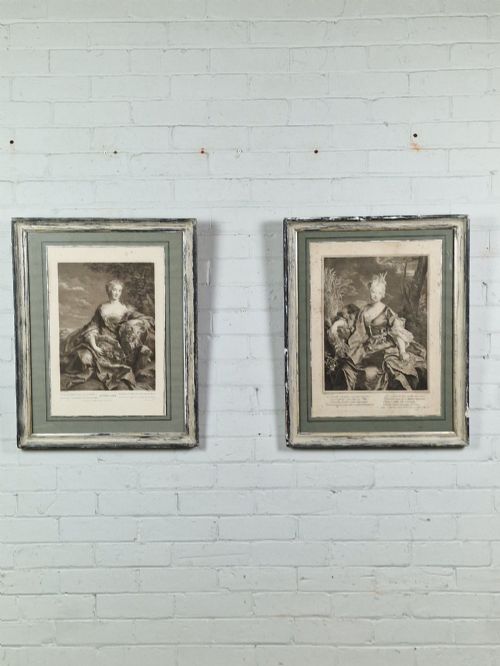
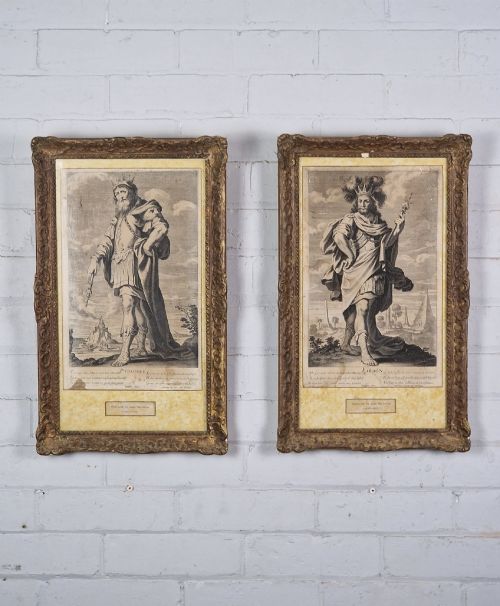
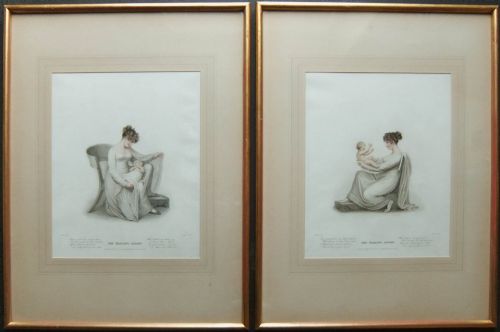
Other prints circulated as standalone portraits or pair compositions intended for domestic display in simple wooden or gilt frames.
Can I wear an antique intaglio ring daily?
Carnelian and agate stones possess reasonable hardness for regular wear, but antique settings require gentle treatment. Avoid exposing the ring to harsh chemicals, ultrasonic cleaners or heavy impact.
Periodic inspection by a jeweler ensures the gold claws secure the gemstone safely within the mounting.