
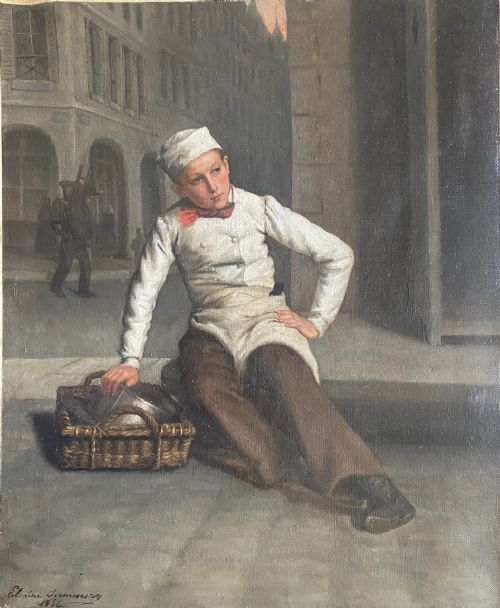


Antique Figural Portrait
These antique figural portrait pieces capture individual human likenesses across varied media, offering an intimate connection to past centuries that collectors prize for any interior.
Antique Figural Portrait
An antique figural portrait brings human presence into a room through oil paintings, watercolours, canvas works, and carved objects. Buyers searching this phrase encounter framed fine art and paper works originating primarily in the nineteenth century.
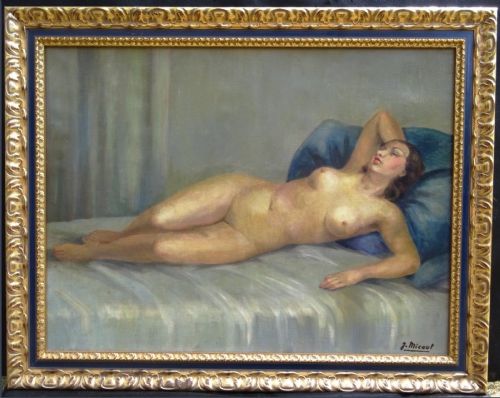
Victorian subjects predominate, capturing sitters through oil on canvas, gouache on paper, and embroidered wool tapestry pictures. Such pieces document historical dress, portrait traditions, and artistic movements across decades.
Materials and construction methods
Artists executed these works using traditional supports such as prepared canvas, woven paper, and wood panels. Pigments applied in oil and water-based paints built up form and facial detail through layered brushwork.
Sculptural pieces utilise cast metals like bronze and iron, shaped into three-dimensional portrait busts and heavy desk items. Frames combine moulded wood and gilt finishes to house delicate paper and canvas surfaces.
Listings feature canvas, glass, paper, and wood materials across Victorian and Edwardian periods.
Assessing quality in portraiture
Skill in draftsmanship and brush control determines how convincingly a portrait renders facial anatomy and expression. Finer works display careful handling of light and shadow, whereas simpler examples rely on standard formulas.
The preservation of the original surface, whether oil paint, watercolour, or pith paper, dictates the integrity of the piece. Intact framing and stable grounds protect these delicate media from environmental degradation over time.
Charles Hunt·Philip Richard Morris·Georges Goursat Sem·John Robert Dicksee·Vincenzo Irolli·Noel Quintavalle·J Camus·John R Houston·Charles Edward Wilson·John Duncan Fergusson
The Antique Figural Portrait Glossary
- Pith painting
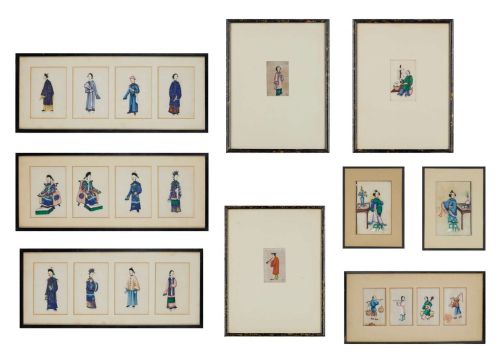
- A delicate artwork created on plant-based pith paper, frequently produced in nineteenth-century China for export markets. These works are known for their vibrant colours and fragile structure.
- Gros-point
- A type of needlepoint embroidery worked on heavy canvas mesh. It creates durable pictorial textiles suitable for wall hanging and upholstery.
- Qajar painting
- An artistic style from nineteenth-century Persia characterised by distinct portraiture and narrative scenes. These works often depict sages, rulers, and court figures using rich pigments.
- Gilt wood
- Wood carved and coated with a thin layer of gold leaf or metallic powder. It provides decorative framing and surface ornamentation for fine art.
- Gouache
- An opaque water-based paint that dries to a matte finish. Artists utilise it for precise detail work on paper supports.
Antique Figural Portrait: Frequently Asked Questions
What periods do these portraits cover?
The inventory spans the nineteenth century alongside Edwardian and Victorian eras. Pieces range from mid-century works to later depictions.
Specific dates on signed items provide precise context for the artistic styles represented.
How are fragile paper portraits displayed?
Watercolours and pith paintings require protective framing behind glass to shield them from airborne dust and moisture. Archival mounting prevents direct contact with the glazing.
Placement away from direct sunlight preserves the original pigments and paper supports.
What subjects appear in these works?
Portraits depict individual sitters, children, labourers, elegant ladies, and literary figures. Settings include interiors, orchards, and fountains.
Regional diversity introduces Persian sages and Chinese subjects alongside European sitters.
How do I identify a Victorian oil painting?
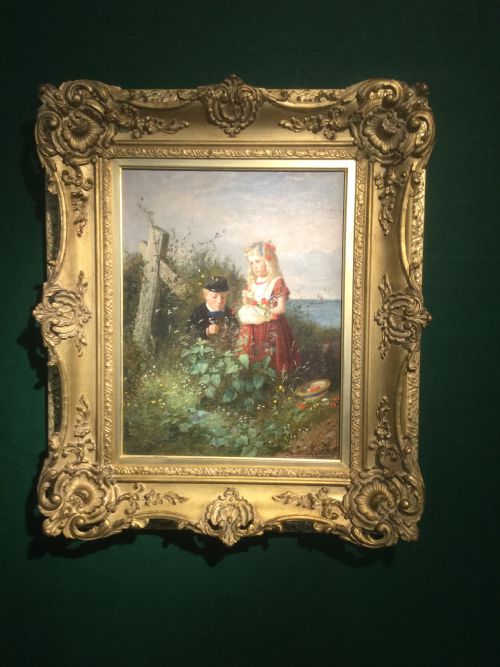
Nineteenth-century oils employ canvas stretched over wooden frames, often accompanied by period gilt wood surrounds. Pigment analysis and canvas texture indicate the manufacturing era.
Artist signatures and dated inscriptions frequently confirm the period of creation.