






Antique Extension Side Table
An antique extension side table offers flexible surface space for the home, bringing period timber and clever folding mechanisms together.
Antique Extension Side Table
When buyers search for an antique extension side table, they are looking at drop-leaf, gateleg, and Pembroke tables from periods such as the seventeenth century, the Georgian era, the Regency, and the Victorian epoch.
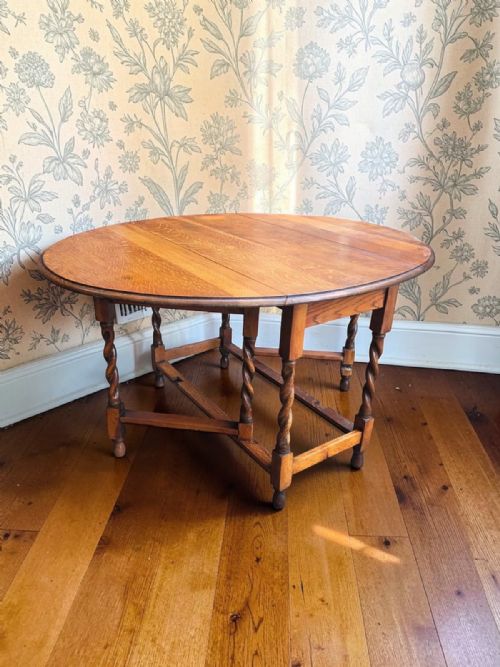
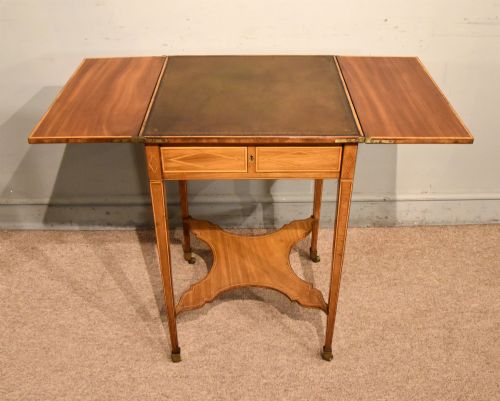
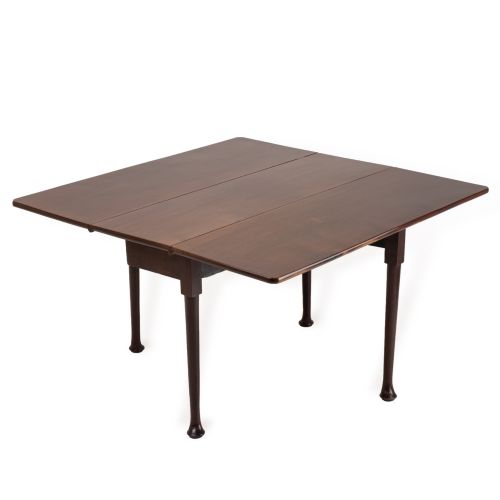
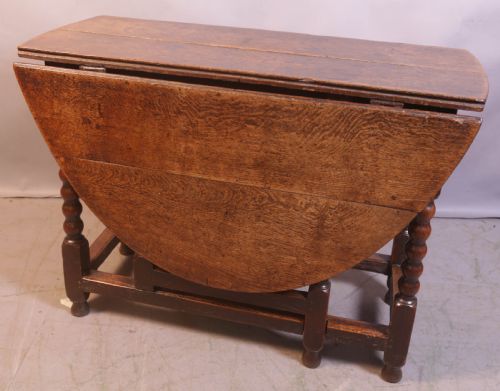
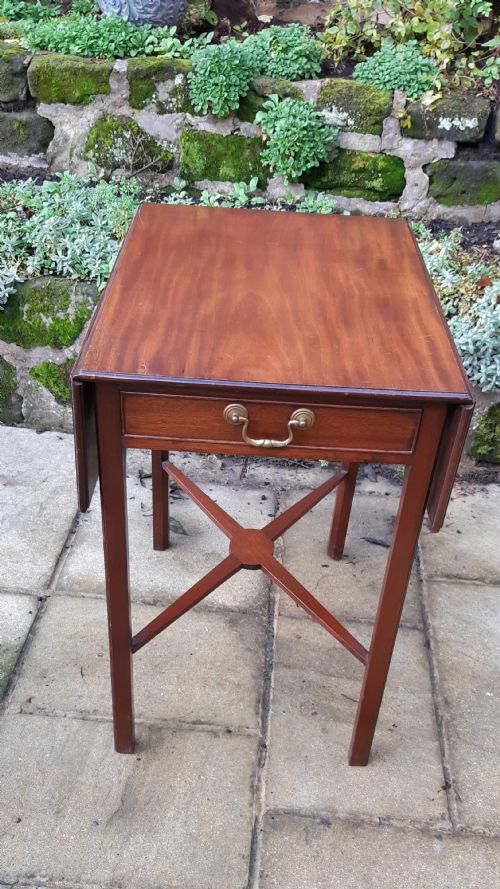
The versions most commonly met on this page include walnut gateleg designs, mahogany Pembroke tables with inlaid satinwood, and oak drop-leaf dining or kitchen tables.
These pieces function as compact side surfaces that expand on hinged leaves or swinging legs when extra room is needed for writing or dining.
How they were made
Cabinet makers constructed these tables primarily in solid timbers like oak, mahogany, and walnut, frequently incorporating satinwood inlay and brass hardware for decorative contrast.
Folding actions relied on sturdy gateleg frames, drop-leaf hinges, and sliding supports to allow timber leaves to lift and drop smoothly.
Turned legs, including barley twist supports, provided the necessary structural strength to bear the weight of extended leaves.
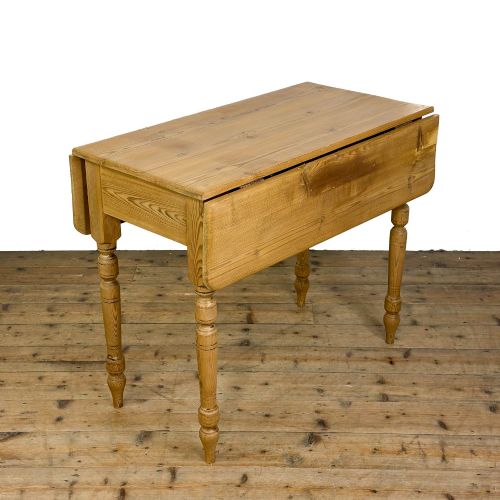
Some tables arrive with scrub tops that reveal decades of kitchen preparation, ready to host your morning coffee without fear of a water ring.
What varies in quality
The division between standard examples and finer pieces rests on the choice of timber and the precision of the cabinet work, particularly in the joinery of the folding leaves and swing legs.
Finer tables demonstrate careful selection of figured mahogany or rich walnut, alongside subtle decorative additions like satinwood inlay rather than plain pine or heavy modern replacements.
The integrity of the original gateleg mechanism and the smoothness of the drop-leaf action dictate the overall standard of construction.
The Antique Extension Side Table Glossary
- Gateleg table
- A table with hinged leaves supported by legs that swing outward like a gate to hold the leaves upright. This design provides sturdy support for large drop leaves.
- Pembroke table
- A small rectangular table with two hinged drop leaves on opposing sides, often featuring one or more small drawers. It was originally designed for breakfast or writing use.
- Satinwood inlay
- Ornamental wood pieces set into the surface of a darker timber to create contrasting patterns or borders. This technique highlights the decorative ambition of Georgian cabinet makers.
- Barley twist
- A type of furniture leg turned in a spiral resembling a rope or barley stalk. It appears frequently on seventeenth century and revival oak tables.
Antique Extension Side Table: Frequently Asked Questions
How do I use a drop leaf table in a small room?
Drop leaf tables function well against a wall with both leaves down to serve as a narrow side console. You can raise one or both leaves whenever you need extra surface area.
Because the folding mechanism operates quickly, adjusting the footprint of the table takes only a moment to suit daily activities.
How can I tell a Georgian table from a later revival piece?
Georgian pieces show the timber selection, hand-cut joinery, and patination consistent with eighteenth century workshop practices. Mahogany and inlaid satinwood are typical of this period.
Revival pieces, such as those from the twentieth century, often utilise machine-turned elements like heavy barley twists while retaining a different quality of surface wear and timber age.
Are these tables sturdy enough for daily dining?
Solid oak and mahogany gateleg tables provide robust support when the swinging legs are properly positioned beneath the leaves. Their historic construction was built for active domestic service.
Lighter Pembroke or occasional tables suit writing and display better than heavy family meals, depending on the strength of their folding leaf brackets.