




Antique Equine Sculpture
An antique equine sculpture captures the power and grace of the horse through bronze, terracotta, and wood across several centuries.
Antique Equine Sculpture
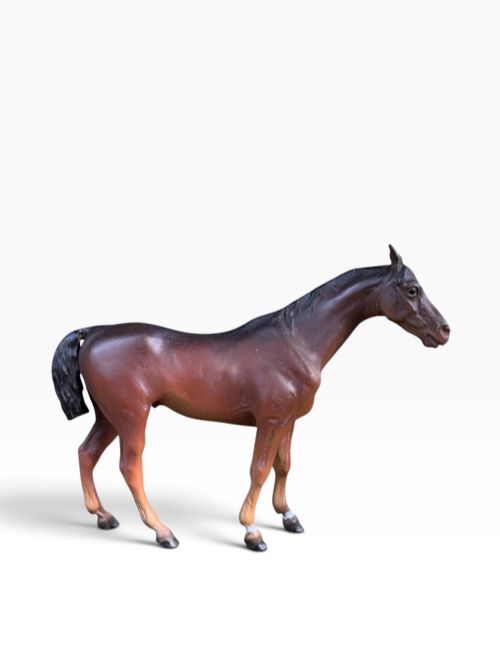
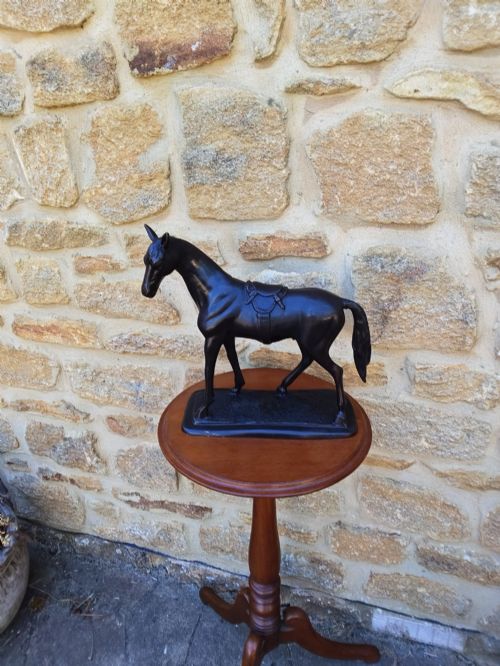
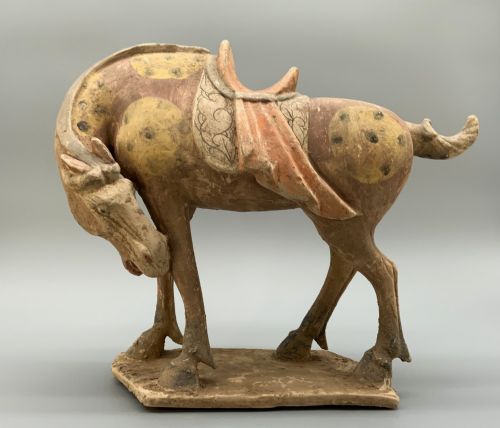
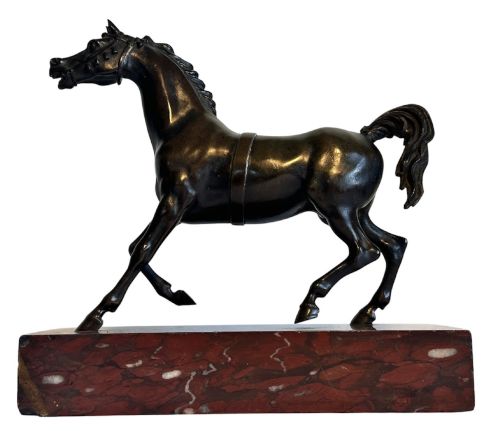
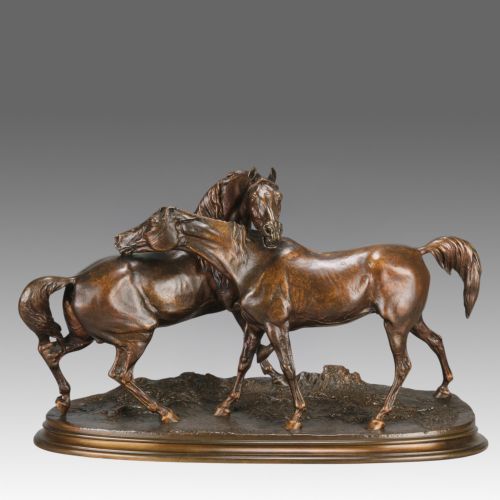
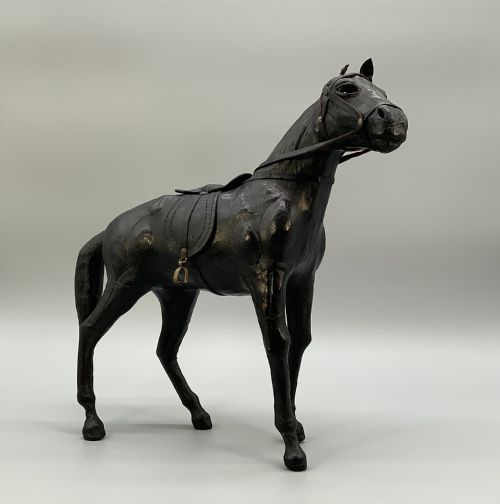
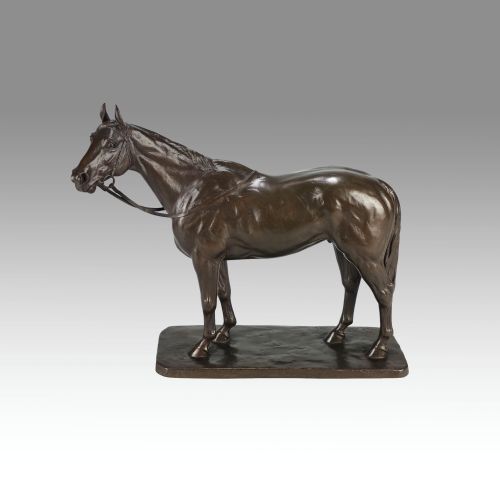
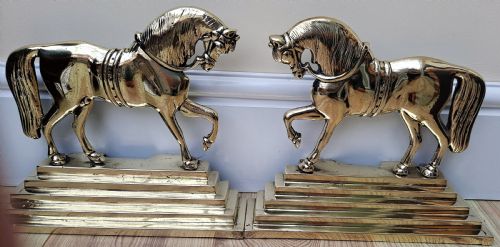
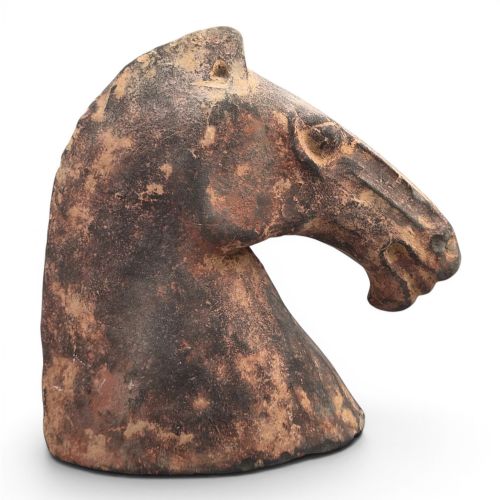
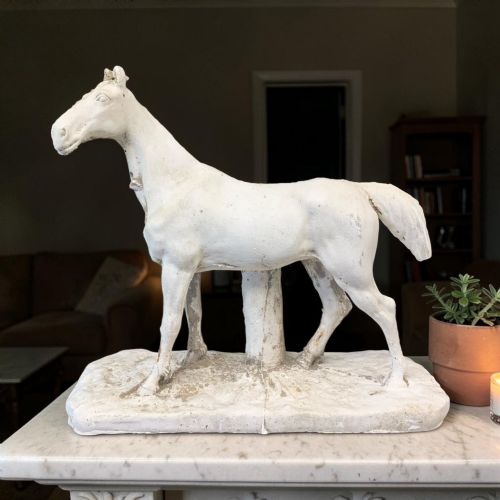
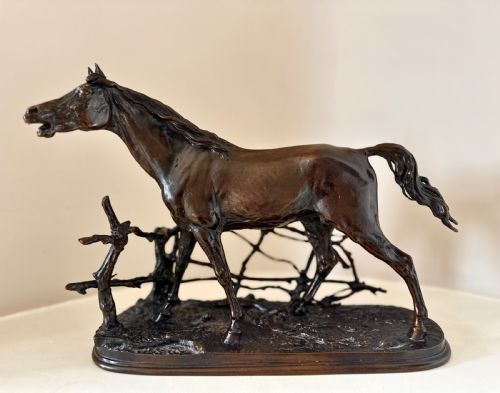
An antique equine sculpture represents horses in various forms, ranging from dynamic bronze stallions to terracotta tomb figures and practical brass doorstops. These works emerge from diverse traditions, including French Animalier bronzes, Asian pottery styles, and European studio models.
The selections on this page span several distinct periods, with 19th-century and early 20th-century bronze castings appearing most frequently alongside earlier pottery traditions. Buyers encounter everything from grand mantel ornaments to heavy utilitarian door porters.
Makers and foundries across Europe and Asia utilised specialised techniques to capture the musculature and spirit of the animal. Whether formed as a delicate cold-painted bronze or a sturdy carved wooden draft horse, each piece reflects the artistic priorities of its era.
How they were made
Foundries employed the lost-wax method for many bronze sculptures, allowing for intricate detail in the musculature and mane before applying patination or cold painting. Artisans also worked with carved hardwood, terracotta, and cast brass to achieve different textures and weights.
Surface finishes range from natural patinas and Sancai glazes to detailed hand-painted pigments on cold-painted bronze and terracotta heads. Base materials like marble frequently support heavier metal castings to provide stability.
One listing includes a solitary bronze nostril salvaged from a larger statue of a horse.
What varies in quality
The crispness of the casting and the sensitivity of the modelling separate ordinary figures from exceptional works. Superior examples display a deep understanding of equine anatomy, capturing tension in the muscles and correct proportions.
The quality of the surface finish and patination significantly impacts the character of the piece. Well-preserved cold painting, subtle patinas, and clearly defined chased details indicate superior craftsmanship.
P J Mêne·Kunio Itô·Franz Bergman·Sakai Kōzan
The Antique Equine Sculpture Glossary
- Animalier
- A 19th-century artistic movement focused on the realistic depiction of animals. Sculptors in this tradition studied live subjects closely to capture natural movement.
- Cold-painted bronze
- A technique where bronze is painted with cold enamel paints rather than fired in a kiln. This finish requires careful preservation to prevent flaking.
- Marly horse
- Large sculptural groups depicting horses restrained by handlers, originally commissioned for Louis XV. These powerful compositions were frequently replicated in bronze during the 19th century.
- Mingqi
- Chinese spirit artefacts placed in tombs to serve the deceased in the afterlife. Terracotta horses and horse heads from ancient dynasties belong to this tradition.
- Patina
- The surface coloration and sheen developed naturally over time or applied chemically by the foundry. A desirable patina adds depth and evidence of age to metal sculptures.
Antique Equine Sculpture: Frequently Asked Questions
How do I identify a French Animalier bronze?
French Animalier bronzes from the 19th century typically feature realistic anatomical study and carry the signature of the sculptor on the base. They often show naturalistic movement, such as a stallion rearing or standing at a barrier.
These pieces were cast using traditional foundry methods and frequently possess a rich, dark patina developed over decades of handling.
What is the difference between bronze and brass equine figures?
Bronze contains copper and tin, offering a durable material that accepts fine detail and complex patination. It was the preferred medium for fine art sculptures and cabinet figures.
Brass contains copper and zinc, yielding a brighter golden tone suited for utilitarian items like heavy doorstops and chimney ornaments.
How should I care for an antique bronze horse?
Dust the sculpture gently with a soft, dry brush to prevent the accumulation of dirt in recessed details. Avoid using commercial metal polishes, which can strip away the historic patina.
Keep the piece away from direct sunlight and high humidity to protect surface coatings, especially on cold-painted or wooden items.
Are Tang Dynasty pottery horses genuine antiques?
Pottery horses attributed to the Tang Dynasty originate from ancient burial traditions and require expert authentication regarding their age and firing methods. Sancai glazes and terracotta bodies characteristic of these pieces reflect specific historical ceramic techniques.
Collectors examine the clay composition, surface weathering, and kiln marks to determine the authenticity of early Asian pottery.