
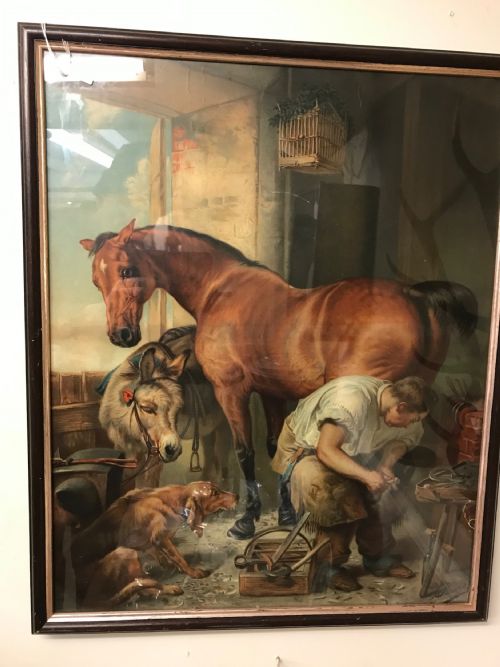


Antique Equestrian Lithograph
These antique equestrian lithograph pieces capture historic sporting life on paper, bringing character and movement to any room.
Antique Equestrian Lithograph
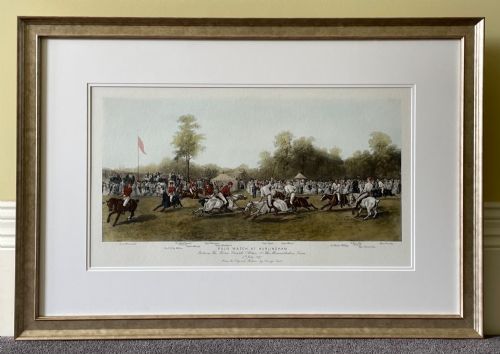
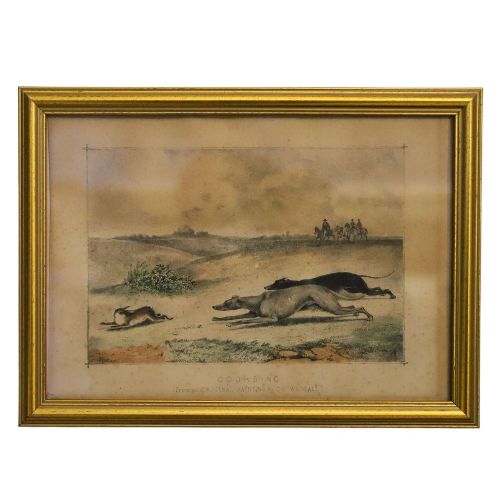
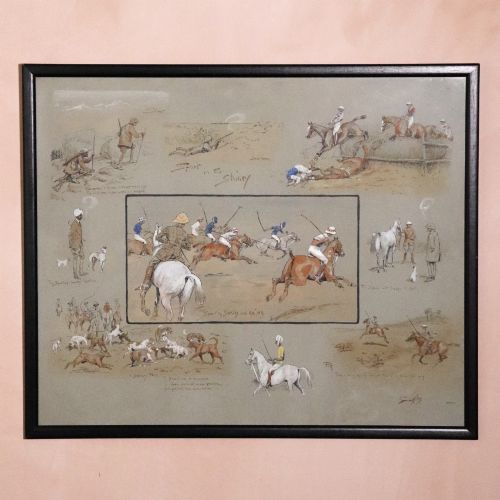
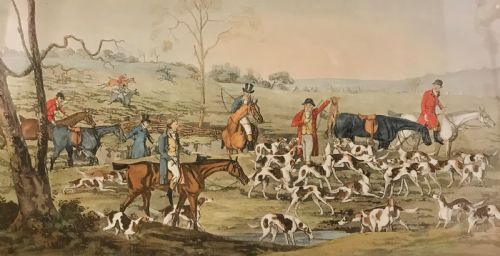
When you search for an antique equestrian lithograph, you encounter framed works depicting horses, racing, hunting, and polo matches. The selection spans the nineteenth century and the early twentieth century, showing subjects from hare coursing to racehorses and jockeys.
You are most likely to meet framed prints and chromolithographs representing British sporting art, Victorian scenes, and Vanity Fair double page plates. Many pieces arrive housed in wood, gilt wood, and gesso frames beneath glass, ready for hanging.
The material record includes paper and cardboard sheets carrying ink impressions, occasionally enhanced with gold leaf. Origins extend from British country house subjects to French sporting scenes.
Assessing quality
Quality rests upon the strength of the impression and the vibrancy of the ink on the paper. Stronger prints show crisp detail in the horses and riders, whereas weaker examples lose definition in the background.
The integrity of the framing materials also matters to the overall presentation. Original gilt wood and gesso frames that retain their original finish contribute more character than plain modern replacements.
Antique Equestrian Lithograph Retail Price Guide 2026
Typical asking prices for equestrian lithograph among the pieces listed under this phrase on Sellingantiques today, from the lower quarter to the upper quarter. They describe what is for sale here now, not the wider market.
Dogs and horses share the spotlight, from hunting hounds and springer spaniels to polo ponies and racing thoroughbreds.
C H Weigall·Edwin Henry Landseer·Victor Adam·Frank Algernon Stewart·Frank Dadd
The Antique Equestrian Lithograph Glossary
- Chromolithograph
- A colour lithograph produced from multiple stone plates, one for each colour used in the design. This technique allowed publishers to issue vivid sporting prints for domestic walls.
- Lithograph
- A planographic print made by drawing on limestone or metal with a greasy medium that accepts ink. The process permitted faithful reproduction of original artwork.
- Gesso
- A plaster-like mixture applied to wood frames before gilding or painting. It provides a smooth base for intricate moulded details.
- Sporting Art
- Depictions of hunting, racing, shooting, and equestrian pursuits. This genre flourished in British art throughout the nineteenth century.
- Double Page Print
- A publication format featuring an image spanning two joined pages. Vanity Fair frequently issued these large plates for framing.
Antique Equestrian Lithograph: Frequently Asked Questions
What is an antique equestrian lithograph?
An antique equestrian lithograph is a print produced on stone plates during the nineteenth or early twentieth centuries, showing horses, riders, and sporting scenes.
These pieces record historic pastimes like polo, hunting, and racing, often preserved behind glass within period wood frames.
How were these prints originally displayed?
Many of these prints hung in British country houses and sporting clubs to celebrate field sports and racing achievements.
Publishers also issued them in periodicals like Vanity Fair, after which owners routinely had the double pages framed for wall display.
How do I date an equestrian print?
Dating relies on stylistic clues, publication dates recorded in the margins, and the specific attire of the riders shown.
Victorian clothing, Edwardian sporting fashions, and mid-nineteenth-century printing styles help narrow down the exact decade of production.
How do I care for framed paper art?
Paper prints require protection from direct sunlight to prevent the ink and paper from fading over time.
Keeping them in stable room conditions away from excessive moisture protects both the paper sheet and the surrounding wooden frame.