



Antique Epns Tray
An antique epns tray is a silver-plated servant for the table, offering lasting shine and solid weight for daily hosting.
Antique Epns Tray
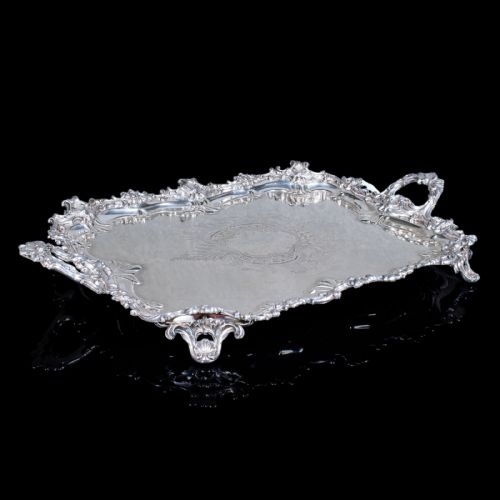
When you search for an antique epns tray, you are looking at silver-plated metal serving pieces created primarily across the Victorian, Edwardian and Art Deco periods. These items range from large tea trays and gallery trays to smaller cocktail trays and serving dishes.
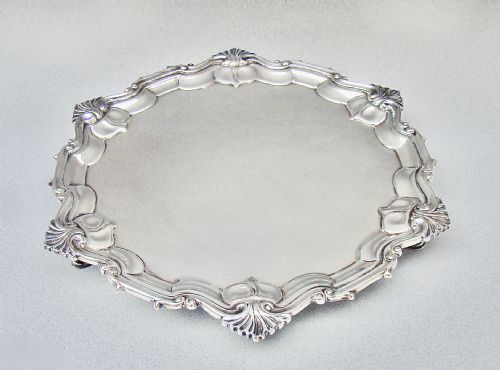
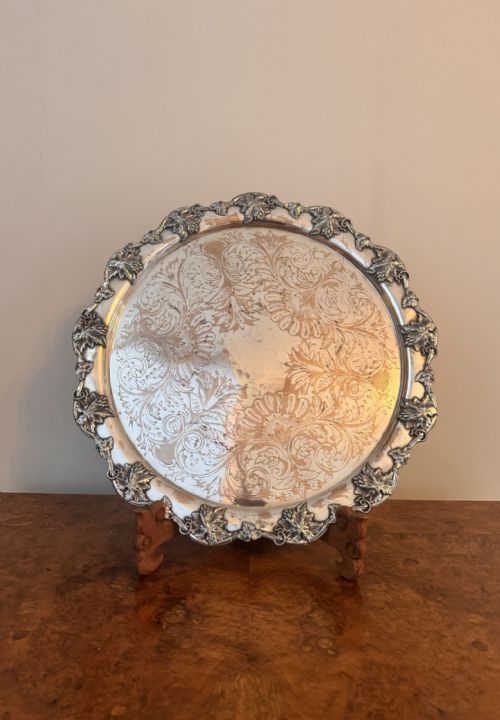
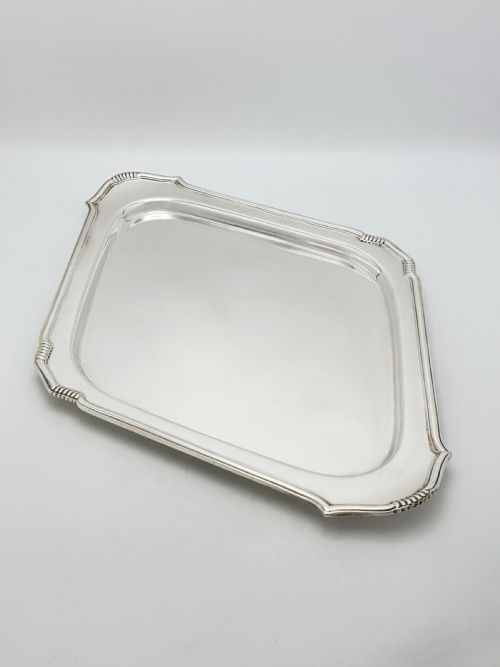
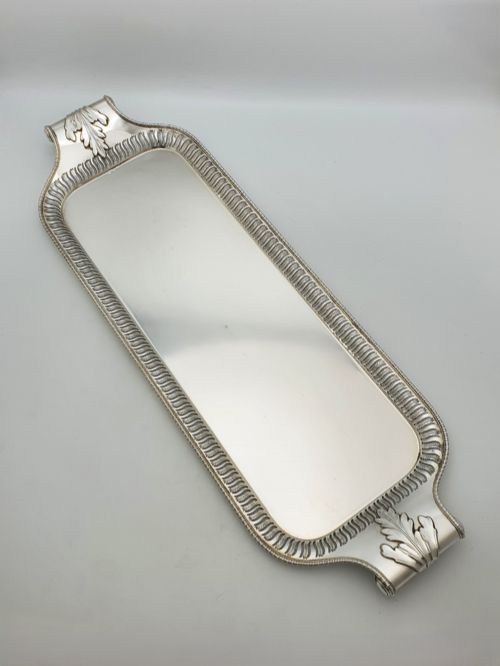
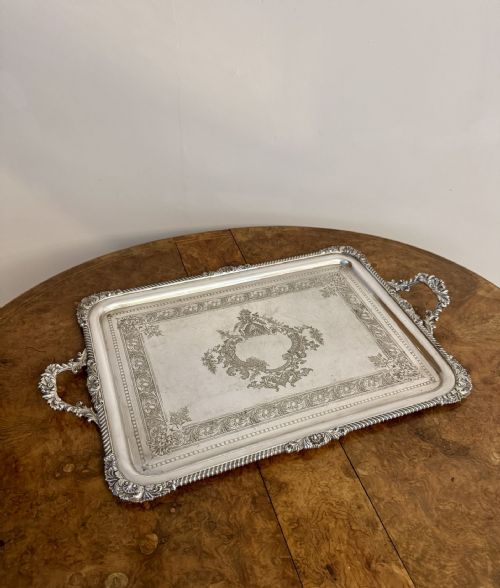
The pieces you are most likely to meet on this page span from the late nineteenth century through to the 1930s. They include circular salvers, twin-handled serving platters, and geometric cocktail trays suited for formal dining or drinks display.
Materials and Construction
The foundation of these items is typically nickel silver, a robust alloy of copper, nickel and zinc that mimics the appearance of solid silver. This base metal was then coated in a layer of silver through the electrochemical plating process known as EPNS.
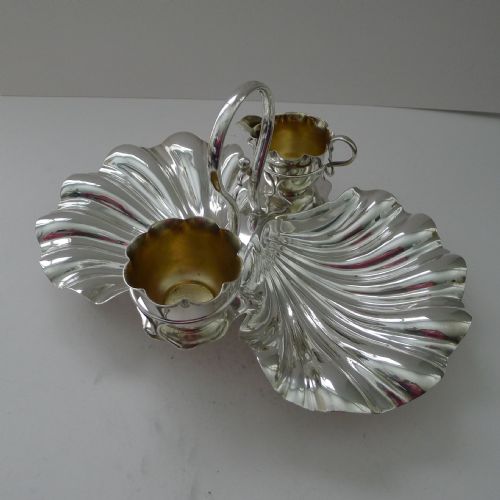
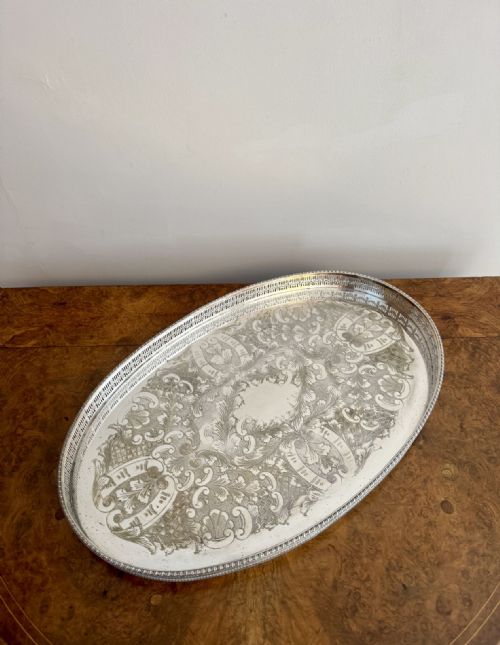
Maker workshops utilised techniques such as piercing, reticulation and engraving to decorate the borders and surfaces. Some serving pieces incorporated cut glass liners, gold wash finishes, or mahogany bases to enhance their utility and appearance.
Antique Epns Tray Retail Price Guide 2026
Typical asking prices for epns tray among the pieces listed under this phrase on Sellingantiques today, from the lower quarter to the upper quarter. They describe what is for sale here now, not the wider market.
Materials recorded include silver plate, cut glass, nickel silver and gold wash.
Distinctions in Quality
The standard of a piece rests heavily on the crispness of its hand-engraved details and the integrity of the pierced gallery work. Heavier gauge nickel silver provides a more substantial feel in the hand and resists bending.
The preservation of the silver plating is a key factor, as heavier original plating endures decades of polishing better than thin coatings. Maker attribution to notable silversmiths also distinguishes finer examples from anonymous production.
James Deakin·William Hutton & Sons·Daniel Arter·Walker & Hall·Mappin & Webb·Hukin & Heath·Atkin Brothers·John Collyer Birmingham·Lee & Wigfull·J.H. Potter
The Antique Epns Tray Glossary
- EPNS
- Electroplated Nickel Silver. This acronym denotes a base metal alloy coated with a thin layer of pure silver through electrolysis.
- Gallery tray
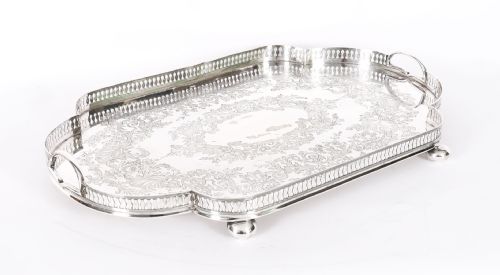
- A serving tray featuring an upright pierced or solid metal gallery border around its perimeter. This raised edge prevents glasses and teacups from sliding off during service.
- Salver
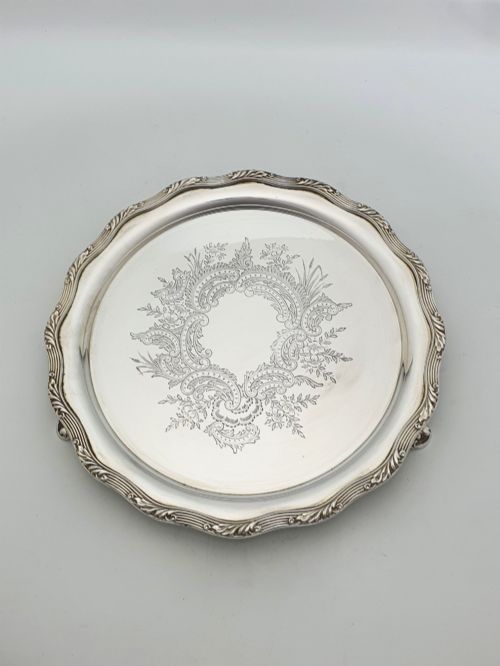
- A flat serving tray, usually circular and supported on small feet. These pieces were traditionally used for presenting letters, calling cards or drinks.
- Reticulation
- An openwork net-like pattern formed in metal. Makers achieved this decorative effect by piercing intricate designs through the silver plate.
- Gold wash
- A thin layer of gold applied to the interior surface of a silver-plated dish. This technique protected the underlying metal from acidic foods.
Antique Epns Tray: Frequently Asked Questions
What is an epns tray?
An epns tray is a serving tray made from nickel silver and finished with an electroplated silver coating. These items were produced extensively by British silversmiths during the Victorian, Edwardian and Art Deco eras.
They were designed for serving tea, coffee or cocktails, combining the bright appearance of solid silver with a sturdier and more affordable base metal construction.
How do I clean an antique epns tray?
Cleaning requires a soft cloth and a gentle silver polish specifically formulated for plated items. Avoid harsh abrasive cleaners that can wear away the thin silver layer over time.
Wash the tray in warm soapy water and dry it thoroughly after polishing to maintain the lustre of the metal without damaging the engraved details or applied borders.
How do I tell Victorian from Art Deco trays?
Victorian and Edwardian trays tend to feature ornate floral engraving, pieced galleries and scrolling handles. Their design is ornamental and follows classical or revivalist decorative motifs.
Art Deco trays, dating from the 1920s and 1930s, showcase geometric shapes like diamonds and hexagons, streamlined shell borders, and a focus on clean architectural lines suited for cocktail service.
Were these trays used for food?
Many of these pieces were built for afternoon tea service, carrying teapots, sugar bowls and cream jugs. Others functioned specifically as cocktail or drinks trays for glassware and decanters.
Specialised forms like asparagus dishes and butter dishes with glass liners were created to hold specific foodstuffs during formal dining.