


Antique Entry Pendant
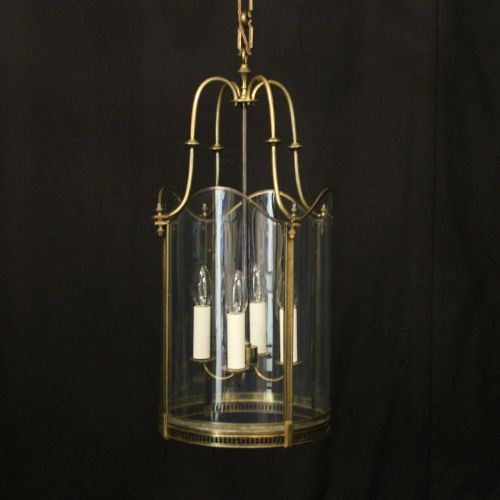
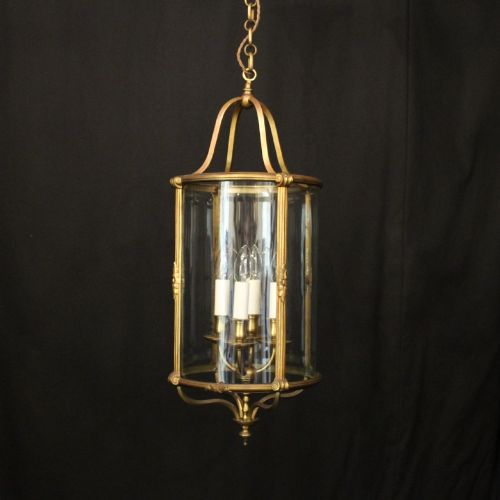
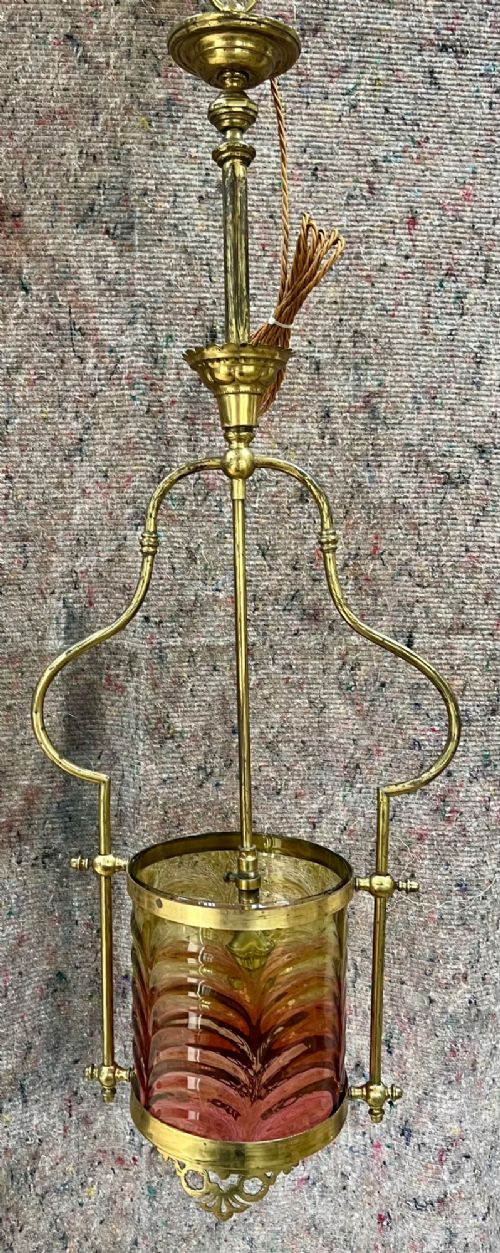
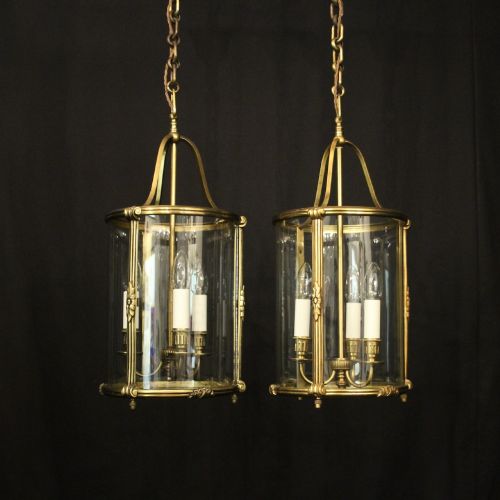
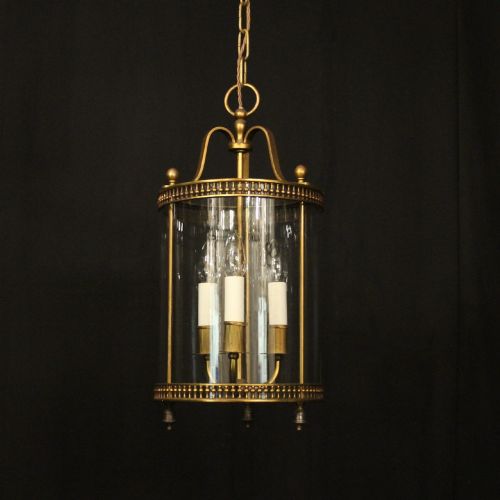
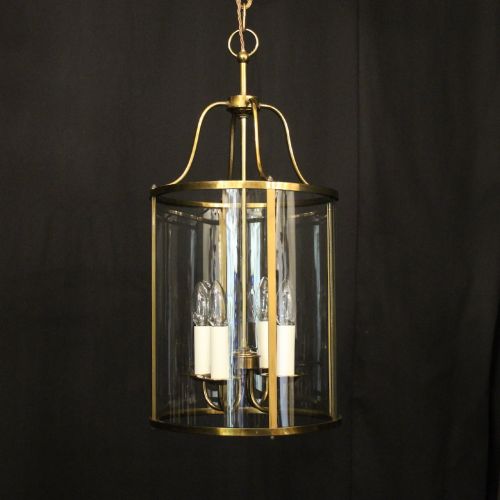
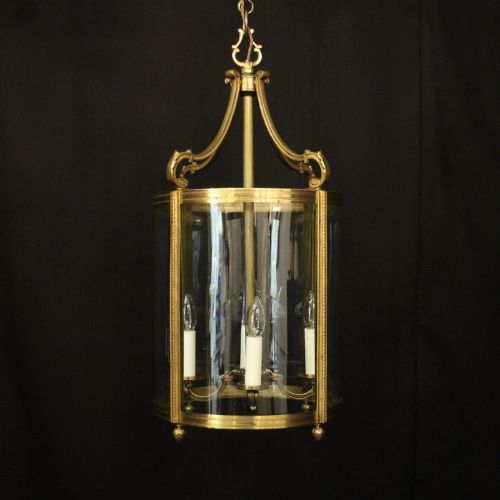
An antique entry pendant brings instant character to a hallway, providing warm overhead illumination through glass panels set within metal frames.
Antique Entry Pendant
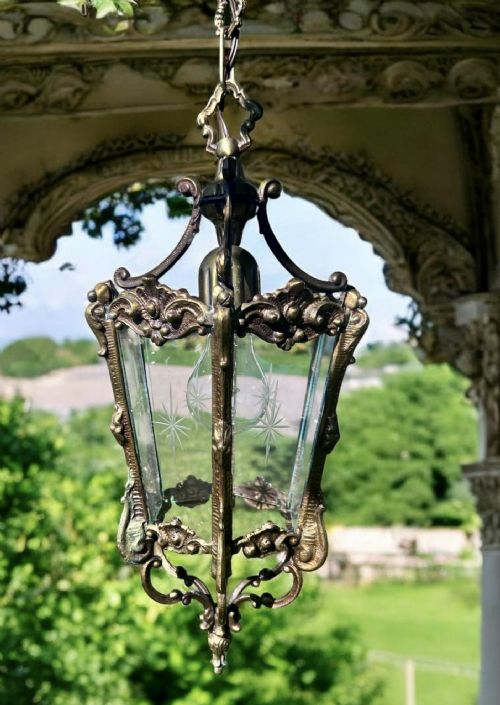
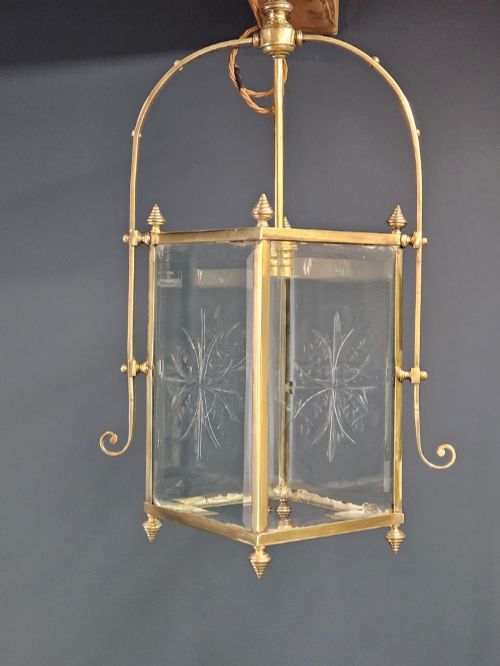
When you search for an antique entry pendant, you encounter hanging fixtures designed specifically to illuminate passage areas like hallways and vestibules. These pieces typically hang from chains or rods, combining structural metal frames with glass panels to cast light in all directions. The selection leans heavily toward French lanterns dating from the nineteenth and early twentieth centuries, alongside English and Italian examples.
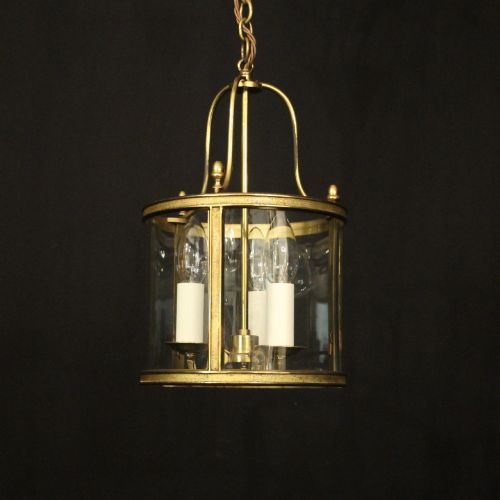
The dominant forms on this page are hall lanterns and ceiling lights featuring convex or bevelled glass panels secured in brass, bronze, or gilded frames. You will find single-light fixtures alongside multi-light configurations capable of brightening larger spaces. Stylistic influences range from Victorian and Edwardian designs to French neoclassical and rococo revival models.
Materials and construction
Makers constructed these lanterns using robust metal foundations of brass, bronze, copper, and wrought iron, frequently applying a gilt or silvered finish to enhance the visual impact. Frames were cast, forged, or fabricated to hold individual panes of glass securely in position. These metal elements often display decorative chasing or classical motifs that reflect the prevailing style of the period.
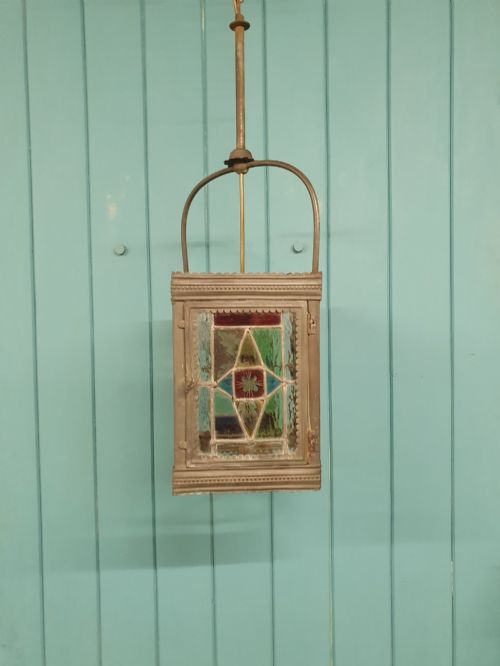
Glass panels form the other defining component, utilising etched, cut, or bevelled panes that diffuse or refract the internal bulb light. Lead came sometimes secures smaller glass sections within the frame, particularly in domestic pieces from the late nineteenth century. Metal suspension loops and internal candle arms or electrical cluster fittings complete the assembly.
Materials documented in the inventory include etched glass, wrought iron, copper, and gilded bronze.
Assessing quality in hanging lanterns
The distinction between standard examples and the finest pieces rests upon the weight of the metal casting and the crispness of any applied ornamentation. Heavy gilded bronze frames with hand-chiselled detailing represent the upper tier of production, whereas simpler spun brass or folded sheet metal occupy a more utilitarian level. The presence of mercury gilding or thick silver leaf elevates the finish significantly above standard lacquered brass.
Glass selection further differentiates the tiers, with thick bevelled plates or heavily cut crystal panels demonstrating superior craftsmanship compared to plain flat glass. The integration of complex geometric frames, such as hexagonal or fully convex shapes, requires advanced metalworking skill. Original suspension hardware and balanced proportions contribute further to the overall integrity of the piece.
The Antique Entry Pendant Glossary
- Convex glass
- Curved glass panels that bulge outward, commonly utilised in nineteenth-century hall lanterns to diffuse light across a wider angle. This shape adds substantial depth and visual weight to the fixture.
- Gilt bronze
- Bronze metal coated with a thin layer of gold leaf or applied gold amalgam, frequently referred to in French pieces as ormolu. It provides a durable, lustrous surface that resists tarnishing over decades.
- Bevelled glass
- Glass panes featuring an angled edge ground down around the perimeter to catch and refract light. This treatment creates subtle prismatic effects when illuminated from within.
- Hall lantern
- A ceiling-suspended lighting fixture enclosed on the sides by glass and metal, designed specifically for narrow transitional spaces like hallways and entryways. They date across various centuries and decorative styles.
- Rococo style
- A decorative movement characterised by asymmetrical scrollwork, naturalistic shell motifs, and flowing curves. In lighting design, this translates to ornate, fluid metal mounts and frames.
Antique Entry Pendant: Frequently Asked Questions
How do I hang a heavy bronze hall lantern safely?
Hanging a heavy bronze or brass fixture requires anchoring directly into ceiling joists or installing a heavy-duty electrical box rated for substantial weight. Professional electricians should evaluate the structural capacity of the ceiling before mounting.
Most antique lanterns utilise a suspension loop or chain that connects to a ceiling canopy, allowing the weight to rest securely on hardware rather than the electrical wiring.
What periods do these entry pendants cover?
The lighting fixtures available here span from the late nineteenth century through the early twentieth century, encompassing Victorian, Edwardian, and Art Deco periods. Many pieces reflect earlier design influences such as French Regence or neoclassical styles.
Dating is generally determined by the construction methods, metal alloys, and stylistic decorative motifs present in the frame.
Are these lanterns wired for modern electricity?
Many antique hanging lights have been adapted for modern electrical standards, though rewiring older fixtures by a qualified professional is often recommended for safety. Internal lamp holders can accommodate standard bulb types while retaining the original interior structure.
Checking the internal wiring ensures compliance with current domestic safety regulations before installation in an entryway.