


Antique Entry Lantern
An antique entry lantern sets a welcoming tone in a hallway, offering both practical illumination and period character.
Antique Entry Lantern
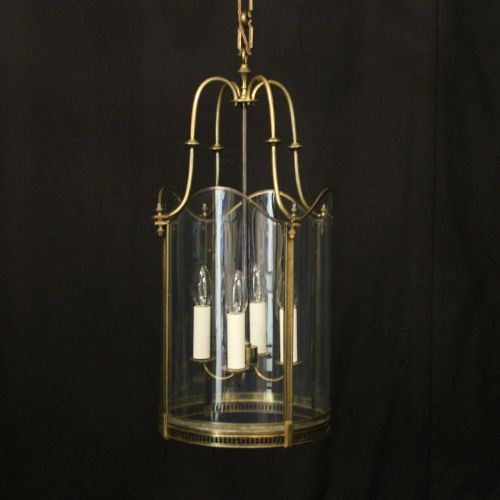
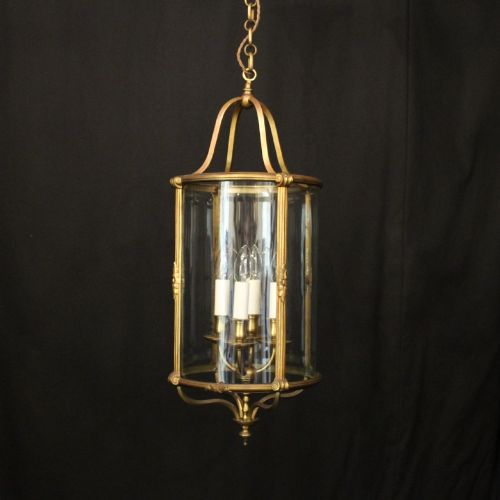
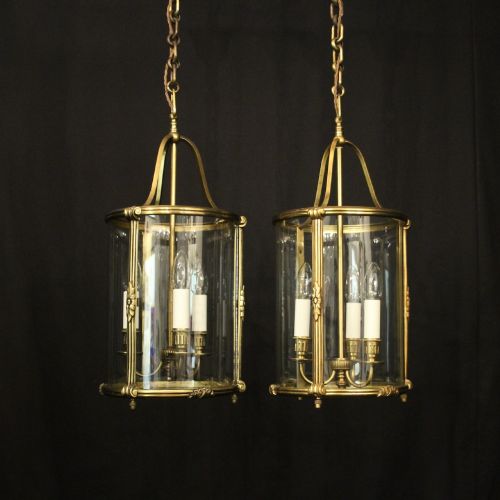
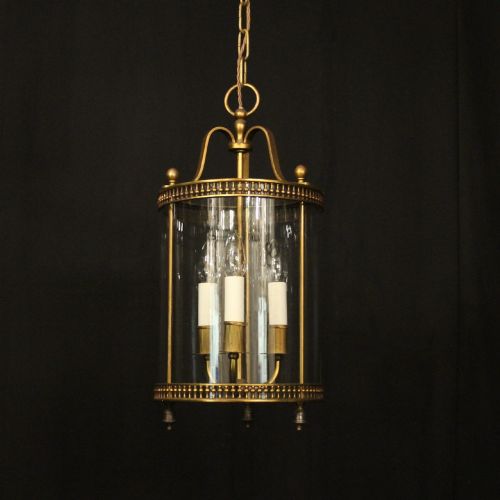
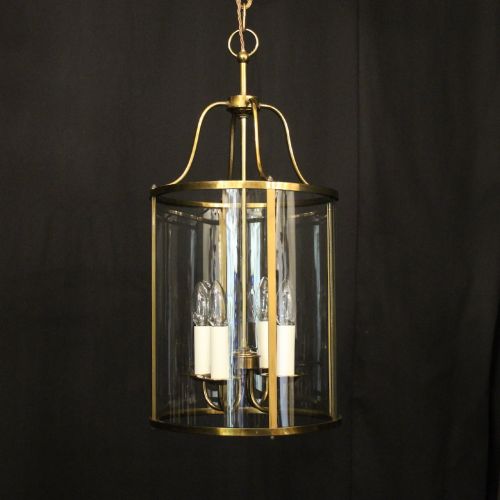
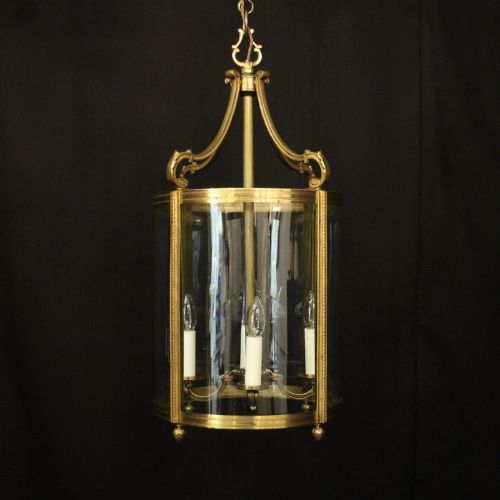
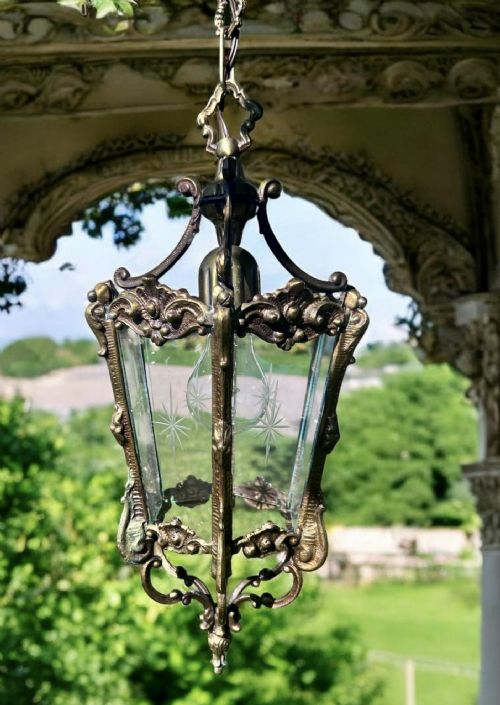
An antique entry lantern serves as the primary overhead lighting in a hallway, vestibule, or entrance lobby. These fixtures hang from ceilings or mount directly to walls, illuminating transitional spaces in homes. Buyers searching for an antique entry lantern encounter a heavy emphasis on French designs, particularly those drawing on neoclassical, rococo, and chateau aesthetics.
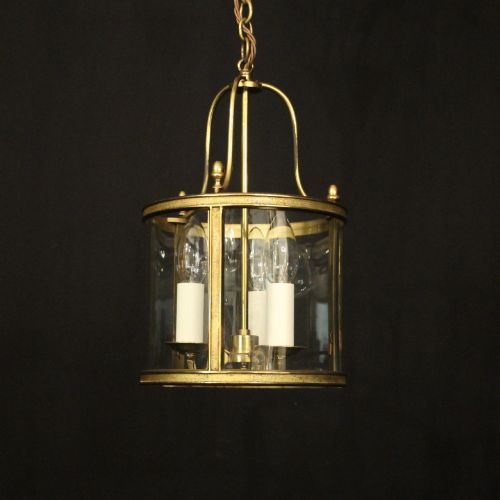
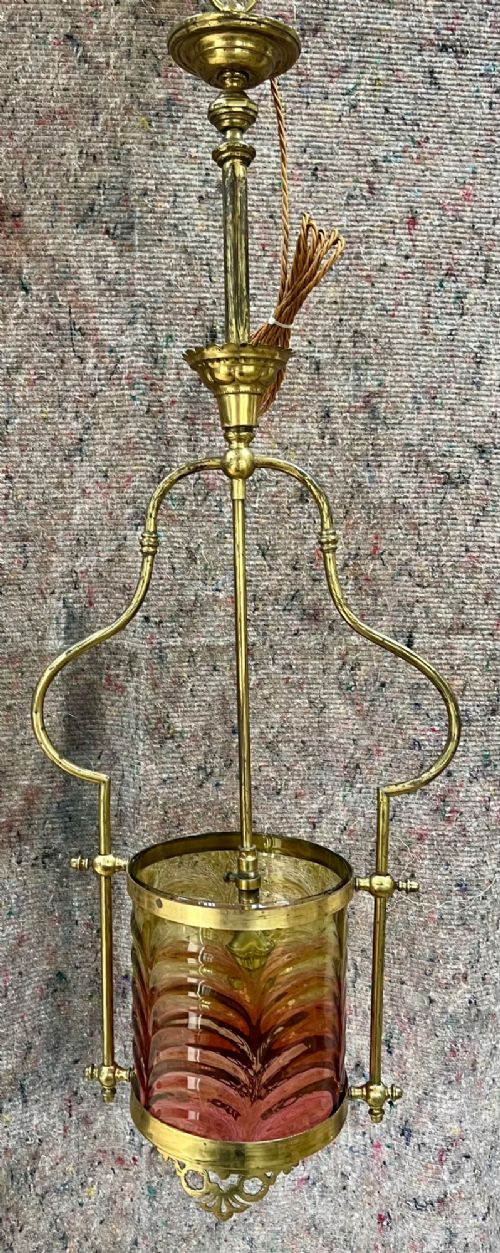
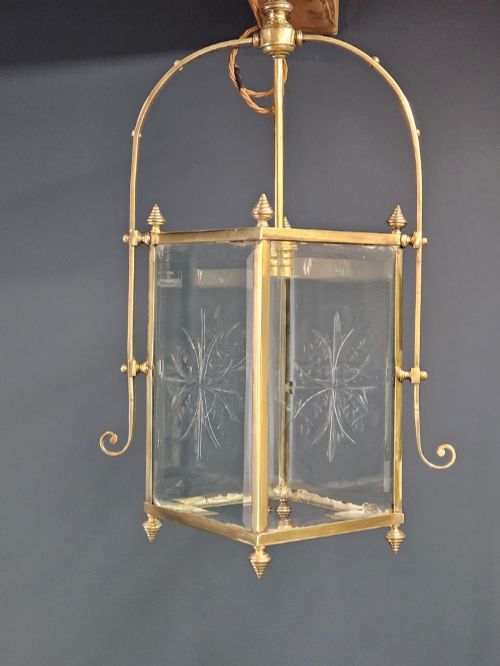
The selection ranges from single-light brass fixtures to large multi-light gilded bronze examples featuring convex or bevelled glass panels. Pieces span the Victorian, Edwardian, and early twentieth-century periods, with strong representation from nineteen-twenty and nineteen-thirty. English and Italian workshops also contribute copper, wrought iron, and silver-gilded variations to the category.
Materials and construction methods
Makers constructed these lanterns using robust metal frames cast in brass, bronze, copper, or wrought iron, frequently applying gilt or silver finishes to enhance decorative appeal. Structural integrity depended on secure joints and sturdy suspension loops designed to bear the weight of heavy metal components.
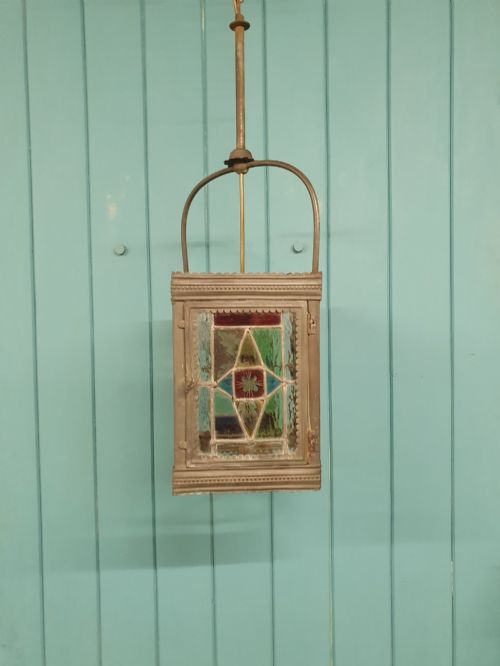
Glazing involved fitting clear, cut, or etched glass panels into the metal frameworks, sometimes utilising curved convex or bevelled panes to catch and refract light. Metalwork often displayed chased or moulded ornamentation characteristic of specific historical revival styles.
Listings feature pieces spanning from the late nineteenth century through to nineteen-thirty, with nineteen-twenty being a particularly common date.
Distinctions in quality and execution
Quality in these fixtures rests on the depth of the metal casting and the crispness of any applied chased or moulded detail. Finer examples display meticulous finishing on hidden surfaces and heavier gauge metals that maintain structural rigidity.
The integration of the glass panels dictates the refinement of the piece, with tightly fitted bevelled or convex panes representing superior craftsmanship compared to simple flat glazing. The richness of the gilding or patination on the bronze, brass, or copper frame further distinguishes masterwork lanterns from standard production.
The Antique Entry Lantern Glossary
- Convex glass
- Curved glass panels that project outward to diffuse light across a wider angle. This technique adds considerable depth and dimension to the fixture's profile.
- Gilded bronze
- Bronze metal coated with a thin layer of gold or gold-coloured alloy. This material combines structural strength with a luxurious surface sheen.
- Bevelled glass
- Glass panes featuring an angled edge cut around the perimeter. The angled border catches light and creates prismatic reflections.
- Hall lantern
- A ceiling-hung lighting fixture specifically scaled for narrow corridors and entryways. These units provide directional illumination from above.
- Rococo style
- A decorative design movement characterised by asymmetrical scrollwork, natural curves, and ornate detailing. It heavily influenced nineteenth-century interpretations of eighteenth-century forms.
Antique Entry Lantern: Frequently Asked Questions
Where should an entry lantern hang?
These fixtures work best suspended in high-ceilinged hallways, vestibules, or grand entrance foyers where they command visual attention. Ensure adequate clearance below the lowest point of the lantern for people passing underneath.
Positioning the light centrally allows the glass panels to distribute illumination evenly across the transitional space. Lower ceilings require compact single-light configurations, whereas taller areas accommodate multi-light hanging lanterns.
How do I determine the period?
Dating relies on examining the fastening methods, electrical wiring adaptations, and stylistic motifs present in the metalwork and glass. Victorian and Edwardian examples often feature heavy copper or brass constructions with distinct regional characteristics.
Nineteen-twenty and nineteen-thirty pieces frequently adopt refined French neoclassical or chateau styles with elaborate bronze casting. Comparing the hardware and patination against documented manufacturing eras helps confirm the timeline.
Can these lanterns be rewired safely?
Professional electricians can easily update the internal wiring of vintage lanterns to meet current safety standards without altering the exterior appearance. Original candle-form sleeves or bulb sockets often require modernization to accept standard contemporary bulbs.
Retaining the original chain, canopy, and suspension loop preserves the structural authenticity during the rewiring process. Ensure the ceiling junction box can support the combined weight of the metal frame and glass panels.
What styles are most common?
French chateau, neoclassical, and rococo designs dominate the available selection, reflecting a strong historical preference for continental decorative arts. These styles emphasise symmetrical or ornate metal frames paired with clear or convex glass.
Alternative aesthetics include industrial-leaning arts and crafts copper fixtures and restrained English brass designs. Each style offers a distinct visual weight suited to different architectural interiors.