

Antique Engraved Vessel
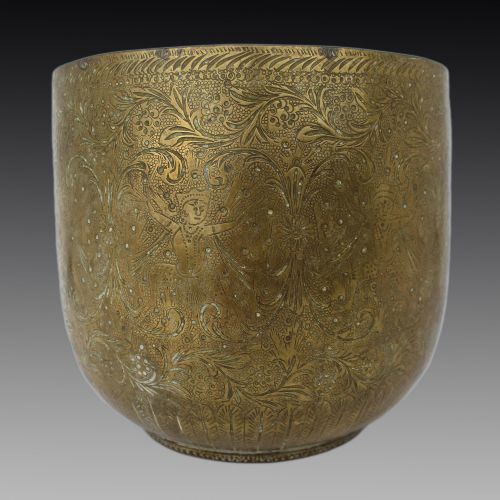
An antique engraved vessel brings surface pattern and weight to a room, spanning drinking glasses, silver teapots and brass cachepots.
Antique Engraved Vessel
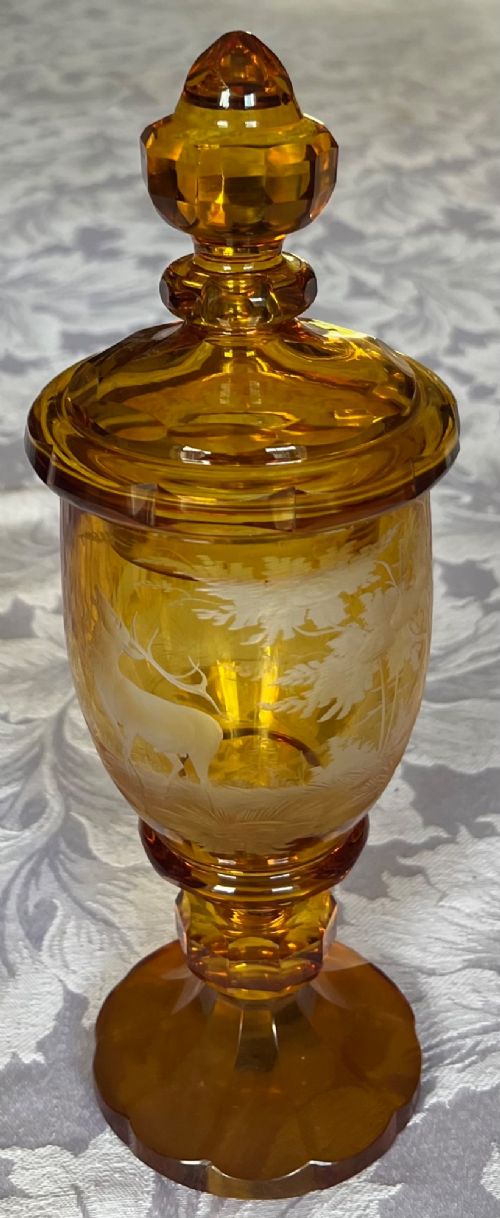
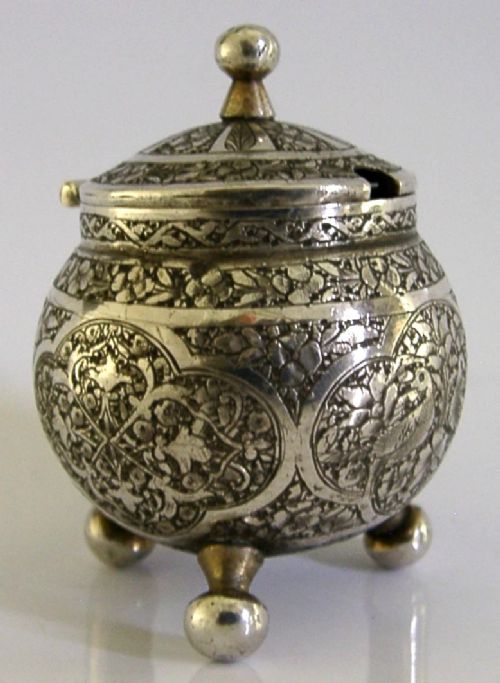
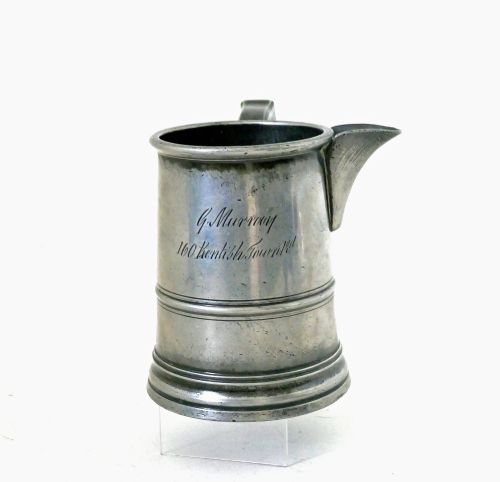
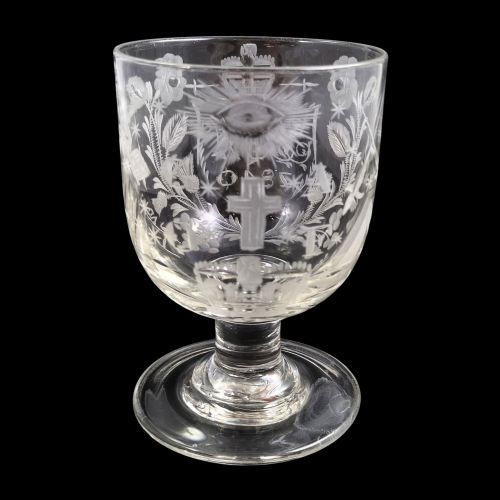
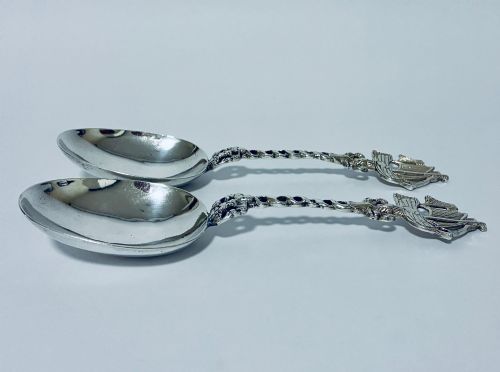
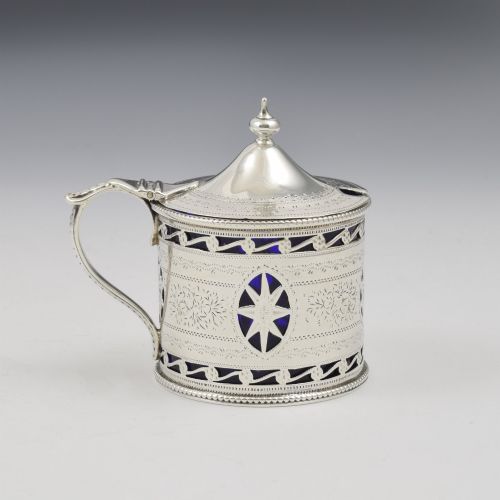
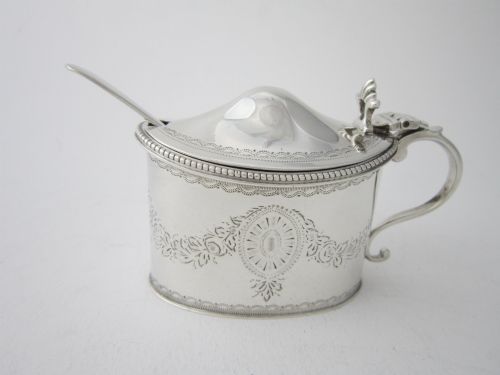
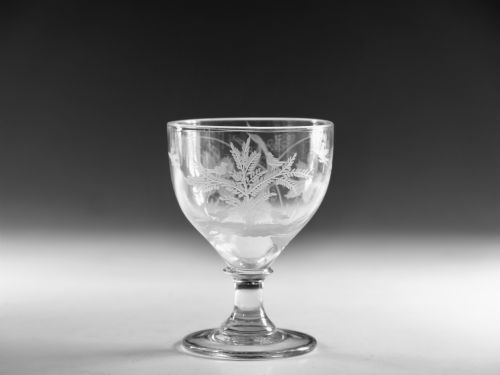
When you search for an antique engraved vessel, you encounter a wide spectrum of functional and decorative forms spanning the eighteenth, nineteenth and early twentieth centuries. The selection encompasses drinking vessels such as wine glasses, rummers and ale glasses alongside hollowware including teapots, mustard pots, tankards and wash bowls.
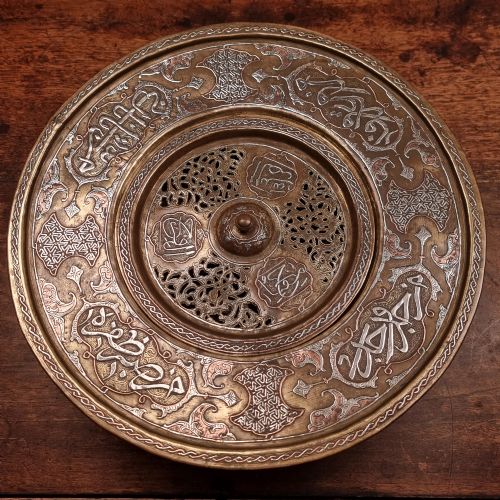
You are most likely to meet silver, sterling silver and silver plated items alongside lead glass, brass, pewter and copper creations. Styles range from Georgian and Victorian to Anglo-Indian, Regency and Mamluk Revival, reflecting diverse domestic and ceremonial uses.
How they were made
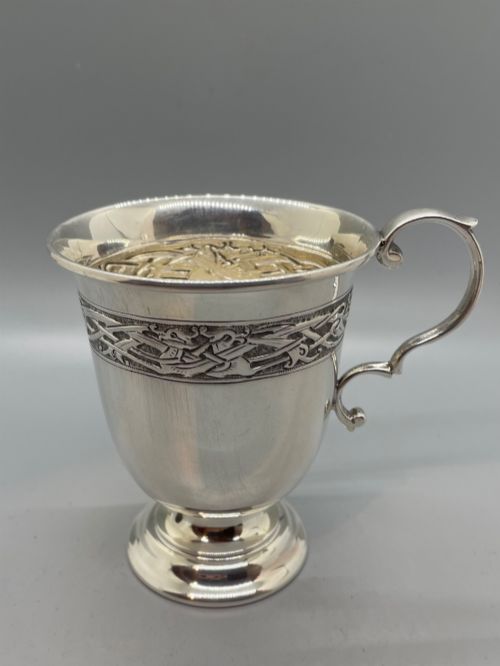
Metals such as sterling silver, silver plate, brass, copper, bronze and pewter were shaped through casting, hammering, raising and piercing, often finished with detailed surface engraving or silver inlay. Makers utilised techniques suited to each medium, producing robust public house tankards as well as delicate miniature chestnut urns.
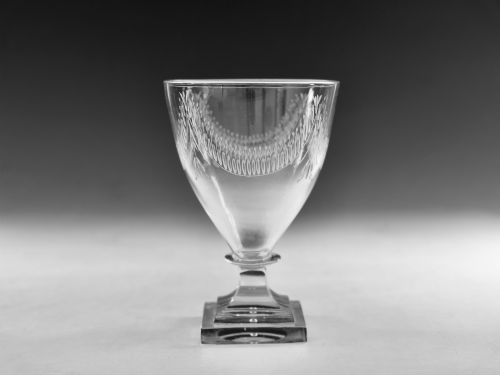
Glassware forms including balustroid wine glasses and rummers rely on lead glass or lead crystal compositions. Artisans applied wheel-cutting, pan-top bowls, swag and tail motifs and opaque twists to the molten or cooled material.
What varies in quality
The standard of an antique engraved vessel depends upon the crispness and depth of the surface decoration relative to the weight of the metal or clarity of the glass. Superior examples display confident, deliberate hand-engraving that integrates harmoniously with the proportions of the form.
Execution of handles, feet and mounts separates standard production from finer output. Well-balanced proportions, such as a sturdy balustroid stem on a wine glass or a solidly cast figural handle on a bronze ewer, elevate the piece.
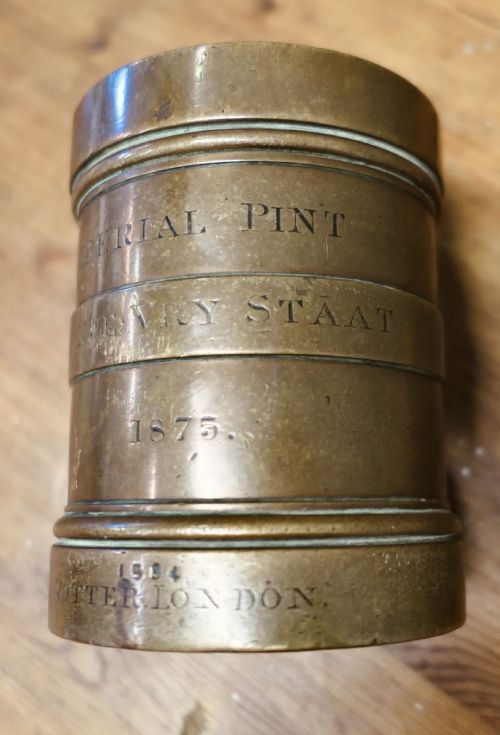
Potter of London·Nathan and Hayes·Walker and Hall·G R Collis·Padley Parkin and Staniforth·Robert Hennell I·George Unite
The Antique Engraved Vessel Glossary
- Balustroid
- A glass stem form that thickens towards the top in the manner of a baluster, common in eighteenth-century English drinking vessels.
- Rummer
- A large, sturdy drinking glass introduced in the eighteenth and nineteenth centuries, frequently featuring engraved decoration.
- Ale glass
- A tall, narrow drinking glass intended for ale, produced in various dwarf and flammiform styles during the Georgian period.
- Old Sheffield plate
- A composite material made by fusing a thin sheet of silver to a thicker copper base, prevalent before electroplating.
Antique Engraved Vessel: Frequently Asked Questions
What is an antique engraved vessel used for?
These items served various functional roles in domestic and public life, from holding wine, ale and mustard to containing water, tea and flowers. Metal pieces managed beverages at the dining table while glass versions held spirits and fermented drinks.
Today, collectors repurpose these objects as decorative containers, tabletop accents or display pieces that introduce historic texture and material presence to modern interiors.
How do I date an antique glass vessel?
Dating relies on observing material composition, form characteristics and the style of the cutting or engraving. Georgian glasses often feature balustroid stems, pan-top bowls or opaque twists.
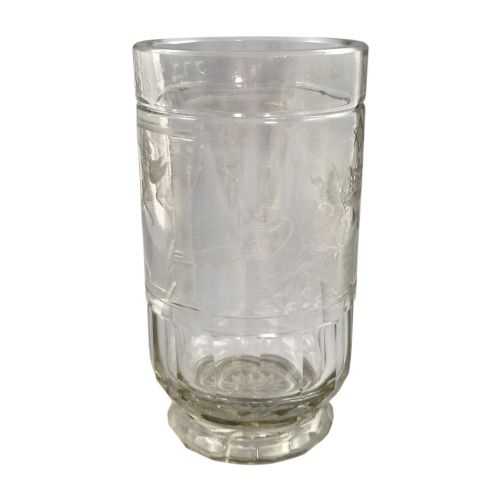
Mid-nineteenth-century examples, such as large Bohemian Masonic beakers, display heavier lead glass and more elaborate, dense surface decoration tied to Victorian production methods.
What is Old Sheffield plate?
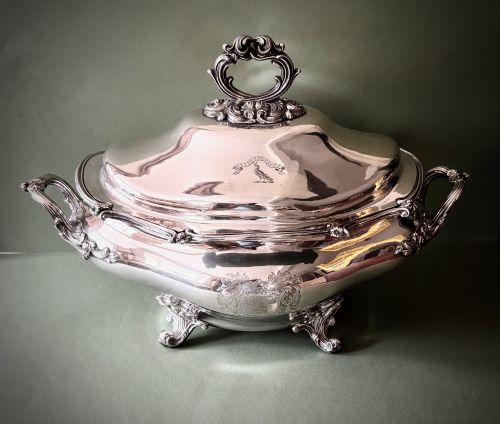
Old Sheffield plate is an early composite material created by fusing a layer of silver onto a copper core through heat and pressure. This technique produced hollowware items like miniature chestnut urns and tureens with genuine silver surfaces.
Pieces made this way pre-date the widespread adoption of nineteenth-century electroplating and possess a distinct warmth in the metal.
How do I care for antique metal vessels?
Metal items require gentle handling to preserve their original surface patinas and engraved details. Avoid abrasive cleaning agents that can wear away thin silver plating or soften hand-engraved lines.
Dusting with a soft cloth and occasionally using appropriate metal care products sparingly will keep brass, copper and silver stable without stripping their history.