



Antique Engraved Tumbler
An antique engraved tumbler is a drinking vessel bearing wheel-cut or etched ornament, prized for its tactile weight and historical narrative.
Antique Engraved Tumbler
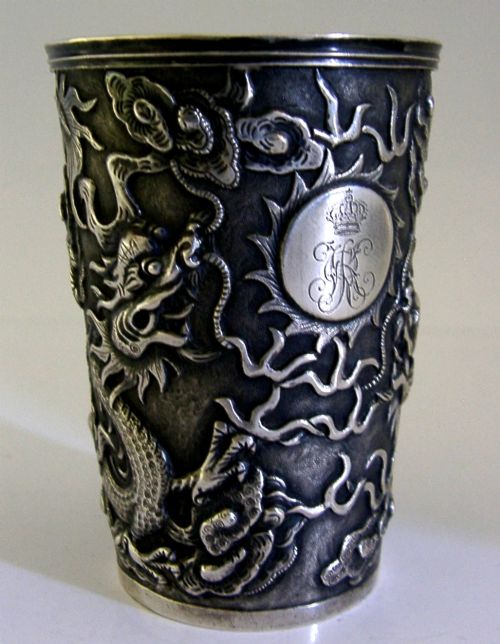
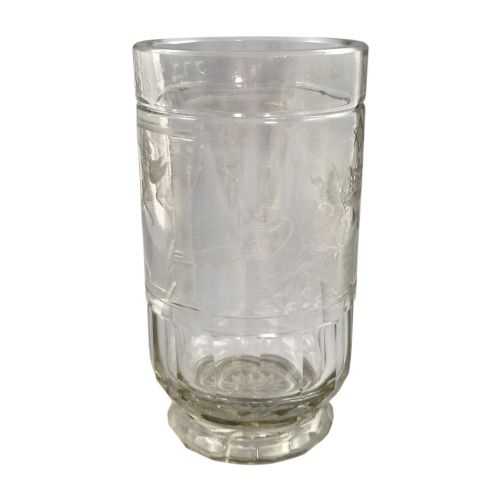
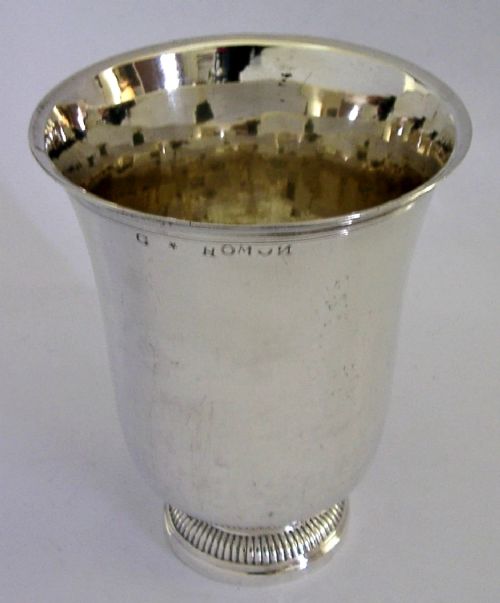
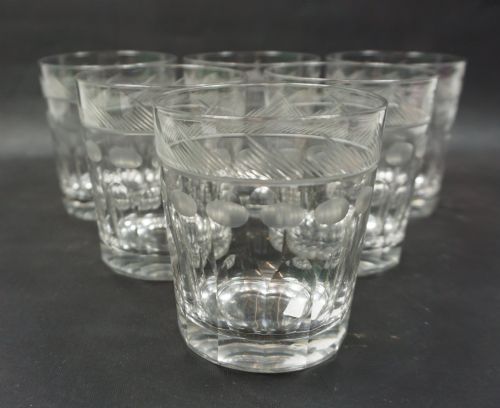
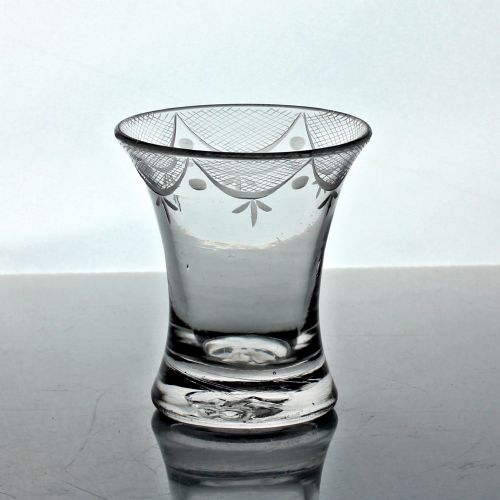
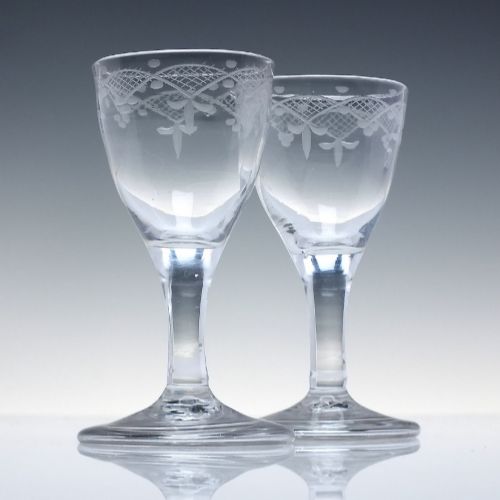
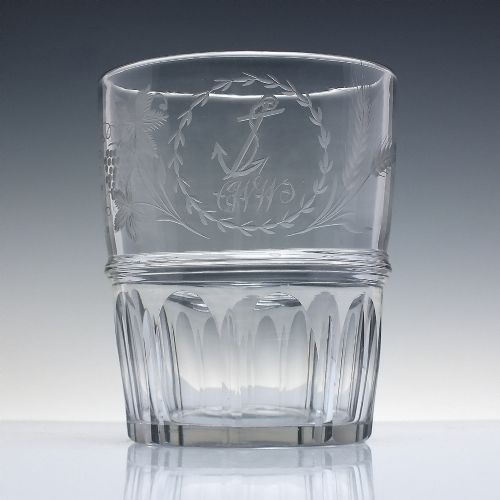
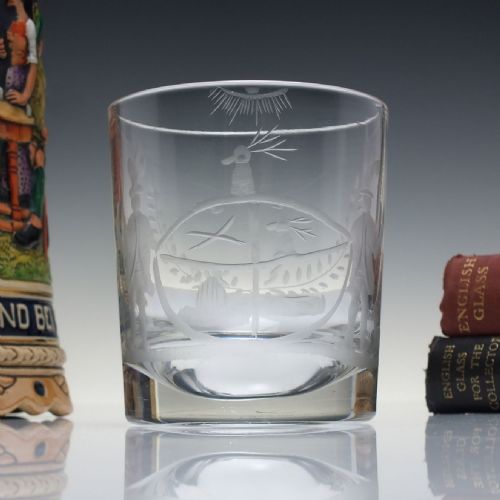
An antique engraved tumbler is a drinking vessel designed for everyday use or ceremonial display, appearing in forms from heavy lead glass drinking vessels to silver beakers. When searching for an antique engraved tumbler, buyers encounter pieces spanning the eighteenth and nineteenth centuries, originating from English, Bohemian, French, and Chinese export workshops. The selection on this page ranges from modest gin glasses and whisky drams to large ceremonial Masonic beakers and silver spirit cups.
Most pieces date from the Georgian and Victorian eras, utilising traditional glass-blowing and silversmithing techniques. Clear glass, lead crystal, ruby flash glass, and sterling silver form the primary substances of these vessels. Buyers will find that simpler tavern glasses sit alongside elaborate wheel-engraved presentation pieces bearing coats of arms, floral swags, and allegorical figures.
How they were made
Makers shaped glass pieces by hand-blowing molten metal into moulds or free-forming them on a pontil iron, producing natural variations in wall thickness and base weight. Silversmiths hammered sheet silver into beaker forms, soldering seams and applying cast rims. These methods required skilled manipulation while the material remained hot or malleable.
Workers applied decoration using rotating wheel-engraving lathes or acid etching to cut deeply into the surface of the glass or metal. Folded feet on glass tumblers provided stability at the base, while hand-cut facets and polished finishes added clarity and brilliance to the finished vessel.
Listings feature lead glass, sterling silver, and horn across Georgian and Victorian periods.
What varies in quality
The precision and depth of the wheel engraving dictate the visual impact of the piece, separating shallow surface scratches from deeply carved, detailed imagery. Crisp detailing on heraldic crests, portraits, or complex Masonic symbols indicates superior craftsmanship by master artisans.
The quality of the raw material itself defines the substance of the object, with heavy lead crystal and high-purity sterling silver offering a superior heft and resonance compared to standard utility glass. Smoothly finished pontil scars and well-balanced proportions further distinguish fine specimens from ordinary production wares.
The Antique Engraved Tumbler Glossary
- Pontil mark
- The rough scar left on the base of a hand-blown glass vessel where the punty rod was attached during creation. Its presence is a key indicator of manual manufacture.
- Wheel engraving
- A method of cutting designs into glass using small rotating copper or stone wheels fed with an abrasive slurry. This technique produces deep, crisp lines with varied shading.
- Lead crystal
- A type of glass containing metallic oxide that increases weight, refractive index, and clarity. It allows for sharper facets and deeper cuts than standard soda-lime glass.
- Firing glass
- A heavy-based drinking glass used in eighteenth-century fraternal and political clubs for hammering on tables instead of toasting. The thick foot absorbed the impact without shattering.
- Ruby flash
- A thin layer of red glass applied over a clear glass body before blowing and cutting. Cutting through the red layer exposes the clear glass underneath to create two-tone patterns.
Antique Engraved Tumbler: Frequently Asked Questions
What is a firing glass used for?
A firing glass served as a sturdy drinking vessel for toasts during eighteenth-century meetings and fraternal gatherings. Members banged the thick base against wooden tables to express agreement.
The heavy base acted as a shock absorber, preventing the bowl from breaking during enthusiastic table-thumping rituals.
How can I tell Georgian glass from Victorian glass?
Georgian glass often displays a darker metal tone with occasional tiny air bubbles and impurities from primitive furnace conditions. The engraving styles tend toward simpler neoclassical swags, floral motifs, and Jacobite emblems.
Victorian pieces frequently utilise heavier lead crystal with brighter clarity and deeper mechanical facet-cutting. Their decorative themes expand to include elaborate Masonic symbols, portraits, and dense architectural patterns.
Were silver beakers used for drinking?
Silver beakers served as personal drinking cups for spirits, wine, and water in affluent households and official institutions. Their durable metal construction made them practical for travel and ceremonial banquets.
Many examples feature family crests, royal cyphens, or presentation inscriptions marking significant personal or civic events.