








Antique Engraved Glassware
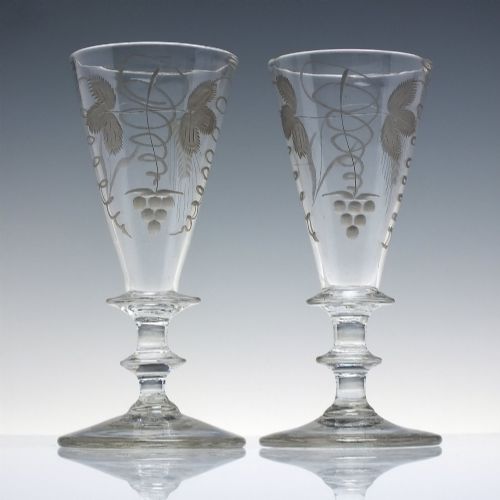
Antique engraved glassware brings tactile depth and historic narrative to the table through wheel-cut stems, drams, rummers, and decanters.
Antique Engraved Glassware
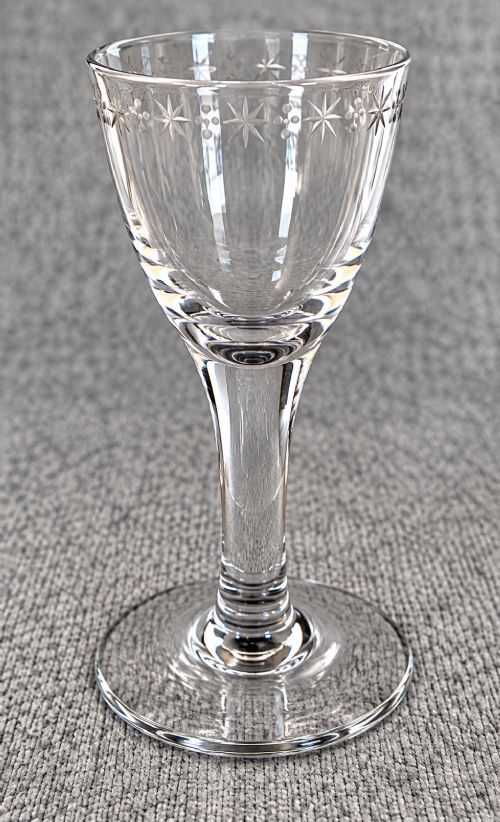
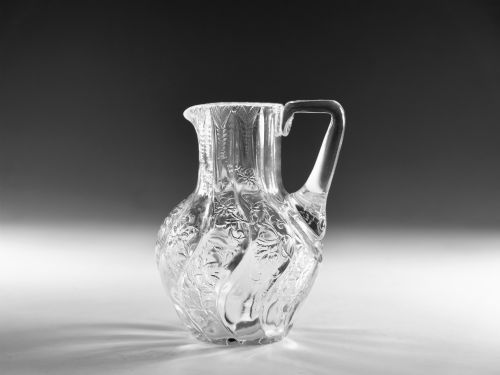
When you search for antique engraved glassware, you encounter drinking vessels and tableware spanning the eighteenth, nineteenth, and early twentieth centuries. The selection centres on Georgian dram glasses, rummers, and ale flutes alongside Victorian decanters, tumblers, and decorative bowls.
You are most likely to meet Georgian lead-glass rummers and wine glasses featuring wheel-cut hops and barley or air-twist stems. Later Victorian and Edwardian examples bring matching suites of champagne coupes, pitchers, and heavy crystal tumblers into the mix.
How they were made
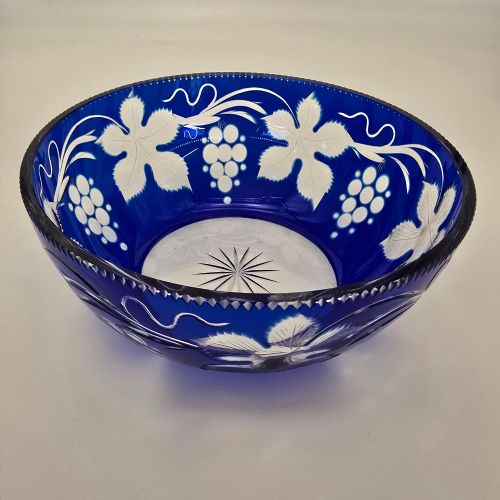
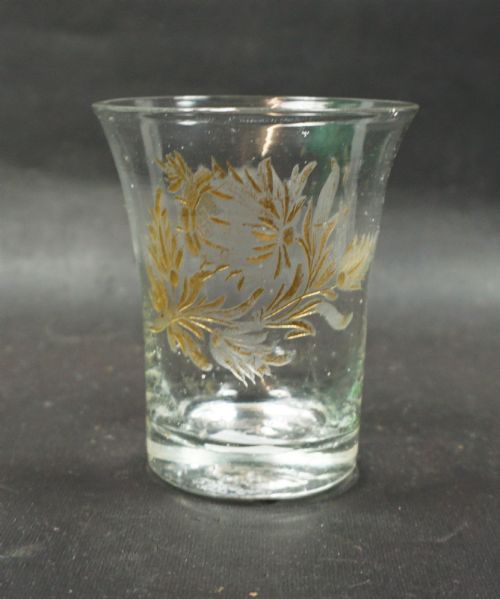
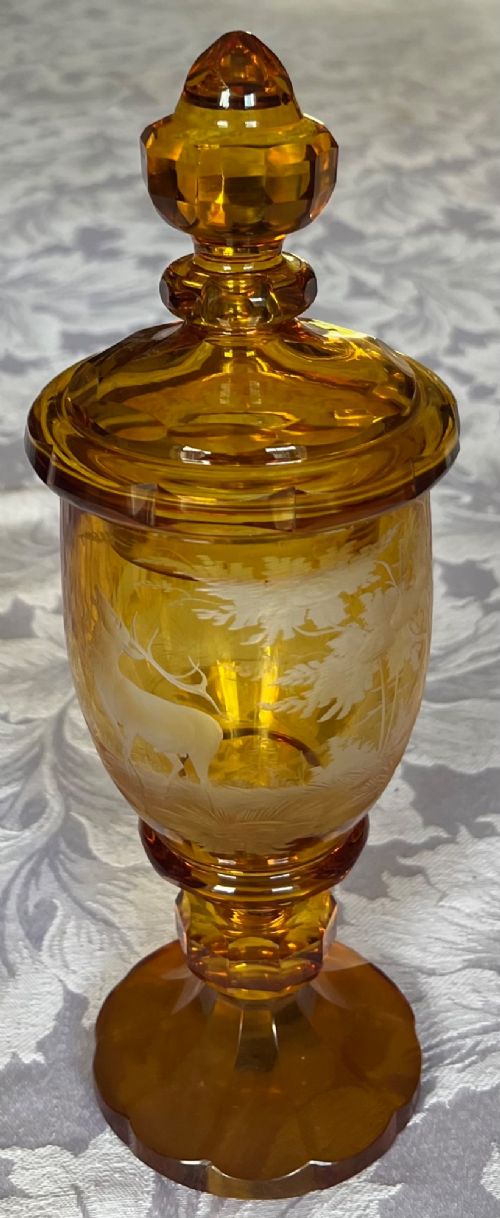
Makers utilised heavy lead crystal, flint glass, and clear glass blown into moulds or shaped by hand. Coloured variants like cranberry, ruby red, and amethyst glass appear alongside standard clear material, sometimes enriched with surface gilding or enamel.
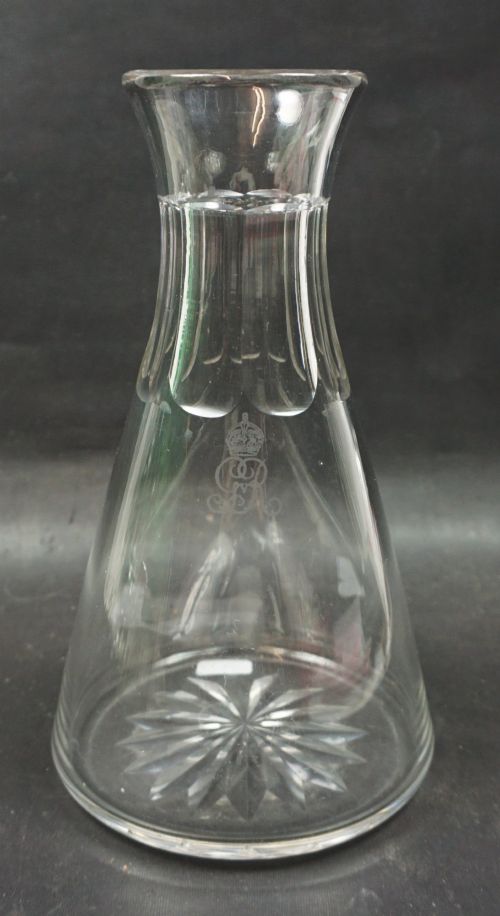
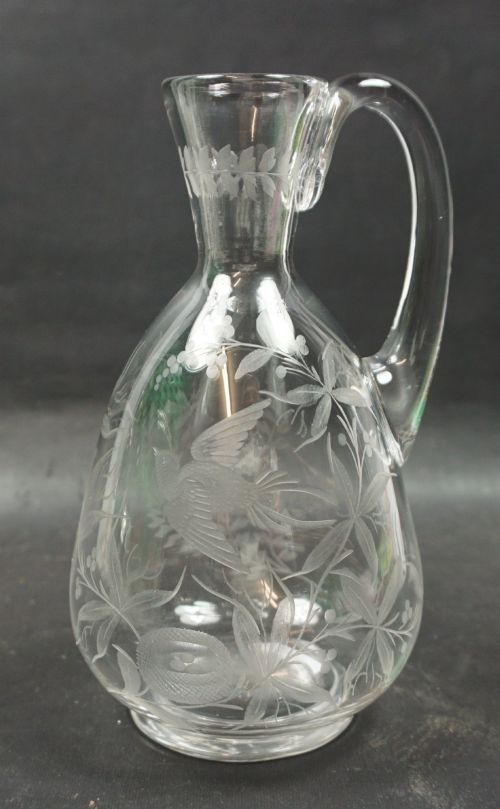
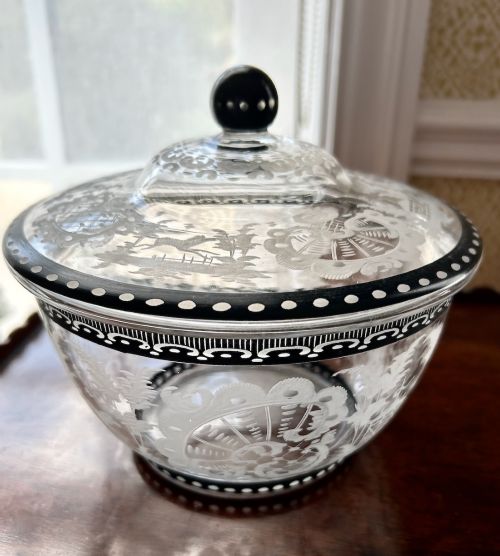
Decoration relied on copper wheel engraving, intaglio cutting, and light etching to create motifs such as foliage, armorial crests, and geometric Greek key patterns. Stems often incorporated air twists, multi-spiral elements, or faceted designs formed while the metal was pliable.
Antique Engraved Glassware Retail Price Guide 2026
Typical asking prices for engraved glassware among the pieces listed under this phrase on Sellingantiques today, from the lower quarter to the upper quarter. They describe what is for sale here now, not the wider market.
Georgian toastmakers banged thick-footed firing glasses against tables so hard they sounded like musket fire, explaining the sturdy bases.
What varies in quality
The degree of artistic control in the wheel-cut decoration dictates the distinction between standard vessels and exceptional pieces. Crisp, deep engraving with clean lines demonstrates superior craftsmanship compared to shallow or hesitant surface etching.
The clarity and weight of the lead glass or flint metal influence the overall character of the object. Heavy, resonant metal paired with well-balanced proportions and undisturbed foot bases separates fine cabinet items from everyday utility wares.
Stevens & Williams·Moser Bohemian·Webb Corbett
The Antique Engraved Glassware Glossary
- Rummer
- A large, sturdy drinking glass popular in the eighteenth and nineteenth centuries, often used for ale or wine. These vessels typically feature a short stem and a capacious bowl.
- Dram glass
- A small drinking vessel designed for consuming a single measure of spirits such as whisky or gin. Eighteenth-century versions frequently display thick lead-glass walls and folded feet.
- Air twist
- A decorative stem formation containing spiralling columns of tiny air bubbles trapped within the glass. This technique requires considerable skill during the drawing of the molten metal.
- Intaglio
- A method of wheel engraving where the design is cut below the surface of the glass rather than left in relief. The resulting motifs catch the light with rounded, lens-like depth.
- Lemon squeezer foot
- A square, pressed glass base with sharp corners resembling the kitchen utensil of the same name. These heavy square bases are characteristic of rummers and decanters from around eighteen hundred.
Antique Engraved Glassware: Frequently Asked Questions
How do I date an engraved glass?
Dating relies on combining the form of the bowl, the construction of the stem, and the characteristics of the foot. Eighteenth-century pieces often show pontil marks and air twists, while Victorian examples lean towards heavy pressed bases and mechanical etching.
Material composition also offers clues, as lead glass and flint glass evolved in weight and refractive quality over the decades. Comparing the engraved motifs to documented historical periods helps narrow down the decade of production.
Can I use antique glassware for drinks?
Most antique drinking glasses and rummers remain entirely functional for serving wine, spirits, or water today. Hand washing in tepid water preserves the historic lead glass and prevents thermal shock.
Avoiding modern dishwashers and harsh detergents ensures the engraved surfaces and delicate rims stay protected. Treat them with care, and these vessels will continue to serve at the dining table.
What is an air twist stem?
An air twist is a decorative feature found on eighteenth-century wine and ale glasses. Makers trapped elongated bubbles inside the molten stem before drawing and twisting the glass into a spiral.
This intricate optical effect catches the light and marks a high point of Georgian glasshouse artistry. Such stems require careful inspection to appreciate the precision of the internal threads.
Why are some rummers called firing glasses?
Firing glasses feature unusually thick, heavy bases designed to withstand being banged on a wooden table. Members of fraternal lodges and social clubs used this heavy thud instead of applause during toasts.
The sturdy foot absorbed the impact without shattering, earning the form its distinctive military name. Today they survive as robust examples of Georgian social history.