

Antique Engraved Box
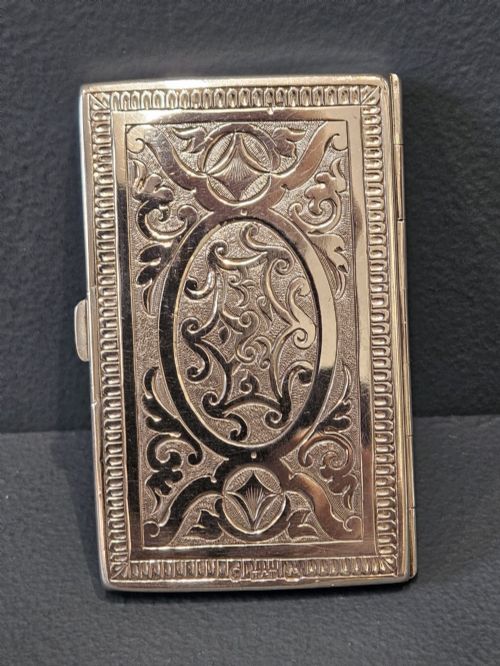
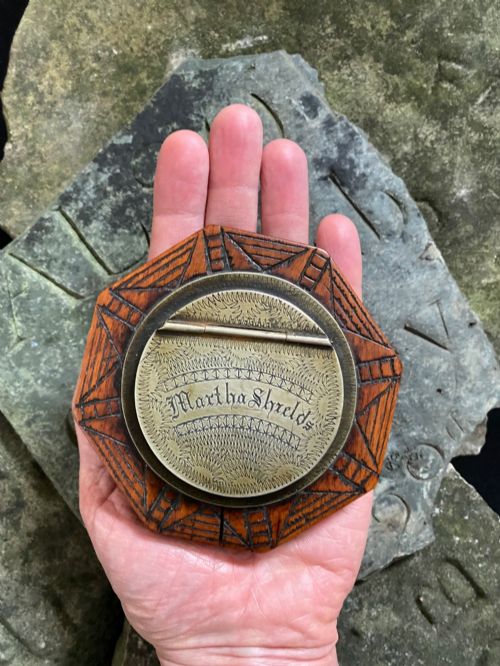
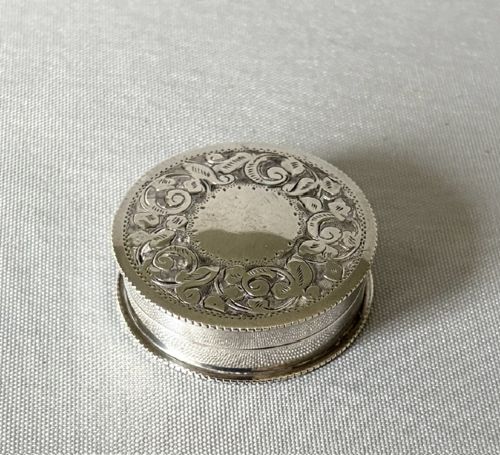
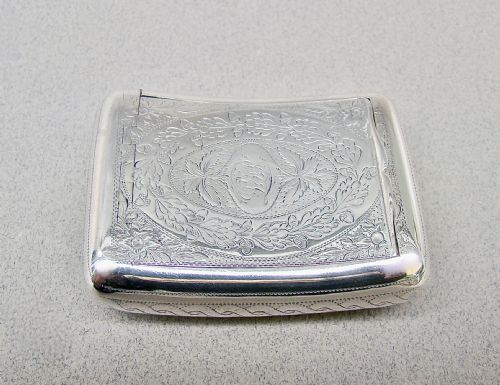
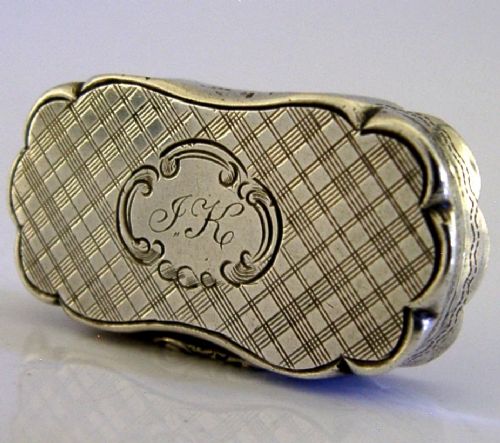
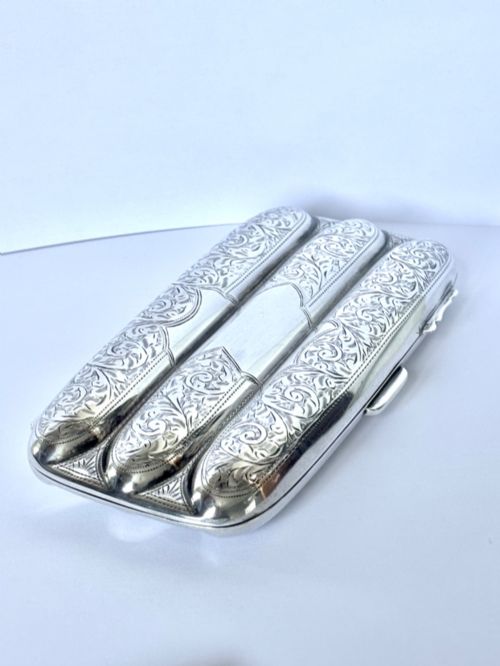
An antique engraved box brings personal history to a desk or pocket, offering intricate chased motifs on silver, wood, or ivory.
Antique Engraved Box
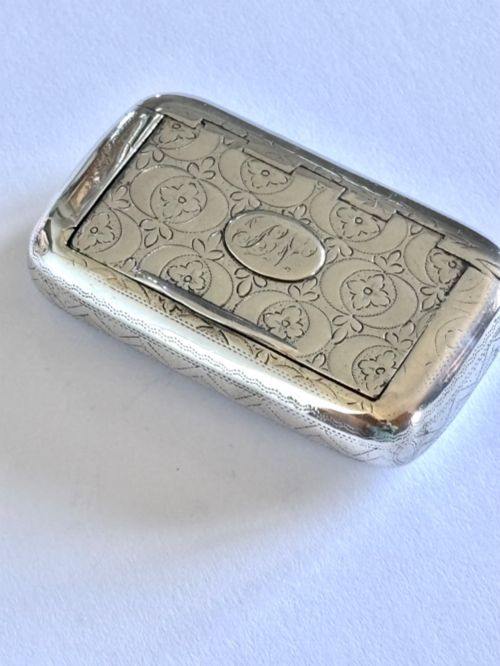
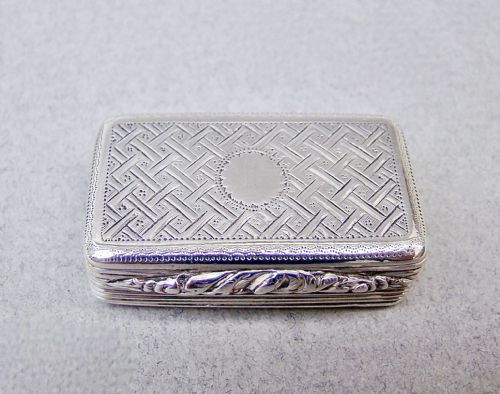
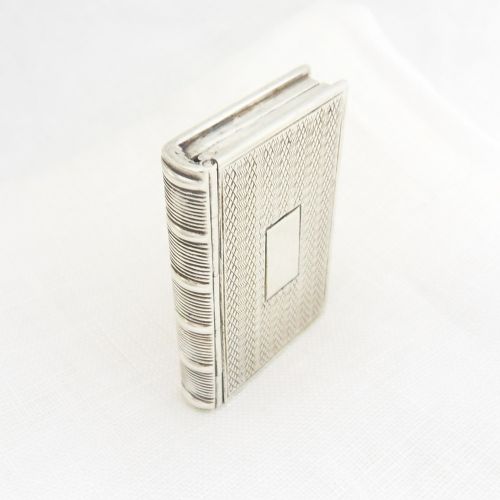
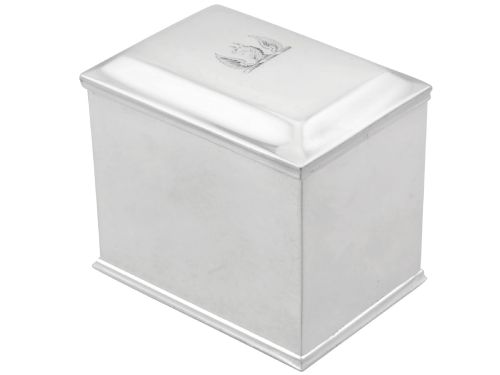
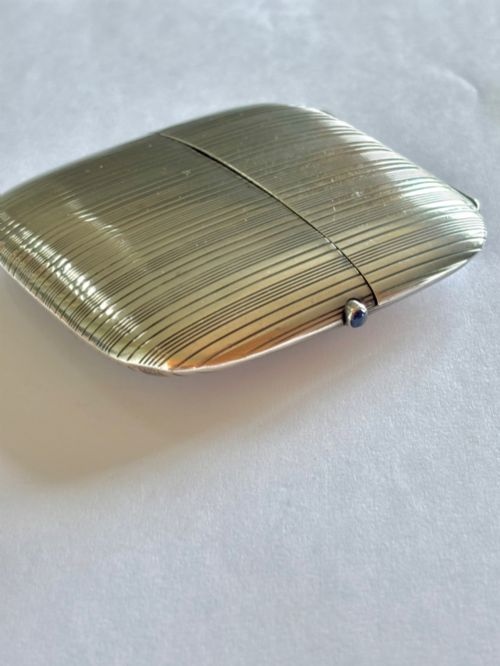
An antique engraved box encompasses a wide range of pocket and tabletop containers designed for practical use, including snuff boxes, vinaigrettes, tea caddies, card cases, and vesta cases. These items emerge from Georgian, Victorian, and Edwardian periods, reflecting the domestic and social habits of past centuries through dedicated compartments and secure lids.
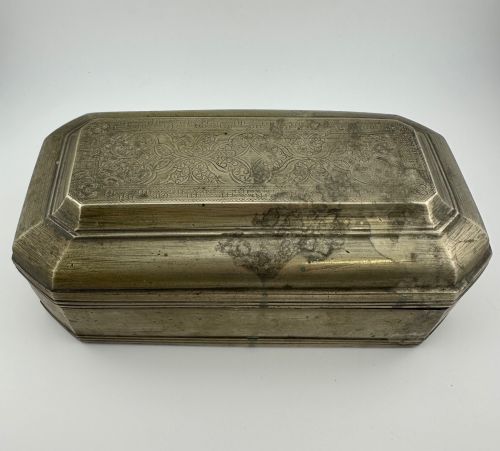
The objects span multiple materials beyond silver, featuring wood, glass, bone, and brass forms that range from modest local mementos to elaborate Continental pieces. Buyers will encounter specialised containers like pyx boxes, nutmeg graters, and travelling pen cases alongside standard trinket and cigarette boxes.
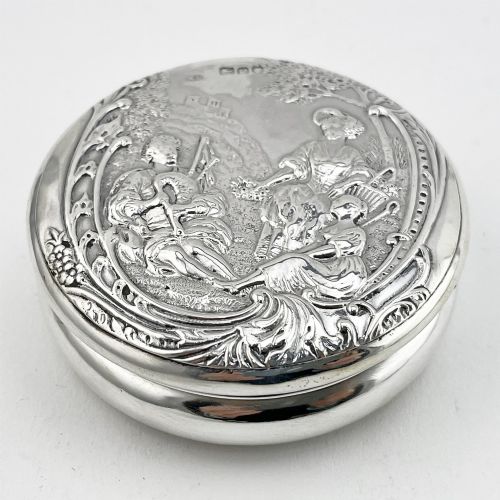
Makers shaped these surfaces with floral scrolls, armorial crests, and architectural views such as Windsor Castle, transforming simple receptacles into decorative items. Whether intended for dry leaf tea, tobacco, or calling cards, each surviving box records the handwork of silversmiths and artisans across distinct historical eras.
What varies in quality
The crispness of the hand engraving dictates visual distinction, where deep, sharply defined lines and intricate figural scenes reflect superior artisan skill compared to shallow, worn machine stamping. The clarity of maker's marks and town hallmarks confirms the pedigree and workshop standards of the piece.
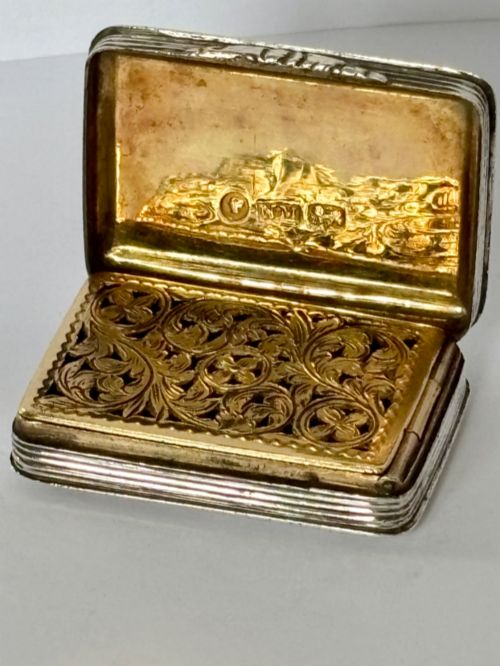
Structural integrity and mechanism performance separate ordinary boxes from exceptional examples, demonstrated by flush-fitting lids, sturdy hinges, and original gilt interiors. The presence of specialised internal fitments, such as pierced grilles in vinaigrettes or fitted caddy spoons, elevates the historical completeness of the object.
Antique Engraved Box Retail Price Guide 2026
Typical asking prices for engraved box among the pieces listed under this phrase on Sellingantiques today, from the lower quarter to the upper quarter. They describe what is for sale here now, not the wider market.
Listings feature items spanning the Georgian, Victorian, and Edwardian periods, constructed from sterling silver, silver gilt, velvet, leather, and bone.
Martin Hall & Co·Taylor & Perry·Samuel Pemberton·Thomas Johnson·Robert Hennell·FA Barrett·Zimmermann·Sampson Mordan & Co·Nathaniel Mills·Cornelius Bland·Mappin and Webb
The Antique Engraved Box Glossary
- Vinaigrette
- A small hinged box containing a perforated internal grille, designed to hold a sponge soaked in aromatic vinegar. These portable containers were carried by Victorians and Georgians to mask unpleasant odours.
- Vesta case
- A pocket-sized container manufactured to hold wax matches, typically featuring a striking surface on the base. Many examples from the late nineteenth century exhibit heavily engraved monograms or novelty shapes.
- Tea caddy
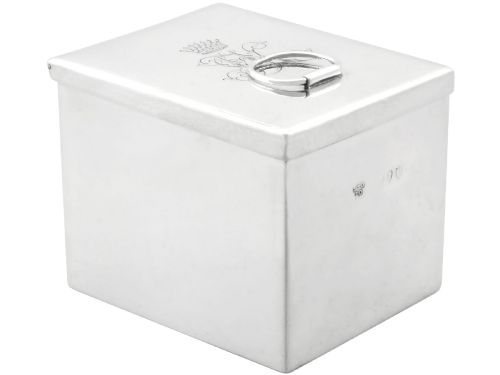
- A container made to store loose tea leaves securely, often featuring a lock and key to protect a valuable household commodity. George III and Victorian versions frequently utilised silver, wood, or tortoiseshell.
- Silver gilt
- Sterling silver that has been coated with a thin layer of gold through a chemical or fire-gilding process. This technique protected the interior of boxes, such as vinaigrettes, from the corrosive nature of acidic compounds.
- Repoussé
- A metalworking technique where the artisan hammers the design from the reverse side to form a raised pattern in relief. This method allowed for tactile floral and scroll motifs on silver box lids.
Antique Engraved Box: Frequently Asked Questions
What were antique vinaigrette boxes used for?
Vinaigrettes held small sponges saturated with aromatic vinegar or smelling salts. People carried them in pockets or reticules to counter foul street smells and prevent fainting.
The perforated internal grill allowed the scent to escape while keeping the damp sponge secure. These miniature containers required precise metalwork to ensure the lid sealed tightly against leaks.
How do I clean a silver snuff box?
Silver boxes require gentle dusting with a soft, dry cloth to preserve the dark highlights within engraved recessed lines. Harsh chemical dips strip the aged patina that collectors value.
Store them away from direct sunlight and high humidity to prevent tarnish accumulation on delicate chased surfaces. Professional advice should be sought before attempting to polish antique silver gilt.
What is the difference between a tea caddy and a trinket box?
Tea caddies were built specifically to store loose tea leaves, often incorporating tight-fitting lids or interior bulkheads to preserve dry flavours. Many Georgian and Victorian examples included locks to protect expensive imported leaves.
Trinket boxes served a general domestic purpose for storing jewellery, pins, or small keepsakes on dressing tables. Their interiors lack the specialised compartments found in dedicated tea storage vessels.
How can I tell the date of a silver box?
British silver bears hallmarks that indicate the assay office, the maker's mark, and a specific date letter corresponding to the year of testing. These tiny stamps are usually located on the inner rim or base.
Comparing the style of engraving and the object form helps confirm the production era when marks are rubbed or absent. Georgian pieces favor neoclassical motifs, whereas Victorian items often display heavier floral relief.