
Antique English Wall Glass
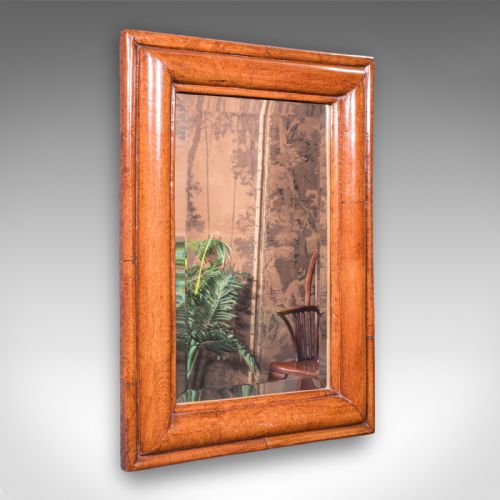
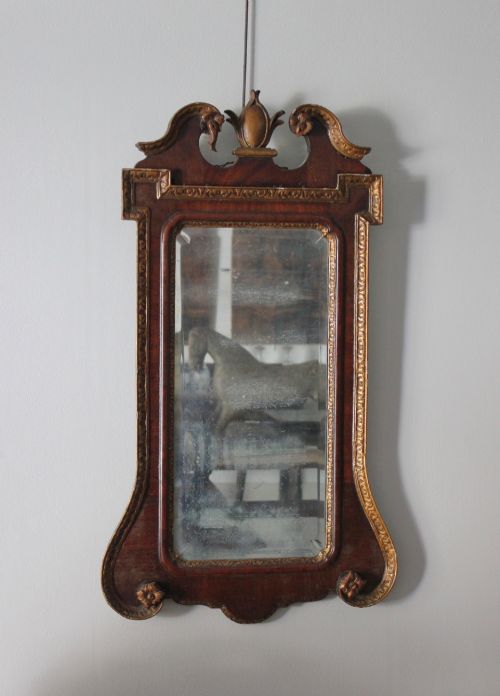
When searching for antique english wall glass, buyers encounter historic mirrors and barometers framed in gilded wood, oak, and walnut.
Antique English Wall Glass
Buyers exploring antique english wall glass generally look at large overmantel mirrors, pier mirrors, and wheel barometers spanning the Georgian, Regency, and Victorian eras. These furnishings originated in domestic interiors to reflect light and measure atmospheric pressure across British drawing rooms and halls.
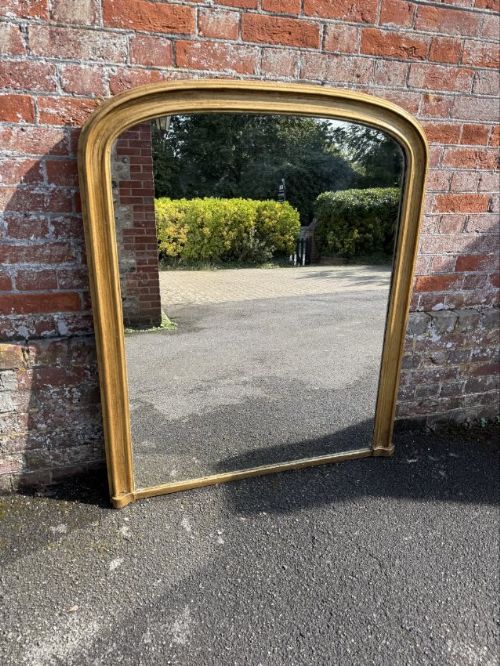
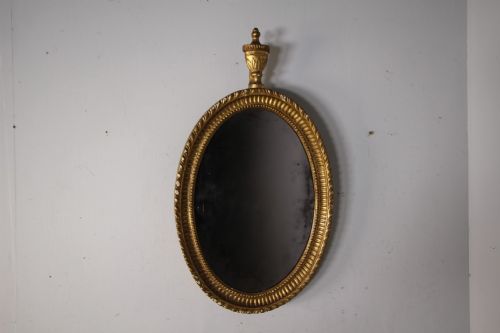
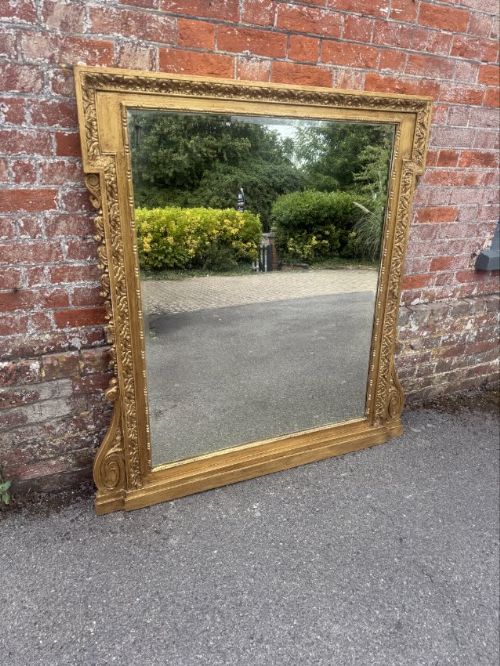
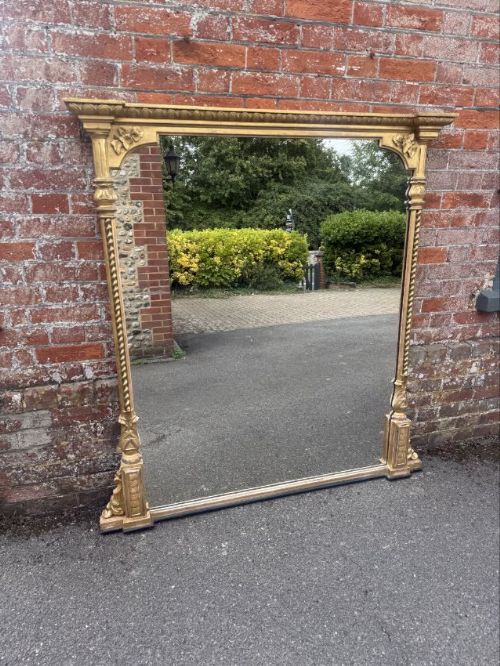
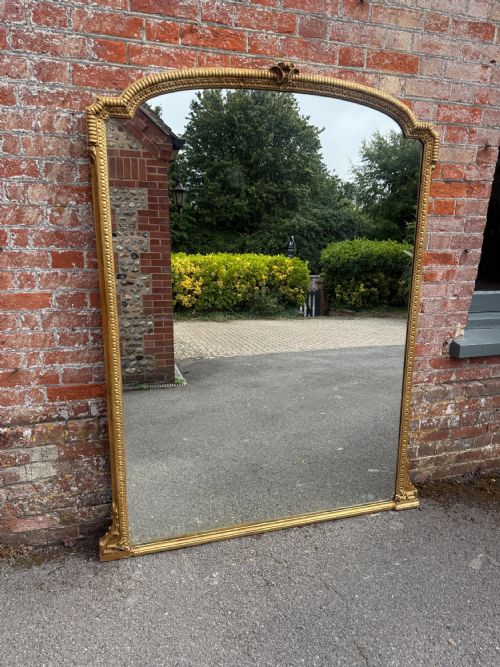
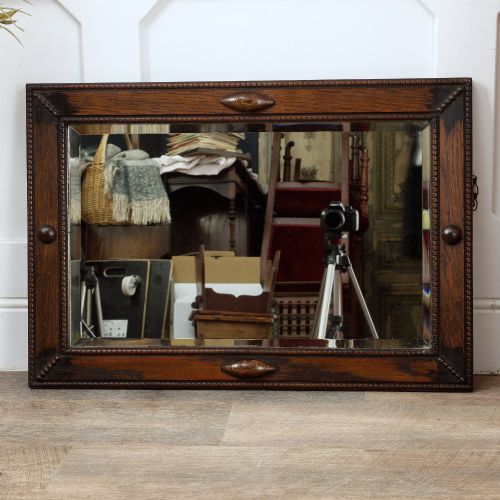
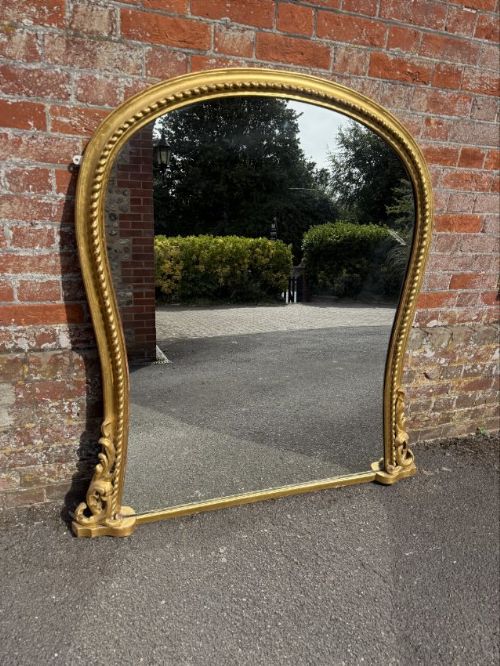
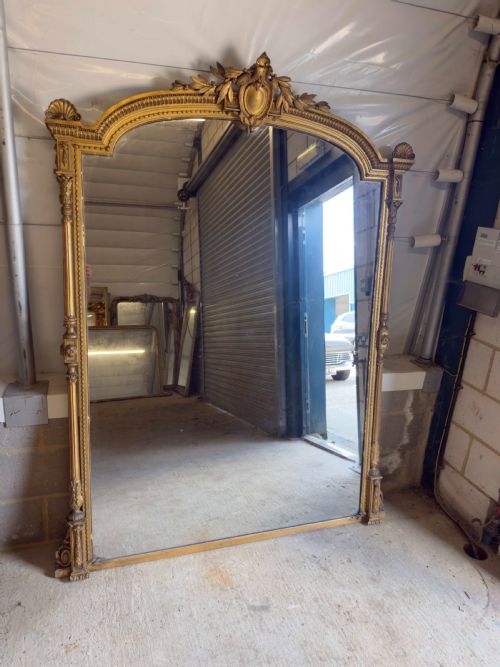
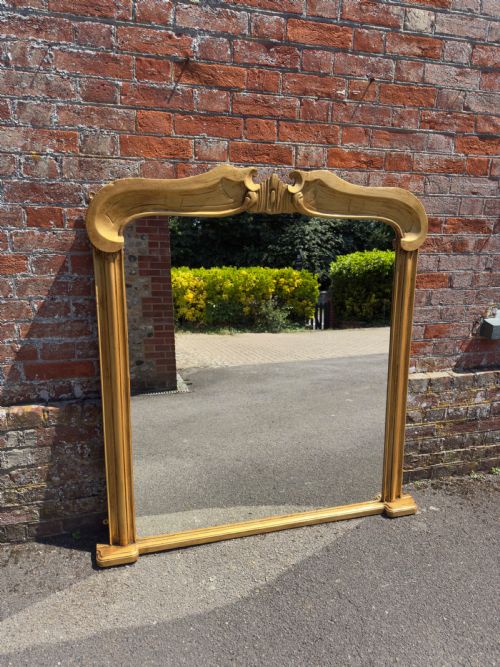
The most common form on this page is the nineteenth century giltwood and gesso overmantel mirror, frequently featuring arched tops and rope twist or ribbed framing. Walnut and oak wall mirrors from the Edwardian period also appear alongside specialised pieces like pub mirrors and convex looking glasses.
Originating primarily from English workshops, these items bridge functional household equipment and decorative wall art. They demonstrate periods ranging from the mid-eighteenth century up to the early twentieth century, reflecting shifting domestic tastes.
How they were made
Craftsmen built structural frames using timbers such as oak, mahogany, walnut, and deal, upon which they applied layers of gesso for decorative moulding. Artisans then gilded these surfaces using gold leaf or oil gilt to achieve a bright reflective finish.
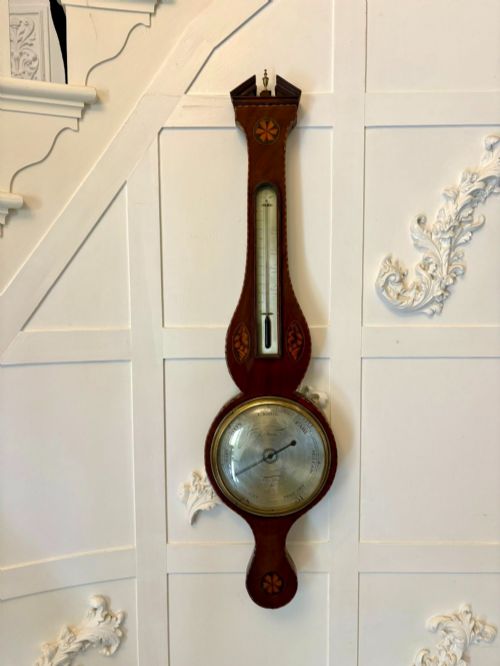
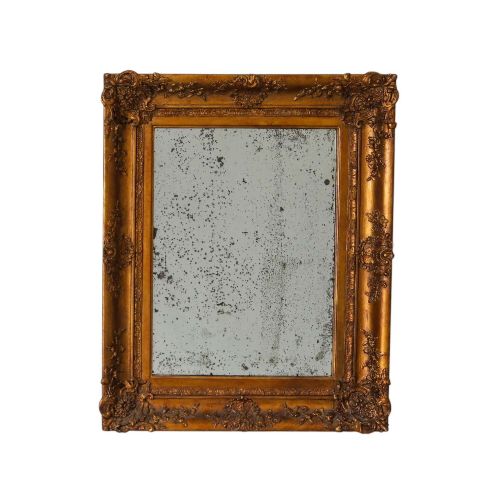
Mirror plates were set into the frames, occasionally featuring bevelled edges, hand-silvering, or foxed plates showing natural ageing. Barometers incorporated brass dials, thermometers, and mercury or aneroid mechanisms housed within carved wood cases.
Listings span from the Georgian era through the Regency and Victorian periods up to Edwardian times, using materials like giltwood, gesso, brass, oak, and walnut.
What varies in quality
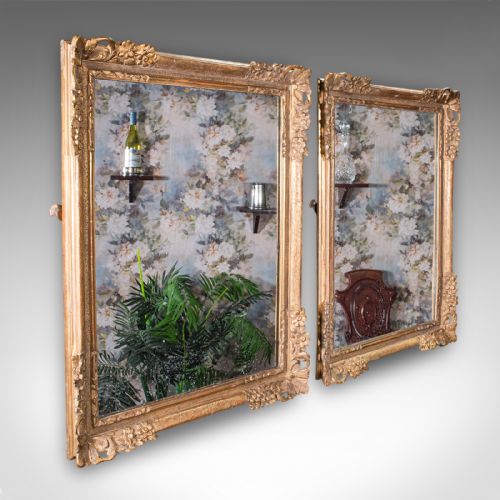
Quality rests in the crispness of the carved wood and gesso ornamentation, where deep relief moulding and delicate rope twist or ribbed details outshine flat, cast replacements. The survival of original gilding and untouched mirror plates with natural foxing contributes significantly to a piece's integrity.
Construction methods also dictate standard, demonstrated by closely joined corner mitres, sound timber framing, and intact backing boards. Barometers and specialised pier glasses succeed when their internal mechanical components and glass elements remain authentic to their period.
B Besozzi of Weymouth·G and L Guanziroli London
The Antique English Wall Glass Glossary
- Gesso
- A plaster-like mixture applied to wooden frames as a base for carving and gilding. Artisans modelled this substance into intricate decorative reliefs before applying gold leaf.
- Overmantel Mirror
- A large mirror designed specifically to hang on the wall directly above a fireplace mantelpiece. These pieces often feature shaped or arched tops to fill the vertical space.
- Pier Mirror
- A tall, narrow mirror manufactured to hang on the wall space between two windows, known as the pier. They frequently incorporate giltwood frames to maximise reflected daylight.
- Verre Eglomise
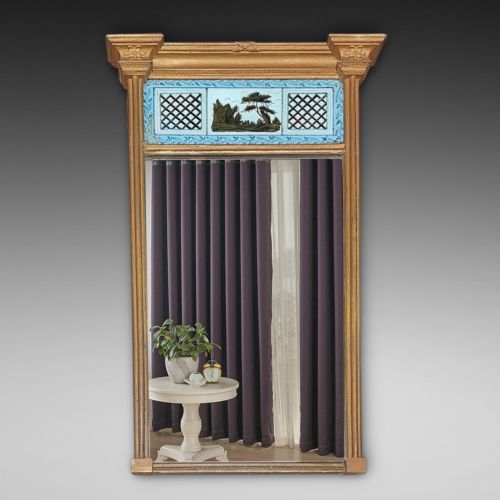
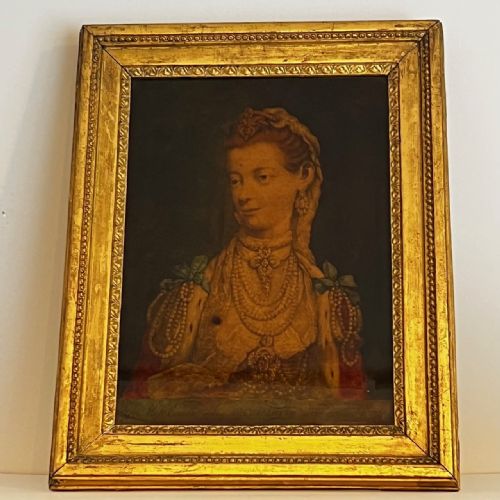
- A traditional technique of cold painting and gilding on the reverse side of glass. This process creates a mirrored or metallic decorative panel used in Regency frames.
- Foxed Plate
- Mirror glass that has developed spots, discoloration, or a mottled appearance over time due to the degradation of the backing silver. Collectors value this natural ageing as proof of genuine age.
Antique English Wall Glass: Frequently Asked Questions
What is an overmantel mirror?
An overmantel mirror is a wide decorative looking glass designed to hang directly above a fireplace. These large furnishings were fundamental to nineteenth-century interior design.
They served to bounce natural daylight around the room while visually anchoring the fireplace wall. Surviving examples often retain their original arched wooden frames and gesso ornamentation.
How do I date a wall mirror?
Dating a wall mirror involves examining the framing style, the timber used, and the manufacturing method of the glass plate. Georgian and Regency pieces display distinct neoclassical motifs, while Victorian examples often feature heavy gilt gesso.
Secondary indicators include the construction of the wooden backboards and the presence of hand-beveled edges. Original backing materials and fixings offer reliable clues to the exact period of production.
What is a wheel barometer?
A wheel barometer is a domestic weather-measuring instrument housed in an ornate wooden case, often shaped with a banjo profile. It utilises a mechanical dial system driven by a siphon tube to track atmospheric pressure.
Popular throughout the Georgian and Victorian periods, these instruments combined scientific utility with fine cabinetmaking. Walnut and mahogany were frequently chosen for the exterior cases.
What is foxed glass?
Foxed glass refers to mirror plates that have developed dark spots and mottled patches over decades of exposure to moisture and air. This chemical breakdown affects the silver backing behind the glass.
Rather than viewing this as a fault, period collectors appreciate foxed plates as proof of genuine antique origin. The soft speckling adds distinct atmospheric character to historic mirrors.