

Antique English Side Chairs
These antique English side chairs offer a functional and historical seating choice for dining spaces and hallways alike.
Antique English Side Chairs
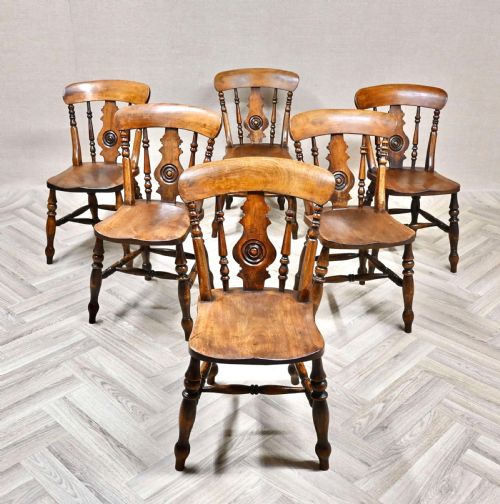
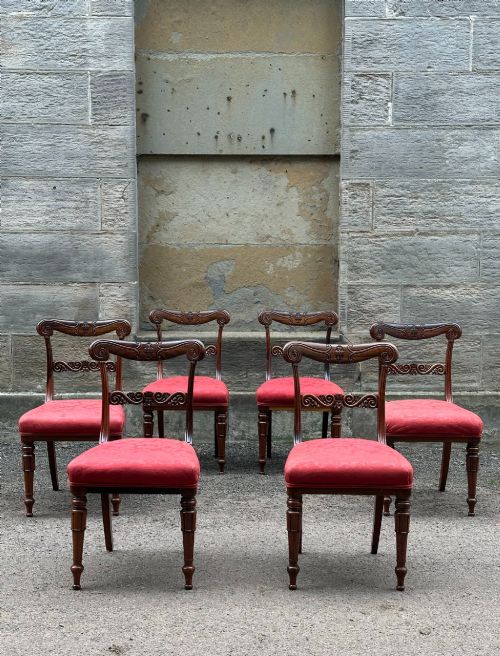
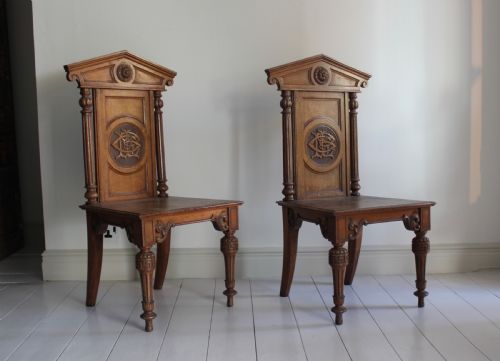
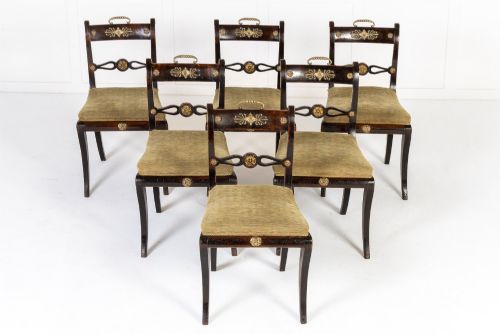
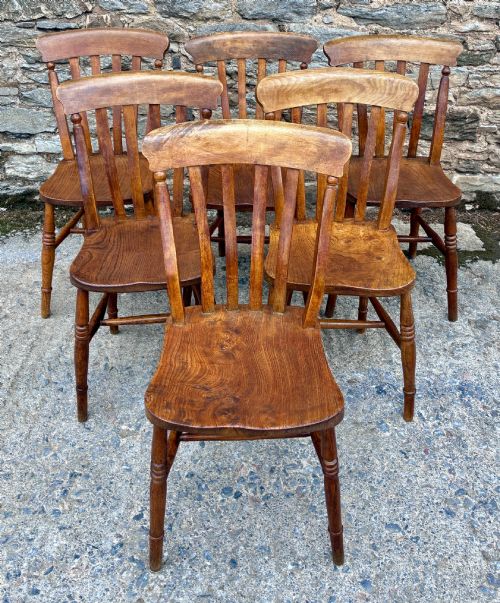
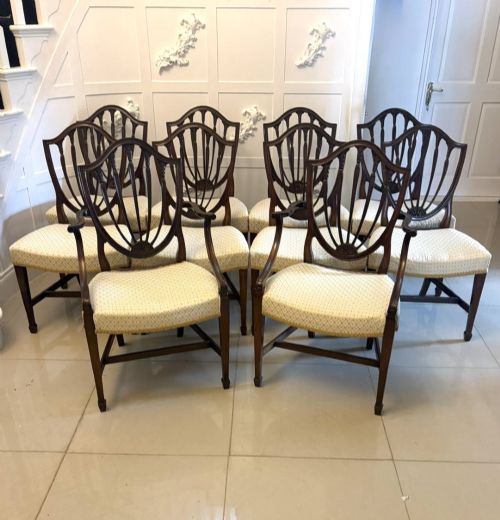
Buyers encounter formal mahogany models in Georgian and Regency styles alongside sturdy country pieces built from oak, elm, ash, and beech.
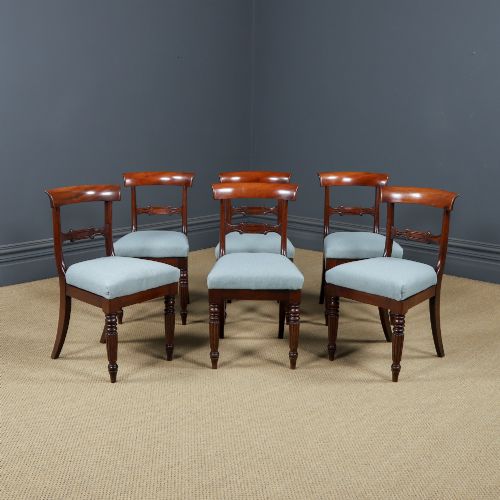
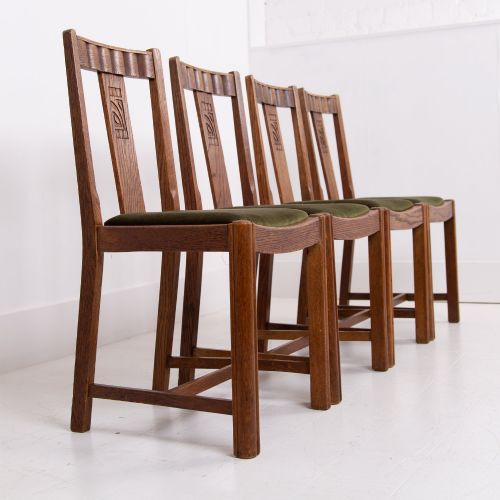
Sets ranging from pairs to groups of ten or fourteen appear frequently alongside individual hall chairs carved from solid timber.
How they were made
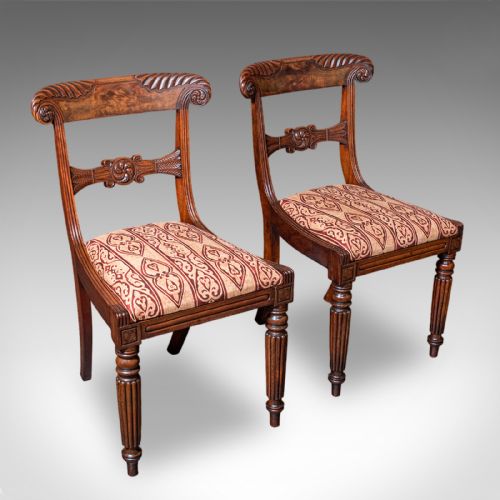
Joiners and cabinetmakers utilised dense hardwoods like mahogany, walnut, and rosewood for formal dining seats, employing carved details and pegged joints.
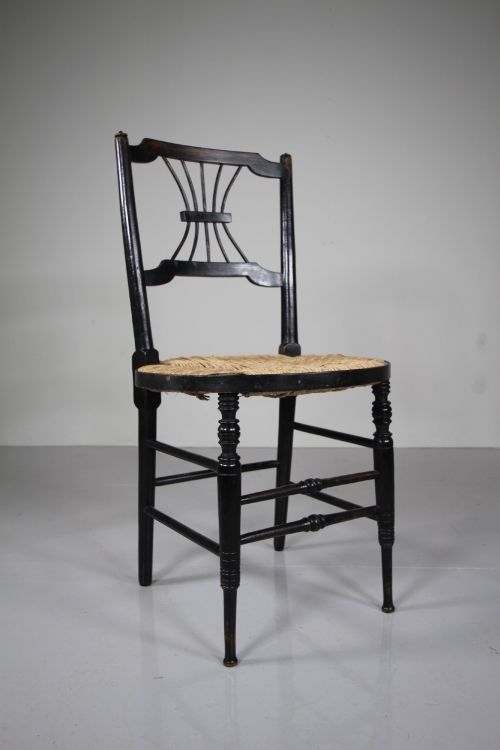
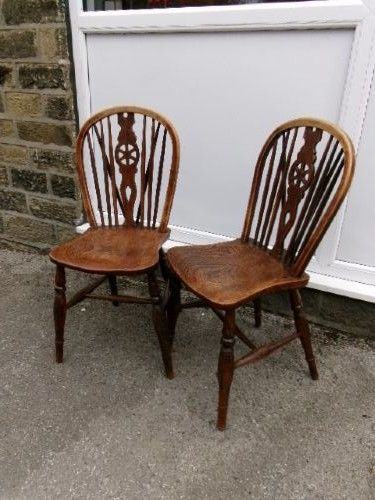
Country workshops relied on native timbers including oak, elm, ash, and beech, often turning spindles, ladder backs, and rush or wooden seats by hand.
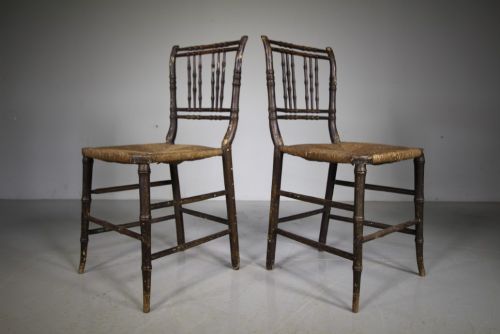
Some nineteenth-century chairs feature painted bamboo frames that fooled guests into thinking they had imported Japanese flora.
What varies in quality
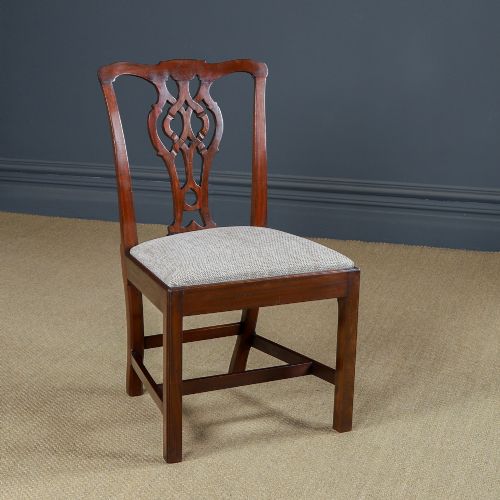
The selection of timber grain and the crispness of carved details, from shield backs to pierced splats, distinguish finer workshop output from simpler vernacular items.
Structural integrity depends on the original joinery, where tight pegged joints or well-fitted mortise and tenon construction preserve stability over centuries of use.
Gillows·Maple and Co·Gill and Reigate
The Antique English Side Chairs Glossary
- Side chair
- A chair without arms, traditionally used for dining or placed against a hall wall.
- Splath
- The upright wooden slat down the middle of a chair back, often shaped or carved.
- Drop-in seat
- A removable upholstered frame that fits into a recessed wooden seat rail.
- Windsor
- A traditional wooden chair featuring turned legs and spindles socketed into a solid shaped seat.
- Klismos
- A classical chair design with curved legs and a concave backrest, revived during the Regency period.
Antique English Side Chairs: Frequently Asked Questions
How do I identify a Georgian side chair?
Georgian side chairs typically feature solid mahogany construction with carved splats, straight or cabriole legs, and drop-in or upholstered seats.
Looking underneath reveals period construction methods, such as hand-cut screws or pegged joinery, which help distinguish eighteenth-century examples from later revival pieces.
Were side chairs used at dining tables historically?
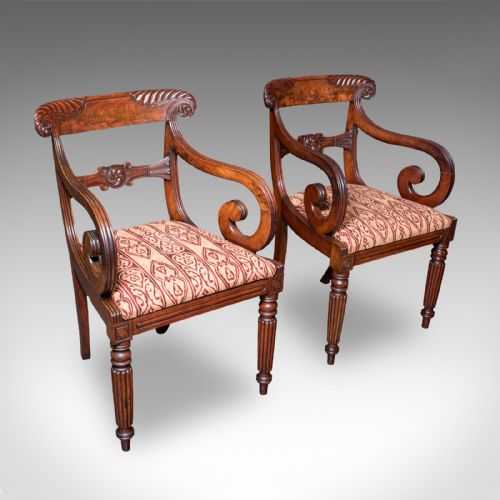
Side chairs served dining rooms across the eighteenth and nineteenth centuries, often arranged in large sets with matching armchairs for the heads of the table.
Their armless design allowed diners to sit comfortably close while accommodating voluminous period clothing.
Can I mix antique side chairs around a modern table?
Mixing antique side chairs, such as pairing elm country ladderbacks with formal mahogany dining seats, creates an eclectic harlequin arrangement.
Matching timber tones or similar period aesthetics helps maintain visual harmony when combining different chairs.