


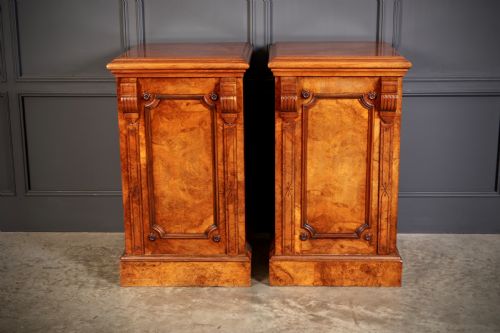

Antique English Side Cabinet
When you search for an antique English side cabinet, you encounter timber work ranging from Georgian mahogany to Art Deco walnut designed for storage and display.
Antique English Side Cabinet
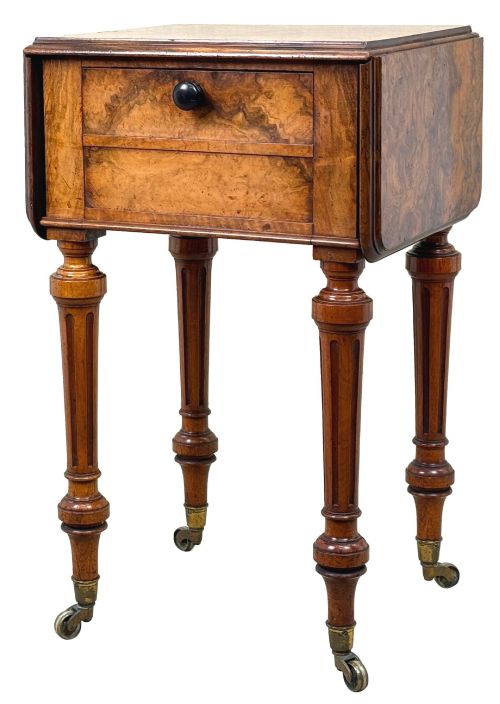
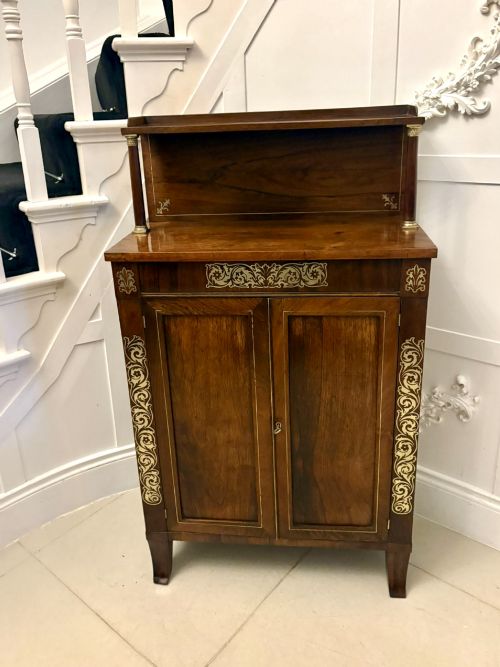
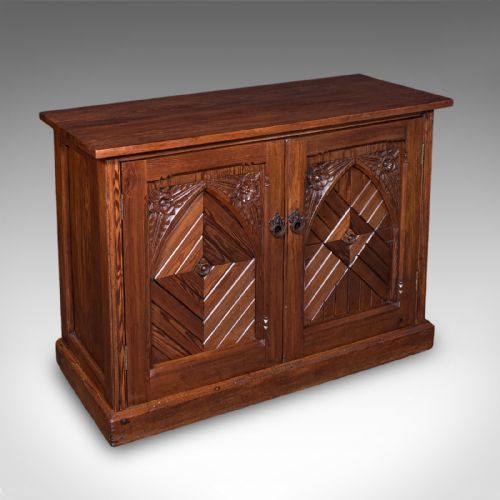
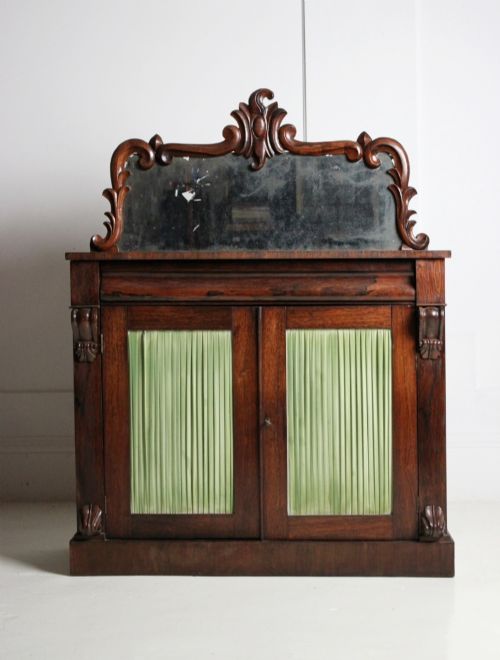
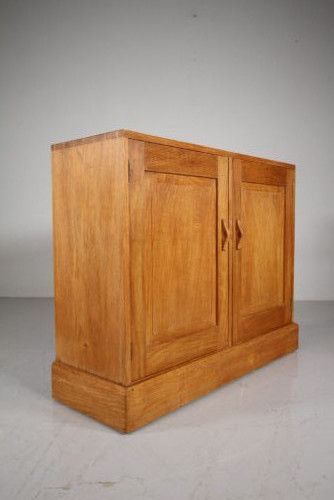
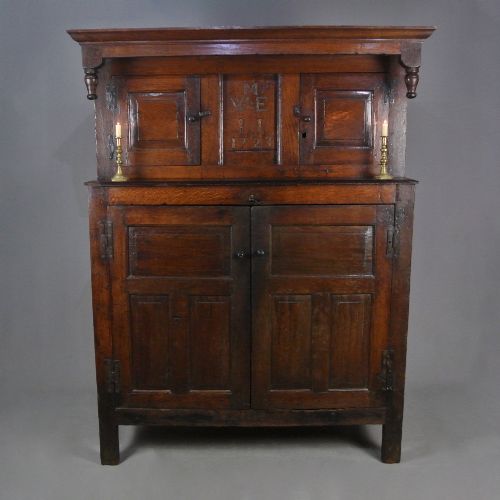
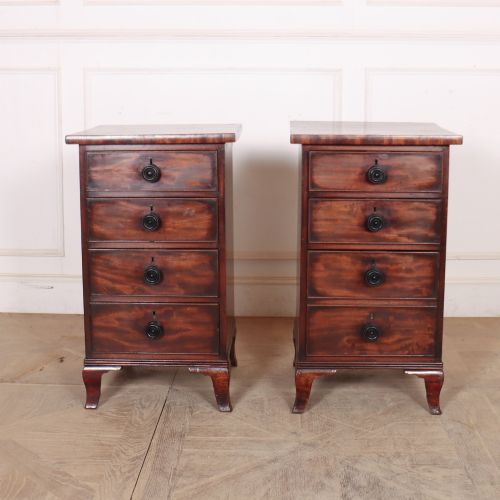
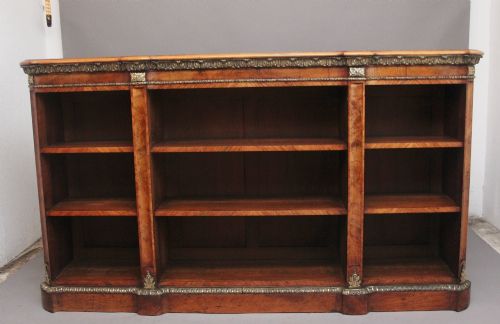
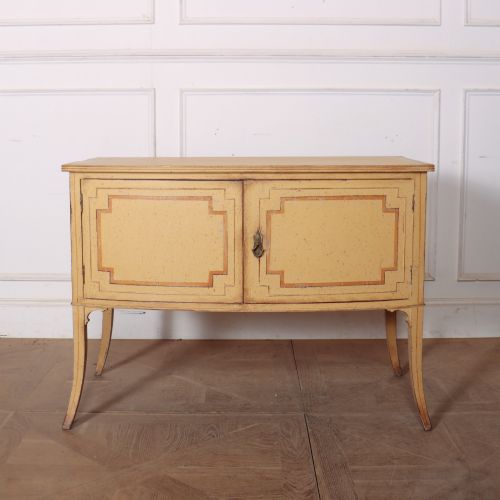
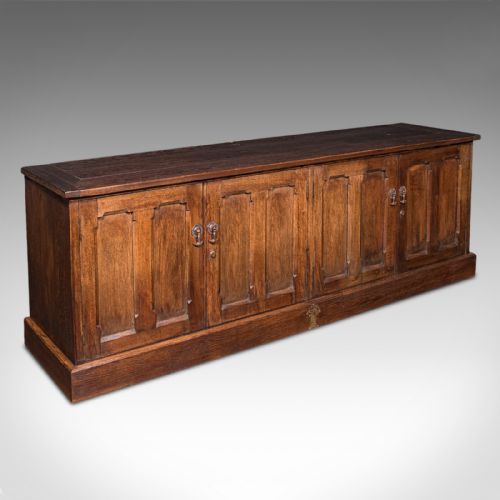
The term antique English side cabinet covers a broad group of case furniture designed to stand against a wall in dining rooms, libraries, and drawing rooms. Buyers encounter forms ranging from low Regency rosewood chiffoniers and credenzas to tall Victorian mahogany bookcases and oak court cupboards.
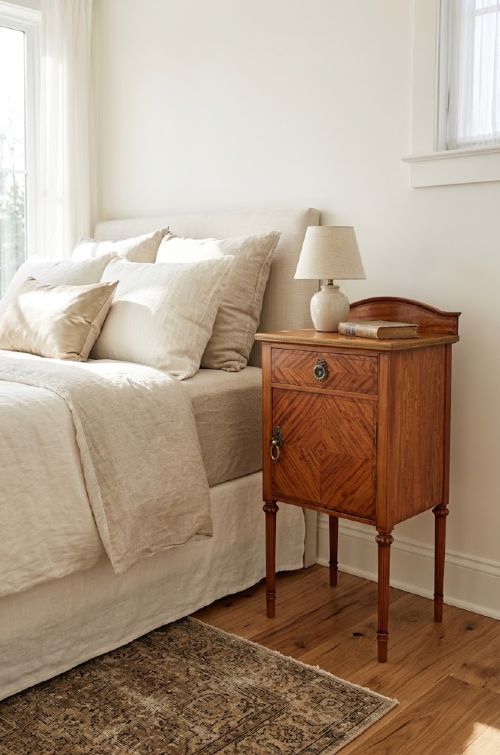
Smaller variants such as bedside nightstands, lamp tables, and music cabinets also populate this category. The pieces span centuries of domestic life, originating from workshops across England during the Georgian, Victorian, and Edwardian eras, as well as the later Art Deco period.
How They Were Made
Cabinet makers utilised dense native timbers like oak, ash, and elm for foundational strength, alongside imported hardwoods including mahogany, rosewood, and walnut for visible surfaces. Figured veneers and flame grains were frequently applied to carcass fronts to create visual depth.
Decorative detailing relied upon brass inlay, ormolu mounts, marquetry in satinwood, and hand-painted finishes. Glass panels, marble tops, and mirror inserts were integrated into later nineteenth and early twentieth century pieces.
Listings feature oak, mahogany, rosewood, walnut, and satinwood across periods spanning from the early 18th century through the Art Deco era of the 1930s.
What Varies in Quality
The standard of construction depends upon the selection of timber and the precision of the joinery, from simple pegged oak frames to intricately matched burr walnut veneers. Grain continuity across doors and drawers indicates higher workshop capability.
Secondary elements such as original brass hardware, working locks with keys, and untouched patination elevate individual examples above standard utility pieces produced in volume.
Johnstone and Jeanes·Gillow and Co·Epstein
The Antique English Side Cabinet Glossary
- Chiffonier
- A low cabinet originating in the Regency period, typically fitted with doors enclosing shelves and sometimes topped with a small shelf back.
- Credenza
- A sideboard or display cabinet lacking legs, sitting low to the floor and often decorated with marquetry or ormolu mounts.
- Marquetry
- Decorative woodwork where pieces of various coloured woods are fitted into a veneer to form geometric or floral patterns.
- Ormolu
- Gilded bronze ornamentation applied to the corners, feet, or panels of fine cabinets during the eighteenth and nineteenth centuries.
- Boulle
- A method of marquetry using tortoiseshell and brass inlay, named after a French cabinet maker but utilised in later English luxury pieces.
Antique English Side Cabinet: Frequently Asked Questions
What is the difference between a chiffonier and a side cabinet?
A chiffonier is a specific type of low cabinet that emerged during the Regency period, generally featuring enclosed shelving and occasionally a small tier on top.
General side cabinets encompass a wider variety of case furniture designed for storage in living spaces without a mandatory tiered superstructure.
How were these cabinets used in historic homes?
These pieces served multiple domestic functions depending on the room they occupied, from holding china and silver in the dining room to storing folio books and papers in the library.
Smaller variants acted as bedside nightstands or specialist storage for sheet music and tobacco pipes in drawing rooms.
How do I identify the period of a side cabinet?
Dating relies upon observing the combination of timber choices, construction techniques, and stylistic ornament visible on the carcass and interior.
Georgian pieces frequently display solid mahogany or flame veneers, while Victorian examples often utilise heavy figured walnut and Edwardian pieces show satinwood marquetry or simpler pine.
Can I use an antique side cabinet as a modern drinks cabinet?
Many historic side cabinets, particularly credenzas and low cupboards, offer ample interior depth and shelf space suitable for storing glassware and bottles.
Buyers frequently adapt these enclosed wooden structures for contemporary entertaining while preserving their external period appearance.