
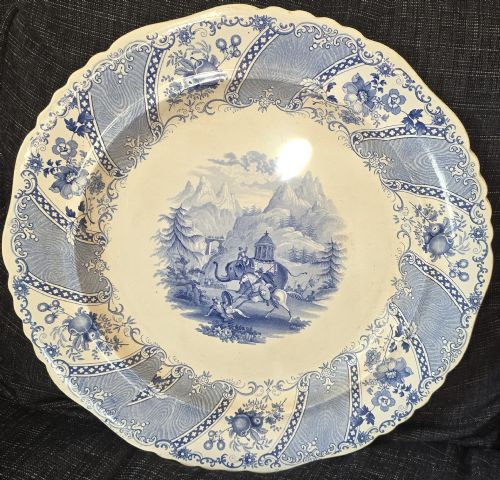
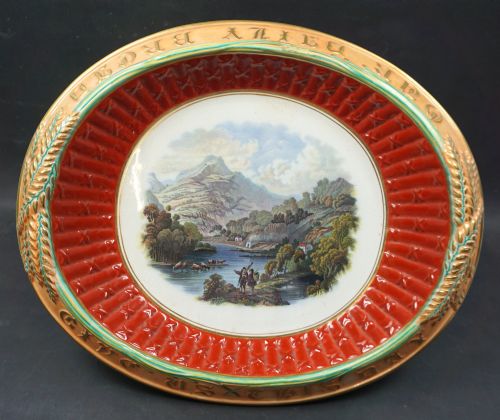
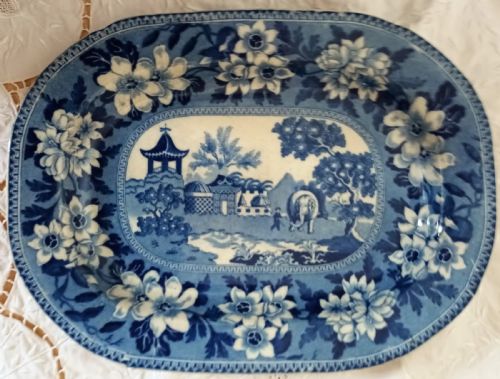
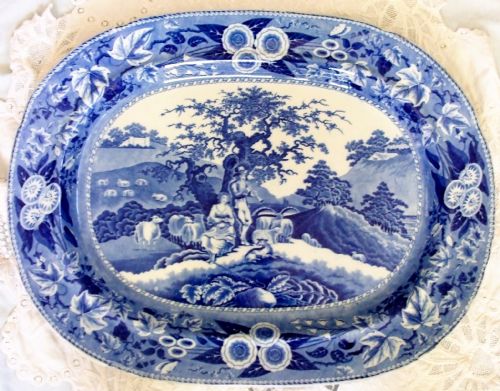
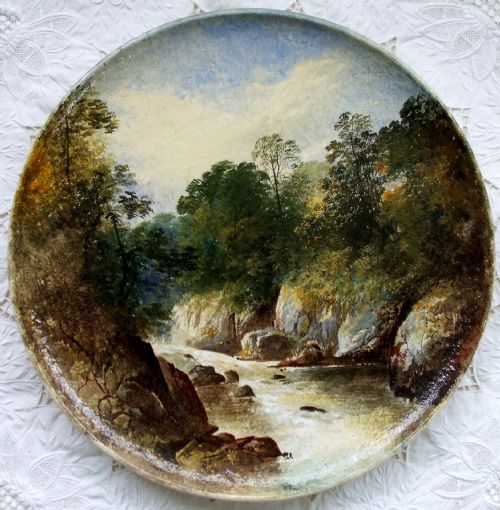


Antique English Pottery Platter
An antique english pottery platter brings the refined transfer-printed scenes and tin-glazed earthenware of past centuries straight to the modern dining table.
Antique English Pottery Platter
When searching for an antique english pottery platter, buyers encounter a range of serving vessels, decorative chargers, and deep dishes produced across the eighteenth, nineteenth, and early twentieth centuries. The selection spans robust earthenware and delicate pearlware shaped for grand dining tables or hung for display in domestic interiors.
Georgian blue and white transfer-printed pieces dominate the available choices, often bearing scenic landscapes, classical ruins, or exotic animal patterns. Alongside these large serving dishes sit tin-glazed delftware chargers and Victorian ironstone platters reflecting shifting domestic tastes over successive eras.
Materials and methods
Potters shaped these pieces from ceramic bodies like pearlware, ironstone, and earthenware before applying opaque tin glazes or clear lead glazes over cobalt pigment and polychrome enamel. Transfer printing allowed workshops to apply intricate patterns onto the clay surface mechanically before final kiln firing.
Painters also decorated tin-glazed surfaces by hand on delftware chargers, sealing the colours within the wet glaze layer. Stoneware variations provided additional durability for heavy daily use in nineteenth-century kitchens.
Spode produced a popular tower pattern that recorded nineteenth-century pastoral charm onto enduring domestic pottery.
Assessing the workmanship
Quality reveals itself in the clarity of the cobalt transfer print and the precise alignment of multi-coloured enamels across the ceramic surface. Crisp detailing in pictorial scenes separates standard utility wares from pieces produced for prominent ceramic houses.
The smoothness of the glaze and the structural stability of the earthenware body during firing determine the longevity and visual appeal of each dish. Potteries achieving consistent colour saturation and minimal kiln distortion command greater attention.
John Rogers and Son·William Yale·John Ridgway·George Jones·J. and R. Clews
The Antique English Pottery Platter Glossary
- Pearlware
- A refined earthenware body featuring a faint bluish tinge in the glaze, developed in the late eighteenth century to mimic Chinese porcelain.
- Transfer printing
- A decoration technique using a copperplate engraving to pull an inked image on tissue paper and press it onto the ceramic biscuit.
- Delftware
- Tin-glazed earthenware produced in England, typically decorated with hand-painted blue designs inspired by imported oriental ceramics.
- Charger
- A large decorative plate intended primarily for display on a sideboard or wall rather than general service at the dining table.
- Ironstone
- A durable, heavy ceramic patented in the nineteenth century designed to resist chipping and endure rigorous domestic employment.
Antique English Pottery Platter: Frequently Asked Questions
How were these large platters used historically?
Large platters served joints of meat, roasted fowl, and substantial side dishes at the centre of communal dining tables.
Smaller trays and stands accommodated cheese, asparagus, or sauce tureens during multi-course Victorian and Georgian meals.
Can I use antique platters for serving food today?
Most antique earthenware and pearlware platters tolerate light use, though historic tin glazes and soft bodies warrant careful hand washing.
Thermal shock from dishwashers or microwaves can crack nineteenth-century ceramic structures, making gentle display or cautious table service advisable.
What distinguishes ironstone from standard earthenware?
Ironstone contains slag and feldspar mixed with clay, producing a denser, heavier ceramic body designed to withstand heavy household demands.
Standard earthenware remains lighter in weight and more porous, requiring careful glazing to seal the underlying clay body.