


Antique English Porcelain Platter
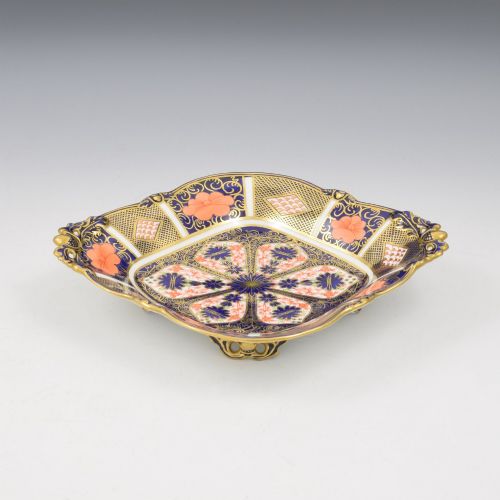
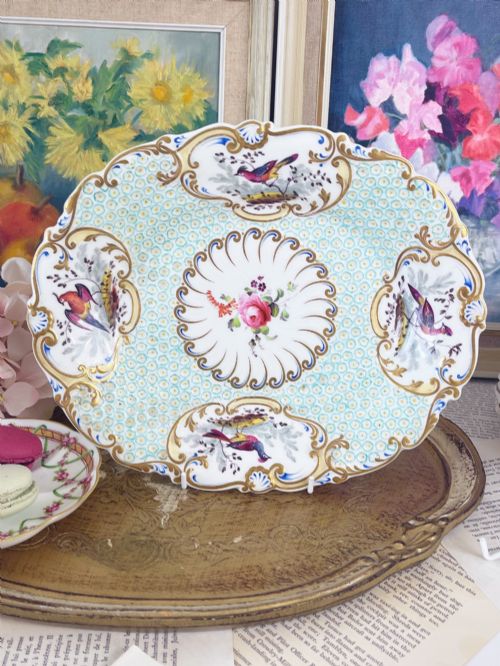
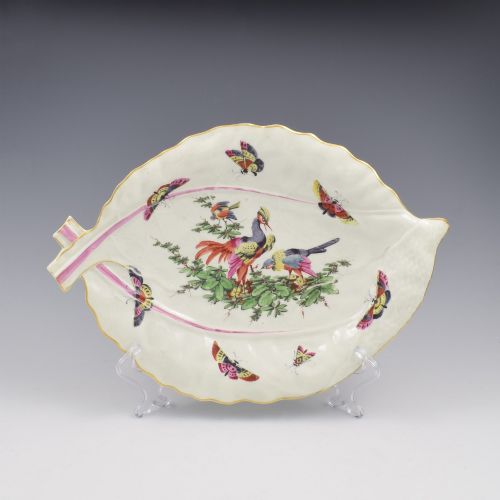
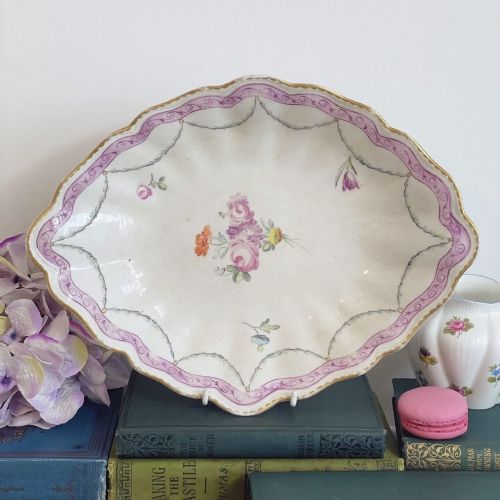
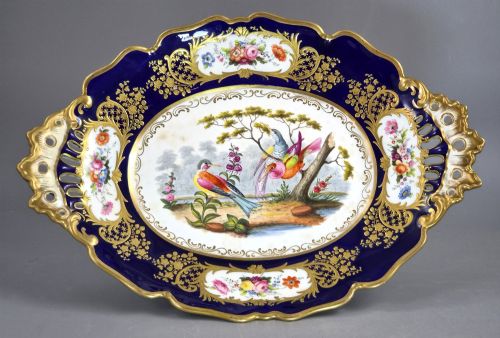
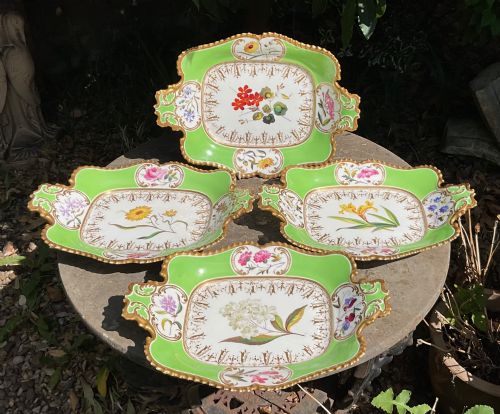
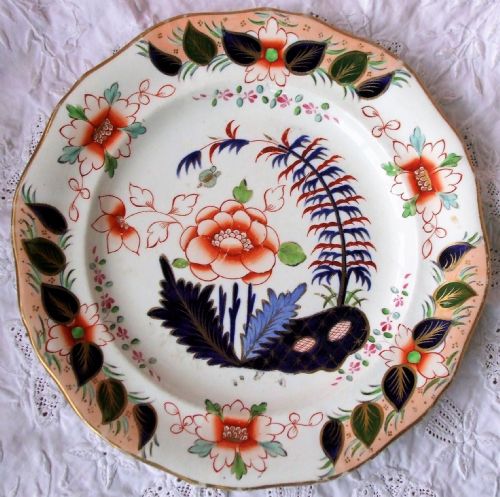
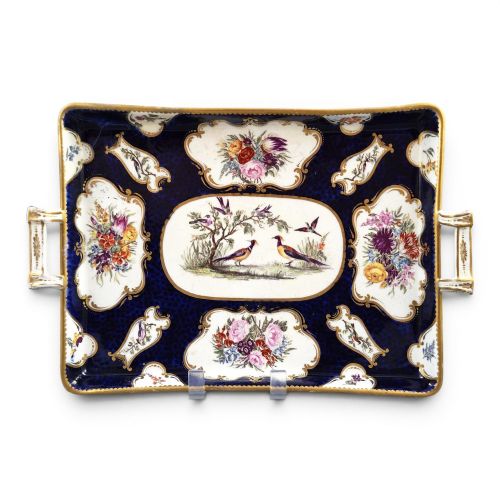
These antique English porcelain platter choices bring serving history to your table, offering hand-painted birds, armorials and botanical patterns from centuries past.
Antique English Porcelain Platter
An antique English porcelain platter serves as a grand centrepiece for formal dining, designed historically to present fish, game, or dessert courses to guests. When you search for this phrase, you encounter a variety of forms spanning oval serving dishes, oblong trays, and deep porcelain plates.
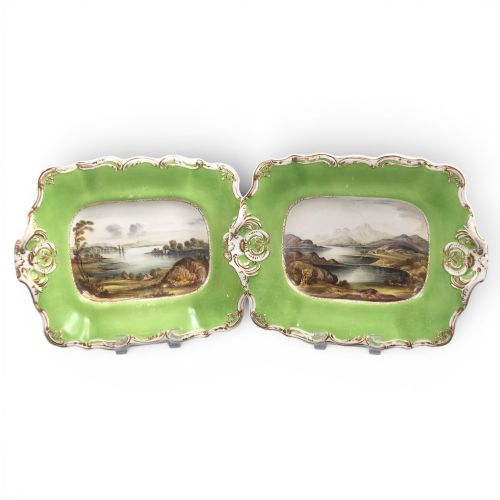
The pieces on this page originate from diverse periods, stretching from the eighteenth century through the Georgian and Regency eras into the nineteenth and early twentieth centuries. You find serving dishes created by prominent potteries and factories across England, often decorated with hand-painted flora, fauna, and scenic views.
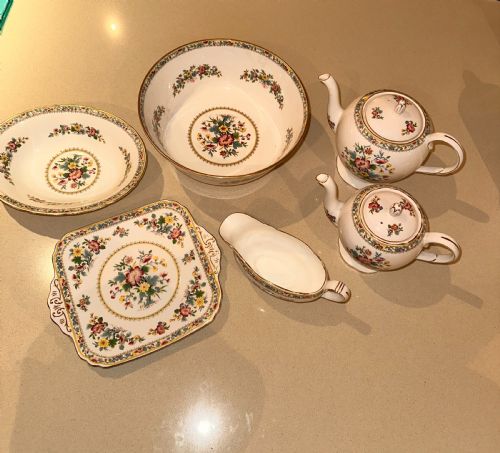
Form meets function in these items, as they transition easily from historical cabinets to modern dining tables. Whether you require a twin-handled serving dish for a gathering or a cabinet dish for display, the selection represents the breadth of English ceramic history.
Materials and methods of production
Potters utilised fine porcelain, bone china, and ironstone to shape these platters, often applying a glossy glaze before adding decoration. Early pieces from factories like Worcester and Bow relied on traditional soft-paste or hard-paste porcelain recipes.
Artisans applied polychrome enamels, cobalt blue underglaze, and gold leaf by hand to bring botanical subjects, exotic birds, and landscape scenes to life. Moulded details, pierced rims, and transfer printing added texture and intricate patterns to the finished surfaces.
Some nineteenth-century makers thoughtfully included built-in ceramic drainers on their platters to keep holiday turkeys safely clear of excess juices.
Judging quality in antique ceramics
The sophistication of the hand-painted brushwork dictates much of the distinction between standard vessels and exceptional pieces. Finely rendered fancy birds, botanical studies, and armorial details executed by skilled hands elevate a platter's desirability.
The crispness of moulded porcelain shapes and the preservation of original gilding and enamel colours determine the overall integrity of the piece. Factory marks indicating periods like First Period Worcester or specific makers add historical weight to the physical execution.
Royal Crown Derby·H & R Daniel·Coalport·Chamberlains Worcester·Hicks & Meigh·Royal Doulton·John Davenport·Copeland and Garrett·Spode·Caughley·Royal Worcester·Ridgway·Minton·Barr Flight and Barr·Bow
The Antique English Porcelain Platter Glossary
- Imari
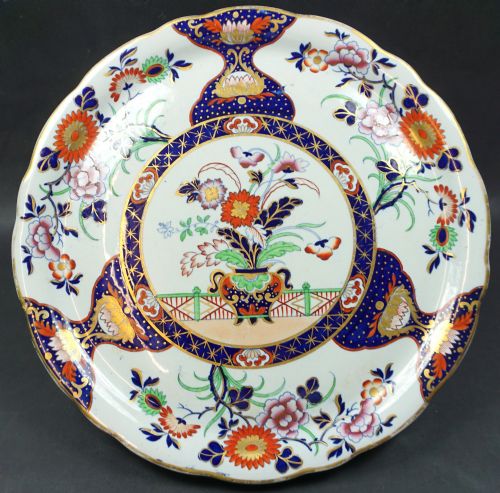
- A decorative style inspired by Japanese exports, combining underglaze cobalt blue with iron red, green, and heavy gilding. This palette appeared frequently on English porcelain throughout the Georgian and Victorian periods.
- Bone china
- A type of porcelain composed of clay, feldspar and bone ash, developed in England to create a durable, milky-white body. It allowed makers to produce thinner, more refined serving vessels.
- Ironstone
- A heavy, durable earthenware patented in the nineteenth century to withstand rigorous daily use. It served as a robust alternative to softer porcelains while accepting vibrant transfer-printed and hand-painted patterns.
- Gilding
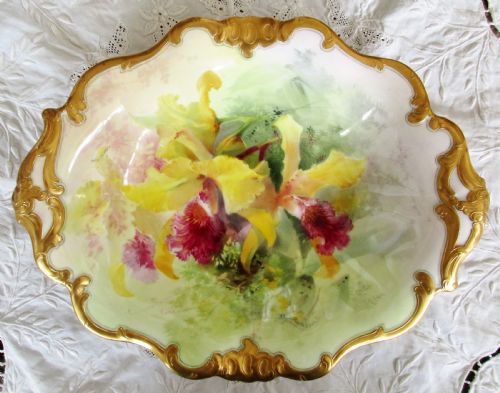
- The application of gold leaf or gold paint to ceramic rims, handles, and motifs. It highlights moulded details and adds a luxurious finish to dessert and serving plates.
- Underglaze
- A decoration applied to the ceramic body before the final clear glaze is fired in the kiln. This technique protects pigments from wear and gives the blue and white patterns a soft appearance.
Antique English Porcelain Platter: Frequently Asked Questions
Can I use antique platters for serving food?
Many buyers choose to use sturdy ironstone and porcelain platters for special dining occasions, provided they wash them gently by hand.
For fragile or highly gilded eighteenth-century specimens, cautious display is often preferred to preserve the enamel decoration.
How do I date an old porcelain dish?
Dating relies on identifying factory backstamps, ceramic bodies, and painting styles recorded in historical archives. Clues like cobalt blue crescent marks or specific pattern numbers help narrow the decade of production.
Comparing the paste weight and footrim finish against known examples also clarifies the period.
What is the difference between porcelain and ironstone?
Porcelain is a vitrified, translucent ceramic fired at high temperatures to achieve a refined, glass-like body. It is often thinner and more delicate.
Ironstone is an opaque, heavy earthenware designed for durability, offering a thick body that resists chipping during heavy use.
How should I display my porcelain platters?
Platters look striking mounted securely on walls using coated wire hangers or displayed upright in plate racks and cabinets. Proper wall mounting must account for the weight of larger pieces, particularly ironstone chargers.
Keeping them away from direct sunlight protects hand-painted enamel colours from fading over time.