
Antique English Porcelain Dishes
Antique english porcelain dishes bring the delicate artistry of centuries past to the table, offering collectors painted birds, florals, and gilt work.
Antique English Porcelain Dishes
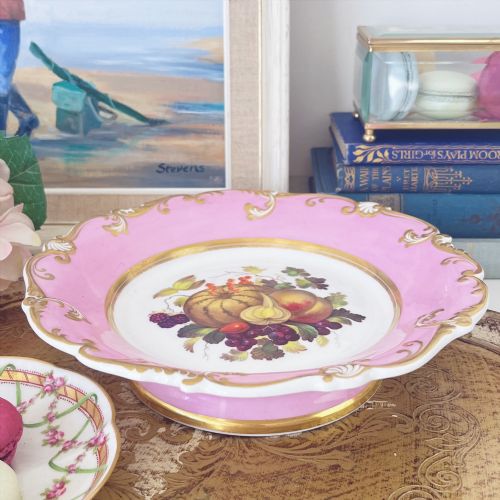
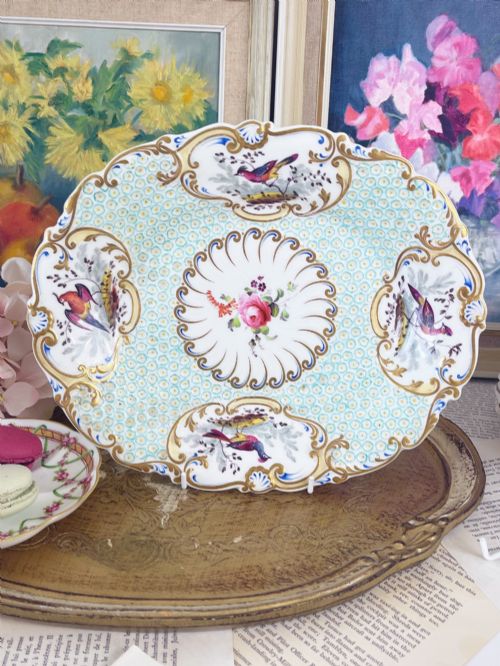
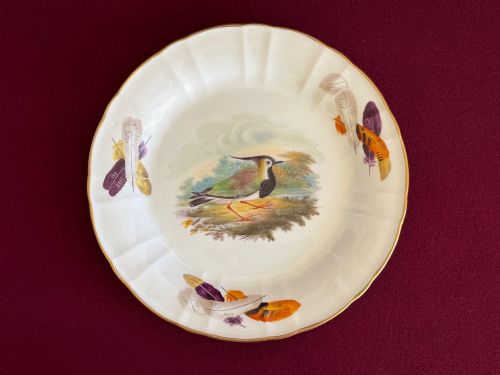
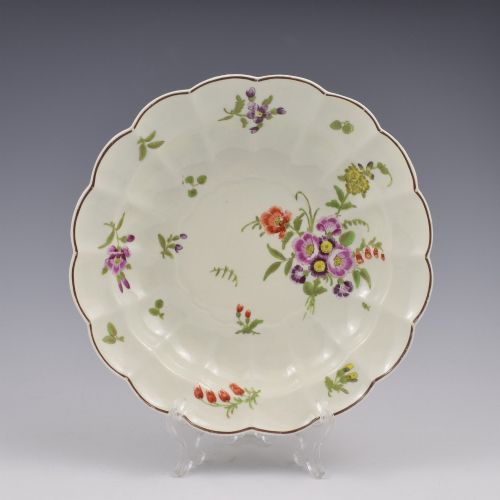
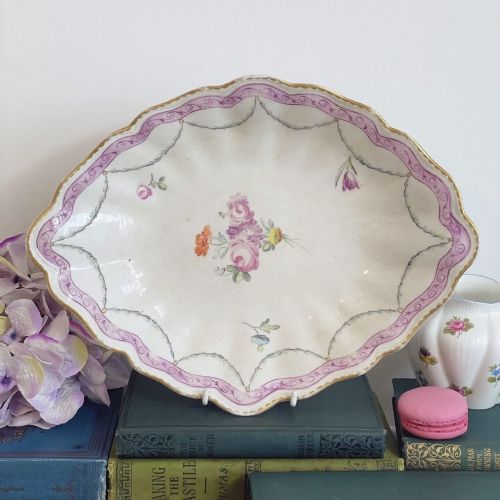
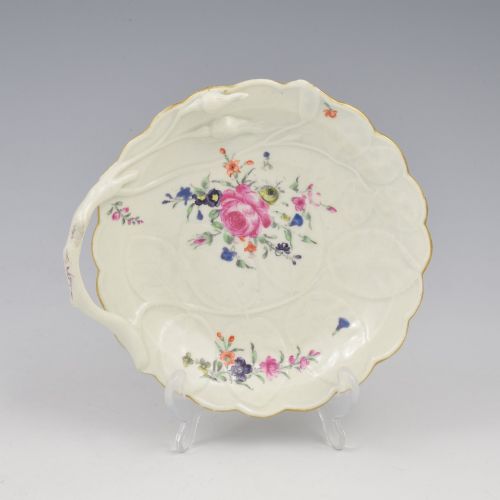
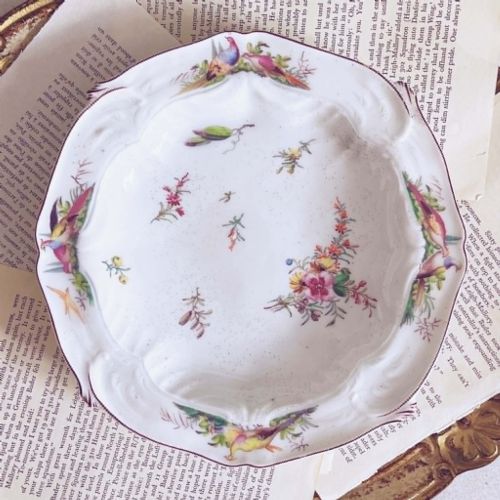
When searching for antique english porcelain dishes, collectors encounter a diverse array of forms including cabinet plates, decorative dishes, pickle dishes, and serving dishes. These pieces originate across the eighteenth and nineteenth centuries, extending into the twentieth century with works from notable factories.
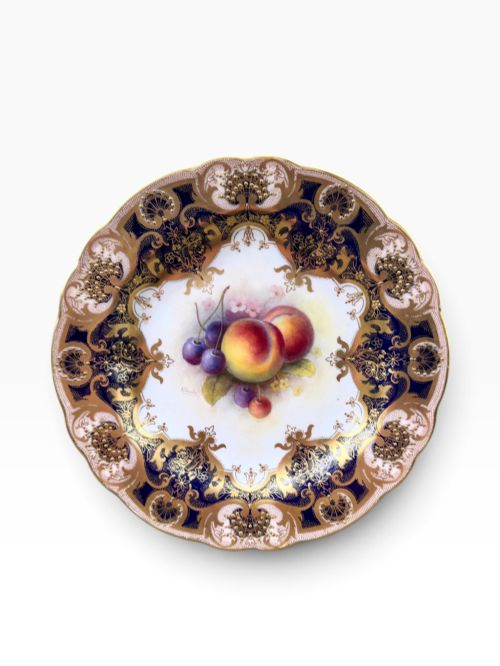
The material composition spans soft-paste porcelain, bone china, and porcelain, frequently enriched with enamel, gilding, and gold leaf. Examples range from eighteenth-century Caughley and Worcester productions to Victorian Minton and twentieth-century Royal Worcester fruit plates.
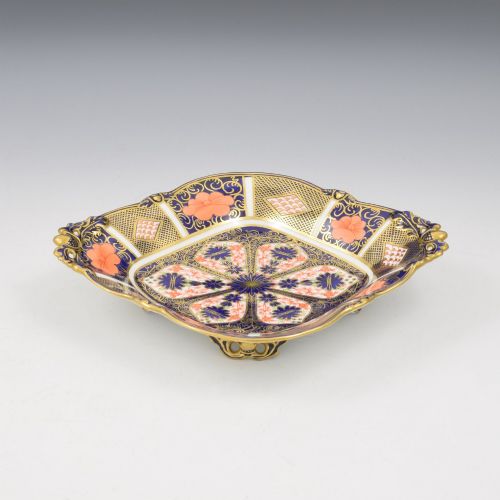
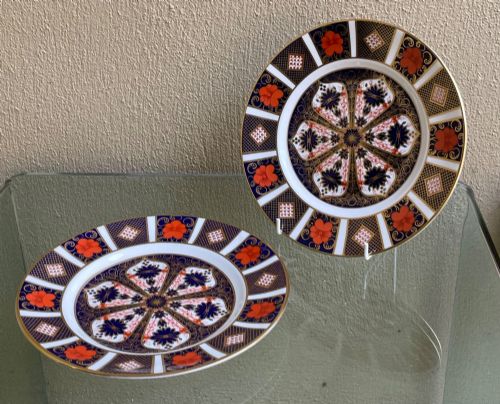
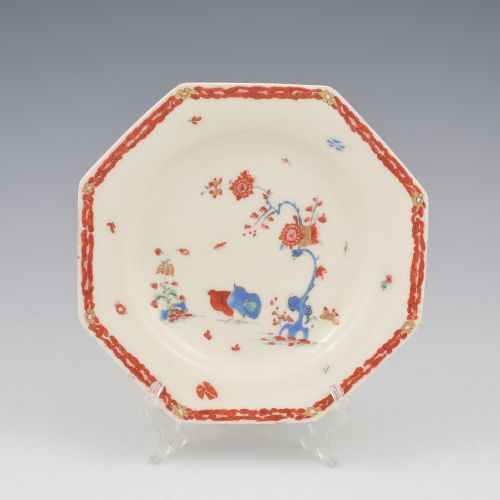
Stylistic influences vary widely, incorporating Georgian and Regency designs, Rococo Revival curves, Imari patterns, and Japanese aesthetics. Buyers frequently meet pieces bearing handpainted motifs of birds, fruits, and flowers executed by named painters.
Formations include specialised items such as shell edge footed comports, tazzas, tart pans, and covered pedestal bowls. These objects demonstrate the practical and decorative evolution of ceramic tableware across English history.
Materials and production methods
Early works utilise soft-paste porcelain bodies that require careful firing, while later developments introduce bone china for increased durability and a whiter ground. Potters shape these materials into varied forms such as lobed dessert bowls, square dishes, and octagonal plates.
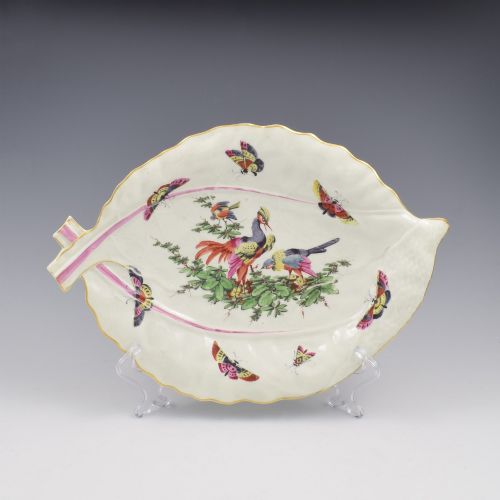
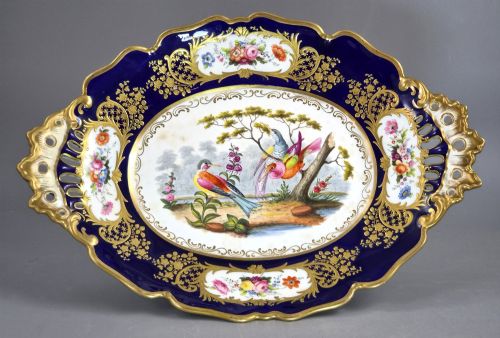
Decoration relies on handpainted polychrome enamels and cobalt blue underglaze painting, often complemented by intricate gilding and gold leaf accents. Skilled artists apply detailed motifs of birds, insects, and botanical subjects directly onto the ceramic surface before final firing.
Early Worcester decorators sometimes hid tiny painted beetles beneath handles to surprise anyone washing the dish.
Factors of distinction
Quality rests in the precision and complexity of the handpainted decoration, where master artists execute fine botanical studies or ornithological scenes with notable depth. Pieces bearing identifiable painter signatures or specific factory marks achieve greater distinction.
The refinement of the porcelain paste and the crispness of moulded elements, such as leaf-shaped edges or embossed patterns, separate standard wares from superior examples. Preservation of the original gilding and enamel colours without excessive wear maintains the integrity of the piece.
Royal Crown Derby·Flight Barr And Barr·Royal Worcester·H And R Daniel·Chamberlains Worcester
The Antique English Porcelain Dishes Glossary
- Bone china
- A type of porcelain containing bone ash, developed in England to provide a strong, whiter ceramic body.
- Soft-paste porcelain
- An artificial porcelain composition fired at lower temperatures, common in eighteenth-century English factories.
- Comport
- A footed dish or bowl raised above the table surface, often utilised for serving fruit or sweets.
- Gilding
- The application of gold or gold leaf to the ceramic surface for decorative accentuation.
- Imari style
- A decorative scheme utilising cobalt blue, iron red, and gold, inspired by Japanese export wares.
Antique English Porcelain Dishes: Frequently Asked Questions
How do I identify eighteenth-century pieces?
Eighteenth-century items often feature soft-paste porcelain bodies and underglaze blue markings characteristic of early factories like Worcester or Caughley. Handpainted polychrome decorations and moulded leaf forms frequently define this earlier era.
Examination of the foot ring and unglazed areas reveals the composition of the paste. Factory marks from these early periods help confirm the date of production.
What are cabinet plates used for?
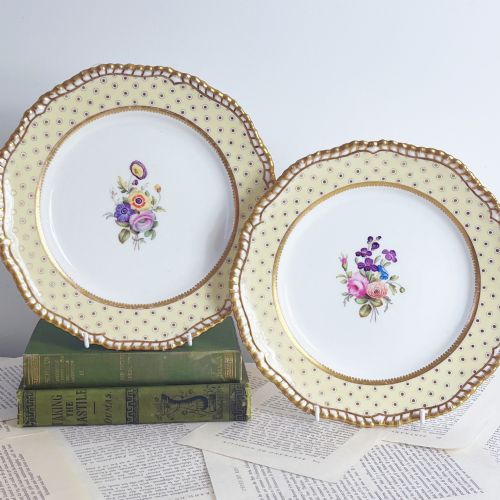
Cabinet plates serve primarily as decorative display items rather than functional tableware. Artists often covered these plates with detailed painted scenes of fruit, flowers, or birds.
Collectors showcase them on stands or walls to preserve their intricate handpainted surfaces and delicate gilding from daily wear.
How should I clean antique porcelain?
Cleaning requires gentle washing by hand using lukewarm water and mild soap. A soft cloth prevents scratching the fragile enamel and gold leaf decorations.
Avoid soaking pieces for extended periods, particularly items with soft-paste bodies or vulnerable overglaze enamels.
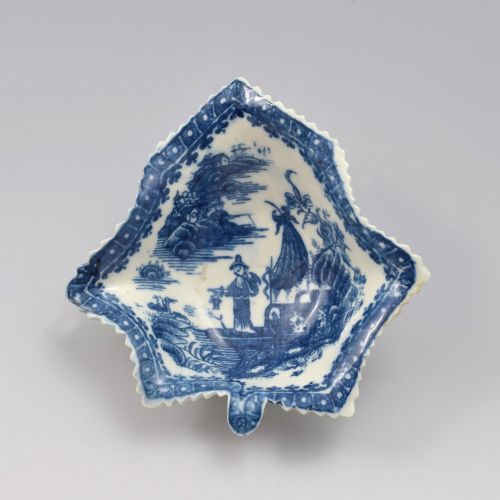
What is a pickle dish?
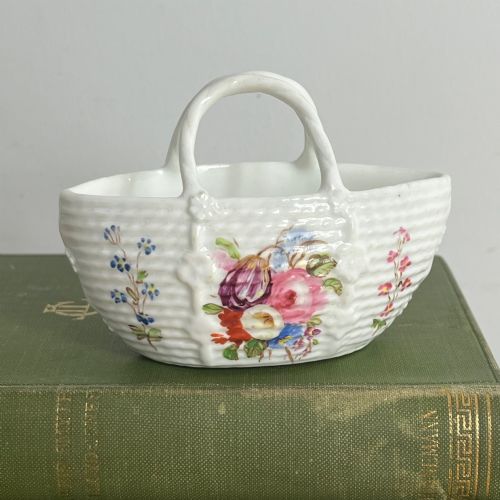
A pickle dish is a small, specialised serving vessel shaped for condiments or table relishes during formal dining. Eighteenth-century examples frequently adopt leaf or shell forms.
These small dishes demonstrate the diverse functional types produced by early English porcelain manufactories.