


Antique English Painted Commode
An antique english painted commode brings colour and character to a room, offering practical storage disguised beneath decorative brushwork.
Antique English Painted Commode
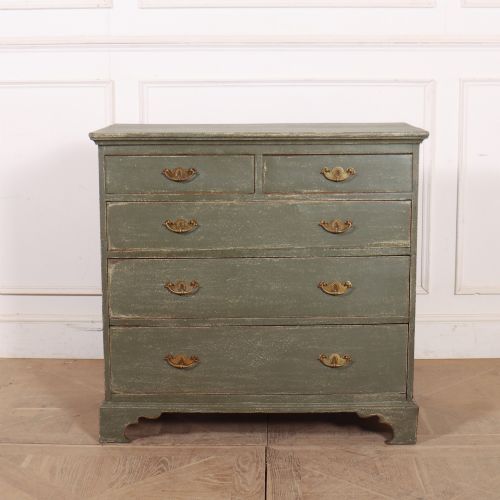
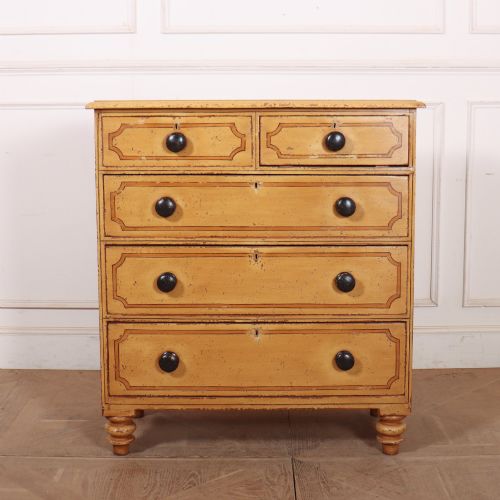
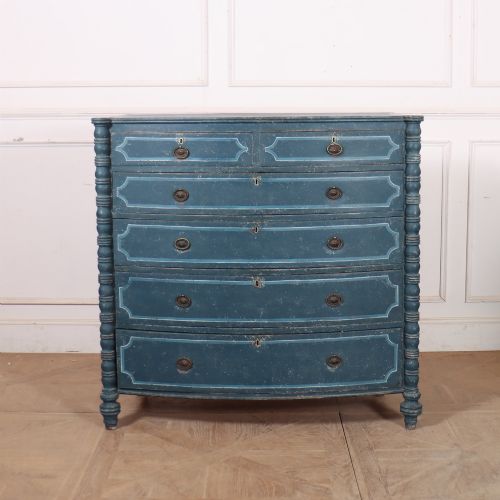
When you search for an antique english painted commode, you encounter a selection dominated by chests of drawers and side cabinets originating from the eighteenth and nineteenth centuries. These pieces encompass Georgian, Regency, and Victorian country styles alongside decorative Japanned and Chinoiserie interpretations.
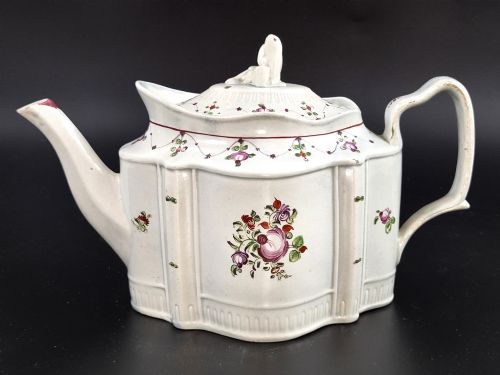
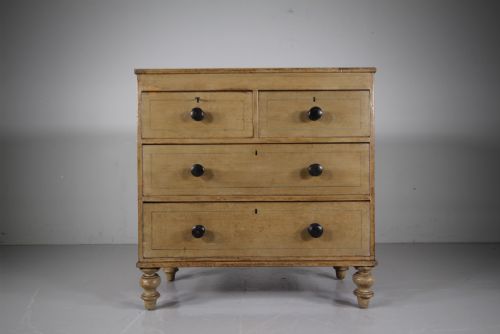
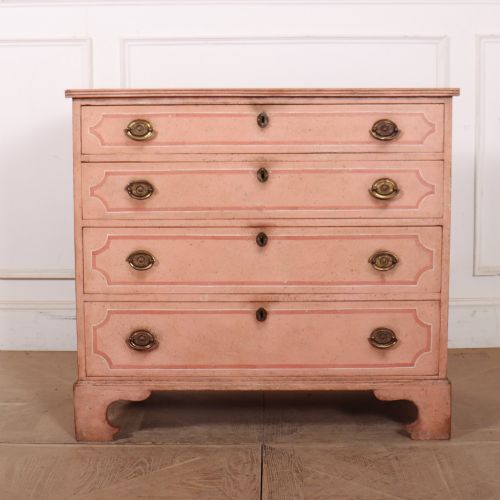
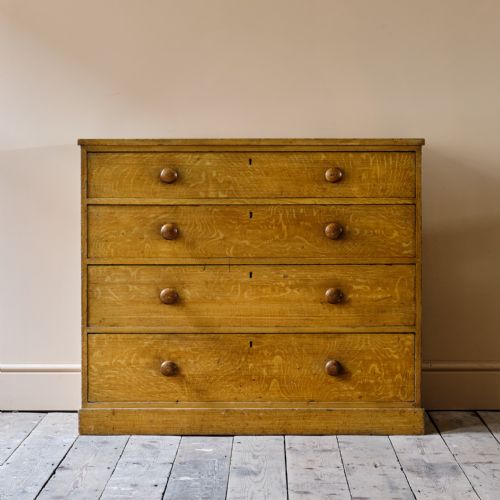
The primary forms take shape as bowfront, serpentine, and straight chests of drawers constructed in pine and other woods, often finished with original painted surfaces or simulated wood grain. Side cabinets and occasional commode-shaped teapots also appear within the wider selection.
How They Were Made
The construction relies primarily on pine and general wood frameworks, complemented by brass hardware and metal fittings. Surfaces receive layers of paint, lacquer, and gilt decoration to achieve the distinct finishes seen across the pieces.
Makers employed hand-painted motifs and simulated wood grain techniques, sometimes incorporating pale cream colour schemes or elaborate Chinoiserie decorations directly onto the timber.
The selection even wanders into ceramics, including an earthenware teapot shaped like a miniature commode complete with a widow finial.
What Varies in Quality
Distinction across the range rests on the survival of original painted surfaces versus later redecoration, as well as the subtlety of the brushwork. Pieces retaining their early paintwork, whether pale cream or intricate Chinoiserie, carry a stronger historical integrity.
Proportion and form also dictate distinction, moving from utilitarian country pieces to sophisticated serpentine fronts and marble top demi-lune cabinets.
The Antique English Painted Commode Glossary
- Commode
- A low chest of drawers or cabinet, often featuring decorative painted surfaces or serpentine fronts. The term also historically describes certain ceramic teapot forms shaped in this manner.
- Bowfront
- A furniture front that curves outward in a convex shape, softening the rectangular silhouette. This design frequently appears on Georgian and nineteenth-century chests.
- Serpentine
- A front design characterised by a gentle S-curve, dipping inward at the centre and curving outward at the ends. It requires considerable woodworking skill to shape accurately.
- Chinoiserie
- European interpretations of Chinese and East Asian artistic styles, popular in decoration and furniture painting. It typically portrays imagined landscapes, figures, and pavilions.
Antique English Painted Commode: Frequently Asked Questions
How do I clean a painted commode?
Dust gently with a dry, soft cloth to protect the fragile decorative surface from abrasion.
Avoid chemical cleaning products and moisture, which can damage aged paintwork and original lacquer.
Are these pieces suitable for daily use?
Many chests of drawers remain sturdy enough for practical storage in modern bedrooms and living spaces.
Take care not to overload older drawer runners and place items gently on top surfaces.
What is the difference between Georgian and Regency styles?
Georgian furniture often displays heavier proportions and rich wood tones, alongside early painted finishes and bow fronts.
Regency pieces tend toward cleaner lines and classical influences following Neoclassical design principles.
How can I tell if the paint is original?
Original paint shows uniform craquelure, natural wear patterns, and integration with the underlying timber structure.
Later overpainting often conceals the natural ageing of the wood beneath and lacks the depth of early layers.