

Antique English Mug
When you search for an antique English mug, you are looking at centuries of drinking vessels fashioned in porcelain, ironstone, silver, and pewter.
Antique English Mug
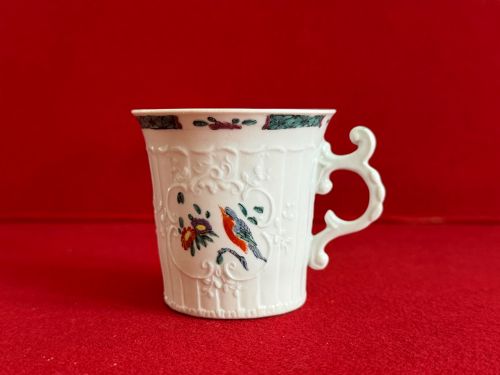
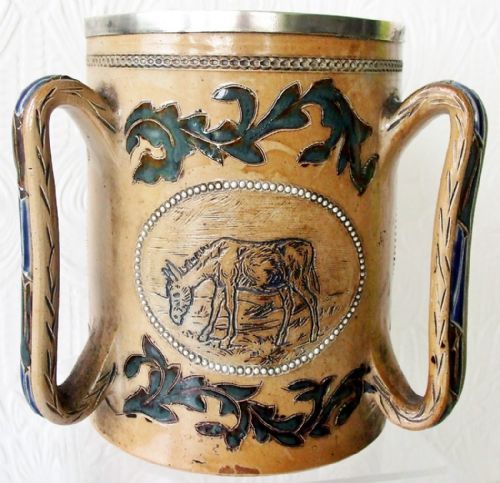
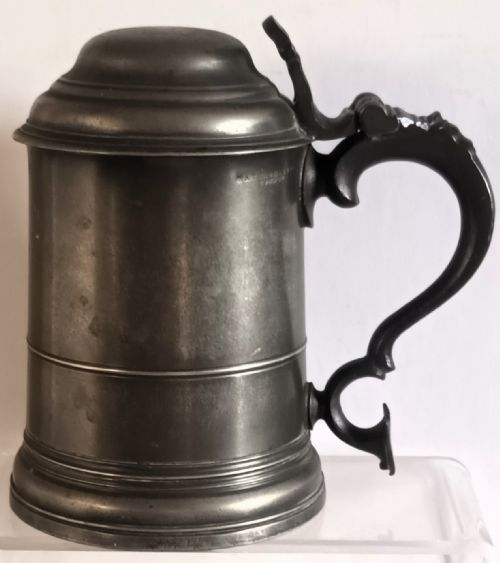
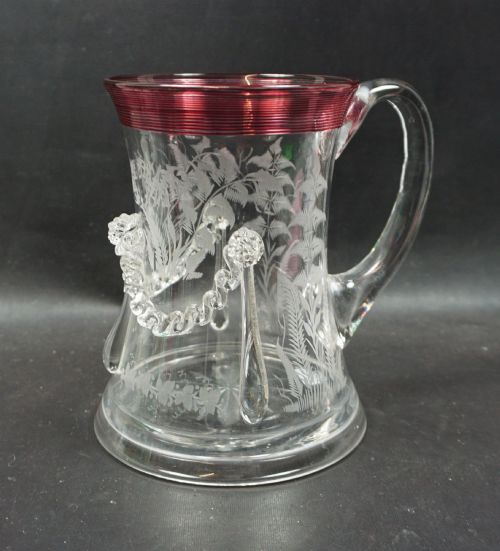
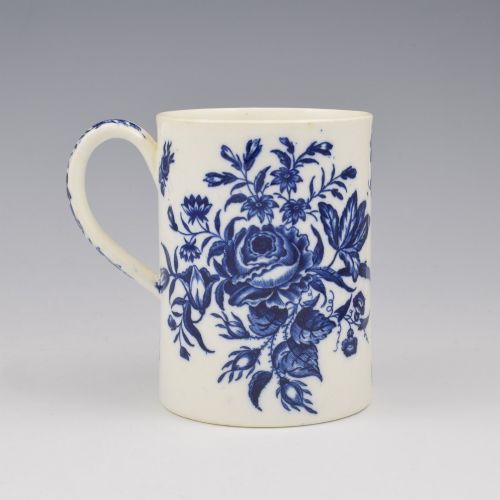
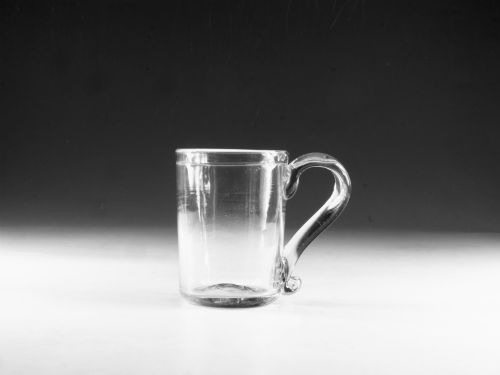
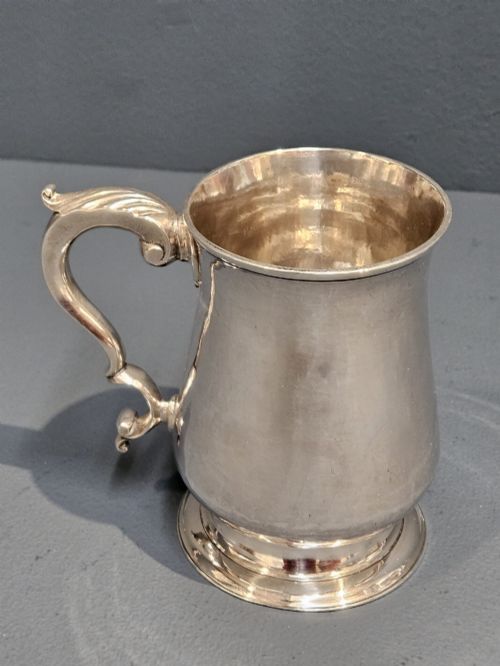
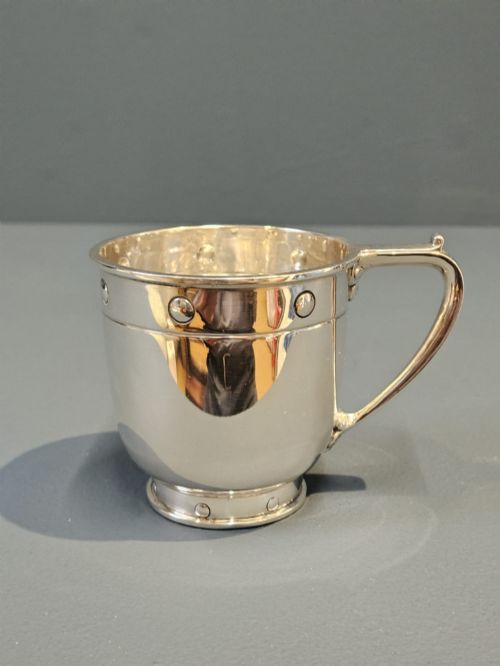
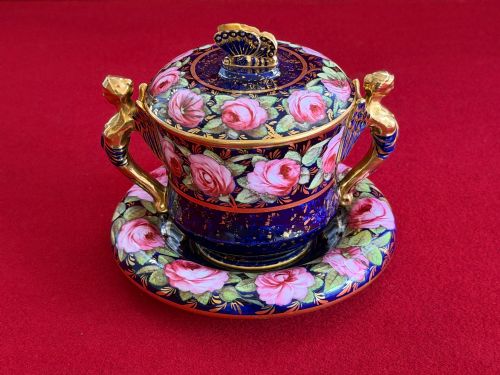
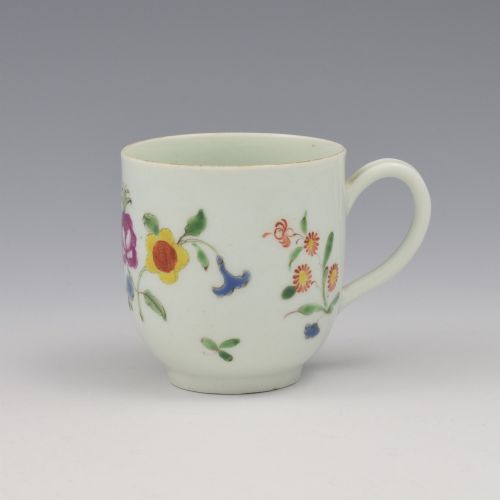
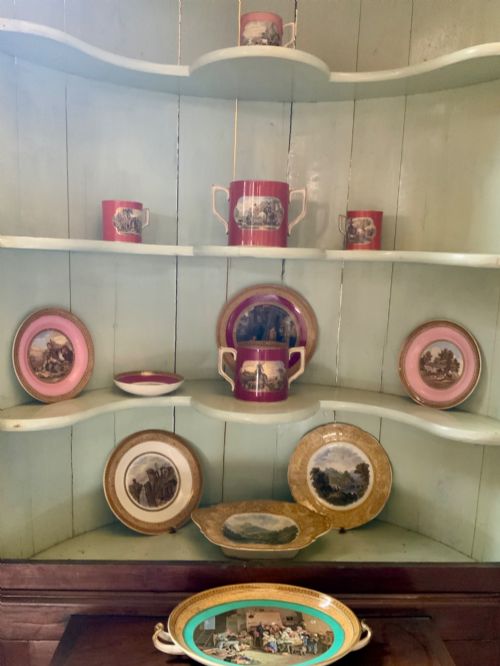
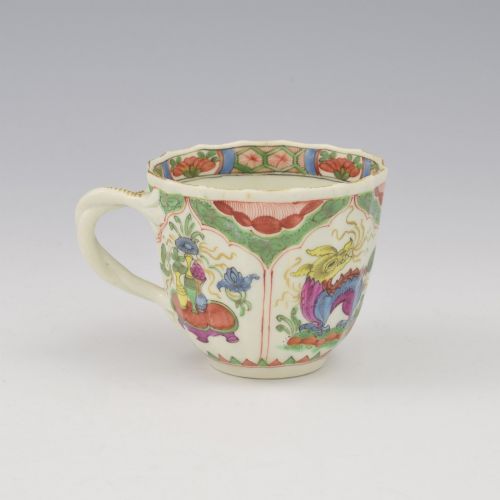
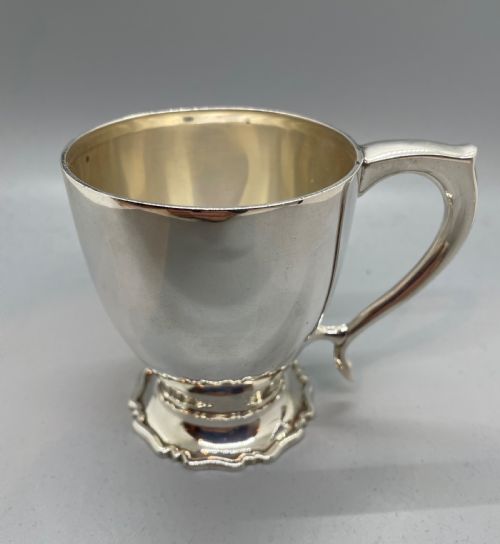
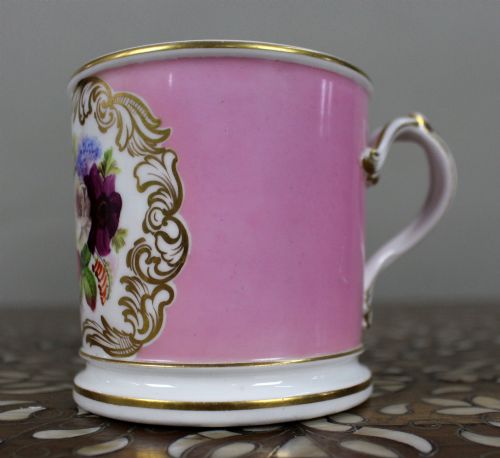
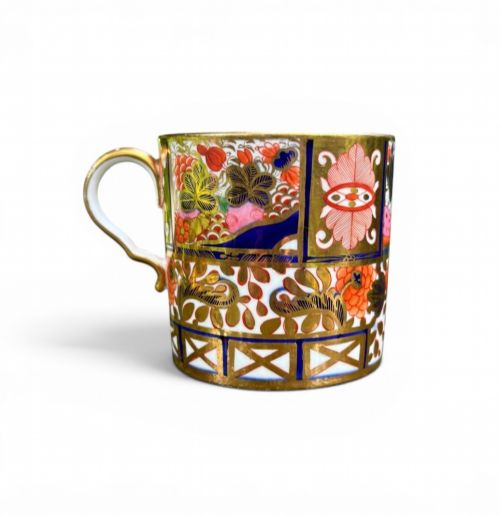
The antique English mug encompasses a varied selection of drinking vessels, ranging from practical tavern pewter tankards to delicate porcelain chocolate cups and robust earthenware tygs. When exploring this selection, buyers encounter everything from Georgian silver presentation pieces to Victorian Staffordshire pottery and pearlware frog mugs adorned with hidden surprises.
The forms span simple cylindrical pint measures and handled jugs to elaborate multi-handled commemorative vessels designed for ale, cider, and morning chocolate. Pieces originate across different centuries, moving from eighteenth-century porcelain factories to nineteenth-century public houses and domestic parlours.
Materials and construction
Pottery and porcelain pieces rely on skilled throwing, moulding, and casting in earthenware, ironstone, pearlware, and fine bone china, finished with hand-painted enamels, transfer printing, or rich coloured glazes. Silver and old Sheffield plate items demonstrate expert metalsmithing, involving hammering, soldering, and precise engraving.
Pewter vessels utilise metal casting in moulds to achieve sturdy walls and flat or dome lids, often bearing touchmarks from established foundries.
Antique English Mug Retail Price Guide 2026
Typical asking prices for english mug among the pieces listed under this phrase on Sellingantiques today, from the lower quarter to the upper quarter. They describe what is for sale here now, not the wider market.
Listings feature materials spanning earthenware, porcelain, sterling silver, gold leaf, glaze, pewter, and ironstone across multiple centuries.
Factors of quality
Quality rests in the crispness of the modelling and the precision of the surface decoration, whether painted by hand on porcelain or engraved cleanly into sterling silver. Weight, balance, and the integrity of applied handles or intricate mounts further distinguish standard utility items from exhibition-grade works.
Mason's·Spode·Richard Chaffers·Grainger Worcester·Dr Wall·Watts & Harton·H & R Daniel·Doulton Lambeth·William Bateman·Burgum & Catcott
The Antique English Mug Glossary
- Tyg
- A large drinking vessel featuring three or more vertical handles designed to be passed around a company. They appear in earthenware and stoneware during earlier periods.
- Frog mug
- A ceramic drinking vessel containing a small ceramic frog moulded inside near the base to surprise the drinker as the liquid lowers. These often date to the nineteenth century.
- Ironstone
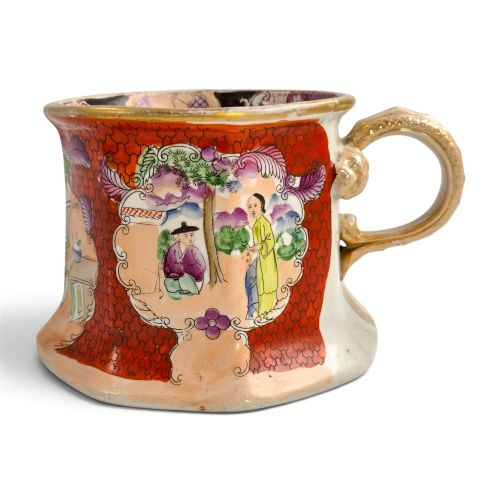
- A dense, durable type of earthenware patented in the nineteenth century to rival true porcelain. It frequently displays vibrant transfer-printed or hand-painted Chinoiserie patterns.
- Pearlware
- A refined earthenware developed in the late eighteenth century featuring a subtle bluish glaze that pooled slightly in crevices. It served as a popular canvas for hand-painted or transfer-printed blue designs.
Antique English Mug: Frequently Asked Questions
What is a frog mug?
A frog mug is a novelty drinking vessel featuring a small ceramic frog modelled inside the bottom. As the drinker finishes the beverage, the frog appears.
These pieces were popular in public houses during the eighteenth and nineteenth centuries for drinking games and social amusement.
How do I date an antique silver mug?
Silver mugs are dated using hallmarks stamped directly into the metal. These marks indicate the assay office, the maker's mark, and a specific date letter.
Matching the letter to historical assay tables reveals the exact year of manufacture.
What is a tyg?
A tyg is a communal drinking vessel distinguished by multiple handles rather than a single one. Multiple handles allowed guests to pass the pot securely around a table.
They are commonly found in sturdy earthenware or stoneware from earlier centuries.
Are pewter mugs safe for drinking?
Historic pewter mugs often contained lead, which makes them unsuitable for regular modern food and drink use. Many collectors prefer to display these pieces as historical objects.
Silver and ceramic mugs from the same eras require individual assessment depending on their condition and glaze composition.