






White Ceramic Mug
A white ceramic mug delivers the tactile weight of centuries past, from eighteenth-century porcelain coffee cups to nineteenth-century earthenware tankards.
White Ceramic Mug
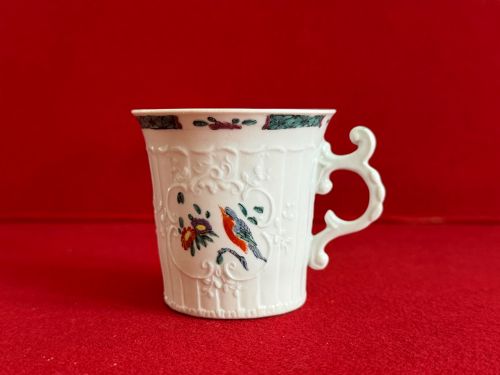
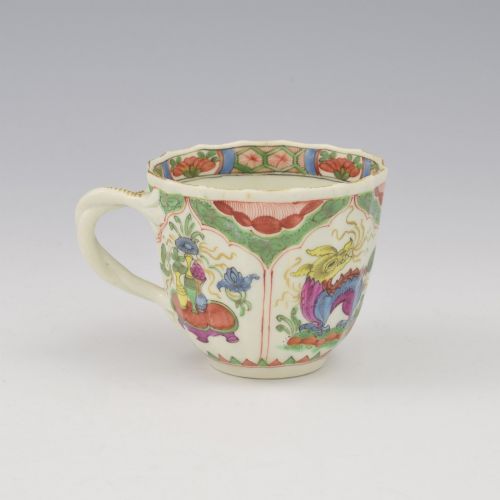
The selection on this page bridges Georgian elegance and Victorian utility. Early pieces often feature intricate chinoiserie scenes on soft-paste porcelain, while later examples include transfer-printed designs and novelty frog mugs.
How they were made
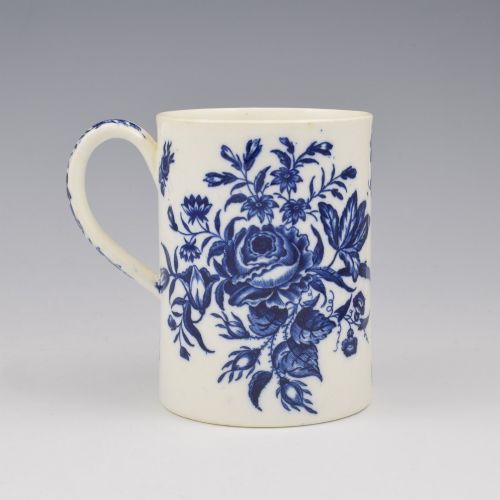
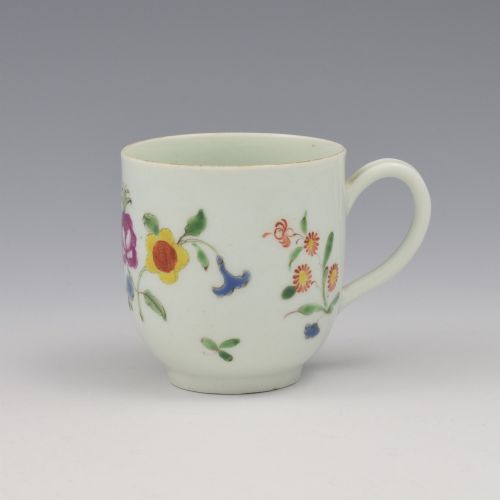
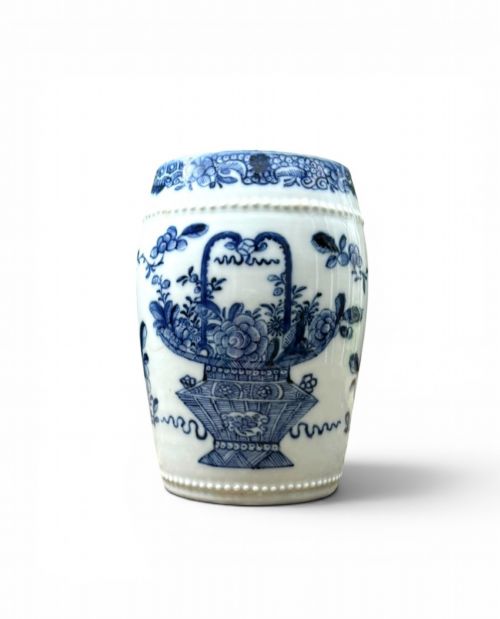
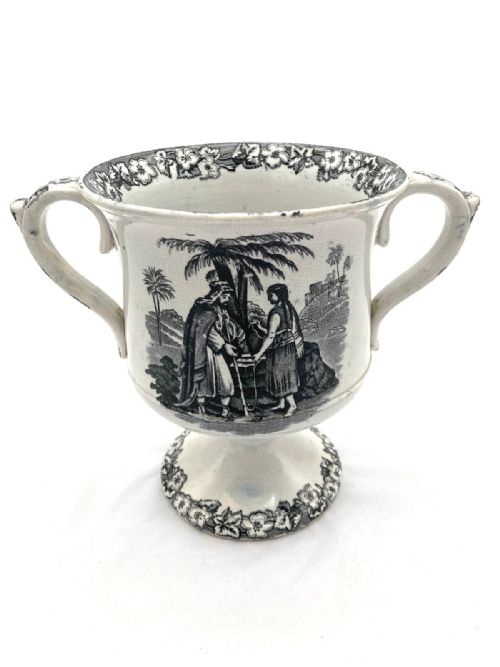
Potters shaped these vessels using earthenware, pearlware, and porcelain, sometimes employing soft-paste bodies with cobalt underglaze or polychrome enamel decoration. Artisans applied hand-painted details, transfer printing, and occasionally gold leaf highlights to the ceramic surface before firing.
Many items underwent high-temperature kiln firings beneath clear or coloured glaze layers. Moulded forms, such as barrel shapes and pedestal loving cups, required precise throwing and casting techniques practiced by historic English and Chinese workshops.
White Ceramic Mug Retail Price Guide 2026
Typical asking prices for white ceramic mug among the pieces listed under this phrase on Sellingantiques today, from the lower quarter to the upper quarter. They describe what is for sale here now, not the wider market.
Nineteenth-century drinkers faced amphibious surprises when encountering ceramic frogs peering up from the bottom of their beer.
What varies in quality
The sophistication of the painted or transfer-printed decoration dictates much of the distinction between examples. Hand-painted scenes executed with fine brushwork and rich cobalt or polychrome enamels elevate a piece above standard utility ware.
The clarity of the porcelain or earthenware body and the precision of the moulding shape the character of each vessel. Early soft-paste bodies and crisp transfer printing on pearlware demonstrate superior workshop standards.
Richard Chaffers·Dr Wall·Derby Porcelain·Duesbury and Kean·Copeland·Lowestoft Porcelain
The White Ceramic Mug Glossary
- Frog mug
- A drinking vessel featuring a ceramic frog modeled inside the base, designed to surprise the drinker as the liquid recedes.
- Soft-paste porcelain
- An artificial porcelain composition fired at lower temperatures than hard-paste, common in eighteenth-century English factories.
- Pearlware
- A refined earthenware developed in the late eighteenth century featuring a subtle bluish glaze that pooled in recesses.
- Transfer printing
- A decoration technique that applies inked engravings from a copper plate onto ceramic surfaces via tissue paper.
White Ceramic Mug: Frequently Asked Questions
What is a frog mug?
A frog mug contains a small ceramic figure of a frog positioned inside the bottom of the vessel. The creature remains hidden until the drinker finishes the beverage.
These novelty items appeared frequently in nineteenth-century earthenware and pearlware. They often served social functions in taverns and celebrations.
How do I identify porcelain?
Porcelain presents a dense, vitrified body that often appears translucent when held to a strong light. Early English pieces utilised soft-paste formulas with distinctive glaze pooling.
Examinations of the base frequently reveal unglazed foot rims where the vessel rested during kiln firings. Marks or painted numbers can also indicate the period and origin.
What is pearlware?
Pearlware is a refined earthenware developed by English potters to mimic Chinese export porcelain. It incorporates a thin glaze containing small amounts of cobalt.
This glaze creates a characteristic bluish tint in crevices and around handles. The body beneath is lighter and whiter than standard creamware.
How were chinoiserie scenes applied?
Chinoiserie designs were rendered either through delicate hand painting with enamel colours or via cobalt underglaze decoration. Artisans drew inspiration from imaginative European interpretations of East Asian motifs.
These patterns appear commonly on eighteenth-century coffee cups and larger tankards. The execution quality distinguishes factory production from smaller studio output.