
Antique English Hall Seat
When choosing an antique english hall seat, you select from sturdy oak settles, mahogany benches and timber chairs shaped by centuries of domestic life.
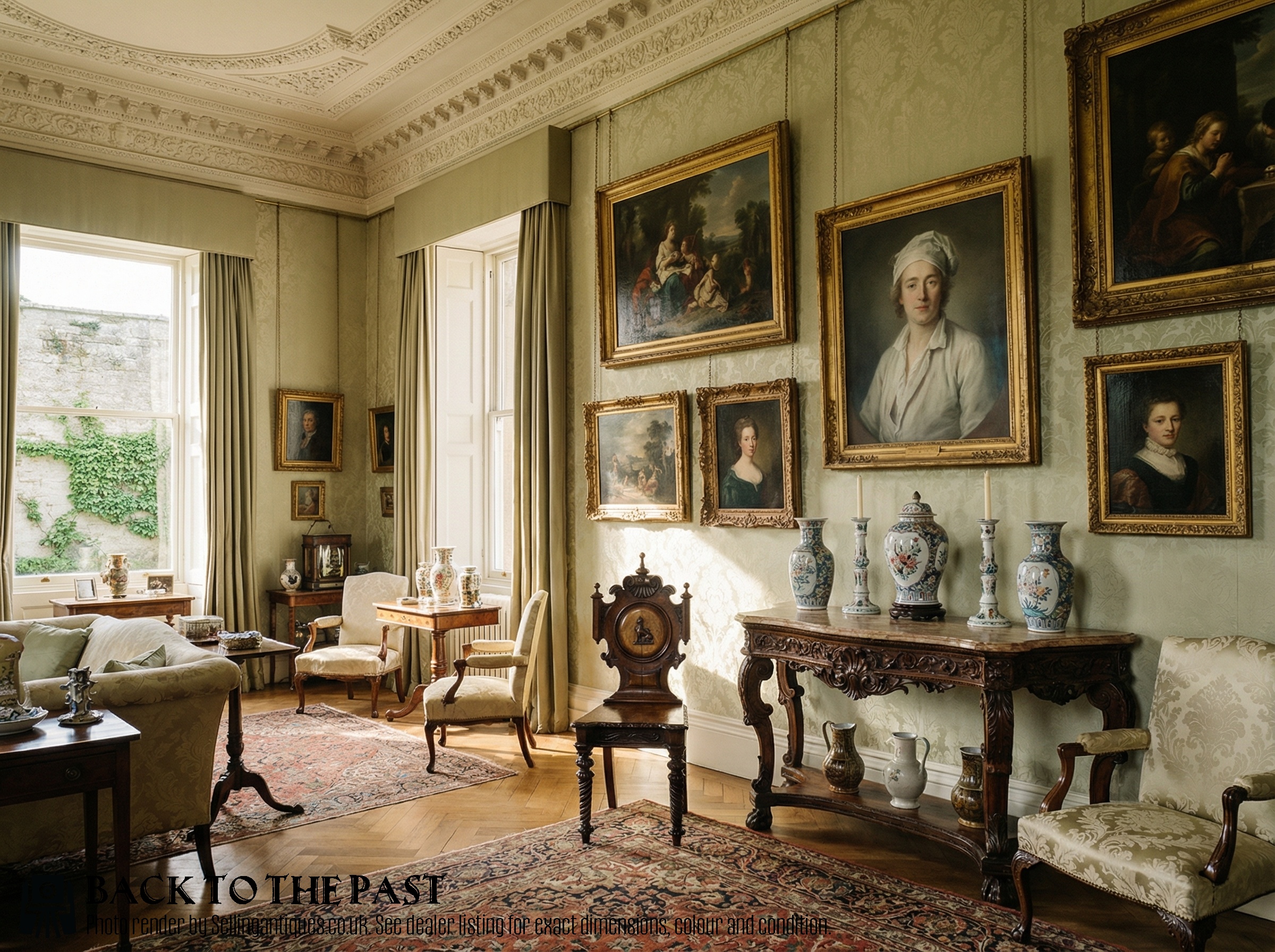
Antique English Hall Seat
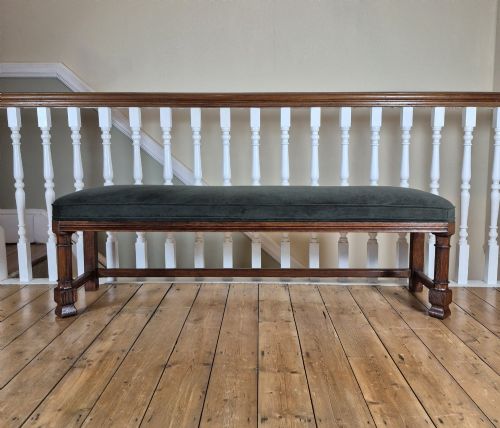
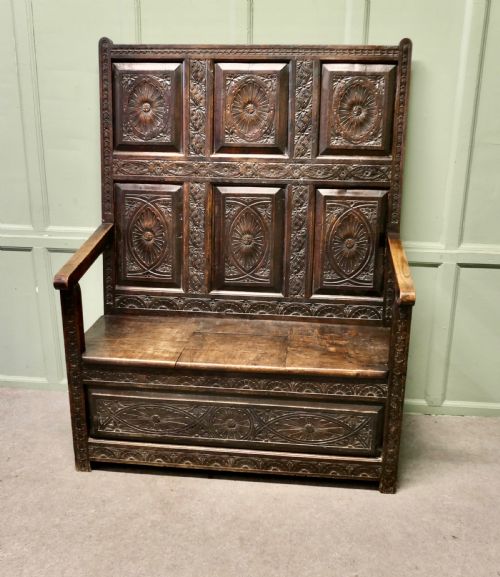
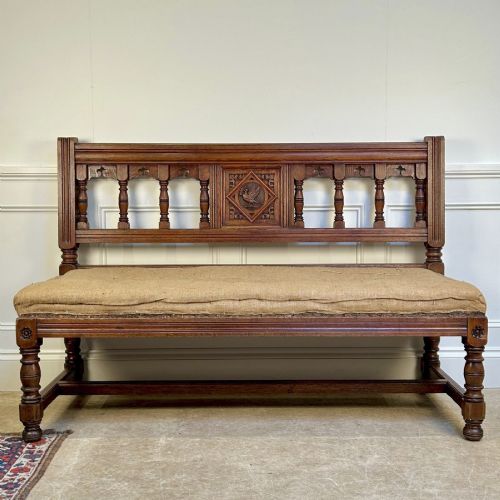
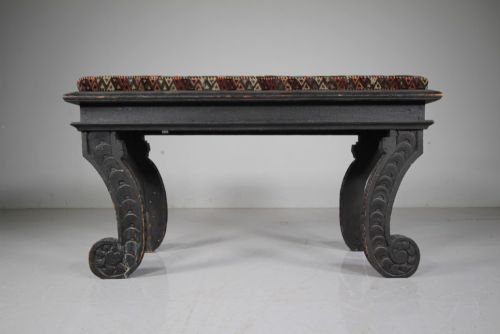
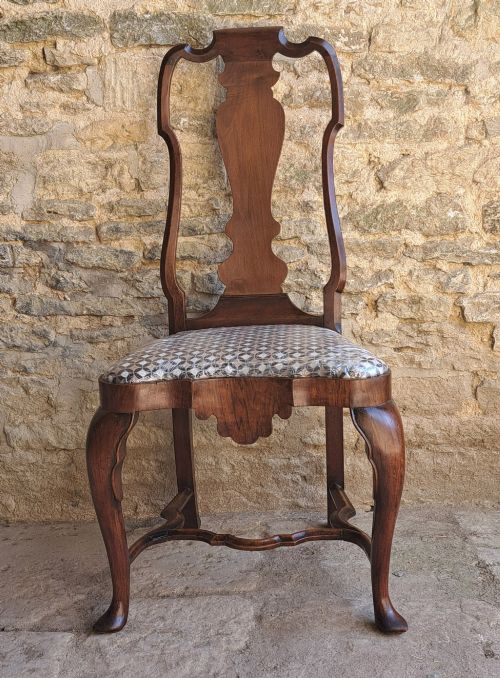
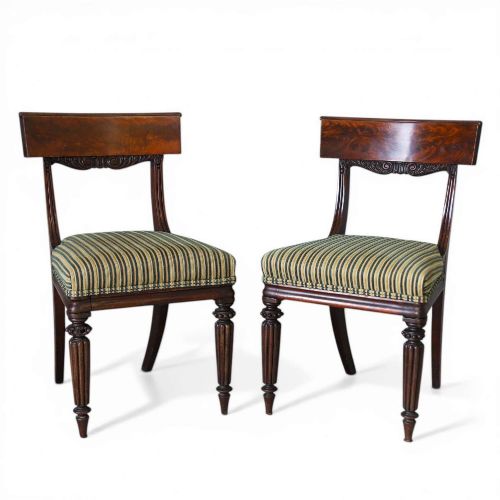
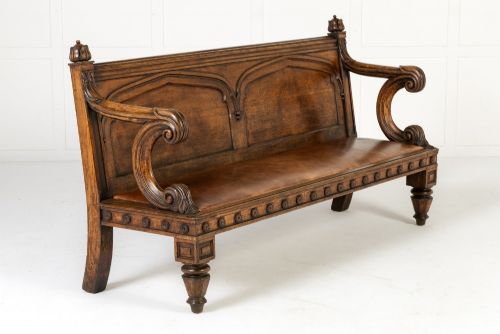
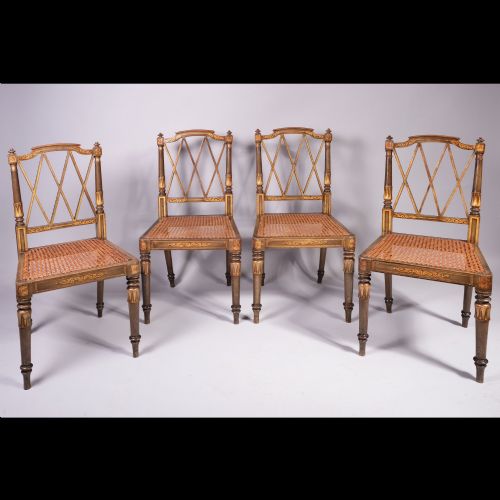
An antique english hall seat encompasses functional wooden furniture designed for entryways, corridors and reception spaces, drawing on periods from the seventeenth century through the Victorian era. Buyers encounter substantial box settles, long benches, narrow window seats and upright wooden chairs shaped for occasional use rather than long lounging.
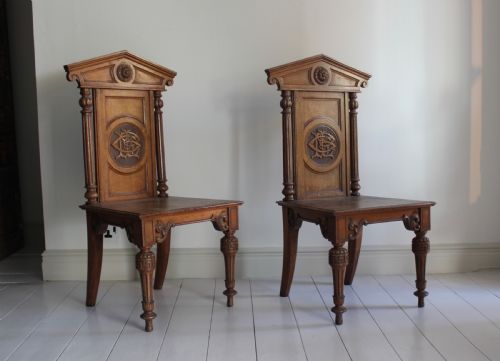
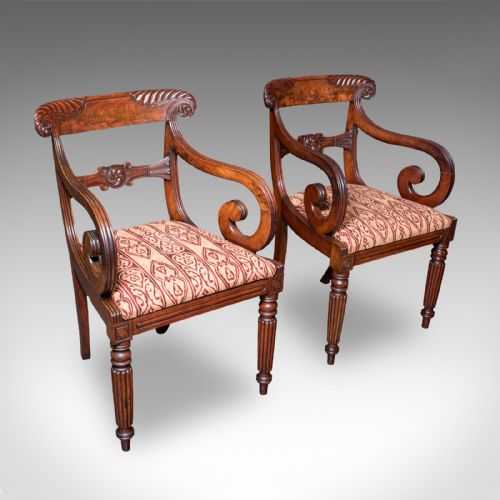
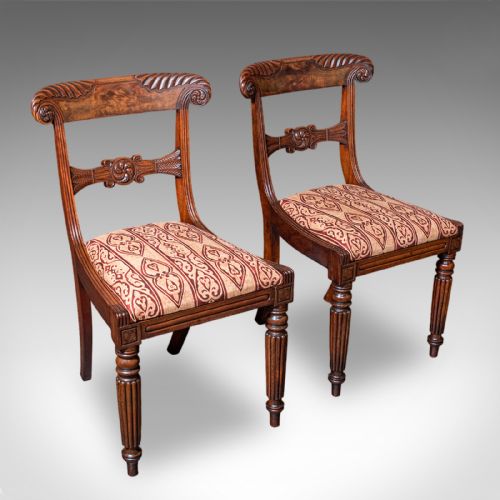
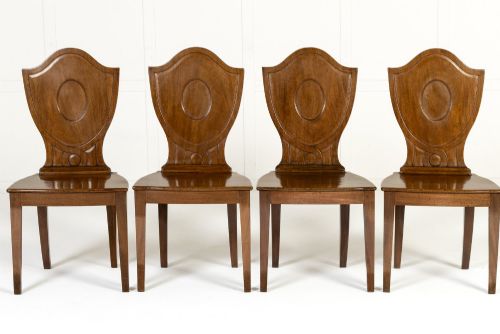
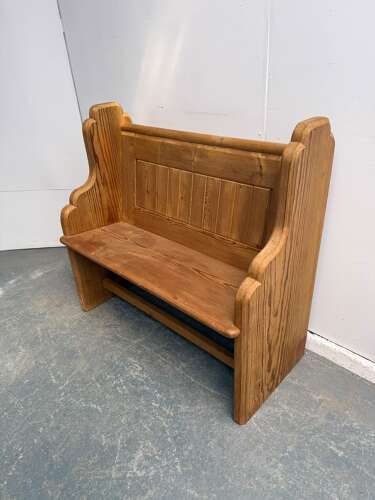
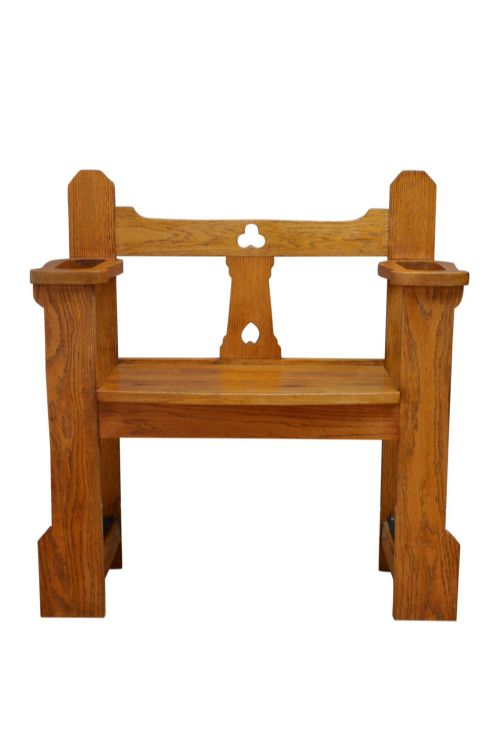
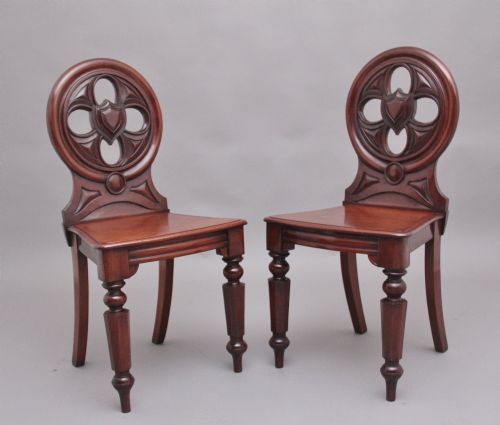
The selection ranges from early joined oak benches with high panelled backs to nineteenth-century Gothic Revival styles and slender Regency mahogany forms. Pieces span utilitarian country pine pews and formal town house hall chairs carved with armorial crests or shield backs.
Makers and workshops utilised sturdy domestic timbers to construct these reception seats, creating forms that served practical household functions such as boot storage or wind-blocking near draughty doors. The surviving examples reflect changing domestic habits across Georgian, Victorian and earlier centuries.
Proportion and Integrity
The integrity of the original timber construction and the crispness of hand-carved details separate standard examples from finer works. Superior pieces retain their original patination, unaltered proportions and authentic structural joints without excessive replacement timber.
Design sophistication distinguishes the range, from plain vernacular pine benches to architectural Gothic Revival oak settles and crisply carved mahogany hall chairs bearing armorial crests. The presence of integrated storage, such as hinged box seats or boot compartments, adds functional complexity to specific forms.
Listings feature oak, mahogany, walnut, elm, pine and fabric across seventeenth, eighteenth and nineteenth-century periods.
Gillows
The Antique English Hall Seat Glossary
- Settle
- A wooden bench with a high solid back, solid arms and often a box compartment beneath the seat for storage. These pieces were placed near entryways to block draughts in older houses.
- Hall Chair
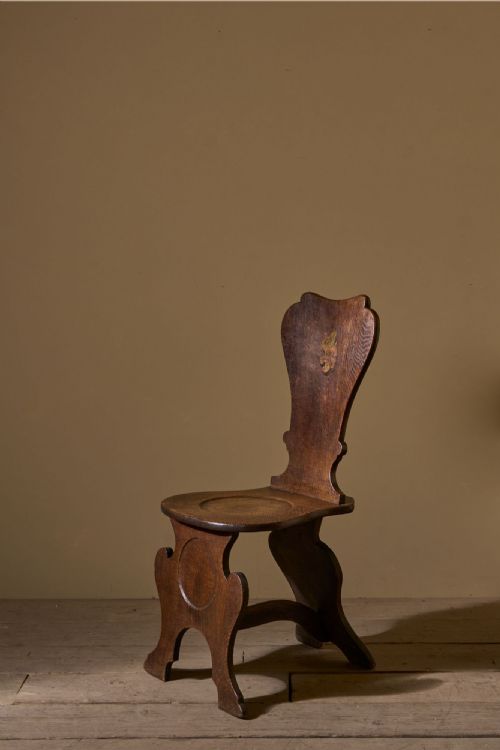
- An upright wooden side chair designed for entrance halls and reception spaces rather than dining rooms. They frequently feature solid wooden seats and carved or painted family crests.
- Box Settle
- A heavy oak bench featuring a hinged seat lid that opens to reveal a storage chest underneath. This form combined seating with practical domestic storage for blankets or boots.
- Gothic Revival
- A nineteenth-century architectural and decorative style inspired by medieval forms. Pieces display pointed arches, tracery and heavy carved oak construction.
- Rush Seat
- A woven seating surface made from dried marsh grasses twisted into cords. This technique appears frequently on vernacular country chairs and settles.
Antique English Hall Seat: Frequently Asked Questions
What is an antique english hall seat used for?
These pieces served as practical seating in entrance halls, corridors and reception rooms where visitors waited or household members removed boots. They provided sturdy seating and occasionally incorporated built-in storage boxes.
Today, they function in modern hallways and living spaces as narrow benches, window seats or decorative focal points that anchor an entryway.
How do I date an oak settle?
Dating relies on examining the construction methods, joint types, timber characteristics and carving styles. Early pieces from the seventeenth century typically feature pegged mortise and tenon joinery, heavy hand-rived oak panels and simpler board construction.
Later Victorian interpretations often display machine-sawn timber elements, heavier applied mouldings and revival motifs such as Gothic tracery or deep relief carvings.
Are hall chairs comfortable for daily sitting?
Traditional hall chairs and benches were built primarily for upright posture in entryways rather than relaxed lounging. Most feature rigid wooden seats, though some Victorian and Regency examples incorporate leather, needlepoint or rush pads.
Buyers seeking prolonged comfort often select upholstered window seats or elbow chairs rather than rigid wooden hall chairs.
What wood was used for antique hall benches?
Oak was the predominant timber for seventeenth and eighteenth-century pieces, prized for its strength and availability in English vernacular furniture. Mahogany became common during the Georgian and Regency periods for formal town house reception seating.
Pine and fruitwood appeared frequently in regional country pieces, often finished with paint or simple wax polishes.