





Antique English Enamel Box
An antique English enamel box is a small, portable vessel of colour and detail, prized for its miniature painting and metalwork.
Antique English Enamel Box
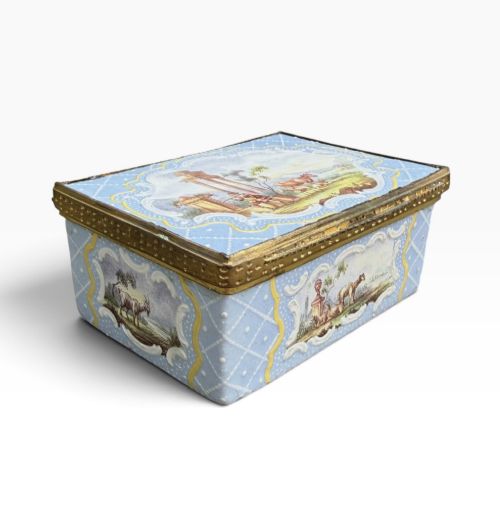
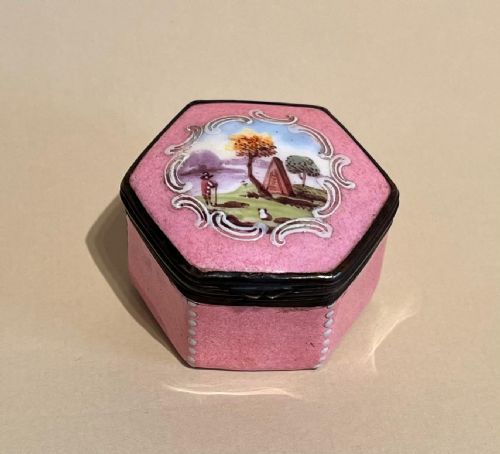
When you search for an antique English enamel box, you encounter pieces designed for personal adornment, grooming, and social rituals. The selection spans distinct forms, including snuff boxes, patch boxes, pill boxes, trinket boxes, and dressing table jars.
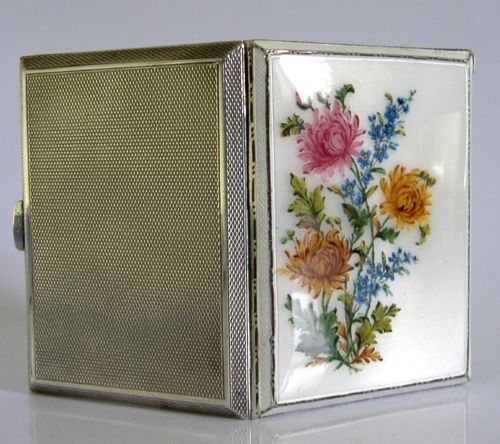
The majority of these pieces originate from the eighteenth century, particularly associated with Bilston and Staffordshire production. Later examples extend into the Edwardian and Art Deco periods, pairing enamel work with sterling silver.
Materials and Technique
These pieces are constructed from copper, copper alloy, or sterling silver as a base for the fused glass powder that forms the enamel surface. Gilt metal and brass also support the structural elements of lids and mounts.
Makers applied hand-painted decoration directly onto the enamel, often featuring botanical motifs, figural scenes, or inscriptions. Later twentieth-century items incorporate guilloche engine-turning beneath translucent enamel layers.
Antique English Enamel Box Retail Price Guide 2026
Typical asking prices for english enamel box among the pieces listed under this phrase on Sellingantiques today, from the lower quarter to the upper quarter. They describe what is for sale here now, not the wider market.
One eighteenth-century Staffordshire enamel box takes the specific form of a King Charles Cavalier Spaniel.
Assessing the Pieces
The standard of a piece rests upon the crispness of the hand painting and the stability of the enamel against the underlying metal. Finer examples display detailed brushwork and minimal crazing or restoration across the surface.
Proportion and the weight of the metal mounts dictate the distinction between everyday items and superior workshop output. The integration between the hinge, lid, and base reveals the precision of the original maker.
Samuel Evans
The Antique English Enamel Box Glossary
- Bilston enamel
- A term applied to enamels produced in the Staffordshire town of Bilston during the eighteenth century. These factories specialised in small copper boxes decorated with hand-painted scenes.
- Patch box
- A small pocket container used to hold cosmetic patches made of silk or velvet. Ladies wore these patches on the face during the Georgian period.
- Snuff box
- A small hinged container designed to hold dry tobacco for inhalation. They reflect the social habits of the eighteenth century.
- Guilloche
- A decorative engraving technique that etches precise repetitive patterns into metal. It provides texture beneath translucent enamel layers on later silver boxes.
- Bonbonniere
- A small decorative container intended for holding sweets or confections. These objects often take novelty shapes such as animals or fruit.
Antique English Enamel Box: Frequently Asked Questions
How do I date an antique enamel box?
Dating relies upon stylistic markers, material combinations, and manufacturing techniques recorded across periods. Eighteenth-century pieces typically feature copper bases with hand-painted Staffordshire or Bilston designs.
Later twentieth-century examples from the Edwardian and Art Deco eras commonly pair sterling silver mounts with guilloche enamel surfaces and clear hallmarks.
How should I care for an antique enamel box?
Enamel is essentially glass fused to metal, requiring gentle handling to prevent chipping or cracking from impacts. Keep them away from direct moisture and clean only with a soft, dry cloth.
Silver mounts may be polished carefully with a specialist cloth, taking care not to let cleaning compounds touch the vulnerable enamel surface.
What is the difference between a patch box and a snuff box?
Patch boxes were designed specifically to hold small cosmetic patches used for fashion statements or to cover blemishes. They frequently included an interior mirror fitted inside the lid.
Snuff boxes served a different social function, containing powdered tobacco for polite consumption. Their interiors were left plain or lined to withstand the dry contents.