


Antique English Creamware
Antique English creamware is refined earthenware with pale glaze, spanning table services and tablewares that bring warmth to any interior.
Antique English Creamware
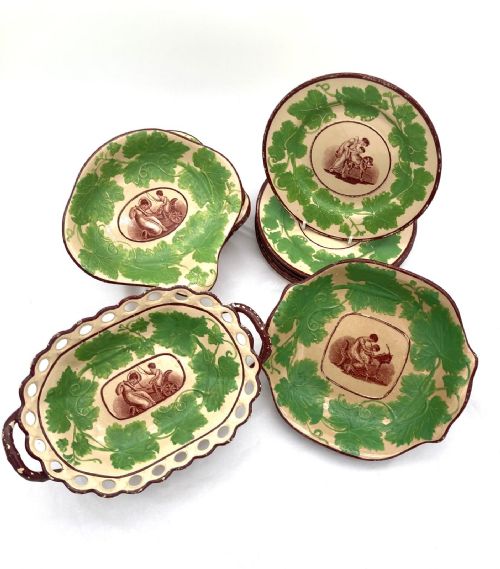
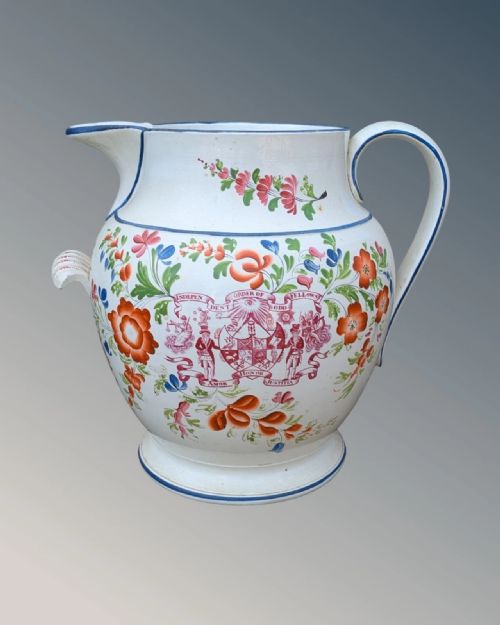
When you examine antique English creamware, you encounter a versatile body of utilitarian and decorative ceramics produced across the eighteenth and nineteenth centuries. These items range from large jugs and footbaths to delicate dessert services, dinner plates, and specialised cellar accessories.
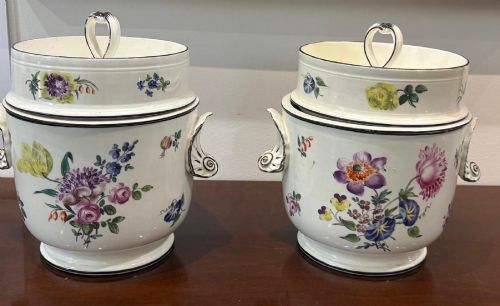
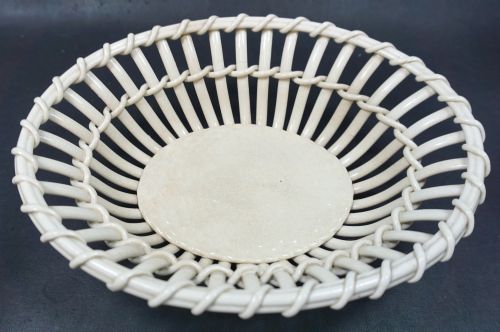
The pieces most frequently met on this page date from the Georgian period through to the Victorian era, encompassing forms like teapots, decorative baskets, and ice pails. They reflect the domestic routines of British households through changing styles from Georgian Neoclassical to Edwardian.
Makers and potteries utilised distinct regional techniques, resulting in varied earthenware bodies that span standard creamware, pearlware, and glazed variations. Collectors encounter these items as functional vessels that survive in diverse domestic capacities.
Materials and Technique
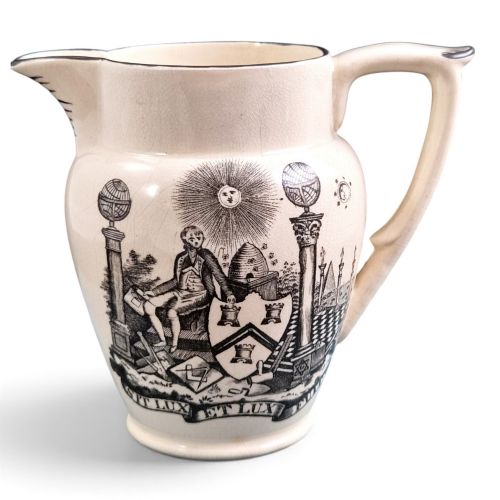
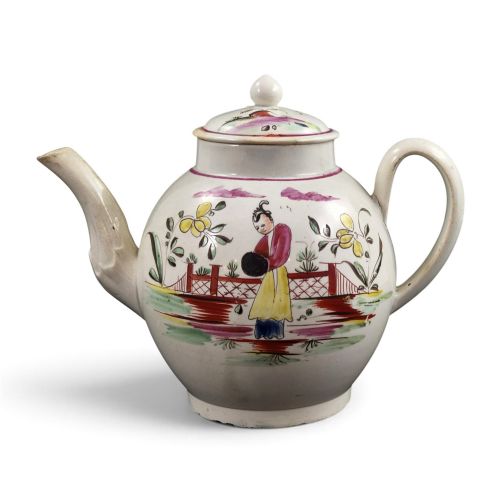
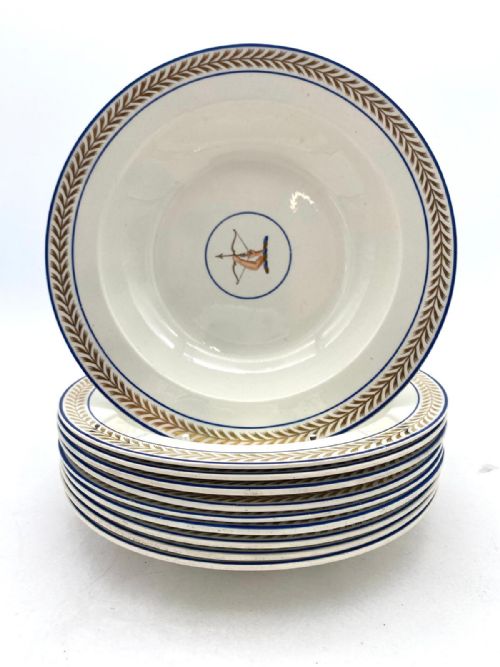
Potters formed these pieces using refined earthenware clays coated in transparent lead glazes, which pooled to impart a warm, buttery tone characteristic of the ware. Artisans frequently employed transfer printing, hand-painting, and enamel decoration to embellish surfaces with botanical motifs, armorials, or Chinoiserie scenes.
Specialised forms utilised sturdy throwing and moulding techniques, combining ceramic bodies with auxiliary materials such as maple, oak, and silver plate for footbaths, butter dishes, and bins. The integration of glaze and clay body created durable domestic wares capable of daily utility.
Judging Quality and Execution
Quality in these ceramics rests upon the crispness of moulding, the subtlety of the glaze application, and the precision of any transfer print or hand-painted detail. Superior examples display even glazing without heavy pooling or dryness, maintaining clear definition across relief decoration and armorial crests.
The standing of the maker also dictates the upper tier of the range, where established potteries achieved thinner, lighter bodies and more refined forms. Condition and completeness, particularly in multi-piece dessert services or sets with original stands and liners, separate standard items from exceptional survivals.
Wedgwood·Leeds Pottery·Davenport·Maple and Co·Parnall and Sons
The Antique English Creamware Glossary
- Creamware
- A refined earthenware developed in England, distinguished by its pale yellow or cream-coloured lead glaze. It became the dominant ceramic tableware of the late eighteenth century.
- Pearlware
- An earthenware body developed by Josiah Wedgwood around 1779, featuring a bluish-tinted glaze designed to emulate Chinese export porcelain. It often incorporates hand-painted underglaze blue or polychrome enamels.
- Transfer printing
- A decoration technique where an engraved metal plate transfers a design onto paper, which is then stamped onto the ceramic body before glazing and firing. This allowed for intricate, repeatable patterns like botanical studies and historical scenes.
- Chinoiserie
- A decorative style reflecting European interpretations of Chinese and East Asian artistic traditions. It appears on eighteenth-century teapots and tableware through whimsical landscapes and figures.
- Footbath
- A large, deep vessel designed for washing feet, rendered in heavy creamware with banded decoration for domestic utility. These robust pieces often doubled as large planters or wine coolers in grand interiors.
- Armorial
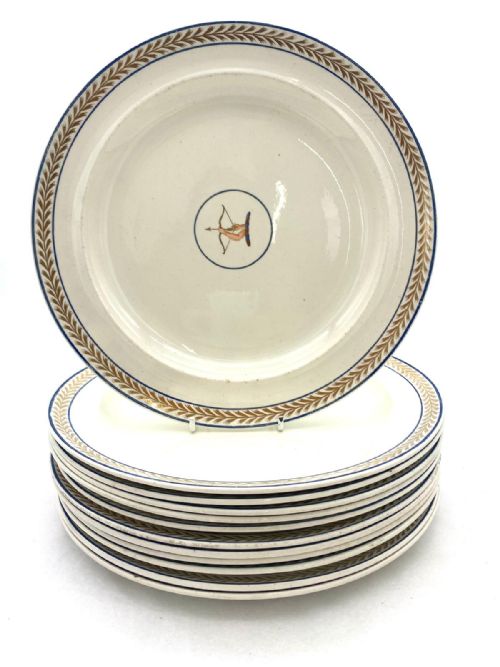
- Ceramic decoration featuring a family coat of arms or crest. These bespoke commissions were typically ordered by landed gentry for substantial dinner services.
Antique English Creamware: Frequently Asked Questions
How do I date creamware?
Dating relies on stylistic shifts from eighteenth-century Georgian Neoclassical forms to nineteenth-century transfer-printed designs and Victorian shapes. Glaze colour also shifts from deep buttery tones to the paler hues associated with pearlware.
Potters' marks, when present, provide a direct attribution to factories like Wedgwood or Leeds. Examining the weight, potting technique, and decorative style helps narrow the decade of production.
What was creamware used for?
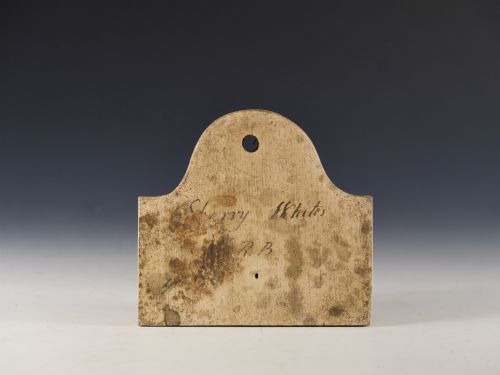
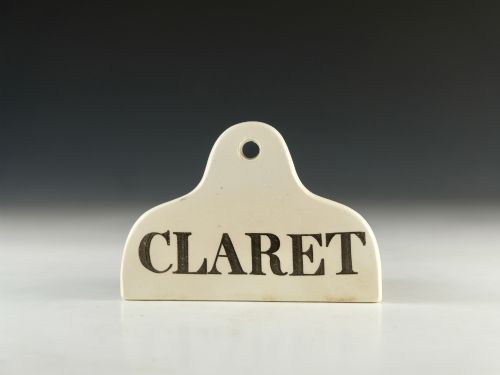
Creamware served primarily as functional tableware for dining, tea service, and food storage in British homes. Items ranged from everyday dinner plates and pudding bowls to specialised vessels like ice pails, wine bin labels, and cheese domes.
Wealthy households utilised extensive dessert services and armorial dinner plates for formal entertaining. Utilitarian pieces like dairy jugs and footbaths managed household tasks in domestic service areas.
How do I care for antique creamware?
Wash antique creamware gently by hand using lukewarm water and mild soap, avoiding dishwashers and harsh scrubbers that damage the historic glaze. Store pieces securely on stable surfaces away from extreme temperature fluctuations.
Display vessels away from direct sunlight to protect enamel colours and prevent crazing in the ceramic glaze. Handle items by their main body rather than delicate handles or spouts.